
Art & History
Life in Medieval and Renaissance Florence Tour – Private Tour
Step Into Daily Life in Medieval and Renaissance Florence
Move beyond masterpieces to meet the people who once filled these streets. This private walk reveals how Florentines ate, traded, prayed, dressed, fell in love, and faced crises like the Black Plague. With an expert guide, you will read the city as a living document, where stones and stories meet.
What Makes This Private History Tour Special
You will not just admire façades. You will decode symbols and customs that shaped everyday routines. Expect vivid storytelling, primary source anecdotes, and insider context on guilds, merchants, artists, and families that turned Florence into Europe’s laboratory for finance, fashion, and humanist thought.
The Route, From Piazza to Palazzo
Your path links places that illuminate private life and public ritual. Outside Santa Maria Novella, imagine the youthful circle at the start of Boccaccio’s Decameron and the urge to escape plague. At Palazzo Davanzati, step into a preserved noble home that reveals table manners, wall décor, and domestic technology. At Orsanmichele, see where grain became grace and guilds made their faith visible. The visit concludes at Santa Croce, a civic pantheon where tombs and frescoes express Florence’s belief in memory and merit.
Society, Faith, and Plague in Florence
Florence moved on the rhythm of bells and markets. Guilds safeguarded standards and charity, churches shaped calendars and conscience, and households were hubs of power and continuity. The plague tested all of this, rewriting rituals and inspiring literature that still speaks to resilience and imagination.
Snapshot Summary for Fast Readers
-
Daily life revealed through homes, guilds, churches, and piazzas
-
Boccaccio’s Decameron and the Black Plague set in their real locations
-
Palazzo Davanzati for domestic life and noble etiquette
-
Orsanmichele for guild identity and devotion
-
Santa Croce for memory, civic pride, and artistic ambition
Who Will Love This Florence Time-Travel Experience
Curious couples, families with teens who enjoy stories, lifelong learners, and travelers who like culture with texture will thrive on this walk. It also suits leadership teams and incentive groups that value meaningful narrative, shared discovery, and a fresh lens on resilience and community in a compact, walkable format.
Why Choose ArtViva for Florence’s Living History
For over twenty five years, ArtViva has paired scholarly depth with warm hospitality. Our Florence-based experts translate archives and architecture into clear, memorable narratives. The result is a refined private experience that blends accuracy, empathy, and a quietly luxurious pace.
Practical Notes and How to Reserve
This private experience unfolds within Florence’s historic center at a relaxed tempo. Exact start time, meeting location, and any interior visits are confirmed after booking. The route involves cobblestones and some stairs at Palazzo Davanzati, so comfortable footwear is recommended. The tour can be customized on request and transfers can be arranged for an additional fee.
Reserve Your Private Date
This intimate cultural walk has limited availability. Secure your preferred time today. For peak seasons, early booking a couple of months ahead is highly recommended.
-
Vivid stories that transform streets and façades into living scenes
-
A rare look at noble home life inside Palazzo Davanzati
-
Clear insight on guilds, charity, and faith at Orsanmichele
-
The human side of plague and recovery through Boccaccio’s lens
-
A reflective finale at Santa Croce among Florence’s great names
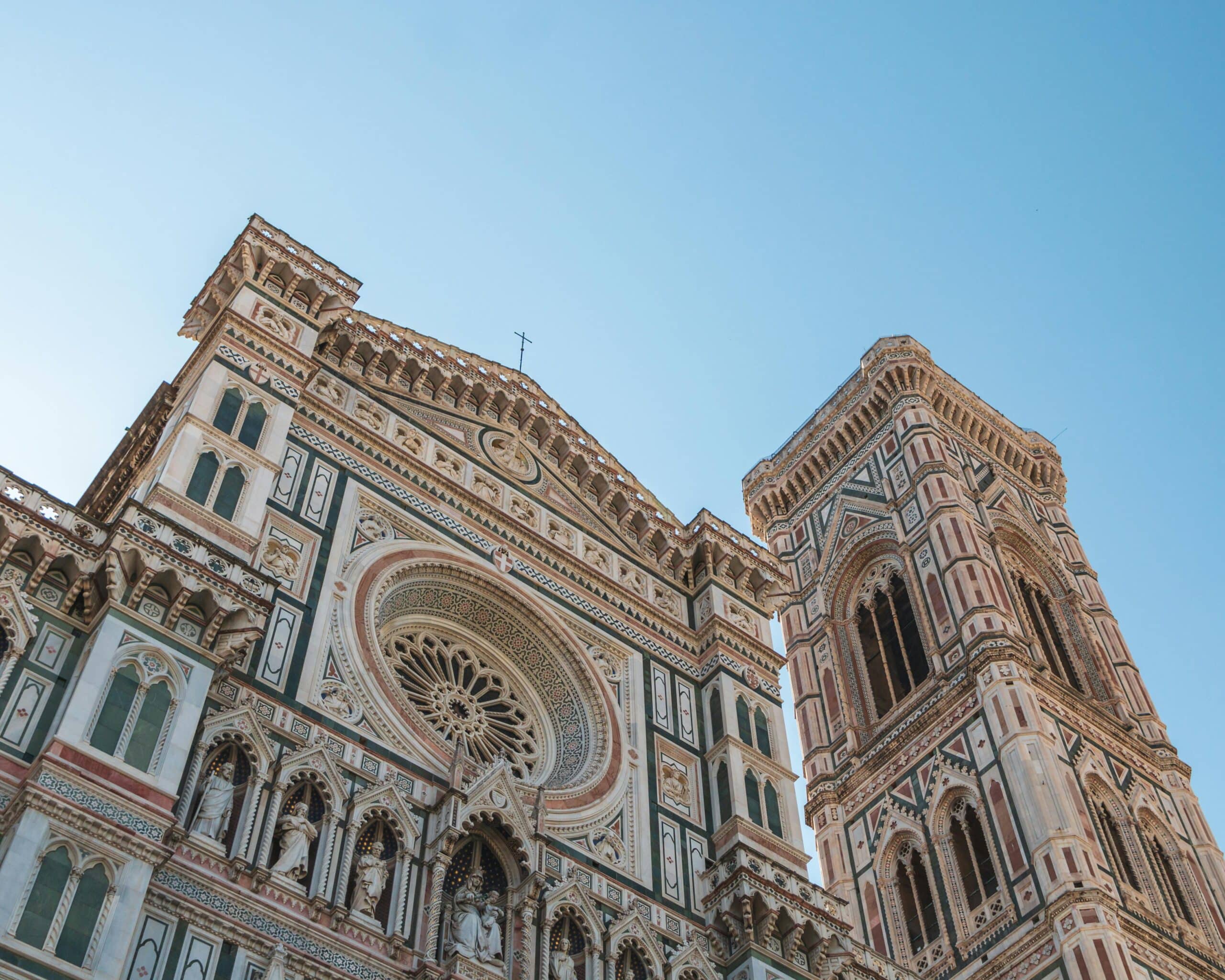
Between the 1200s and 1500s, Florence transformed from a guild-governed market town into Europe’s engine of banking, textiles, and humanist culture. Wealth from wool and finance funded public works and private chapels, while civic rivalries and shifting alliances challenged stability. The Black Plague struck hard in the 1300s, yet the city rebounded with new devotion, charity, and artistic patronage. Domestic life was shaped by extended families, dowries, feast days, and guild duties, while writers like Dante, Petrarch, and Boccaccio framed a language and a vision that still guide Italy’s identity. In churches, cloisters, and townhouses, the Florentine habit of close observation and disciplined craft reinvented beauty and set the stage for the Renaissance.
This journey is going to be 3 hours long.
- Professional guide
- All entry fees
- Historical insights
What sites are included on the Life in Medieval and Renaissance Florence Tour?
Expect Santa Maria Novella’s square for the Decameron setting, Palazzo Davanzati for domestic history, Orsanmichele for guild culture, and Santa Croce for memory and civic identity. Locations may vary slightly based on opening times.
Is this private tour suitable for children and teens?
Yes for older children and teens who enjoy stories and interactive explanations. The guide adapts language and pacing to keep young guests engaged.
How much walking is involved on this Florence medieval life tour?
The route is a gentle walk in the historical center with some steps and cobblestones. Comfortable shoes are recommended.
Will we discuss the Black Plague and Boccaccio’s Decameron on this tour?
Yes. Your guide places Boccaccio’s narrative and the pandemic’s impact into the city’s real spaces, making the literature and history feel immediate and human.
Can this tour be customized for academic or corporate groups?
Absolutely. We can tailor the focus toward literature, social history, or leadership case studies on resilience and community. Pre or post-tour talks and private transfers can be arranged.
What language is the tour conducted in?
The tour is led in English or Italian, with other languages available on request.
Are interior entries included?
Entry to Palazzo Davanzati and Santa Croce can be included when available. Details are confirmed on booking, and the guide provides rich exterior interpretation where interiors are not accessible.