
Art & History, Walking Experiences
Underground Milan Tour: The Strange, the Gothic, and the Eerie
Enter Milan’s Hidden World with Your Artviva Guide
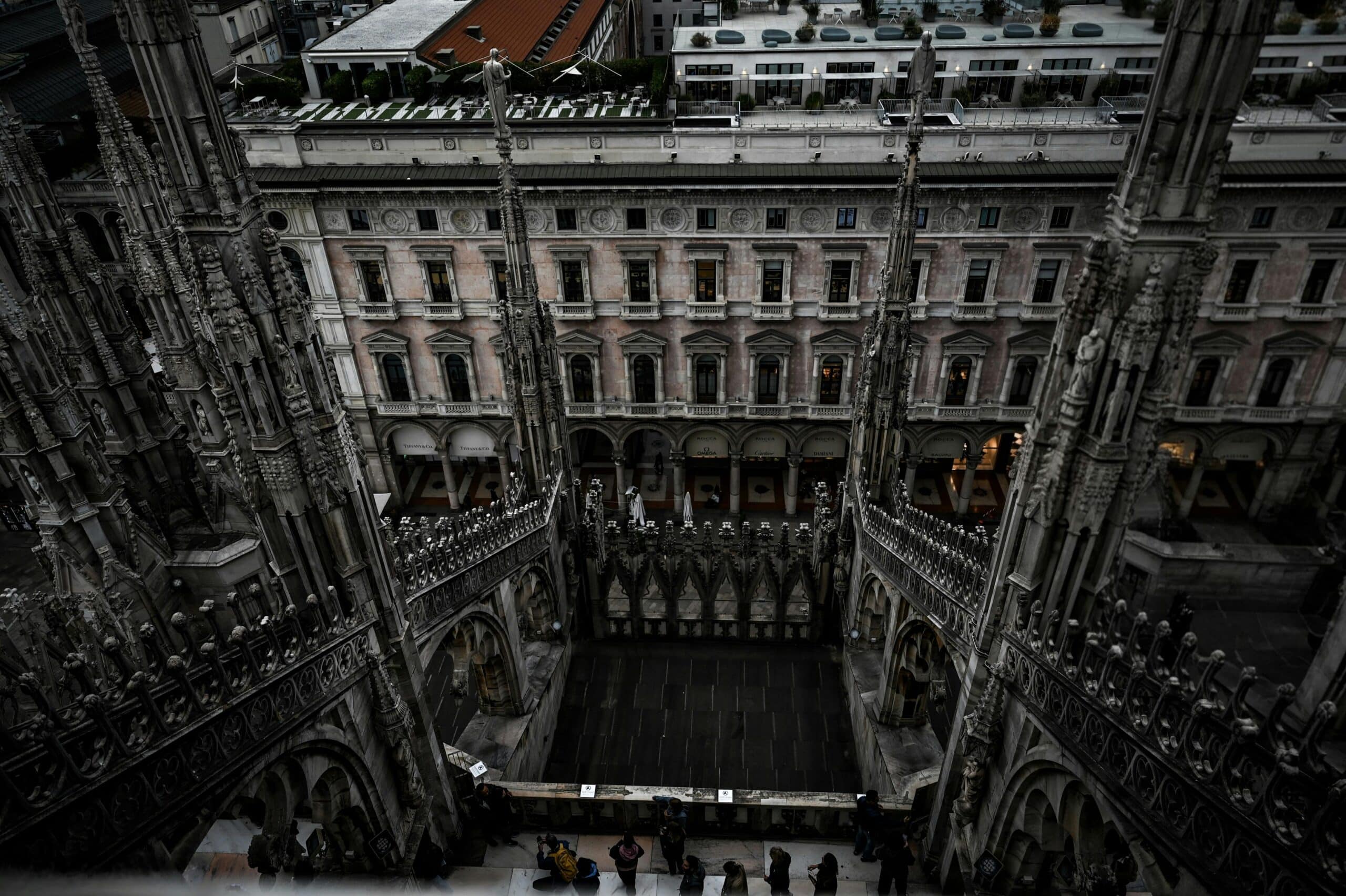
Begin in Piazza del Duomo before the marble forest of spires. Then slip away from the crowds to uncover the city’s secret side. This private tour reveals vanished churches, quiet chapels, and buried rooms where stones whisper stories of faith, fear, and brilliance.
What Makes This Underground Walk Different
This experience is curated for curious travelers who want depth and atmosphere. With elegant pacing and vivid storytelling, your Artviva guide connects art, architecture, and rumor. Expect intimate spaces, careful access, and a sense of discovery as you move from gothic devotion to Renaissance invention.
Your Step by Step Route Below and Beyond
Meet by the Duomo, learn how the Cathedral of Santa Maria Nascente shaped medieval life, then continue to San Bernardino alle Ossa where a bone lined chapel creates a moving meditation on time. Hear the story of Ca’ Granda, the historic hospital built to care for the city’s poorest citizens, and understand its role in Milanese memory. Descend to the remains of the crypt of San Giovanni in Conca, a powerful fragment of Romanesque Milan that once supported an entire basilica. Conclude at Santa Maria presso San Satiro, where Bramante conjured a mind bending illusion that looks like a deep apse yet measures only a few feet.
Legends, Bones, and Brilliant Illusions
Milan’s underground tells a tale of resilience. Ossuaries preserved the faithful when space was scarce, hospitals turned charity into civic pride, and ingenious architects used perspective to expand sacred space where walls refused to move. Your guide weaves together urban legends and verified history so each site feels alive.
Milan’s Secrets in Brief
-
Duomo context and the birth of gothic Milan
-
San Bernardino alle Ossa and its quietly stunning ossuary
-
Ca’ Granda history and the city’s tradition of care
-
Crypt of San Giovanni in Conca, a rare Romanesque survivor
-
Santa Maria presso San Satiro and Bramante’s trompe l’oeil masterpiece
Who Will Love This Darkly Beautiful Experience
Perfect for culture lovers, architecture fans, and thoughtful travelers seeking Milan beyond fashion windows. Families with teens enjoy the storytelling and mystery. For corporate groups, executive programs, and incentive travel, Artviva can add a private scholar talk, an aperitivo in a historic courtyard, or a short creative challenge that links perspective drawing to Bramante’s illusion.
Why Choose Artviva for Milan Underground
For more than twenty five years Artviva has paired insider access with outstanding guides. Our specialists manage timing, permissions, and context so that sensitive sites are visited with respect. You enjoy an unhurried route, rich interpretation, and the warm Italian hospitality that defines our brand.
Practical Details for a Seamless Visit
This private walking tour typically lasts around two and a half to three hours. It runs in all weather, with sheltered interiors balanced by short walks between sites. Meeting point details are provided upon booking. Comfortable shoes are recommended due to uneven floors and a few steps in crypt areas. Transportation to and from the meeting point is not included, though private transfers can be arranged on request. Inclusions generally follow the sequence above and may adjust slightly based on site hours or liturgical services, in which case your guide provides elegant alternatives.
Secure Your Underground Milan Date
Places are limited due to the intimate nature of the sites. Reserve your preferred time now to enjoy a quiet, atmospheric walk with Milan’s finest storytellers.
-
A rare look at Milan’s ossuary and historic crypts
-
Stories that connect medieval care, faith, and art
-
The quiet thrill of standing where a vanished church once rose
-
A close view of Bramante’s astonishing optical illusion
-
A refined pace that favors depth over rush
-
A dedicated Artviva guide who brings each space to life
Milan’s skyline tells one story, its basements and crypts tell another. Medieval ossuaries honored the faithful when ground was scarce. Hospitals like Ca’ Granda embodied a civic ideal that blended charity with advanced care. Romanesque foundations at San Giovanni in Conca recall a fortress city of towers and thick walls. With the Renaissance came perspective, and Bramante’s daring illusion at San Satiro showed how human vision could reshape sacred space. Together these layers form an underground archive where Milan’s identity is preserved in stone, bone, and brilliant geometry.
This journey is going to be 1 hour 30 minutes long.
- Private guide
- Tickets
Is the Underground Milan Tour suitable for children?
Yes for mature children and teens. The bone chapel and crypts are presented with sensitivity and historical context.
How strenuous is the walk on this tour?
Moderate. Expect cobblestones, a few short stairways, and periods of standing. Your guide adapts the pace as needed.
Are all interiors guaranteed?
Access can vary due to services or conservation work. When a site is closed your guide provides a high quality alternative nearby.
What should I wear for visiting chapels and churches?
Shoulders and knees covered in summer, comfortable closed shoes year round. Modest dress is appreciated in sacred spaces.
Can this tour be made fully private for my group?
Yes. The experience is available as a private tour with flexible start times and customized emphasis.
Is photography allowed in the bone chapel and crypts?
Policies vary by site. Your guide will advise where photos are permitted and where discretion is required.
Which languages are available for this tour?
English and Italian as standard, with other languages available upon request.