

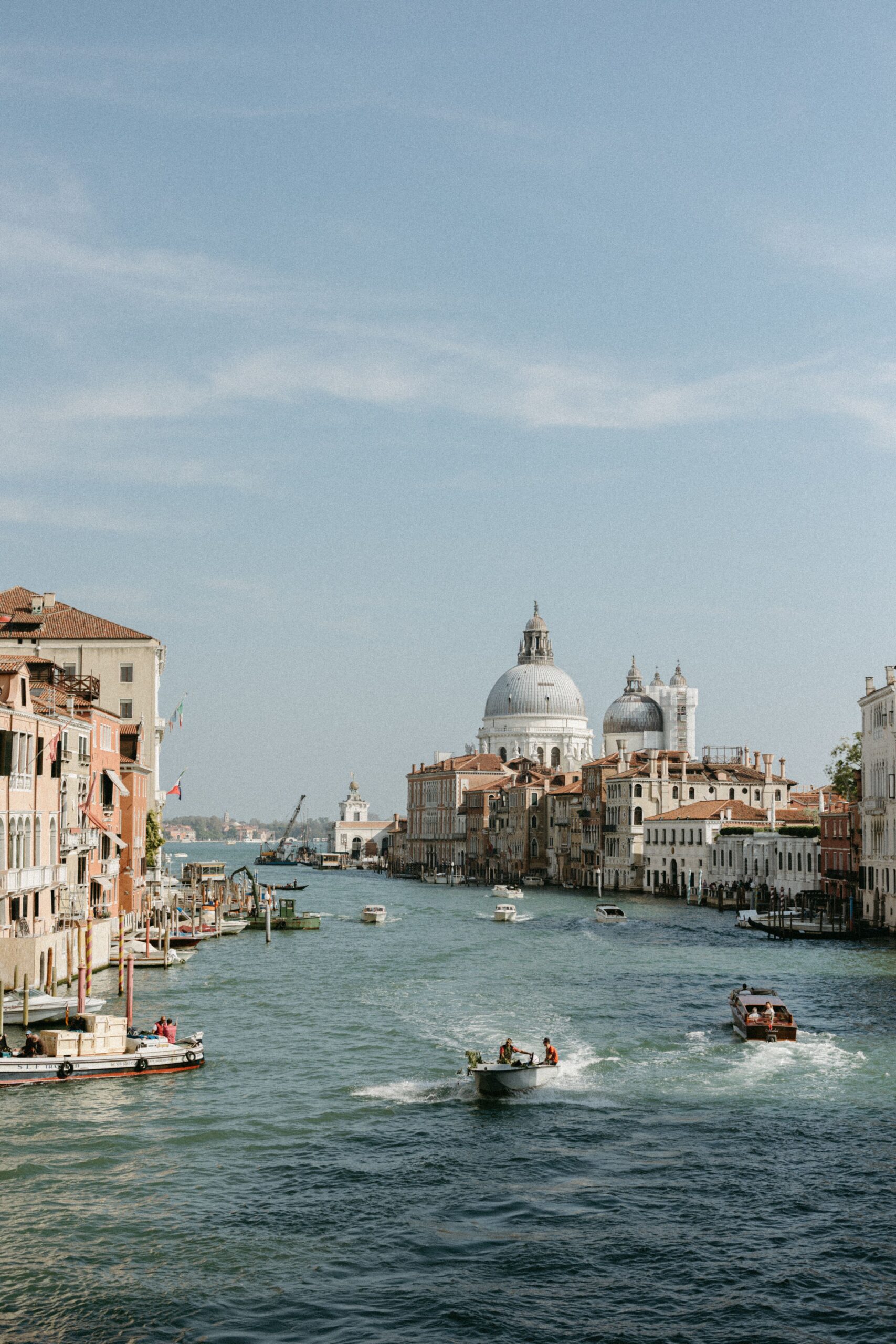
The Stories That Built Venice: Beyond Canals and Gondolas
Venice has captivated travelers for centuries with its winding canals, elegant bridges, and remarkable architecture. Yet the city’s greatest achievement is not simply its beauty. It is the extraordinary story of how a community built one of Europe’s most powerful republics on a collection of small islands in the Venetian Lagoon.
Many visitors arrive eager to photograph gondolas gliding beneath stone bridges or admire the grandeur of St. Mark’s Square. Those moments are unforgettable, but they reveal only part of Venice’s story.
The deeper story lies in understanding how merchants, sailors, diplomats, artists, and political leaders transformed Venice into a global center of commerce, innovation, and culture. Every palace, quiet canal, and hidden courtyard reflects centuries of ambition, resilience, and craftsmanship.
When viewed through this historical perspective, Venice becomes much more than a beautiful destination. It becomes one of Europe’s most fascinating cities, where every street invites visitors to discover another chapter of its remarkable past.
Quick Answer: Why Is Doge’s Palace So Important to Venice?
Doge’s Palace was the political and administrative heart of the Venetian Republic for centuries. It served as the residence of the Doge, the headquarters of government, the seat of justice, and the center of diplomatic decision-making. Visiting the palace provides essential insight into how Venice became one of the most influential maritime powers in history and helps travelers understand the city beyond its famous canals and landmarks.
History & Cultural Context
Venice’s history is unlike that of any other Italian city.
Founded on small islands surrounded by shallow waters, Venice developed into a powerful maritime republic through trade rather than territorial conquest. Its strategic position connected Europe with the Byzantine Empire, North Africa, and the eastern Mediterranean, allowing merchants to exchange spices, silk, precious metals, and countless other goods that shaped international commerce for centuries.
This prosperity influenced every aspect of Venetian life.
Magnificent churches rose above the canals. Elegant palaces lined the Grand Canal. Artists developed a distinctive style celebrated for its rich color and luminous light, while architects created buildings that blended Gothic, Byzantine, and Renaissance influences into something uniquely Venetian.
At the center of this remarkable republic stood Doge’s Palace.
Standing beside St. Mark’s Basilica, the palace symbolized the authority, stability, and ambition of Venice. It functioned as the residence of the Doge while also housing council chambers, courtrooms, government offices, and state archives. Decisions made within its walls influenced diplomacy, trade, warfare, and the future of one of Europe’s greatest maritime powers.
Many visitors admire the palace for its graceful Gothic façade.
What most travelers never realize is that behind those elegant arches lay one of the most sophisticated political systems of the Renaissance. Venice carefully balanced power among elected officials and influential families, creating a republic that endured for more than a thousand years.
Understanding that political history transforms the palace from an architectural masterpiece into one of Europe’s most significant historical landmarks.
Venice Beyond the Postcards
Venice is often reduced to familiar images of gondolas, bridges, and crowded piazzas.
While these places deserve their reputation, they represent only a small part of what makes the city extraordinary.
Walk a few streets beyond the busiest areas and Venice begins to reveal a quieter rhythm. Residential neighborhoods, peaceful canals, neighborhood churches, artisan workshops, and hidden courtyards remind visitors that Venice has always been a living city rather than an open-air museum.
Local experts often point out that Venice rewards those who slow down.
The texture of centuries-old brick.
The reflections dancing across narrow canals.
The carved details above an overlooked doorway.
The silence that settles over a small campo only minutes from St. Mark’s Square.
These moments create a richer understanding of Venice than famous viewpoints alone ever could.
Why It Matters Today
Although the Venetian Republic disappeared more than two centuries ago, its influence continues to shape the city visitors experience today.
Venice remains a symbol of international exchange, artistic achievement, engineering innovation, and cultural resilience. Its history reminds us that ideas, trade, and creativity can shape civilizations just as profoundly as military power.
For modern travelers, this perspective changes the experience of exploring the city.
A bridge becomes more than a route across a canal.
A palace becomes more than beautiful architecture.
A public square becomes the stage where centuries of diplomacy, celebration, and political life unfolded.
Many visitors only scratch the surface of Venice.
The deeper story lies in understanding the remarkable people, institutions, and traditions that transformed a collection of lagoon islands into one of history’s greatest republics.
Local Expert Tip
Many first-time visitors spend most of their time around St. Mark’s Square and the Grand Canal. While these landmarks are essential, local experts often recommend paying close attention to the quieter details that surround them.
Notice the carved symbols above historic doorways, the weathered stone worn smooth by centuries of footsteps, or the narrow canals where daily Venetian life continues much as it has for generations. These subtle details often reveal just as much about Venice’s history as its grand monuments.
The city rewards observation. The longer you look, the more connections begin to emerge.
Experience It Firsthand
Understanding Venice’s history becomes far more rewarding when explored alongside knowledgeable local experts who can connect the city’s architecture, politics, and culture into one compelling story.
Many visitors admire Doge’s Palace and St. Mark’s Square without fully appreciating how they shaped one of Europe’s longest-lasting republics. The deeper story lies in the relationships between commerce, diplomacy, government, and everyday Venetian life. Local interpretation brings these connections into focus, helping visitors experience Venice beyond its famous landmarks.
Artviva’s Original Venice Walk & Doge’s Palace experience offers an opportunity to explore the city’s remarkable history through engaging storytelling, historical insight, and expert local knowledge. Rather than simply visiting iconic locations, travelers gain a richer understanding of the people, ideas, and events that transformed Venice into one of the world’s great maritime powers.
Learn more here:
Original Venice Walk & Doge’s Palace
Practical Travel Advice
Venice is best experienced on foot. Comfortable walking shoes are essential, as visitors will cross numerous bridges and navigate historic stone streets throughout the day.
Allow extra time between activities rather than rushing from one attraction to another. Some of Venice’s most memorable moments happen while wandering through quiet neighborhoods, observing daily life along lesser-known canals, or pausing in peaceful campi away from the busiest crowds.
Advance reservations are recommended for major attractions throughout much of the year, particularly during spring, summer, and holiday periods.
Seasonal Considerations
Spring
Spring is one of Venice’s most enjoyable seasons. Mild temperatures and longer daylight hours make exploring the city’s historic streets especially pleasant before the busiest summer months arrive.
Summer
Summer brings lively squares, extended evenings, and a vibrant atmosphere throughout Venice. Early morning and later afternoon often provide the most comfortable conditions for walking.
Autumn
Autumn offers beautiful light, comfortable weather, and a slightly quieter pace. Many experienced travelers consider it one of the finest seasons for discovering Venice’s historic neighborhoods.
Winter
Winter reveals a more peaceful side of Venice. Morning mist drifting across the canals creates an unforgettable atmosphere, while fewer visitors allow for a slower and more reflective experience.
Frequently Asked Questions
Why is Doge’s Palace so important?
Doge’s Palace served as the political and administrative center of the Venetian Republic for centuries. It housed the Doge, government offices, courtrooms, and council chambers, making it one of Venice’s most historically significant buildings.
Is Doge’s Palace worth visiting?
Yes. The palace offers exceptional architecture, remarkable works of art, and valuable insight into the political history that shaped Venice’s rise as a major maritime power.
Why should I explore Venice on foot?
Walking allows visitors to experience the city’s unique layout, discover quieter neighborhoods, and appreciate architectural details that are often missed when traveling only by boat.
What makes Venice different from other Italian cities?
Unlike many historic cities, Venice developed as an independent maritime republic built upon trade, diplomacy, and engineering innovation. Its canals, political history, and architectural style create an identity unlike anywhere else in Italy.
Is a guided experience worthwhile in Venice?
Many travelers find that expert local guidance provides historical context, cultural insight, and stories that are difficult to uncover independently, creating a much deeper understanding of the city.
Venice Reveals Itself One Story at a Time
Venice has inspired travelers for centuries not simply because of its canals or remarkable architecture, but because every corner of the city reflects an extraordinary history of resilience, ambition, and creativity.
Beyond the famous landmarks lies a republic that connected continents, fostered artistic innovation, and built a society unlike any other in Europe. Understanding that history transforms every bridge, palace, and quiet square into part of a much larger story.
For travelers seeking a deeper connection with Venice, exploring the city through knowledgeable local experts offers an opportunity to experience the history, culture, and traditions that many visitors overlook.
Learn more about Artviva’s Original Venice Walk & Doge’s Palace experience here:
Original Venice Walk & Doge’s Palace
Why Travel with Artviva
Since 1996, Artviva has introduced travelers to Italy through thoughtfully designed experiences led by passionate local experts. Each experience combines historical knowledge, cultural context, and engaging storytelling to help visitors move beyond the highlights and develop a lasting connection with the places they explore.
Whether discovering Florence, Venice, or destinations throughout Italy, Artviva believes that understanding the stories behind remarkable places creates travel experiences that remain meaningful long after the journey ends.