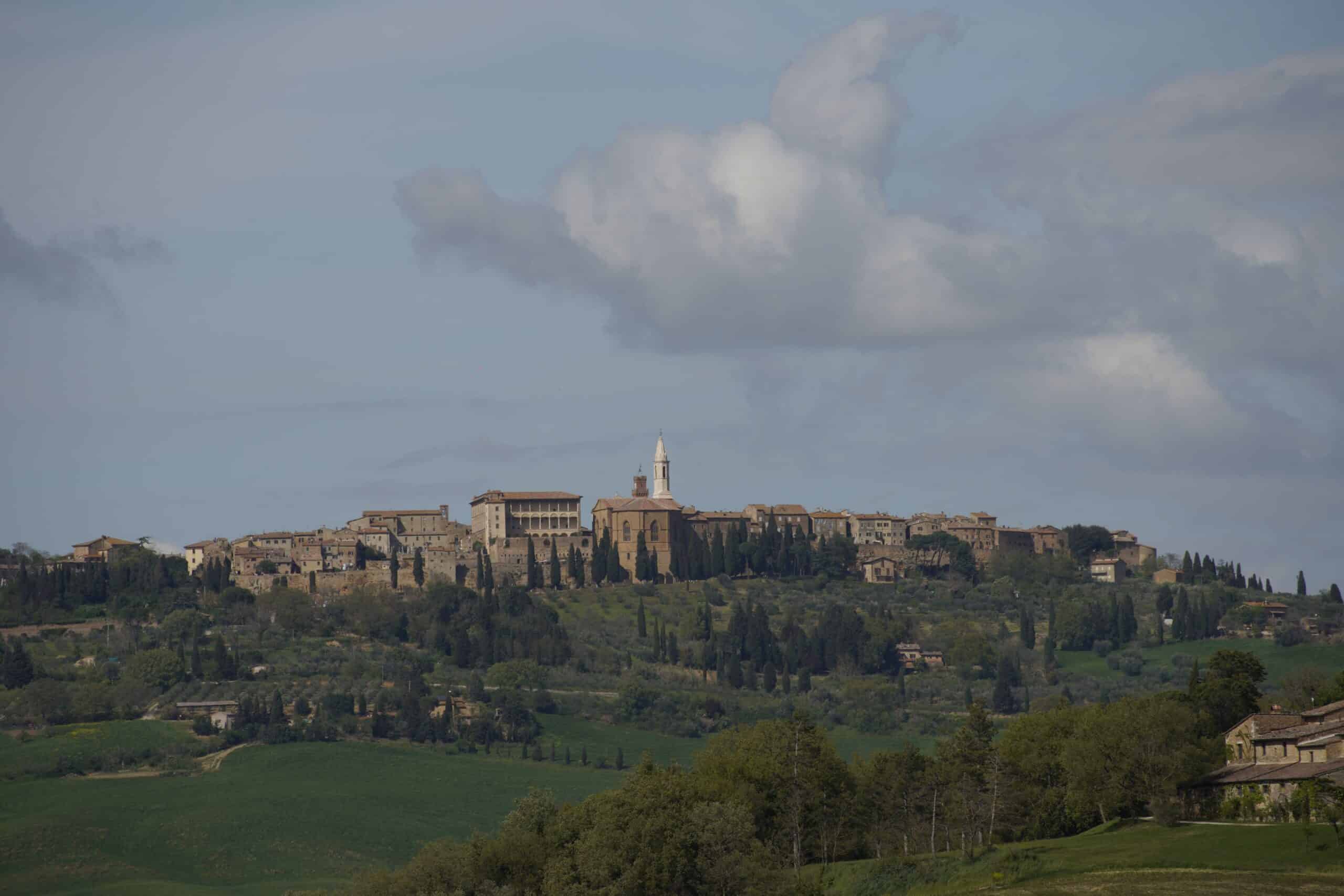
A Taste of Tuscany: Discovering the Culinary Traditions of Val d’Orcia
The Val d’Orcia region of Tuscany is a place where every detail tells a story. Rolling hills stretch beneath endless skies, cypress trees line winding roads, and centuries-old farmhouses sit quietly among vineyards and olive groves. But beyond its breathtaking scenery, this corner of southern Tuscany reveals something even more meaningful: a deep connection between the land and the food it produces.
Here, cuisine is not simply something enjoyed at the table. It is a reflection of history, geography, and generations of tradition. From handmade pecorino cheese crafted in small dairies to wines produced from vines rooted in ancient soil, the flavors of Val d’Orcia capture the essence of Tuscany itself.
For travelers looking to experience a more authentic side of Italy, Val d’Orcia offers a slower, more thoughtful way to discover the country — one shaped by farmers, artisans, and the rhythms of the seasons.
Why Val d’Orcia Is One of Tuscany’s Most Beloved Food Destinations
Located south of Siena, Val d’Orcia is recognized as one of Italy’s most beautiful landscapes. Its rolling hills, historic villages, and carefully preserved countryside earned it UNESCO World Heritage status, but its beauty extends far beyond what appears in photographs.
The region’s landscape and cuisine are deeply connected. The same hills that create Tuscany’s famous views also influence the flavors found throughout the area.
Sheep graze on open pastures, creating the rich milk used for pecorino cheese. Vineyards follow the natural curves of the land, producing wines shaped by the region’s unique climate and soil. Ancient olive trees continue to provide the foundation for some of Tuscany’s most prized extra virgin olive oils.
In Val d’Orcia, the landscape is not just something to admire — it is something you taste.
The Tradition Behind Tuscan Food
The culinary identity of Val d’Orcia comes from centuries of rural traditions. Historically, farming families relied on what the land provided, creating simple but deeply flavorful dishes using local ingredients.
Nothing was wasted. Bread became the foundation for dishes like ribollita, leftover ingredients were transformed into hearty meals, and seasonal products determined what appeared on the table.
During the Renaissance, nearby cities such as Siena helped expand trade throughout the region, but rural communities maintained their agricultural traditions. Families continued producing wine, olive oil, grains, and dairy products using techniques passed down through generations.
Today, these traditions remain alive. Many producers still work with the same patience and attention to detail that defined Tuscan agriculture centuries ago.
From Vineyards to Cheese: The Flavors of Val d’Orcia
One of the most rewarding parts of exploring Val d’Orcia is discovering how much history exists behind simple ingredients.
Pecorino Cheese
The town of Pienza is especially famous for pecorino, a sheep’s milk cheese that has become one of Tuscany’s most recognizable specialties.
The flavor changes depending on aging, season, and the quality of the pastures where the sheep graze. Visiting local producers reveals the craftsmanship behind every wheel of cheese — from the selection of milk to the careful aging process.
Tuscan Wine
Wine has shaped the identity of Val d’Orcia for generations. The region’s vineyards benefit from a unique combination of sunlight, elevation, and mineral-rich soil.
Many wineries remain family-owned, allowing visitors to see a more personal side of Tuscan winemaking. Behind every bottle is a story about the land, the harvest, and the people who care for it.
Extra Virgin Olive Oil
Olive oil is another essential part of Tuscan culture. Ancient olive trees cover the countryside, and many producers still harvest olives by hand before pressing them quickly to preserve freshness.
A simple piece of bread with fresh olive oil becomes something completely different when enjoyed at the source.
The Beauty of Slow Travel in Tuscany
Val d’Orcia is not a destination designed to be rushed.
Unlike larger Italian cities where travelers move quickly between famous landmarks, this region encourages a slower pace. The most memorable moments often happen unexpectedly — a conversation with a cheesemaker, a walk through a quiet village, or a glass of wine enjoyed while watching the sunset over the hills.
Villages such as Pienza, San Quirico d’Orcia, and Castiglione d’Orcia offer a glimpse into everyday Tuscan life. Their small streets, local shops, and historic architecture invite visitors to explore without a strict itinerary.
Here, travel becomes less about checking places off a list and more about understanding the character of a region.
The Best Time to Visit Val d’Orcia
Each season brings something unique to Tuscany’s countryside.
Spring transforms the landscape with wildflowers, green hills, and comfortable temperatures. It is an ideal time for walking through vineyards and exploring villages.
Summer brings long days and golden sunlight. Early mornings and evenings are especially beautiful, when temperatures are cooler and the countryside feels peaceful.
Autumn is one of the most celebrated seasons in Val d’Orcia. Grape harvest, olive harvest, and seasonal ingredients create a particularly rich culinary atmosphere.
Winter offers a quieter side of Tuscany. With fewer visitors, local producers often have more time for meaningful conversations, and cozy meals become the perfect way to experience the region.
A Local Perspective: Why Val d’Orcia Feels Different
Many travelers visit Tuscany for its famous landscapes, but what makes Val d’Orcia unforgettable is the connection between the scenery and daily life.
A vineyard is not simply a beautiful view — it represents generations of knowledge. A piece of cheese is not just a regional specialty — it reflects the animals, land, and traditions behind it. A meal is not just food — it is a story of place.
This connection is what makes Val d’Orcia so special.
Experience the Flavors of Val d’Orcia with Artviva
Exploring Val d’Orcia is about more than tasting exceptional food and wine — it is about understanding the traditions, people, and landscapes that make each flavor unique. With Artviva, travelers can discover this remarkable region through carefully curated encounters with local producers, family-run vineyards, artisan food makers, and hidden corners of the Tuscan countryside.
From sampling pecorino cheese in the villages where it has been perfected for generations to enjoying wines surrounded by the vineyards that created them, Artviva offers a deeper connection to Tuscany’s culinary heritage. Each experience is thoughtfully designed to showcase the authentic character of Val d’Orcia while allowing travelers to enjoy the region at a relaxed and meaningful pace.
Why Artviva Is Trusted
For over 25 years, Artviva has helped travelers experience Italy through authentic, locally connected journeys. Based in Florence since 1996, Artviva’s team combines deep regional knowledge with trusted relationships among artisans, chefs, winemakers, and cultural experts throughout Tuscany.
Rather than offering standard sightseeing, Artviva creates personalized experiences that highlight the stories behind Italy’s traditions. Their local expertise allows travelers to access genuine encounters and discover places that go beyond the typical tourist path, creating memorable connections with the people and landscapes that define Tuscany.
Discover the flavors, traditions, and breathtaking landscapes of Val d’Orcia with Artviva’s Gourmet Safari in Tuscany experience designed to reveal the authentic taste of Tuscany.