
Florence’s Fashion Legacy: How Gucci and Ferragamo Shaped Italian Style
Florence is celebrated as the birthplace of the Renaissance, yet its creative influence did not end with Michelangelo, Brunelleschi, or Botticelli. Centuries later, the city became the home of another artistic movement, one expressed not through marble or frescoes, but through leather, textiles, footwear, and exceptional craftsmanship.
Today, Florence remains one of Italy’s great fashion capitals because it has never separated design from artistry. The same commitment to precision, beauty, and skilled craftsmanship that defined the Renaissance continues to shape the city’s fashion houses and artisan workshops.
Among the names most closely connected to this legacy are Gucci and Salvatore Ferragamo.
Their museums tell stories that go far beyond clothing and accessories. They reveal how two Florentine fashion houses transformed local craftsmanship into internationally recognized symbols of Italian creativity while remaining deeply connected to the city where they began.
For travelers interested in fashion, history, or design, these museums offer an opportunity to understand Florence from an entirely different perspective.
Quick Answer: Why Visit Florence’s Gucci and Ferragamo Museums?
Florence’s Gucci and Ferragamo museums explore the history of two of Italy’s most influential fashion houses while showcasing the craftsmanship, innovation, and artistic traditions that helped shape modern Italian style. Together, they provide insight into Florence’s continuing role as a global center of fashion, design, and creativity.
History & Cultural Context
Florence’s relationship with fashion stretches back hundreds of years.
During the Middle Ages and Renaissance, the city became famous for its wool guilds, silk production, leatherworking, and goldsmithing. Skilled artisans developed techniques that earned Florence an international reputation for exceptional quality, laying the foundation for industries that continue to flourish today.
These traditions created an environment where craftsmanship was respected as both a profession and an art form.
When Guccio Gucci established his leather goods business in Florence in 1921, he built upon centuries of local expertise. His designs combined elegant Italian craftsmanship with inspiration drawn from international travel, eventually transforming a small Florentine workshop into one of the world’s most recognizable fashion houses.
Salvatore Ferragamo followed a different path.
After achieving success designing shoes for Hollywood’s biggest stars, Ferragamo chose Florence as the home for his growing business. Here, he combined artistic creativity with careful study of anatomy and engineering, producing footwear that balanced beauty, comfort, and technical innovation.
Although their stories are unique, both brands remain closely connected to Florence’s long tradition of craftsmanship.
Their museums reveal not only the evolution of fashion, but also the enduring values that continue to define Italian design.
Florence Beyond Renaissance Art
Many visitors come to Florence expecting to spend their time inside museums dedicated to Renaissance painting and sculpture.
Few realize that the city’s creative legacy extends well beyond the fifteenth century.
Fashion has become another language through which Florence expresses its identity.
Leather artisans continue working in neighborhood workshops.
Goldsmiths refine techniques passed down through generations.
Designers draw inspiration from the city’s architecture, history, and artistic traditions.
This continuity explains why Florence feels different from many fashion capitals.
Rather than chasing constant change, the city builds upon centuries of accumulated knowledge, allowing craftsmanship and innovation to develop side by side.
Many visitors only scratch the surface of Florence’s creative story.
The deeper story lies in understanding how today’s designers remain connected to traditions established hundreds of years ago.
Why It Matters Today
Fashion museums offer much more than displays of beautiful clothing and accessories.
They demonstrate how creativity evolves across generations while remaining rooted in local culture.
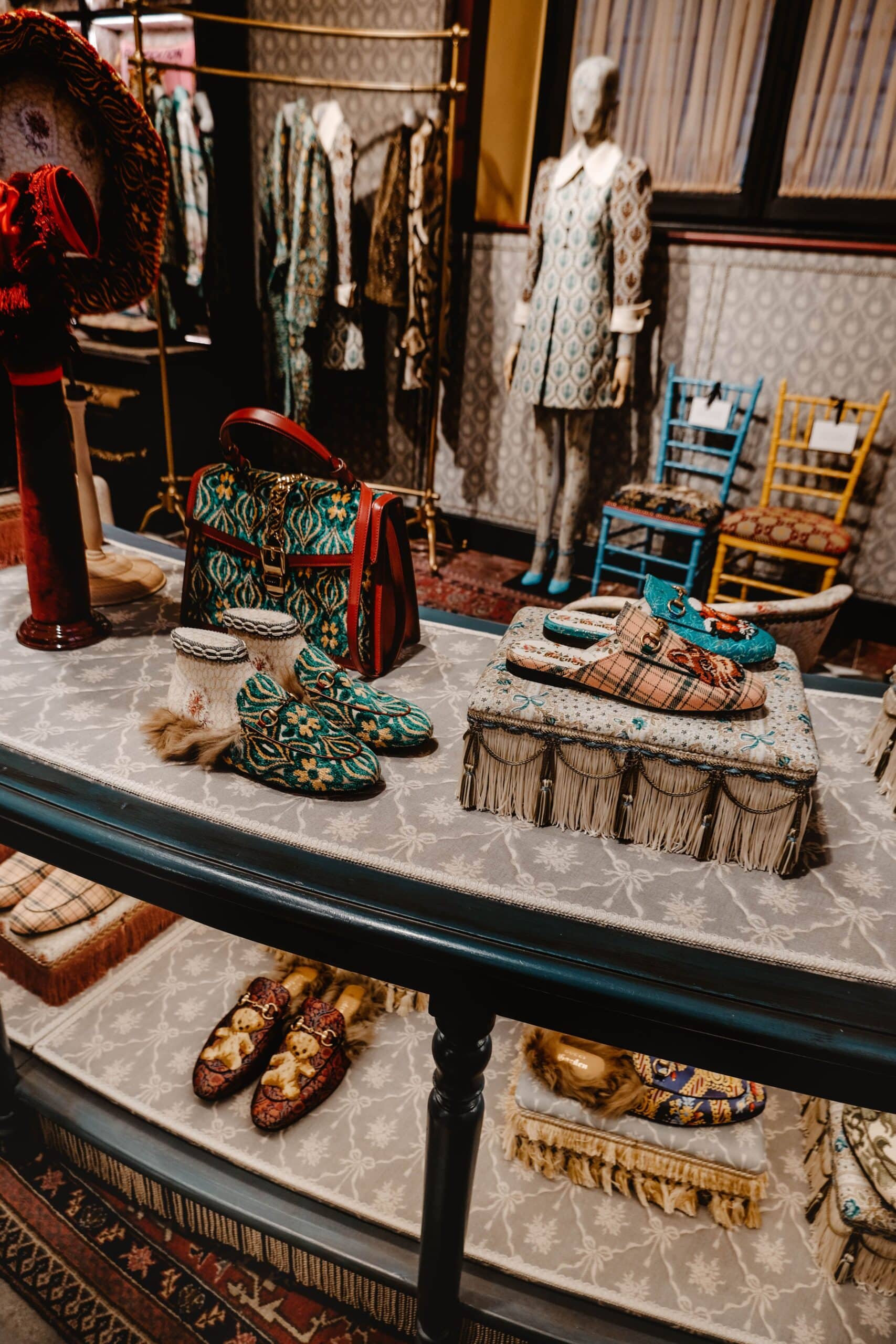
The Gucci and Ferragamo museums invite visitors to look beyond finished products and consider the ideas, experimentation, and craftsmanship behind every design. Sketches, prototypes, archival photographs, and carefully preserved collections reveal the creative process that transformed simple concepts into internationally recognized works of design.
For travelers, these museums also provide a broader understanding of Florence itself.
They show that the city’s greatest contribution has always been its ability to nurture exceptional craftsmanship, whether expressed through Renaissance sculpture, handmade leather goods, or innovative fashion design.
What most travelers never realize is that Florence’s artistic legacy did not end with the Renaissance.
It simply found new ways to inspire the world.
Local Expert Tip
Many visitors leave the museums and head directly to Florence’s busiest shopping streets, but local experts often recommend slowing down instead. Walk through the surrounding neighborhoods and notice the smaller workshops where leatherworkers, jewelers, and artisans continue practicing traditional techniques.
The museums tell the story of Florence’s fashion legacy. The streets around them show that legacy is still very much alive.
Experience It Firsthand
Visiting Florence’s fashion museums offers valuable insight into two of Italy’s most influential design houses, but exploring them with knowledgeable local experts adds another dimension to the experience.
Many visitors admire beautiful displays without fully understanding how Florence’s history of craftsmanship influenced every stage of their development. The deeper story lies in the relationship between Renaissance artistry, artisan traditions, luxury craftsmanship, and modern Italian fashion.
Artviva’s Florence Fashion Museums: Gucci & Ferragamo Experience brings these connections to life through engaging historical context and local insight. Rather than simply moving through museum galleries, travelers gain a richer appreciation for the designers, artisans, and creative traditions that continue to shape Florence today.
Learn more here:
Florence Fashion Museums Tour: Gucci & Ferragamo
Practical Travel Advice
Both museums are located within Florence’s historic center, making them easy to visit on foot alongside many of the city’s most significant cultural landmarks. Comfortable walking shoes are recommended, as the surrounding streets invite exploration well beyond the museum entrances.
If fashion and design are among your primary interests, consider allowing time between visits rather than rushing from one museum to the next. Stopping at a café or wandering nearby streets provides an opportunity to reflect on what you’ve seen while noticing how Florence’s artistic heritage continues beyond the exhibition spaces.
Advance reservations are recommended during the busiest travel seasons, particularly in spring and early autumn.
Seasonal Considerations
Spring
Spring offers pleasant temperatures and beautiful natural light, making it one of the best times to combine museum visits with leisurely walks through Florence’s artisan districts.
Summer
Summer brings lively streets and longer opening hours throughout much of the city. Visiting museums earlier in the day often provides a quieter and more comfortable experience.
Autumn
Autumn is an excellent season for travelers interested in fashion, culture, and architecture. Comfortable weather and a relaxed atmosphere encourage slower exploration of Florence’s creative neighborhoods.
Winter
Winter reveals a quieter side of Florence. With fewer visitors, museums often feel more intimate, allowing extra time to appreciate exhibitions and the craftsmanship behind each collection.
Frequently Asked Questions
Why are Gucci and Ferragamo connected to Florence?
Both fashion houses were founded or established their headquarters in Florence, where they drew upon the city’s long tradition of leatherworking, craftsmanship, and artistic excellence.
Are the Gucci and Ferragamo museums worth visiting?
Yes. They offer much more than fashion displays, exploring design history, innovation, craftsmanship, and the evolution of two internationally influential Italian brands.
Can I visit both museums in one day?
Yes. Their central locations make it easy to visit both during the same day while also exploring nearby historic streets, cafés, and artisan neighborhoods.
Is Florence important in the history of Italian fashion?
Absolutely. Florence has been a center of textile production, leatherworking, jewelry, and craftsmanship since the Renaissance, providing the foundation for many of Italy’s most celebrated fashion traditions.
Why do guided experiences enhance museum visits?
Knowledgeable local experts help connect museum collections with Florence’s broader artistic, cultural, and historical traditions, offering context that many visitors would otherwise miss.
Florence’s Fashion Story Continues Today
Florence’s contribution to fashion extends far beyond iconic logos and celebrated designers.
Its true legacy lies in the generations of artisans whose dedication to craftsmanship transformed local workshops into symbols of Italian excellence recognized around the world.
The Gucci and Ferragamo museums celebrate that journey while reminding visitors that Florence remains a city where creativity continues to evolve without losing sight of its past.
For travelers seeking a deeper understanding of Italian fashion, exploring these museums offers far more than a history lesson. It provides insight into the craftsmanship, innovation, and artistic vision that continue to define Florence today.
If you’d like to experience this remarkable story with knowledgeable local experts, discover Artviva’s Florence Fashion Museums: Gucci & Ferragamo Experience here:
Florence Fashion Museums Tour: Gucci & Ferragamo
Why Travel with Artviva
Since 1996, Artviva has introduced travelers to Italy through thoughtfully curated experiences that celebrate history, craftsmanship, and local culture. Guided by passionate local experts, each experience is designed to reveal the stories behind Italy’s most celebrated destinations while encouraging meaningful connections with the people and traditions that continue to shape them.
Whether exploring Renaissance masterpieces or the evolution of modern Italian fashion, Artviva believes the richest travel experiences begin with curiosity and grow through understanding.