
Handmade Pasta in Florence: Why Cooking Is One of Tuscany’s Greatest Traditions
Florence is often remembered for its Renaissance masterpieces, magnificent churches, and historic streets, yet some of its richest traditions are found far from museum galleries.
They begin in the kitchen.
Across Tuscany, handmade pasta remains one of the simplest and most meaningful expressions of family, hospitality, and local culture. Flour, eggs, fresh ingredients, and patient hands come together to create recipes that have been shared around kitchen tables for generations.
For visitors, learning to make pasta offers far more than a memorable meal.
It provides an opportunity to understand Florence through the traditions that continue to shape everyday life. Preparing fresh pasta by hand reveals the values that define Tuscan cooking: respect for seasonal ingredients, careful craftsmanship, and the belief that the best meals are meant to be shared.
Many travelers come to Florence to admire works of art.
Making pasta allows them to experience another form of Italian creativity that has been passed from one generation to the next.
Quick Answer: Why Take a Pasta Making Class in Florence?
A pasta making class in Florence introduces visitors to authentic Tuscan cooking through hands-on preparation of fresh pasta using traditional techniques. Along the way, participants learn about local ingredients, regional food traditions, and the cultural importance of gathering around the table, creating an experience that goes far beyond simply following a recipe.
History & Cultural Context
Handmade pasta has been part of Italian life for centuries, though each region developed its own traditions according to local ingredients and agricultural customs.
In Tuscany, cooking evolved around a philosophy of simplicity.
Rather than relying on elaborate sauces or expensive ingredients, Tuscan families learned to create deeply satisfying meals from flour, eggs, vegetables, olive oil, herbs, and whatever the season provided. Fresh pasta became an important part of this tradition because it transformed everyday ingredients into meals capable of bringing families together.
Preparing pasta was rarely an individual task.
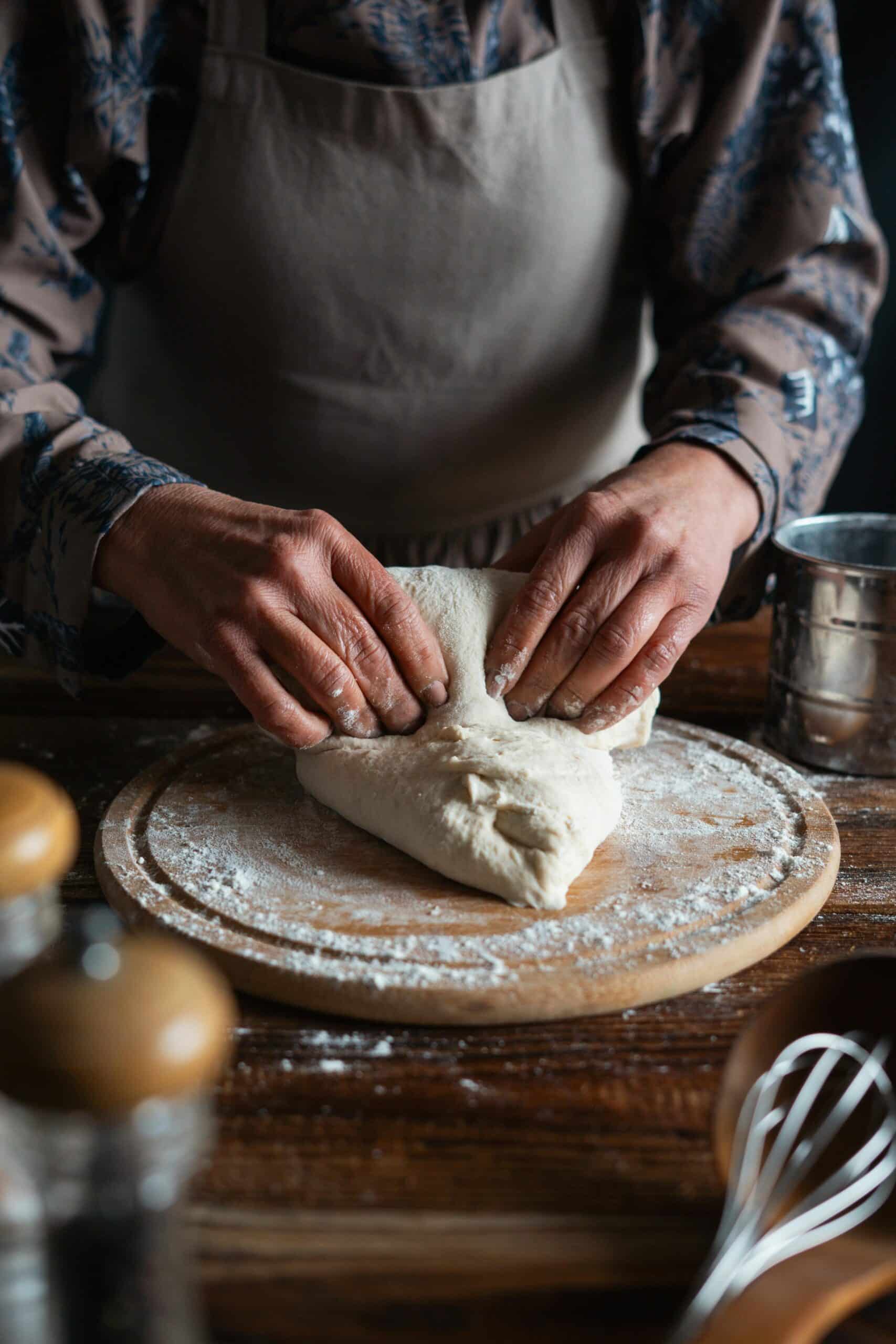
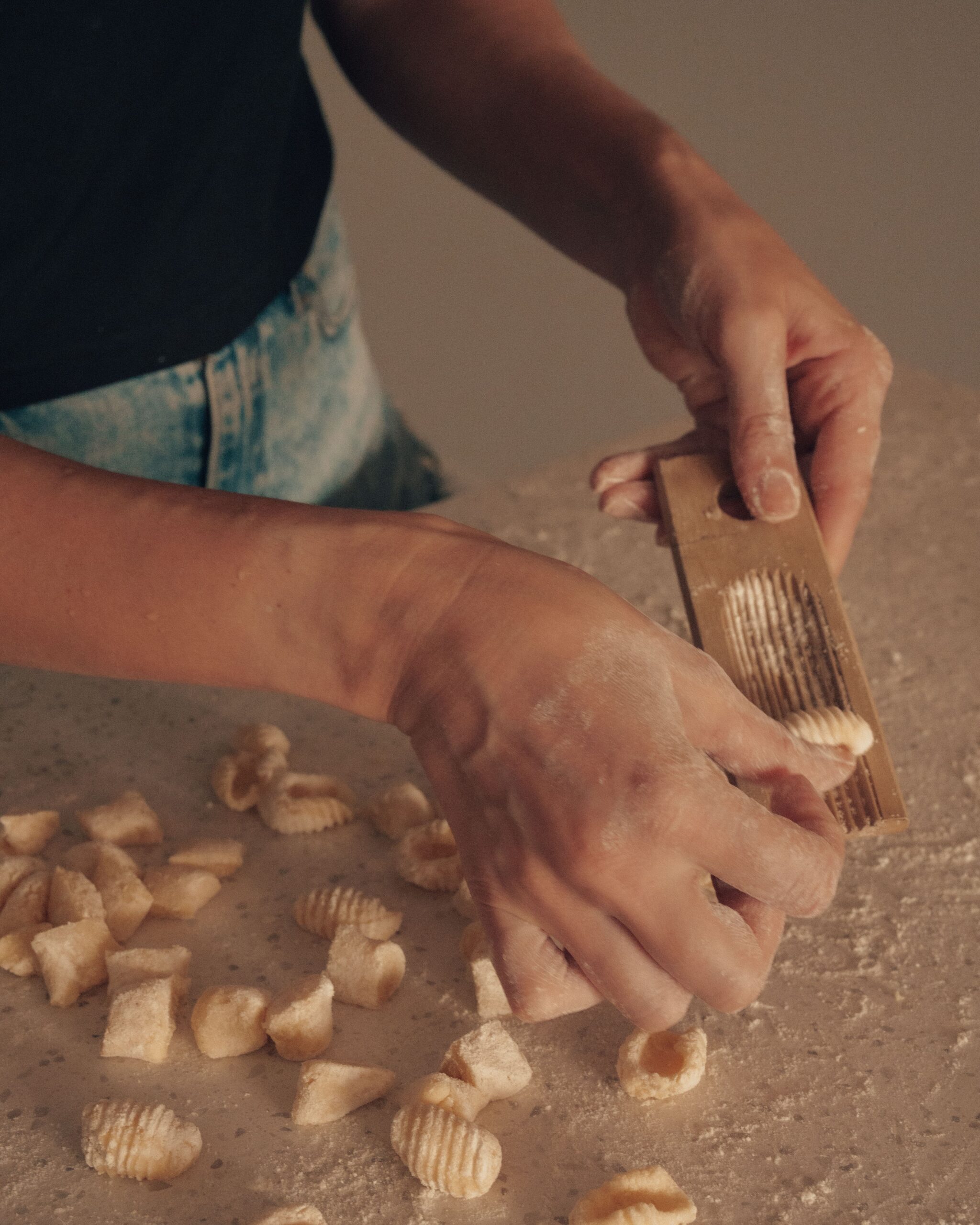
Family members often worked side by side, mixing dough, rolling sheets of pasta, and shaping each piece by hand while sharing stories, conversation, and recipes that were rarely written down.
These moments became just as important as the finished meal itself.
Although modern kitchens have changed many aspects of daily life, this tradition continues throughout Tuscany, where cooking remains one of the strongest expressions of family identity and regional culture.
More Than Learning a Recipe
Many visitors expect a cooking class to focus on measurements and techniques.
The deeper story lies in learning how Italians think about food.
Experienced Tuscan cooks rarely rely entirely on written recipes. They observe the texture of the dough, adjust ingredients according to humidity and temperature, and taste continuously throughout the cooking process.
This approach reflects generations of practical experience rather than strict precision.
Many visitors only scratch the surface of Tuscan cuisine because they experience it from restaurant tables alone.
Preparing fresh pasta by hand reveals the patience, craftsmanship, and intuition behind dishes that often appear beautifully simple.
What most travelers never realize is that even the smallest details, from kneading the dough to shaping each piece of pasta, reflect traditions that have remained remarkably consistent across generations.
Why It Matters Today
As travelers increasingly seek authentic cultural experiences, cooking has become one of the most rewarding ways to connect with a destination.
Learning to make fresh pasta encourages visitors to slow down, work with seasonal ingredients, and appreciate the everyday traditions that continue to define Tuscan life.
The experience also creates something lasting.
Long after returning home, many travelers recreate the recipes they learned in Florence, bringing with them not only new cooking skills but also memories of shared meals, local hospitality, and a deeper understanding of Italian culture.
Rather than simply tasting Tuscany, they become active participants in one of its most enduring traditions.
Local Expert Tip
Many visitors concentrate on perfecting the final dish, but local chefs often say the most important lesson happens long before the pasta reaches the pot.
Pay attention to how the dough feels beneath your hands. Notice how experienced cooks adjust the texture without measuring every ingredient. In Tuscany, cooking has always relied as much on observation and instinct as it has on recipes.
These small techniques are often what travelers remember long after they return home.
Experience It Firsthand
Reading about Tuscan cuisine is inspiring, but preparing fresh pasta alongside knowledgeable local chefs offers a much richer understanding of Florence’s culinary traditions.
Many visitors enjoy handmade pasta throughout Italy without realizing how deeply these recipes are connected to family life, regional agriculture, and centuries of local culture. Working in the kitchen reveals the patience, craftsmanship, and hospitality behind dishes that have been shared around Tuscan tables for generations.
Artviva’s Pasta Making Class in Florence invites travelers to experience this tradition firsthand through hands-on instruction, seasonal ingredients, and thoughtful local guidance. Rather than simply following a recipe, participants discover the stories, techniques, and customs that continue to shape everyday cooking in Tuscany.
Learn more here:
Private Pasta Making Cooking Class in Florence
Practical Travel Advice
Wear comfortable clothing suitable for cooking, and avoid scheduling another large meal immediately afterward. The shared meal is an important part of the overall experience and deserves time to enjoy.
If possible, take your cooking experience early in your visit. Understanding traditional Tuscan ingredients and cooking techniques often makes restaurant meals and market visits throughout Florence even more rewarding.
Above all, come with curiosity rather than concern about your cooking ability. Whether you cook regularly or have never made fresh pasta before, the experience is designed to be enjoyable for every skill level.
Seasonal Considerations
Spring
Spring brings tender vegetables, fragrant herbs, and bright seasonal flavors. It is an ideal season to experience the freshness that defines Tuscan cooking.
Summer
Summer celebrates ripe tomatoes, basil, zucchini, and other ingredients at their peak. Morning classes are often especially enjoyable before the afternoon warmth arrives.
Autumn
Autumn is one of Tuscany’s richest culinary seasons, with mushrooms, truffles, squash, and harvest ingredients inspiring many traditional recipes.
Winter
Winter showcases hearty sauces, comforting soups, and classic family dishes that reflect the warmth and hospitality of Tuscan home cooking.
Frequently Asked Questions
Is a pasta making class suitable for beginners?
Yes. Most experiences welcome participants of every skill level and focus on teaching traditional techniques in a relaxed, supportive environment.
What types of pasta are commonly made in Tuscany?
Fresh pasta varieties often include tagliatelle, pappardelle, ravioli, and other regional shapes prepared using seasonal ingredients and traditional recipes.
Do I get to eat the pasta I make?
Yes. Guests typically enjoy the meal they prepare together, creating one of the most memorable parts of the experience.
Why is handmade pasta important in Tuscany?
Fresh pasta reflects generations of family traditions, regional ingredients, and a philosophy of cooking that values simplicity, craftsmanship, and sharing meals together.
Why does a cooking experience provide a deeper understanding of Florence?
Preparing traditional dishes introduces visitors to local customs, seasonal ingredients, and everyday family life, offering cultural insight that extends beyond restaurants and sightseeing.
Some of Florence’s Greatest Traditions Begin Around the Table
Florence has inspired artists, architects, and thinkers for centuries, but its kitchens tell equally meaningful stories.
Preparing fresh pasta by hand offers a connection to the city’s everyday culture, revealing traditions that have been preserved through generations of family meals, shared recipes, and simple ingredients transformed through care and experience.
Long after your visit ends, the techniques you learn and the memories created around the table continue to bring a small part of Tuscany home.
If you’d like to discover Florence through its culinary traditions, learn more about Artviva’s Pasta Making Class in Florence here:
Private Pasta Making Cooking Class in Florence
Why Travel with Artviva
Since 1996, Artviva has introduced travelers to Italy through experiences rooted in authentic local culture, meaningful storytelling, and genuine human connection. Working alongside talented local chefs, artisans, and cultural experts, Artviva creates opportunities for visitors to experience Italy not simply as spectators, but as active participants in its traditions.
Whether discovering Florence through its food, history, or artistic heritage, every experience is designed to create lasting memories and a deeper appreciation for the people and traditions that continue to shape Italy today.