
Best of Pitti Palace: Discover Florence’s Royal Residence and Artistic Legacy
Florence is a city where art, history, and power have shaped every street corner. While many visitors admire the masterpieces of the Renaissance throughout the city, the Best of Pitti Palace reveals a more intimate side of Florence’s artistic heritage. Behind the grand walls of this former royal residence lies a world of magnificent paintings, decorated apartments, and stories that uncover how Florence’s most influential families lived.
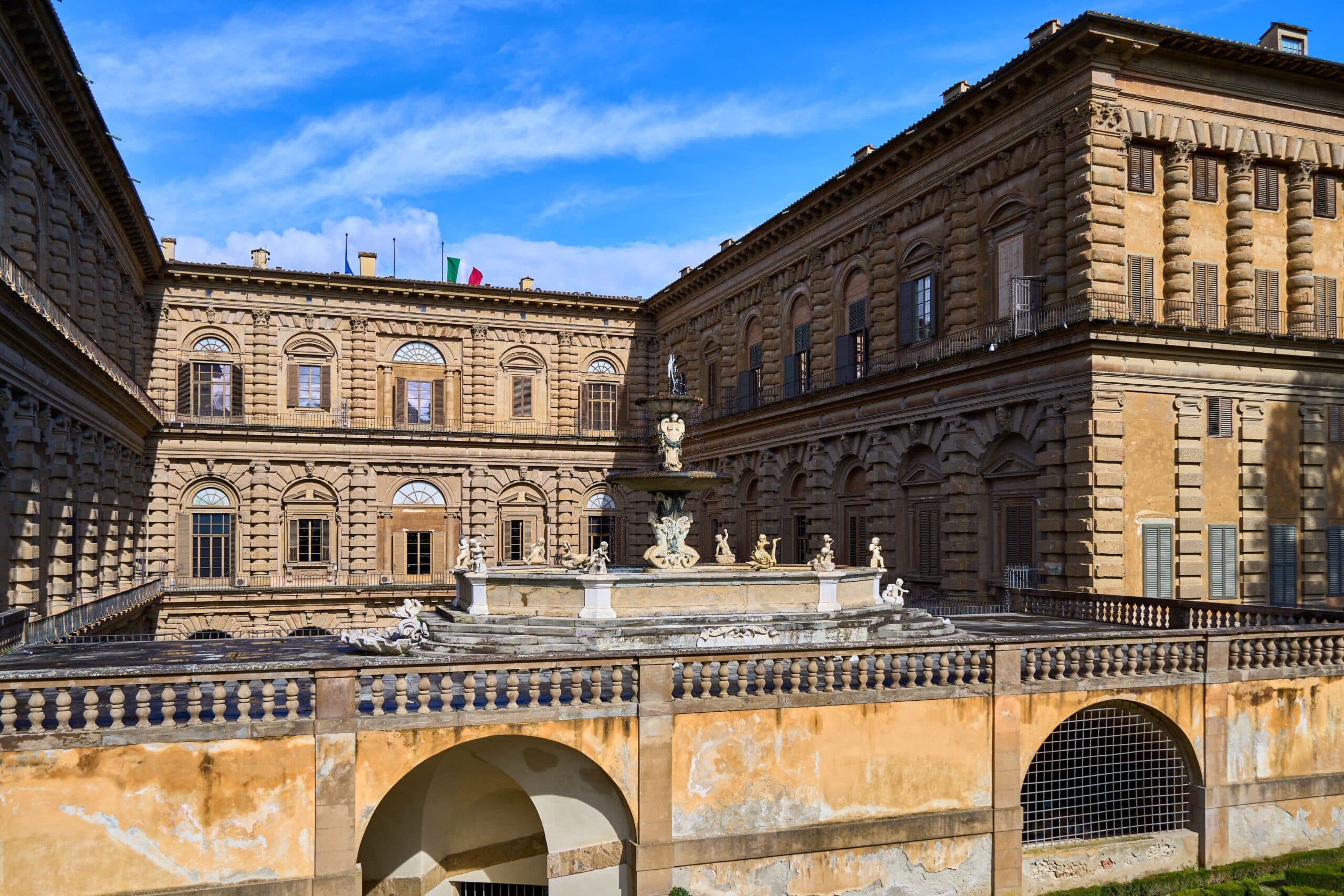
Located on the southern side of the Arno River, the Pitti Palace stands as one of Florence’s most impressive cultural landmarks. Once the residence of the Medici family and later home to Italy’s first king, the palace reflects centuries of ambition, creativity, and transformation.
Inside its elegant rooms, visitors discover works by Raphael, Titian, Caravaggio, Rubens, and other masters while learning how art shaped the identity of Florence’s rulers.
Exploring the Pitti Palace offers a deeper understanding of the city’s history, revealing not only the beauty of the artwork but also the stories of the people who collected and preserved it.
Why the Best of Pitti Palace Reveals a Different Side of Florence
Florence is often celebrated as the birthplace of the Renaissance, but understanding the city requires looking beyond individual masterpieces. The Pitti Palace provides a glimpse into the private world of Florence’s ruling families and the role art played in their daily lives.
Unlike a traditional gallery where paintings are separated into simple displays, the Palatine Gallery presents artwork throughout grand rooms once used for royal gatherings and private moments. The setting itself becomes part of the collection.
Each room tells a story. The arrangement of paintings reflects the tastes of powerful collectors. The decorated ceilings reveal the importance of symbolism and tradition. The architecture demonstrates how Florence’s elite used design to express influence.
A visit to the Pitti Palace allows travelers to understand the connection between art, politics, and personal identity during one of history’s most fascinating periods.
The Palatine Gallery: A Treasure of Renaissance Masterpieces
The Palatine Gallery houses one of Florence’s most remarkable collections of Renaissance and Baroque artwork. Located within the palace’s former royal apartments, the gallery surrounds visitors with paintings displayed in the same environment where rulers once lived.
Rather than focusing only on dates and names, understanding the stories behind these works reveals why they continue to inspire generations.
Raphael: The Beauty of Harmony and Human Emotion
Raphael’s paintings represent the balance and elegance that defined High Renaissance art. His ability to portray emotion, movement, and human connection made him one of the most admired artists in history.
Among the gallery’s highlights is Raphael’s Madonna della Seggiola, known for its intimate composition and remarkable attention to human expression.
The painting reflects Raphael’s ability to transform a traditional religious subject into a deeply personal moment.
Titian: The Power of Color
Titian changed the way artists approached color, texture, and emotion. His paintings demonstrate a remarkable ability to capture personality and atmosphere through rich tones and expressive brushwork.
Standing before a Titian painting allows visitors to appreciate the details that collectors valued for centuries, from the movement of fabric to subtle expressions.
Caravaggio: Drama Through Light and Shadow
Caravaggio brought a new level of realism and intensity to European painting. His dramatic use of contrast between light and darkness created scenes filled with emotion and movement.
His works continue to fascinate viewers because they feel immediate and human, connecting centuries-old stories with modern audiences.
Other Artistic Masters
The Pitti Palace also includes important works by Giorgione, Rubens, and other influential artists whose contributions shaped European art.
Together, these collections demonstrate Florence’s role as a meeting point for creativity, innovation, and cultural exchange.
History & Cultural Context: The Medici Legacy Inside the Pitti Palace
The story of the Pitti Palace is closely connected to the Medici family, one of the most influential families in European history.
Originally commissioned in the 15th century by banker Luca Pitti, the palace later became part of the Medici family’s vast collection of residences and properties. The Medici transformed the building into a symbol of their influence, filling it with artwork that reflected their intellectual interests and political power.
For the Medici, collecting art was about more than decoration. Paintings, sculptures, and architecture communicated education, wealth, and cultural leadership.
The palace continued to evolve beyond the Renaissance period. During Florence’s time as the capital of Italy in the 19th century, the Pitti Palace became the residence of King Vittorio Emanuele II.
This unique history allows visitors to experience multiple chapters of Florence’s story within one location.
Beyond the Renaissance: The Gallery of Modern Art
Although Florence is famous for Renaissance masterpieces, the city’s artistic story continued long after Michelangelo and Leonardo da Vinci.
The Gallery of Modern Art inside the Pitti Palace introduces visitors to Italian creativity from the late 18th through the early 20th centuries. The collection highlights changing artistic styles and reflects Tuscany’s evolving cultural identity.
Visitors can discover landscapes, portraits, and works influenced by changing ideas about nature, society, and modern life.
This collection creates an interesting contrast with the Renaissance rooms below, showing how Florence continued to inspire artists across generations.
Quick Guide: What Makes the Pitti Palace Special?
The Pitti Palace offers visitors the opportunity to discover:
- One of Florence’s most important royal residences
- Renaissance masterpieces by Raphael, Titian, and Caravaggio
- The private world of the Medici family
- Historic rooms filled with artistic and architectural details
- The evolution of Italian art beyond the Renaissance
The palace is ideal for travelers who appreciate history, architecture, and the stories behind famous works of art.
Who Will Appreciate the Pitti Palace Most?
The Pitti Palace appeals to travelers who want to understand Florence beyond its most photographed landmarks.
Art lovers will appreciate the opportunity to view important masterpieces in a historic setting. Couples often enjoy the palace’s elegant atmosphere and connection to Florence’s romantic history. Families with older children can use the stories of the Medici family to make the city’s past feel more personal.
For travelers interested in Italian culture, the Pitti Palace provides a meaningful connection to the people, traditions, and artistic achievements that shaped Florence.
Local Expert Tip: Visiting the Pitti Palace Like a Florentine
The best way to appreciate the Pitti Palace is to slow down and notice the details.
Many visitors focus only on famous paintings, but the palace itself tells an important story. Look upward at the decorated ceilings, notice the furniture and room designs, and imagine how these spaces functioned as part of daily royal life.
Morning visits often provide a calmer atmosphere, especially during Florence’s busiest seasons. Spring and autumn are particularly enjoyable times to explore the palace because the city’s temperatures are comfortable for walking afterward.
After visiting, take time to explore the Oltrarno neighborhood. This side of Florence is known for artisan workshops, traditional cafés, and a quieter atmosphere compared with the city’s busiest streets.
Frequently Asked Questions About the Pitti Palace
What is the Pitti Palace famous for?
The Pitti Palace is famous for its Renaissance artwork, Medici history, royal apartments, and collections featuring artists such as Raphael, Titian, and Caravaggio.
Is the Pitti Palace worth visiting in Florence?
Yes. The palace provides a deeper look into Florence’s history by combining world-class artwork with the story of the families who shaped the city.
How long should you spend at the Pitti Palace?
Most visitors benefit from spending several hours exploring the galleries, historic rooms, and surrounding areas.
What artwork can you see inside the Pitti Palace?
The collection includes works by Raphael, Titian, Caravaggio, Rubens, Giorgione, and many other influential European artists.
Can you visit the Boboli Gardens after the Pitti Palace?
Yes. The Boboli Gardens are located behind the palace and provide a beautiful continuation of the visit with historic pathways, sculptures, and views over Florence.
Discover Florence’s Artistic Heritage With Artviva
Understanding Florence means understanding the stories behind its masterpieces. Artviva has helped travelers connect with Italy’s culture, history, and traditions since 1996.
Based in Florence, Artviva’s local specialists bring decades of knowledge and personal connection to the city. Their approach focuses on meaningful storytelling, historical context, and creating a deeper appreciation for Italy’s artistic treasures.
From Renaissance collections to hidden corners of Florence, Artviva helps travelers see the city through the perspective of those who know it best.
Plan Your Visit to the Pitti Palace
The Pitti Palace offers one of Florence’s most fascinating journeys through art, history, and royal life. Every room reveals another layer of the city’s identity, from Medici ambition to Italy’s evolving artistic traditions.
For travelers seeking a more meaningful way to discover Florence, connecting with local experts can transform a museum visit into a story that stays with you long after you leave.
Contact Artviva to plan your personalized visit to the Pitti Palace and discover Florence through the eyes of local specialists.
Discover Florence Through Local Expertise
Artviva has been creating authentic Italian cultural journeys since 1996, specializing in private museum visits, historical discoveries, and personalized explorations throughout Italy.
Our team includes experienced local guides, destination specialists, and knowledgeable cultural professionals committed to providing accurate historical interpretation and exceptional service.
With decades of experience based in Florence and strong relationships throughout Italy, Artviva is highly qualified to introduce travelers to the country’s artistic heritage, traditions, and stories through expertly guided cultural visits.
Step inside the Pitti Palace with an Artviva private guided visit on the The Best of the Pitti Palace Tour and uncover the Medici stories, Renaissance masterpieces, and royal traditions that shaped Florence’s cultural legacy.