
Murano Glass in Venice: The Art of Venetian Glassmaking
Few places in the world are as closely connected to a single craft as Murano is to glassmaking. Just across the Venetian Lagoon, this small island has spent centuries transforming fire, sand, and imagination into works of art admired across the globe. Today, Murano glass in Venice remains one of Italy’s most celebrated artistic traditions, attracting travelers who want to understand not only the finished masterpieces but also the remarkable skill behind them.
Every handcrafted vase, chandelier, sculpture, and delicate ornament tells a story of patience, precision, and generations of knowledge. While Venice is famous for its canals, architecture, and historic squares, Murano offers something equally memorable: a chance to witness a living tradition that has shaped Venetian culture for more than 700 years.
For travelers interested in authentic Italian craftsmanship, few experiences offer a deeper appreciation of Venice than discovering the people who continue this extraordinary art today.
Why Murano Became the Heart of Venetian Glassmaking
Murano’s connection to glass dates back to the late 13th century, when the Venetian Republic ordered its glassmakers to relocate their furnaces from Venice to the nearby island.
The decision was partly practical. Glass furnaces generated intense heat, creating a significant fire risk among Venice’s densely packed wooden buildings.
Moving the workshops to Murano protected the city while creating a dedicated center for glass production.
Over time, something remarkable happened.
Murano became the world’s leading destination for artistic glassmaking. Skilled craftsmen refined techniques that allowed them to create crystal-clear glass, brilliant colors, intricate decorative patterns, and elegant forms unlike anything produced elsewhere.
Their work became so valuable that Venetian authorities protected the industry carefully. Glassmakers enjoyed respected social status, yet they were also forbidden from revealing their techniques outside the Republic.
This combination of creativity and secrecy helped establish Murano’s international reputation, one that continues today.
How Murano Glass Is Made
Watching molten glass transform into elegant works of art feels almost magical, yet every movement follows centuries of tradition.
The process begins inside a furnace where silica sand, minerals, and other natural materials melt at temperatures exceeding 1,000 degrees Celsius.
Using a long blowpipe, the master glassmaker gathers molten glass before carefully shaping it through breath, gravity, wooden tools, and precise hand movements.
Timing is everything.
The glass remains workable for only a short period before cooling, requiring extraordinary coordination and experience.
Color is introduced using carefully selected minerals. Gold creates ruby tones, cobalt produces brilliant blues, and copper contributes shades of green.
Each finished object reflects countless decisions made within minutes, combining technical expertise with artistic vision.
No two handmade Murano pieces are ever completely identical.
The Families Behind Venice’s Most Famous Craft
One of the most remarkable aspects of Murano glass is the people who preserve it.
Many workshops remain family owned, passing knowledge from one generation to the next through years of apprenticeship.
Children often grow up surrounded by furnaces, tools, and conversations about technique, gradually learning the discipline required to become master glassmakers themselves.
Some families trace their involvement in Murano’s glass industry back hundreds of years.
This continuity gives every handmade piece a deeper meaning.
Rather than simply purchasing a decorative object, collectors bring home part of a living artistic tradition that continues to evolve while honoring its remarkable past.
History & Cultural Context: Why Murano Glass Became Famous Around the World
During the Renaissance, Venetian merchants carried Murano glass throughout Europe, introducing royal courts and wealthy collectors to its remarkable beauty.
Its clarity, vibrant colors, and innovative designs quickly became symbols of refinement.
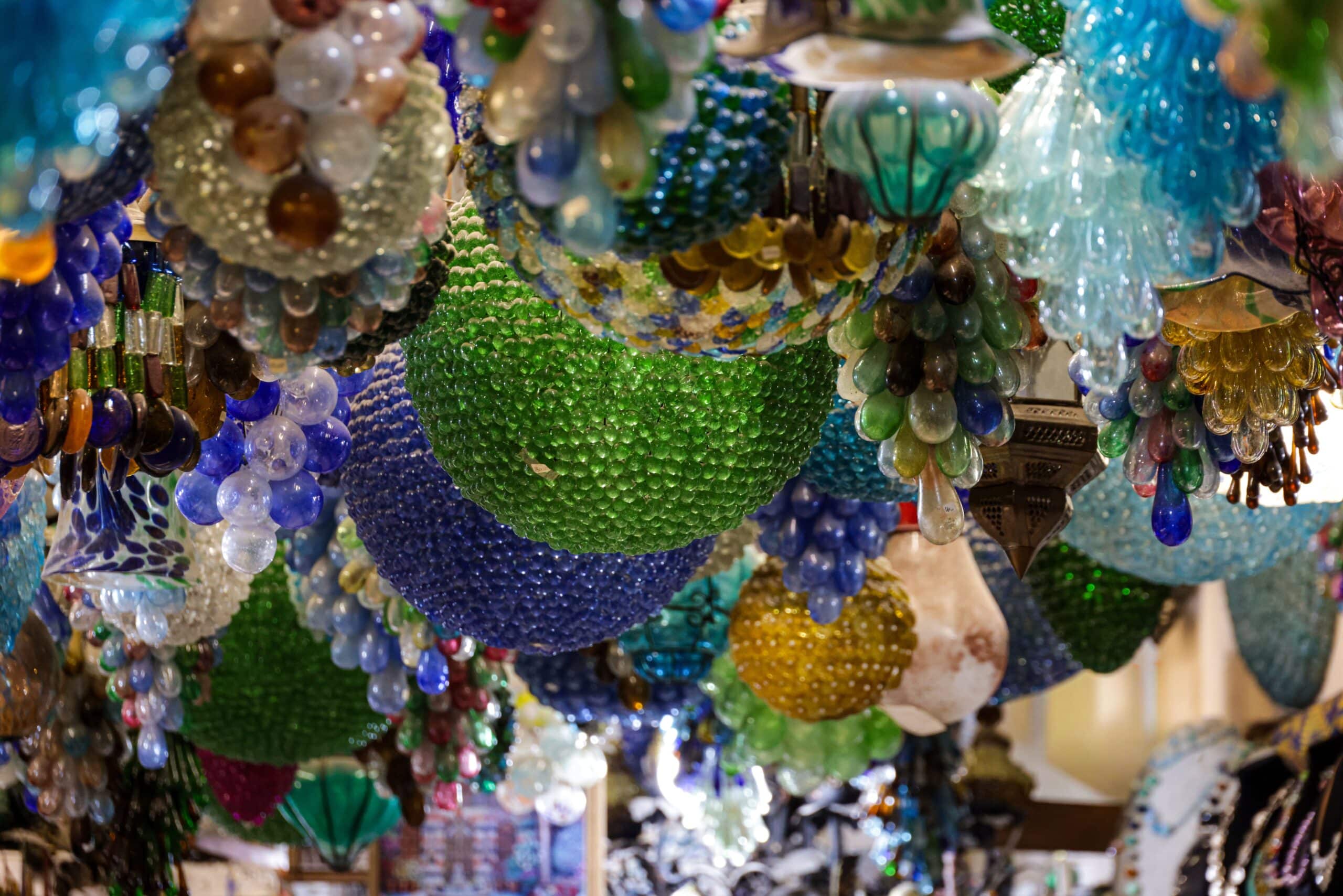
Murano artisans pioneered techniques such as crystalline glass, enamel decoration, millefiori patterns, and intricate filigree work that continue to define the industry today.
These innovations helped establish Venice as one of Europe’s leading artistic and commercial centers.
Today, authentic Murano glass remains protected through traditional production methods that distinguish genuine handmade works from mass-produced imitations.
The island’s workshops continue balancing centuries-old craftsmanship with contemporary artistic expression.
What Makes Authentic Murano Glass Different?
Visitors often wonder how authentic Murano glass differs from factory-made souvenirs.
The answer lies in craftsmanship.
Every genuine Murano creation begins with raw materials shaped entirely by hand. Master artisans rely on experience rather than machines, adjusting each movement according to temperature, texture, and timing.
Small variations become part of the object’s character.
Air bubbles, subtle differences in shape, and unique patterns remind collectors that each piece was created individually rather than manufactured on an assembly line.
Authenticity also comes from heritage.
Many Murano workshops continue techniques developed over generations, preserving artistic traditions that cannot be replicated through mass production.
Why Watching Glassmakers at Work Changes Everything
Seeing finished Murano glass in a gallery is impressive.
Watching it take shape inside an active workshop offers a completely different perspective.
The intense heat of the furnace, the glowing orange glass, the speed of each movement, and the quiet coordination between artisans reveal the extraordinary skill behind every creation.
Within moments, molten glass begins transforming into elegant bowls, graceful sculptures, or delicate animals.
The process often leaves visitors with a new appreciation for both the artistry and discipline required to master the craft.
Understanding how much knowledge exists behind each object makes every finished piece feel even more meaningful.
Local Expert Tip: Buy Directly from Murano’s Artisans
If you hope to bring home authentic Murano glass, purchase directly from established workshops whenever possible.
Reputable artisans are happy to explain their techniques, discuss the inspiration behind individual pieces, and provide certificates of authenticity when appropriate.
Visiting a working furnace also helps travelers recognize the difference between genuine Murano craftsmanship and imported imitations commonly found throughout tourist areas.
The story behind a handmade piece often becomes just as valuable as the object itself.
Frequently Asked Questions About Murano Glass in Venice
What is Murano glass?
Murano glass is handmade artistic glass created on the island of Murano near Venice using traditional techniques that have been preserved for centuries.
Why is Murano famous for glassmaking?
Murano became Venice’s official glassmaking center in 1291 after glass furnaces were moved from the city. Over time, its artisans developed techniques that earned worldwide recognition.
Is all Murano glass handmade?
Authentic Murano glass is traditionally handmade by skilled artisans using methods passed down through generations.
Can you visit Murano glass workshops?
Yes. Many historic workshops welcome visitors who want to learn about the glassmaking process and observe artisans at work.
How can you tell if Murano glass is authentic?
Authentic Murano glass is produced on Murano by skilled artisans using traditional techniques. Purchasing directly from established workshops helps ensure authenticity.
Why Travelers Trust Artviva
Since 1996, Artviva has introduced travelers to Italy through meaningful cultural experiences built on trusted local relationships and genuine expertise.
Our connections with Murano’s respected artisan families allow visitors to discover Venice beyond its famous landmarks. Rather than simply viewing beautiful objects in a gallery, travelers gain insight into the traditions, techniques, and generations of craftsmanship that continue shaping Murano’s artistic identity.
By working closely with local experts, Artviva creates opportunities to experience Italy through the people who preserve its cultural heritage every day.
Discover the Living Tradition of Murano
Murano’s glassmakers continue proving that true craftsmanship cannot be rushed.
Every glowing furnace, every careful movement, and every finished piece reflects centuries of knowledge passed from one generation to the next.
For travelers seeking a deeper understanding of Venice, discovering Murano offers an unforgettable connection to one of Italy’s most remarkable artistic traditions.
Step into Artviva’s Venetian Glass Masters: Artisan Workshop Visit, where master artisans continue a tradition that has inspired the world for more than seven centuries.