
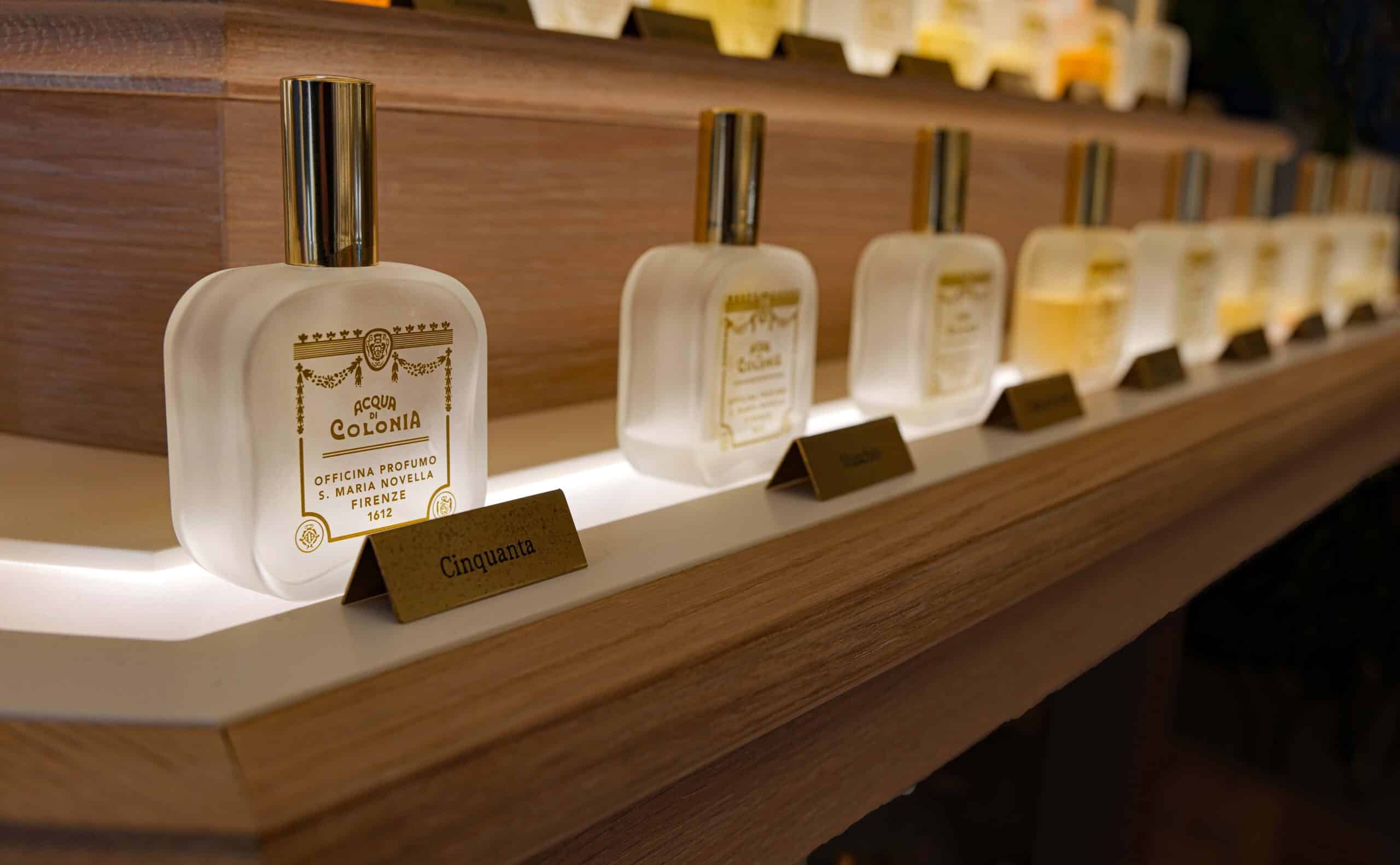
The History of Perfume in Florence: A Renaissance Tradition
Few cities have influenced art, fashion, and craftsmanship as profoundly as Florence. While the city is celebrated for its Renaissance masterpieces and architectural wonders, another tradition has quietly shaped its cultural identity for centuries: the art of perfume. Long before modern fragrance houses appeared across Europe, Florentine apothecaries, botanists, and master perfumers experimented with flowers, herbs, spices, and essential oils to create scents that reflected both science and beauty.
Today, perfume in Florence remains deeply connected to the city’s history. Walking through its historic streets, you’ll find elegant perfumeries tucked inside centuries-old buildings, fragrant botanical gardens, and workshops where traditional techniques continue to inspire modern artisans. Every fragrance tells a story, carrying with it the essence of Tuscany’s landscapes and Florence’s enduring spirit of creativity.
Whether you’re fascinated by history, appreciate fine craftsmanship, or simply enjoy discovering authentic Italian traditions, Florence offers a remarkable journey into the world of fragrance.
Why Florence Became the Birthplace of Italian Perfumery
Florence’s reputation as a center for perfume dates back to the Renaissance, when the city became a hub for innovation in art, medicine, and natural science.
The city’s apothecaries were among Europe’s most respected. They blended medicinal remedies, aromatic oils, herbal extracts, and botanical ingredients using knowledge passed down through generations. Over time, these practical preparations evolved into refined fragrances sought after by noble families across Italy and beyond.
One of the most influential figures in Florence’s perfume history was Catherine de’ Medici. When she married the future King Henry II of France in 1533, she brought her personal perfumer, René le Florentin, to the French court. Historians often credit this cultural exchange with helping establish perfume as an essential part of French aristocratic life.
Although France eventually became synonymous with perfume, many of its earliest inspirations traced their origins back to Florence.
The Ingredients That Define Florentine Fragrance
Florence’s surrounding countryside has always provided an extraordinary palette of natural ingredients.
The rolling hills of Tuscany produce fragrant lavender, rosemary, sage, iris, jasmine, citrus fruits, and wild herbs that have been incorporated into perfumes for centuries.
Each ingredient contributes its own personality.
Fresh bergamot creates brightness. Tuscan iris offers a soft, powdery elegance. Citrus blossoms introduce freshness, while amber, sandalwood, and cedar provide warmth and depth.
These natural aromas reflect the landscapes surrounding Florence, allowing each fragrance to capture a small piece of Tuscany itself.
Many traditional perfumers continue to favor carefully sourced botanical ingredients, preserving techniques that celebrate quality over mass production.
How Perfume Is Created
Every memorable fragrance begins with balance.
Perfumers structure scents using three distinct layers known as top notes, heart notes, and base notes.
Top Notes
These are the first aromas you notice.
Often fresh and vibrant, they include citrus fruits, herbs, and light florals that create an immediate impression before gradually fading.
Heart Notes
As the top notes soften, the heart of the fragrance begins to emerge.
Rose, jasmine, lavender, iris, and spices often provide the personality that defines the perfume.
Base Notes
Finally, deeper ingredients such as sandalwood, vanilla, amber, patchouli, or musk create lasting warmth and help the fragrance remain on the skin for hours.
Master perfumers carefully adjust each layer until the composition feels balanced and harmonious.
The process combines artistic intuition with scientific precision, making perfume one of Florence’s most fascinating creative traditions.
History & Cultural Context: Fragrance in Renaissance Florence
During the Renaissance, perfume served purposes beyond personal style.
People believed pleasant aromas promoted health by masking unpleasant smells that were thought to spread disease. Wealthy families scented gloves, clothing, linens, and even handwritten letters.
Perfume also reflected status.
Rare spices arriving through Mediterranean trade routes introduced exotic ingredients previously unavailable in Europe. Florentine merchants, physicians, and artisans experimented constantly, refining distillation methods and creating increasingly sophisticated fragrances.
Religious institutions contributed as well.
Monasteries cultivated medicinal gardens where monks and nuns developed herbal remedies, aromatic waters, and botanical preparations. Many historic Florentine perfumeries grew directly from these early pharmaceutical traditions.
Together, these influences established Florence as one of Europe’s leading centers for fragrance and botanical innovation.
Where Florence’s Perfume Tradition Lives Today
Although centuries have passed, Florence continues to celebrate its perfume heritage.
Elegant perfumeries line quiet streets throughout the historic center, offering handcrafted fragrances inspired by Renaissance recipes and Tuscan landscapes.
Many workshops remain dedicated to small-scale production, emphasizing carefully selected ingredients and traditional blending techniques.
Visitors often discover that these independent artisans prioritize craftsmanship over trends.
Rather than producing hundreds of identical bottles, they focus on creating distinctive scents that reflect individual creativity and local heritage.
This commitment to authenticity helps preserve Florence’s reputation as one of Italy’s most fascinating destinations for fragrance lovers.
Why Creating Your Own Perfume Is So Meaningful
Few souvenirs capture the memory of a journey as completely as scent.
Unlike photographs or postcards, fragrance has a remarkable ability to recall specific moments, places, and emotions.
Creating a personal perfume allows travelers to build a connection between Florence and their own memories.
Every blend reflects individual preferences, combining floral, citrus, woody, herbal, or spicy notes into something entirely unique.
Long after returning home, wearing that fragrance can instantly recall quiet Florentine streets, Renaissance palaces, Tuscan gardens, and unforgettable moments spent in Italy.
Frequently Asked Questions About Perfume in Florence
Why is Florence famous for perfume?
Florence became an important center for perfume during the Renaissance through its skilled apothecaries, botanical knowledge, and influential Medici family.
Who introduced Florentine perfume to France?
Catherine de’ Medici is widely associated with bringing Florentine perfume traditions to the French royal court after her marriage in 1533.
What ingredients are commonly used in Florentine perfumes?
Traditional Florentine fragrances often feature iris, bergamot, citrus, lavender, rosemary, jasmine, rose, amber, sandalwood, and other botanical ingredients.
Can you create your own perfume in Florence?
Yes. Several artisan perfumeries offer opportunities to learn traditional blending techniques while creating a personalized fragrance under the guidance of experienced perfumers.
What makes artisan perfume different?
Artisan perfumes are carefully blended in smaller quantities using thoughtfully selected ingredients, allowing greater creativity, individuality, and attention to detail.
Why Travelers Trust Artviva
Since 1996, Artviva has introduced travelers to Italy through authentic cultural experiences rooted in local knowledge and meaningful connections.
Our relationships with Florence’s skilled artisans allow visitors to explore traditions that many travelers never discover on their own. Whether learning from a master perfumer, meeting local craftspeople, or uncovering Renaissance history, every experience reflects our commitment to authenticity and personal attention.
For nearly three decades, Artviva has helped travelers experience Florence beyond its famous landmarks by connecting them with the people who continue to preserve the city’s artistic heritage.
Discover Florence’s Timeless Art of Fragrance
Perfume has long been woven into Florence’s story, blending science, artistry, and nature into one of the city’s most enduring traditions.
From Renaissance apothecaries to modern artisan ateliers, generations of Florentines have transformed flowers, herbs, and rare essences into fragrances that continue to inspire visitors from around the world.
Discover Artviva’s Florence Perfume Making Experience and create your own signature fragrance while learning from expert perfumers who continue one of the city’s most elegant artistic traditions.