
Ostia Antica: Discovering Ancient Rome’s Lost Harbor City
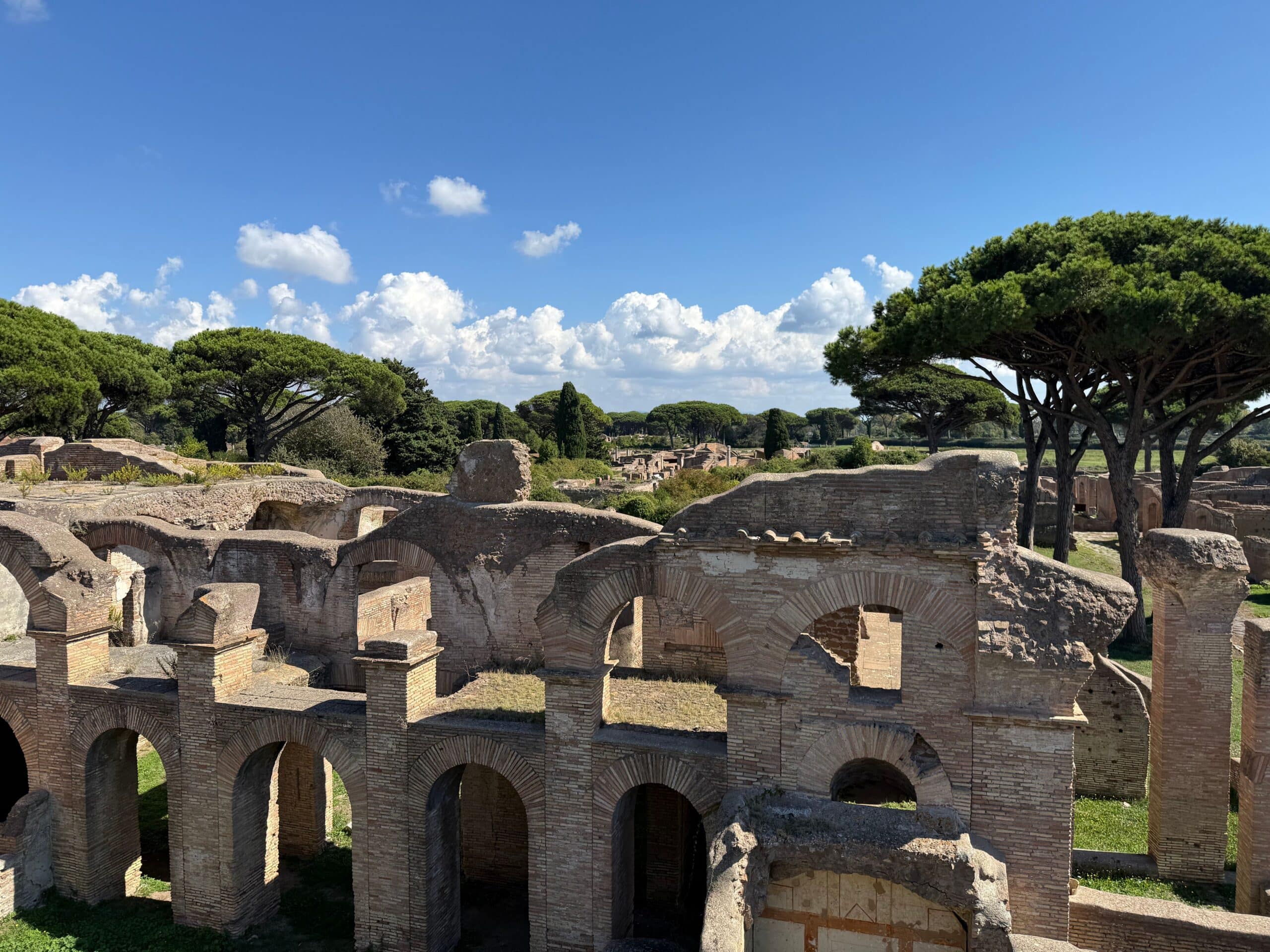
Rome is famous for its grand monuments, imperial forums, and legendary landmarks, but some of the most fascinating stories of ancient Rome can be found just outside the city center. Along the coast of the Tyrrhenian Sea lies Ostia Antica, a remarkably preserved Roman harbor city where everyday life comes into focus.
Unlike Rome’s monumental sites built to display imperial power, Ostia reveals the daily rhythms of ordinary Romans. Merchants negotiated business deals, sailors arrived with goods from across the Mediterranean, families gathered in apartment buildings, and neighbors visited cafés that still hold traces of their original purpose.
Walking through Ostia Antica feels like opening a window into the past. Its stone streets, colorful mosaics, temples, markets, and homes reveal how people lived nearly two thousand years ago. For travelers interested in history, archaeology, and authentic cultural discoveries, Ostia offers one of Italy’s most rewarding ancient sites.
Why Ostia Antica Is One of Rome’s Most Fascinating Ancient Sites
Many visitors associate ancient Rome with the Colosseum, the Roman Forum, and the Pantheon. These landmarks tell the story of emperor, politics, and public life, but Ostia Antica offers a different perspective.
Founded as Rome’s first colony, Ostia became one of the most important ports of the Roman Empire. Its location near the mouth of the Tiber River allowed it to serve as a vital gateway for trade. Ships carried grain, spices, marble, wine, and other goods from across the Mediterranean into Rome.
At its height, Ostia was a thriving urban center filled with businesses, religious buildings, entertainment spaces, and residential neighborhoods.
Today, the ruins preserve an extraordinary level of detail. Visitors can still see bakery ovens, shop counters, bath complexes, apartment blocks, and mosaics that once decorated the floors of Roman buildings.
Ostia does not simply show what Romans built. It reveals how Romans lived.
History & Cultural Context: Life in Ancient Rome’s Harbor City
Ostia’s history stretches back more than two thousand years.
According to tradition, the city was founded by Rome’s early leaders as a military settlement designed to protect the coastline and control access to the Tiber River. Over time, its purpose expanded, and Ostia became a commercial center connecting Rome with the wider Mediterranean world.
During the height of the Roman Empire, Ostia welcomed merchants, craftsmen, government officials, and travelers from many different cultures. The city reflected the diversity of Rome itself.
Its neighborhoods contained impressive public buildings alongside practical spaces designed for everyday needs. Temples stood near markets. Luxury homes existed beside modest apartments. Businesses operated along busy streets where thousands of people moved each day.
This mixture gives Ostia its unique character. It presents ancient Rome as a living society rather than a collection of monuments.
Walking Through the Streets of Ancient Ostia
One of the most remarkable aspects of Ostia Antica is how much of the original city layout remains visible.
The ancient streets still guide visitors through neighborhoods that once buzzed with activity.
The Decumanus Maximus, the city’s main road, connected important areas of Ostia and provided access to shops, temples, and public spaces. Walking along this route reveals how carefully Roman cities were planned.
The Square of the Guilds offers one of the clearest examples of Ostia’s commercial importance. Here, merchants and trade organizations operated offices decorated with mosaics representing different professions and regions.
The Thermopolium, an ancient Roman food establishment, provides a fascinating glimpse into daily dining habits. Its counter, storage areas, and decorative details show how residents purchased prepared meals much like people do in modern cities.
The Baths of Neptune showcase another essential part of Roman culture. Their impressive black and white mosaics depict mythological scenes and demonstrate the importance Romans placed on public bathing, relaxation, and social connection.
Everyday Roman Life Revealed Through Architecture
What makes Ostia Antica extraordinary is the way its buildings tell personal stories.
The House of Diana reveals how ordinary Romans lived in multi-story apartment buildings known as insulae. These structures housed residents from different social backgrounds and reflected the density of urban life.
The remains of bakeries, laundries, warehouses, and workshops demonstrate how much activity existed beyond Rome’s political center.
Ancient Romans needed places to work, eat, worship, relax, and socialize, and Ostia preserves evidence of all these aspects of life.
Visitors can see how advanced Roman urban planning became. Water systems, drainage networks, public baths, and commercial buildings show a society with impressive engineering knowledge and organizational skills.
Local Expert Tip: Visit Ostia Antica Before the Crowds Arrive
For the best experience, visit Ostia Antica earlier in the day when temperatures are cooler and the atmosphere is peaceful.
The archaeological park covers a large area, so comfortable walking shoes are essential. The uneven stone paths are part of the site’s charm, but they require a slower pace.
Spring and autumn are especially enjoyable seasons to explore Ostia. The mild weather makes walking easier, and the surrounding landscape adds another layer of beauty to the ancient ruins.
Many travelers also appreciate bringing water, as shade can be limited throughout parts of the archaeological area.
Ostia Antica vs. Pompeii: Understanding the Difference
Travelers often compare Ostia Antica with Pompeii because both offer incredible views into Roman life.
Pompeii is famous for its dramatic preservation after the eruption of Mount Vesuvius in 79 AD. Its streets, homes, and artwork provide a powerful snapshot of a city frozen in a single moment.
Ostia offers a different experience. Instead of focusing on sudden destruction, it reveals the development of a functioning Roman port city over centuries.
While Pompeii shows a city interrupted, Ostia shows a city in motion.
Both destinations provide valuable insight into Roman civilization, but they tell different stories.
What Makes Ostia Antica Worth Visiting Near Rome
For travelers spending several days in Rome, Ostia Antica offers an opportunity to experience something beyond the city’s busiest attractions.
Its location makes it a convenient cultural escape while still feeling completely different from central Rome.
Visitors interested in archaeology, architecture, photography, and ancient history will find endless details to explore.
Families often enjoy Ostia because the open spaces allow younger travelers to imagine Roman life in a way that traditional museums sometimes cannot provide.
History enthusiasts appreciate the site’s authenticity and the chance to study ancient urban planning up close.
Frequently Asked Questions About Ostia Antica
What is Ostia Antica famous for?
Ostia Antica is famous for being the ancient harbor city of Rome. It preserves Roman streets, homes, temples, baths, markets, and mosaics that reveal daily life during the Roman Empire.
How far is Ostia Antica from Rome?
Ostia Antica is located about 30 kilometers from central Rome, making it an accessible day trip from the city.
Is Ostia Antica worth visiting instead of the Colosseum?
Both sites offer different perspectives on Roman history. The Colosseum highlights Roman entertainment and imperial power, while Ostia focuses on everyday life and urban culture.
How much time do you need at Ostia Antica?
Most visitors spend several hours exploring the archaeological area, as the site covers a large area with many important buildings and discoveries.
What should I wear when visiting Ostia Antica?
Comfortable walking shoes, sun protection, and weather-appropriate clothing are recommended because much of the visit takes place outdoors.
Why Travelers Trust Artviva for Ancient Rome Experiences
Since 1996, Artviva has helped travelers discover Italy through authentic cultural connections, expert storytelling, and carefully curated experiences.
Our local specialists bring historical sites to life by connecting architecture and archaeology with the people who created them. Rather than simply viewing ancient ruins, travelers gain a deeper understanding of the civilizations, traditions, and stories behind them.
With trusted guides, thoughtful planning, and decades of experience creating private Italian journeys, Artviva provides meaningful ways to explore Rome’s extraordinary heritage.
Discover the Stories Hidden Within Ancient Rome
Ostia Antica offers a rare opportunity to experience Rome beyond its famous landmarks. Its streets reveal merchants at work, families building communities, and a civilization shaped by innovation, trade, and human connection.
Every mosaic, marketplace, and stone pathway preserves a piece of the ancient world waiting to be understood.
Discover Artviva’s Ancient Roman Life & Ostia Antica experience and explore this remarkable archaeological site with expert guidance that brings the stories of Rome’s forgotten harbor city to life.