
Palermo’s Street Food Culture: The Flavors That Tell Sicily’s Story
Some cities are best understood through their monuments. Palermo is understood through its food.
Long before visitors admire Norman churches or stroll through elegant piazzas, they notice the aromas drifting through the city’s streets. Fresh bread emerges from neighborhood bakeries, seafood sizzles in market stalls, citrus perfumes the air, and vendors call to regular customers in a rhythm that has changed little over generations. Food is woven into everyday life, shaping conversations, celebrations, and family traditions.
Palermo’s street food is far more than a collection of local specialties. It reflects thousands of years of history, trade, migration, and cultural exchange. Every recipe tells part of Sicily’s story, blending influences from Greece, North Africa, Spain, France, and mainland Italy into a cuisine unlike any other.
Many visitors come expecting excellent food. They leave realizing they have experienced one of the Mediterranean’s richest cultural traditions.
Quick Answer
Palermo is considered one of Europe’s great street food capitals because its markets preserve centuries-old culinary traditions that remain part of daily life. Exploring these neighborhoods with local insight offers a deeper understanding of Sicilian history, culture, and community than restaurants alone can provide.
Why Palermo Became Sicily’s Culinary Capital
Palermo has welcomed merchants, travelers, and conquerors for nearly three thousand years. Positioned at the center of Mediterranean trade routes, the city absorbed ideas, ingredients, and cooking techniques from civilizations that passed through Sicily.
Greek settlers established some of the island’s earliest agricultural traditions. Arab rulers introduced citrus groves, almonds, sugar, spices, and irrigation systems that transformed Sicilian farming. Norman leaders blended northern European customs with Mediterranean cuisine, while Spanish influence shaped pastries, preservation techniques, and many of the sweet flavors still associated with Sicily today.
Rather than replacing one another, these traditions merged.
The result is a cuisine that feels distinctly Sicilian while carrying echoes of every culture that helped shape the island.
Unlike many famous Italian dishes that developed in noble kitchens, Palermo’s best-known specialties often began as practical meals prepared for workers, merchants, and families. Simple ingredients became memorable through careful technique, creativity, and generations of refinement.
That tradition continues today.
Walking Through Palermo’s Historic Markets
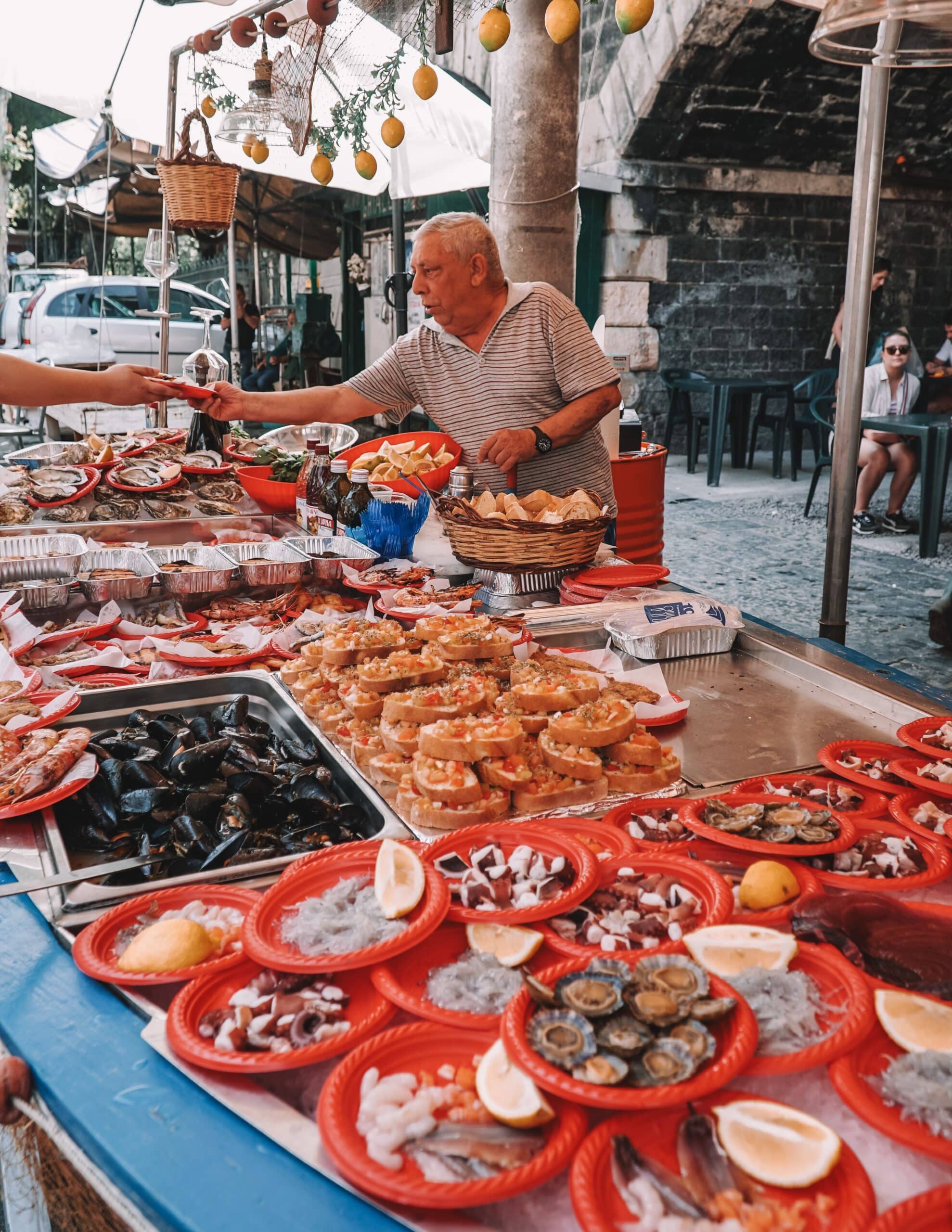
Palermo’s open-air markets remain among the city’s most vibrant public spaces. They are places where residents shop for dinner, greet longtime vendors, and continue customs that have defined neighborhood life for centuries.
The atmosphere changes constantly throughout the morning. Fishmongers arrange the day’s catch beside colorful produce stands. Bakers carry trays of warm bread through narrow lanes. Vendors prepare fresh snacks while conversations flow between customers who have known one another for years.
For visitors, the markets offer something increasingly rare in modern travel: an opportunity to observe authentic daily life rather than a performance created for tourism.
Many travelers overlook the cultural importance of these neighborhoods because they focus only on the food itself. Local experts often point out that the markets function as social gathering places where history, family traditions, and community continue to shape everyday routines.
The Stories Behind Palermo’s Most Famous Street Foods
Every iconic Sicilian snack carries its own history.
Arancini have become one of Sicily’s most recognizable foods, with crisp golden exteriors giving way to rich fillings that vary by region and family tradition. Debate over the “correct” filling remains part of local culture, and every neighborhood proudly defends its favorite version.
Panelle represent another side of Palermo’s culinary identity. These delicate chickpea fritters demonstrate how modest ingredients can become something memorable through technique alone. They remain a favorite quick meal for residents across the city.
Crocchè, sfincione, and cannoli each tell similar stories of adaptation, regional identity, and recipes passed from one generation to the next. Together they illustrate how Palermo transformed practical cooking into one of Italy’s most celebrated food traditions.
Understanding these foods means understanding the people who created them.
History and Cultural Context
Few places in Italy reveal their history as clearly through food as Palermo.
Centuries of Mediterranean trade introduced ingredients that permanently changed Sicilian cuisine. Arab influence remains visible in the island’s use of citrus, almonds, rice, pistachios, raisins, and aromatic spices. Spanish rule contributed techniques for pastries and confectionery, while local farmers adapted these influences using ingredients grown throughout Sicily.
This cultural exchange shaped not only recipes but also the way food became part of public life. Markets developed into gathering places where commerce, conversation, and community blended together naturally.
Many visitors recognize Palermo for its architecture, yet its culinary traditions preserve just as much history. A single market stall often reflects centuries of cultural exchange that continue to influence Sicilian identity today.
Why It Matters Today
As more destinations become increasingly commercialized, Palermo has retained much of its everyday character.
Residents still begin their mornings in neighborhood cafés. Families continue shopping in traditional markets. Recipes remain closely connected to local ingredients and seasonal rhythms rather than changing to satisfy tourism alone.
For travelers, this authenticity creates one of Sicily’s greatest strengths.
The city’s food culture encourages meaningful interaction rather than passive sightseeing. Conversations with vendors, observations of daily routines, and an appreciation for long-standing traditions often become the moments visitors remember most after returning home.
Food becomes a way of understanding Palermo itself.
Local Expert Tip
Many visitors arrive in Palermo with a list of famous foods they want to try. While those classics deserve their reputation, some of the most memorable moments happen unexpectedly. A family-run bakery preparing recipes handed down for generations or a neighborhood stall serving the same specialty each morning often says more about Sicilian culture than any checklist.
Rather than rushing from one tasting to the next, take time to notice the atmosphere around you. Listen to the conversations between vendors and regular customers, watch ingredients being prepared by hand, and appreciate the rhythm of a market that has remained central to local life for centuries. Those details often become the memories that last longest.
Experience It Firsthand
Reading about Palermo’s culinary traditions offers valuable insight, but the city’s food culture is best understood where it has always belonged: in its markets and neighborhoods.
Exploring alongside a knowledgeable local guide adds context that is difficult to find independently. Recipes become stories about migration, trade, family traditions, and community. Historic markets reveal themselves as places where generations of residents continue customs that shape everyday life.
Artviva’s Sicily Street Food experience brings these elements together through thoughtful local interpretation rather than simply moving from tasting to tasting. Travelers gain a deeper appreciation for Palermo’s culture, history, and people while discovering why food remains one of the city’s strongest expressions of identity.
Learn more here:
Amazing Palermo Cooking Class & Market Experience
Practical Travel Advice
Palermo is a city best experienced at a relaxed pace. Comfortable walking shoes are recommended, as many streets in the historic center feature uneven stone pavement.
Arriving with an appetite is equally important. Sicily’s street food reflects remarkable variety, and trying several specialties throughout the experience allows visitors to appreciate how different ingredients and traditions complement one another.
While many travelers visit Palermo as part of a broader Sicilian itinerary, spending additional time in the city often reveals its greatest strengths. Beyond the famous landmarks, neighborhoods, markets, and cafés provide opportunities to observe everyday life that many visitors overlook.
Seasonal Considerations
Spring
Spring is one of the most enjoyable seasons for discovering Palermo. Mild temperatures and vibrant produce markets create ideal conditions for walking while seasonal fruits and vegetables add even more variety to local cuisine.
Summer
Summer brings long evenings and an unmistakable energy to the city. Markets remain lively, although morning experiences are often more comfortable before the afternoon heat arrives.
Autumn
Autumn combines pleasant weather with exceptional seasonal ingredients. Seafood, citrus, and regional produce make this one of Sicily’s finest periods for culinary travel.
Winter
Winter offers a quieter atmosphere that many experienced travelers appreciate. Palermo’s markets remain active throughout the year, allowing visitors to experience local traditions without the larger crowds common during peak travel months.
Frequently Asked Questions
Why is Palermo famous for street food?
Palermo’s street food reflects centuries of cultural exchange between Mediterranean civilizations. Recipes influenced by Arab, Spanish, Greek, and Norman traditions remain part of everyday life, making the city one of Europe’s most distinctive culinary destinations.
What foods should I try in Palermo?
Many visitors begin with specialties such as arancini, panelle, crocchè, sfincione, and cannoli. Each represents a different chapter of Sicily’s culinary heritage and showcases the region’s emphasis on fresh, local ingredients.
Are Palermo’s markets worth visiting?
Absolutely. Palermo’s historic markets provide insight into the city’s culture, traditions, and daily routines while offering one of the most authentic experiences in Sicily.
Is a guided food experience worthwhile?
For many travelers, yes. Local guides provide historical and cultural context that transforms individual tastings into a broader understanding of Sicilian identity. They also help visitors appreciate traditions and stories that are easy to miss without local knowledge.
When is the best time to experience Palermo’s food culture?
Palermo can be enjoyed throughout the year. Spring and autumn offer particularly comfortable temperatures, while summer brings lively market activity and winter provides a slower, more local atmosphere.
Conclusion
Palermo tells its story through flavor.
Its markets preserve traditions that have survived centuries of change, while its recipes reflect the people, cultures, and ideas that shaped Sicily into one of the Mediterranean’s most fascinating destinations. Every meal offers a glimpse into a history that continues to influence everyday life.
Many travelers leave Palermo remembering a particular dish, but what stays with them even longer are the conversations, traditions, and sense of place that surrounded it. Food becomes more than something to taste. It becomes a way of understanding the city itself.
For those who want to experience Palermo beyond restaurant menus and guidebook highlights, exploring alongside knowledgeable local experts offers a richer perspective on Sicily’s remarkable culinary heritage.
Learn more about Artviva’s Sicily Street Food experience here:
Amazing Palermo Cooking Class & Market Experience
Palermo rewards curiosity, and every shared meal is another invitation to discover the history, traditions, and people that continue to make Sicily unlike anywhere else in Italy.