
Why Florence Is One of the Best Places to Discover Italian Wine
In Florence, wine is woven into everyday life. It appears at family dinners, neighborhood trattorias, lively aperitivo hours, and celebrations that bring generations together around one table. Rather than being reserved for special occasions, wine reflects a way of living that values conversation, craftsmanship, and local tradition.
Surrounded by some of Italy’s most celebrated vineyards, Florence is one of the country’s best places to understand what makes Italian wine so distinctive. From the rolling hills of Chianti to renowned regions farther north and south, every bottle tells a story shaped by geography, history, and generations of winemakers.
For visitors, tasting wine in Florence is not simply about sampling different varieties. It is an opportunity to discover the landscapes, traditions, and people behind one of Italy’s greatest cultural treasures.
Quick Answer
Florence is one of the best places to experience Italian wine because it sits in the heart of Tuscany while providing access to wines from every major region of the country. A guided tasting with a professional sommelier offers insight into grape varieties, food pairings, regional differences, and centuries of winemaking tradition.
History and Cultural Context
Wine has been part of Tuscany’s identity for thousands of years.
Long before the Roman Empire expanded vineyards across Italy, the Etruscans cultivated vines throughout central Italy and recognized the region’s ideal growing conditions. During the Renaissance, influential Florentine families invested heavily in vineyards, helping establish Tuscany as one of Europe’s leading wine-producing regions.
Today, many vineyards continue practices that have evolved over centuries while embracing modern techniques that improve quality without losing their connection to tradition.
Many visitors recognize names like Chianti or Brunello di Montalcino, but the deeper story lies in how each region reflects its own landscape, climate, and local heritage. Every bottle becomes a record of the place where it was produced.
Why Italian Wine Is Unlike Any Other
Italy produces hundreds of native grape varieties, more than almost any other country in the world.
Rather than relying on a handful of internationally recognized grapes, Italian winemakers celebrate regional diversity. Traveling just a short distance can introduce completely different soils, climates, and traditions, resulting in wines with unique personalities.
This variety is one of the reasons wine lovers return to Italy again and again. Every region offers something new to discover, whether bold reds from Tuscany, elegant Nebbiolo from Piedmont, refreshing Alpine whites, or mineral-rich wines from Sicily’s volcanic slopes.
Understanding Terroir
One of the most important ideas in Italian wine is terroir.
The word describes how climate, soil, elevation, geography, and local farming traditions influence the character of a wine. Two vineyards growing the same grape can produce remarkably different results simply because they are rooted in different landscapes.
Local experts often point out that understanding terroir transforms the way people experience wine. Instead of tasting only fruit or aroma, visitors begin recognizing the connection between a wine and the land where it was produced.
Learning to Read Italian Wine Labels
Italian wine labels can seem complicated at first.
Terms such as DOC, DOCG, and IGT often leave visitors wondering where to begin. Add regional names, producers, and grape varieties, and selecting a bottle may feel intimidating.
Once these classifications are explained, however, the labels become much easier to understand. They provide valuable information about origin, production standards, and the traditions behind each wine, allowing travelers to make more confident choices both in Italy and at home.
Why It Matters Today
Wine remains an important part of Italian culture because it connects people to place.
Behind every bottle are families, vineyards, and communities that have preserved regional traditions for generations. Choosing a local wine often means supporting small producers who continue practices passed from one generation to the next.
For travelers, understanding these traditions creates a much deeper appreciation of Italian food, agriculture, and hospitality. Wine becomes more than something to drink. It becomes another way of understanding Italy itself.
Local Expert Tip
Many first-time visitors immediately look for famous labels, but some of Tuscany’s most memorable wines come from smaller producers that rarely receive international attention.
Ask questions, remain open to unfamiliar grape varieties, and don’t be surprised if your favorite wine is one you had never heard of before arriving in Italy.
Experience It Firsthand
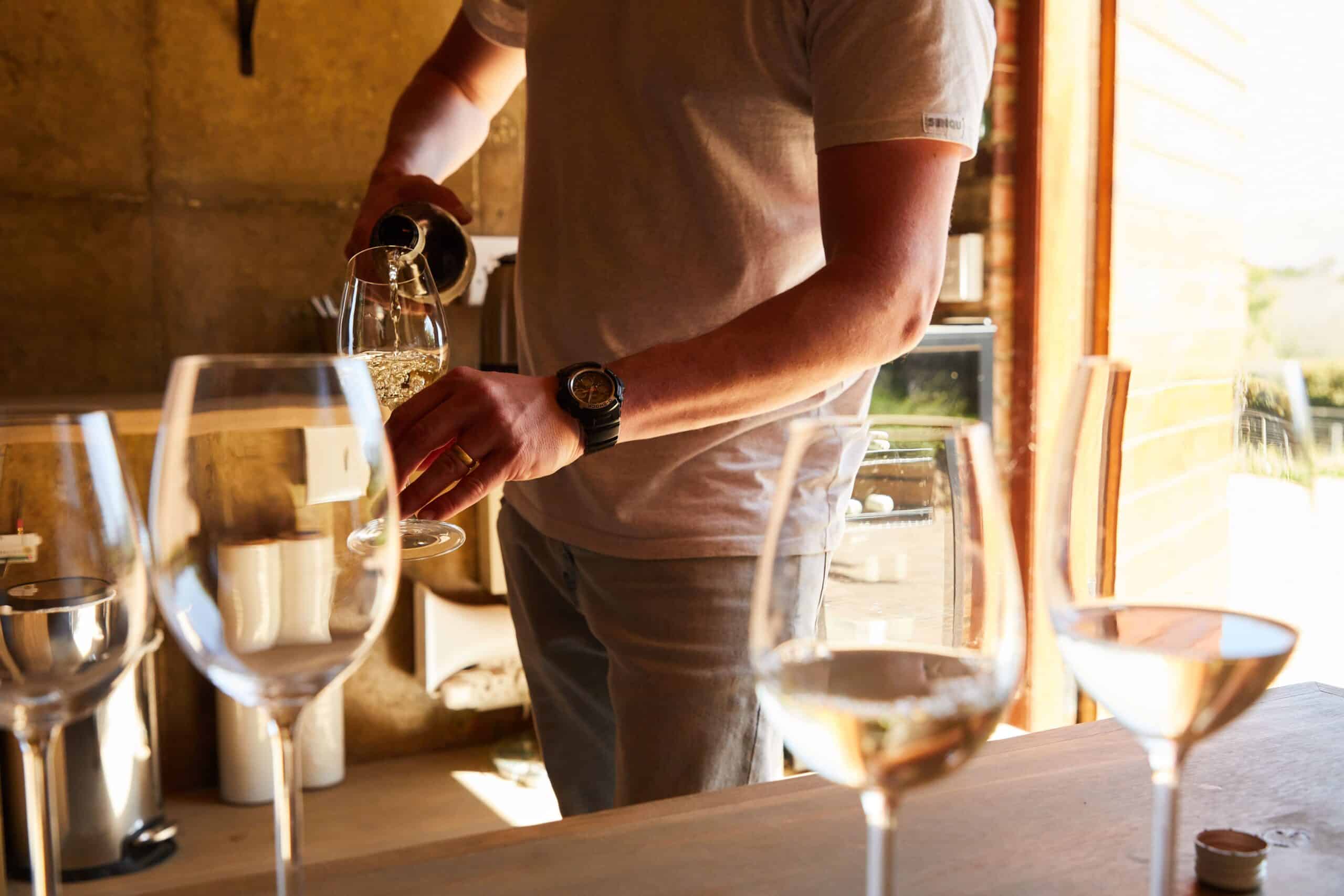
Reading about Italian wine provides valuable background, but tasting it alongside a knowledgeable sommelier offers a completely different perspective.
Artviva’s wine experience introduces guests to Italy’s diverse wine regions while explaining the traditions, techniques, and cultural significance behind every glass. Rather than focusing only on tasting notes, the experience explores how history, geography, and food come together to shape Italian winemaking.
Learn more here:
Wine Tasting with a Sommelier in Florence
Practical Travel Advice
Wine tastings are enjoyable throughout the year, making them an excellent activity regardless of the season.
Visitors do not need previous wine knowledge. Curiosity and an open mind are far more valuable than technical expertise, and asking questions often leads to the most rewarding conversations.
Many travelers also find that learning about Italian wines early in their trip helps them make more confident choices throughout the rest of their time in Italy.
Seasonal Considerations
Spring
Spring brings new life to Tuscany’s vineyards and comfortable temperatures for exploring Florence before or after a tasting.
Summer
Long evenings and aperitivo culture make summer an especially enjoyable time to experience Italian wine in the city.
Autumn
Harvest season creates an exciting atmosphere throughout Tuscany, making autumn one of the most popular times for wine enthusiasts to visit.
Winter
Winter offers a quieter pace and a cozy setting for discovering Italy’s rich winemaking traditions indoors.
Frequently Asked Questions
Why is Florence a good place for wine tasting?
Florence sits in the heart of Tuscany while offering access to wines from every major region of Italy, making it an ideal destination for learning about Italian wine.
Do I need wine experience?
No. Guided tastings welcome everyone, from complete beginners to experienced collectors.
What makes Italian wine different?
Italy’s remarkable diversity of native grape varieties, regional traditions, and unique terroirs creates wines unlike those produced anywhere else.
Can I focus only on Tuscan wines?
Yes. Many wine experiences can emphasize Tuscany, while others compare wines from different Italian regions.
Is a sommelier-led tasting worth it?
For many travelers, yes. Professional guidance provides historical, cultural, and practical insight that transforms wine tasting into a deeper understanding of Italy.
Conclusion
Italian wine reflects centuries of history, regional identity, and craftsmanship. Every vineyard tells a different story, and every bottle offers a connection to the landscape where it was created.
Florence provides one of the best places to begin that journey, combining world-class wine traditions with a culture that celebrates food, hospitality, and meaningful conversation.
For travelers who want to experience Italian wine with greater confidence and deeper cultural understanding, Artviva offers an opportunity to explore the traditions behind every glass alongside knowledgeable local experts.
Learn more here: