Discovering the Flavors Between Florence and Rome
A journey between Florence and Rome often appears simple on a map. Two iconic cities. Two hours by high-speed train. Yet the road between them holds an entirely different story when experienced through food, wine, and the rhythm of the Italian countryside.
The Luxury Gourmet Transfer Florence – Rome: With Cooking Experience offered by Artviva transforms this route into a slow, curated passage through vineyards, hill towns, and family kitchens where traditions have not changed in generations. Instead of rushing south, travelers step into a private journey shaped by seasonal flavors, personal encounters, and hands-on cooking in the heart of rural Italy.
This is not a transfer in the conventional sense. It is a full-day culinary narrative unfolding between Tuscany and Lazio, designed for travelers who value depth over distance.
What Is the Luxury Gourmet Transfer Florence – Rome: With Cooking Experience?
The Luxury Gourmet Transfer Florence – Rome: With Cooking Experience is a privately guided itinerary that replaces standard transportation with a curated culinary journey.
Rather than traveling directly along the motorway, guests are guided through the Tuscan countryside, stopping at carefully selected locations where food and wine become the central focus. The experience typically includes:
A private driver and culinary guide
Visits to artisanal producers or rural estates
A hands-on cooking experience in a traditional kitchen
A multi-course meal paired with regional wines
A seamless continuation to Rome in the afternoon or evening
The intention is simple: turn travel time into meaningful cultural immersion.
Unlike standard tours, this experience adapts to the season, the weather, and even the preferences of the guests. Spring might highlight fresh herbs and young olive oil. Autumn often centers around truffle aromas and harvest wines.
Why This Route Between Florence and Rome Matters
The corridor between Florence and Rome is one of Italy’s oldest cultural arteries. Etruscans, Romans, Renaissance merchants, and pilgrims all moved through this landscape. Yet many modern travelers only see it from a train window.
This experience reclaims that space.
Between the two cities lies Val d’Orcia’s rolling hills, Umbria’s quiet valleys, and small towns where stone houses still anchor daily life. These regions have long defined central Italian cuisine, where simplicity and seasonality guide every dish.
A journey like this allows travelers to understand how geography shapes flavor. Olive oil changes subtly from one province to the next. Pasta shapes shift based on local tradition. Even bread reflects centuries of micro-regional identity.
For travelers seeking context, not just consumption, this route becomes essential.
The Cooking Experience: From Market to Table
At the heart of the Luxury Gourmet Transfer Florence – Rome: With Cooking Experience is the cooking session itself.
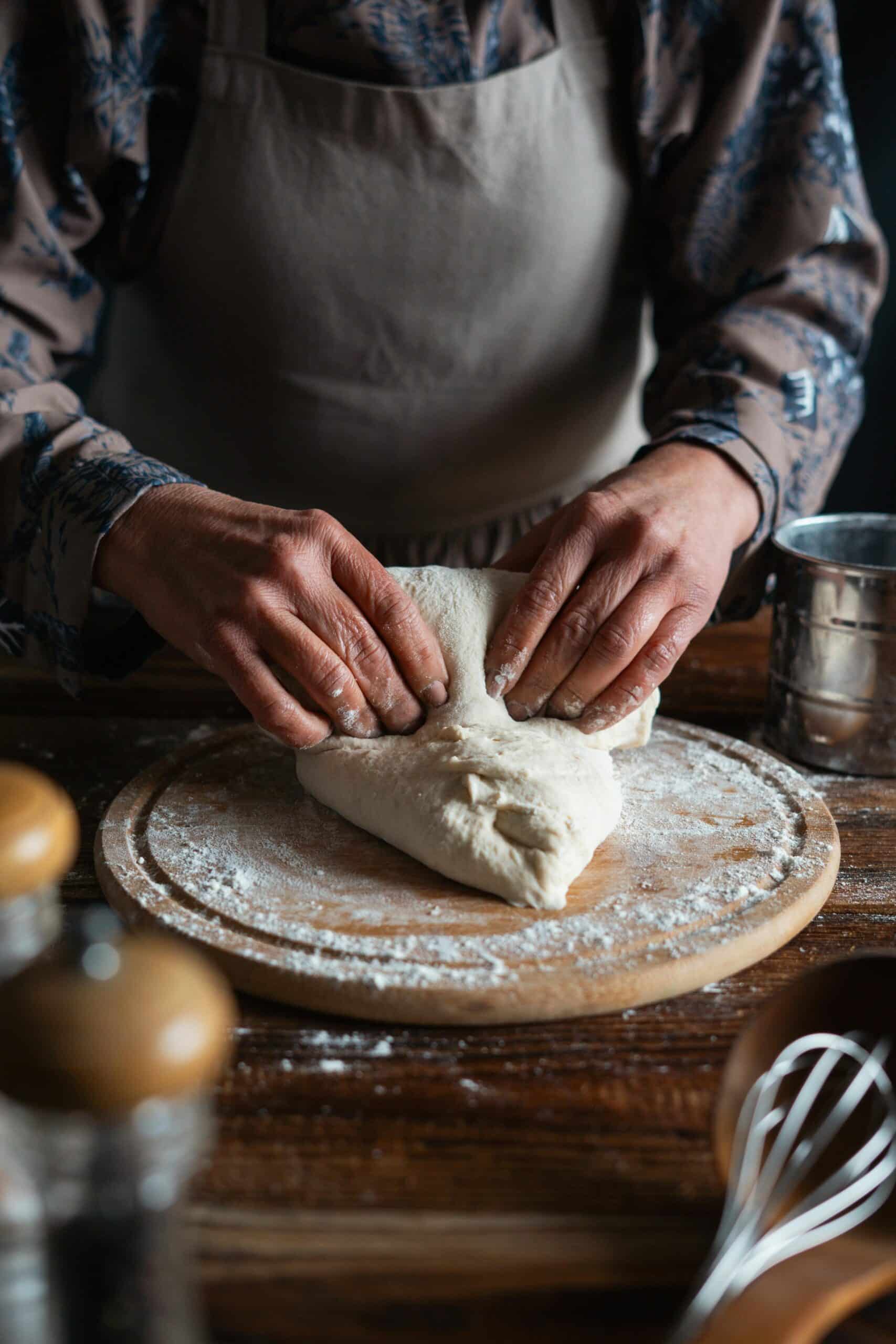
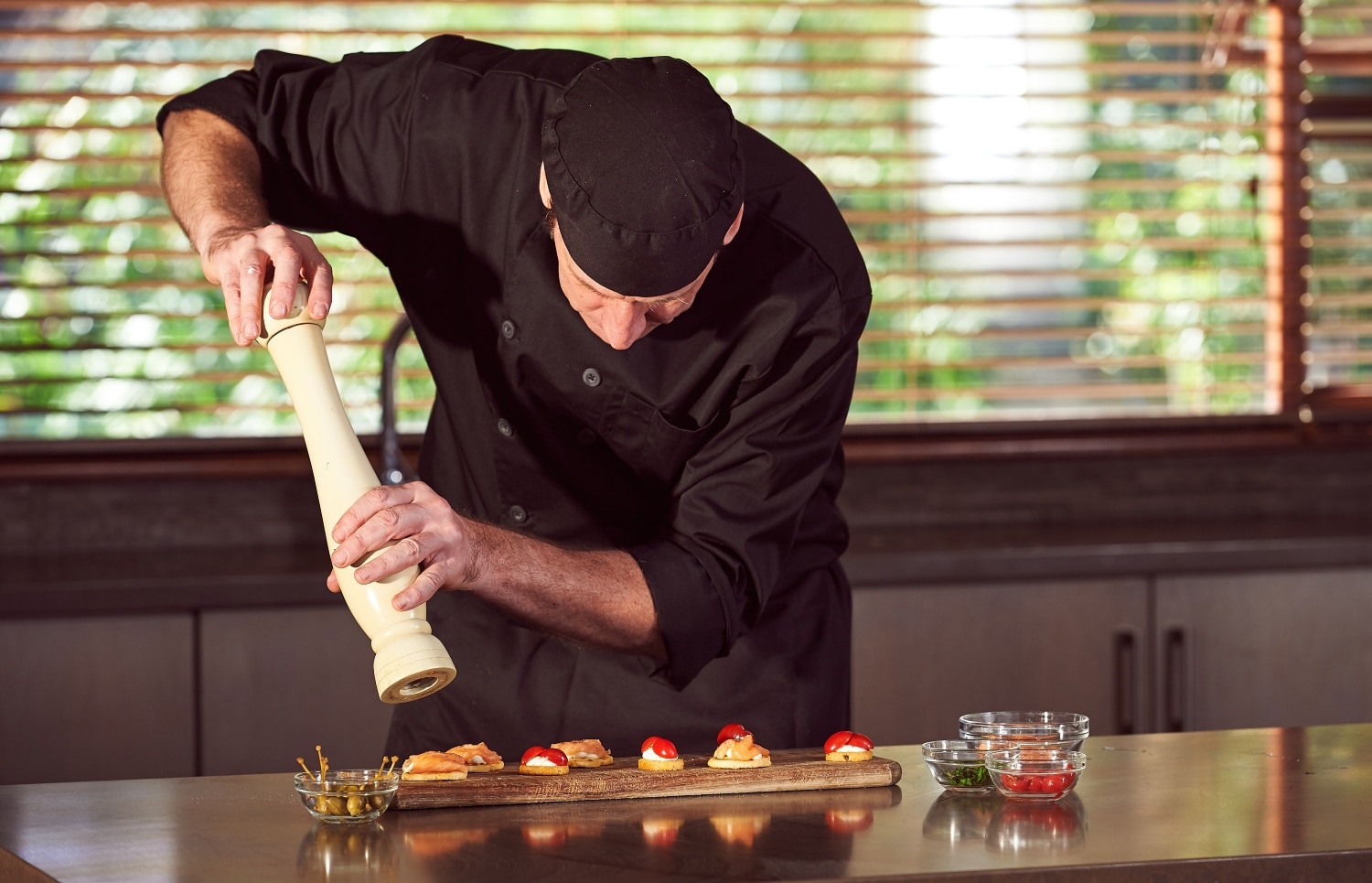
Rather than observing from a distance, guests actively participate in preparing a regional Italian meal under the guidance of a local chef. The setting may be a countryside villa kitchen or a restored farmhouse depending on the day’s itinerary.
Typical elements include:
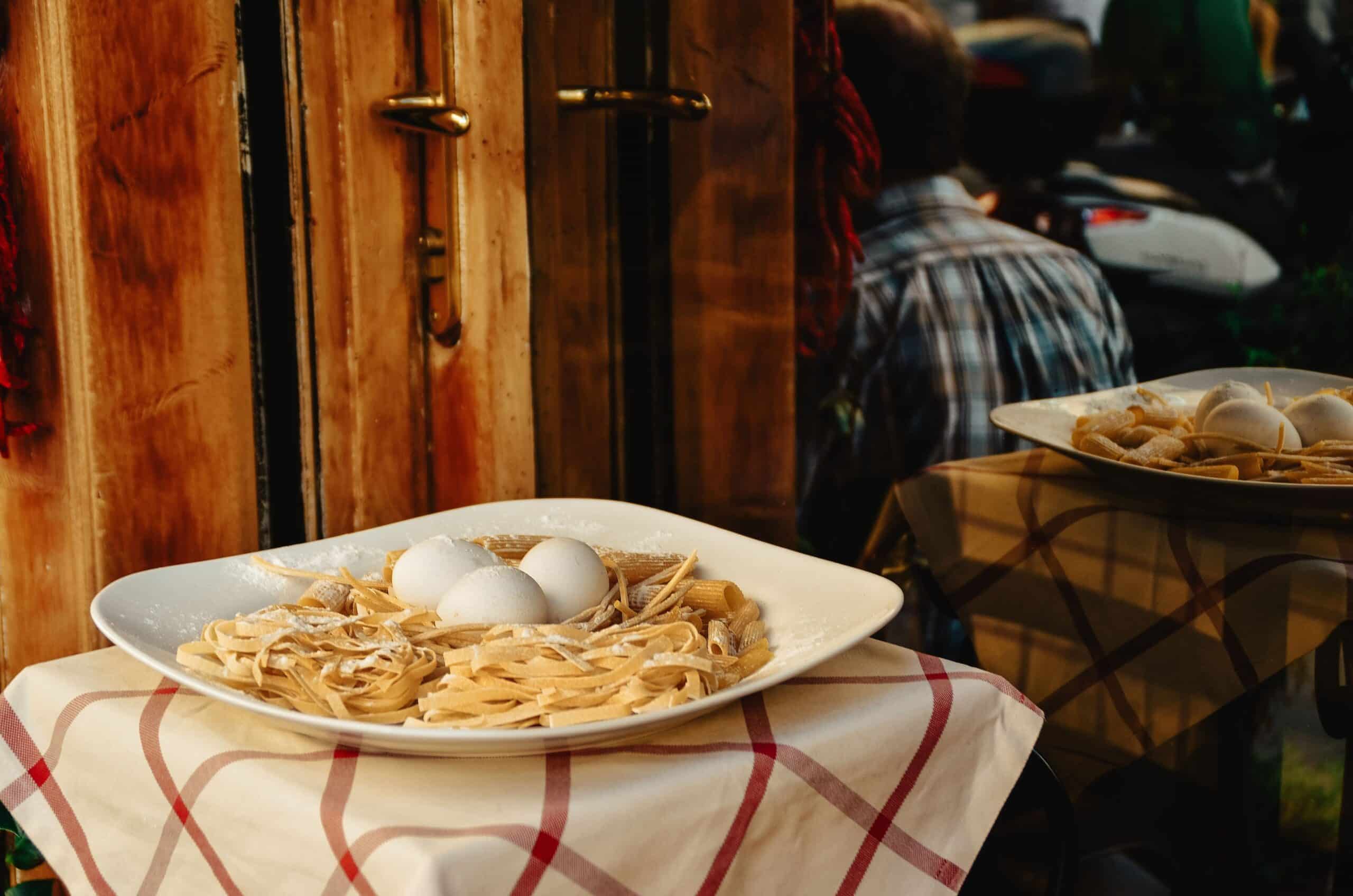
Fresh pasta preparation, often pici or tagliatelle depending on the region
Seasonal sauces built from market ingredients
Simple antipasti featuring local cheeses and cured meats
Traditional desserts such as tiramisù or olive oil cake
The focus is not technical perfection. It is understanding how Italian cooking relies on restraint, timing, and ingredient quality.
Guests often begin by selecting ingredients together, learning how locals evaluate produce by smell, texture, and color. The cooking then unfolds slowly, often accompanied by regional wines and conversation about family traditions.
By the time the meal is served, it feels less like a demonstration and more like sharing a table with hosts who have cooked this way for generations.
History & Cultural Context
Central Italy has long been shaped by movement. Roads connecting Florence and Rome were once pilgrimage routes, trade paths, and military corridors. Food developed along these routes as a form of preservation, identity, and hospitality.
Tuscan and Umbrian cuisines reflect rural necessity. Bread is unsalted due to historical tax disputes on salt. Olive oil became a substitute for butter in many inland areas. Game, legumes, and seasonal vegetables formed the backbone of everyday meals.
As Rome grew into a political and cultural capital, culinary influences from central Italy flowed into the city. Yet the countryside preserved older techniques that still define regional identity today.
Experiences like this transfer allow travelers to see how those traditions remain intact. The same hills that once fed pilgrims now support vineyards, farms, and small kitchens where recipes are still passed down orally.
Understanding this context changes how food is experienced. A plate of handmade pasta becomes a continuation of centuries of adaptation and survival.
What Makes This Journey Different
Many travelers ask a simple question: why not just take a train from Florence to Rome?
The answer lies in experience density.
A train compresses time. This journey expands it.
Instead of arriving in Rome unchanged, travelers arrive having already experienced the countryside, shared a meal with a local chef, and understood the ingredients behind what they will later see on Roman menus.
There is also a sensory shift. The sound of traffic disappears. The smell of rosemary becomes noticeable along roadside hills. Conversations replace announcements.
It is travel that slows perception without wasting time.
Seasonal Travel Insights
Each season transforms this journey in subtle but meaningful ways.
Spring brings wild herbs, artichokes, and soft green landscapes. Kitchens feel lighter, and meals often highlight freshness.
Summer introduces sun-ripened tomatoes, basil, and outdoor dining under shaded pergolas. The pace becomes more relaxed, often extending into late afternoon.
Autumn is harvest season. Vineyards dominate the scenery, and cooking sessions may include truffle dishes or grape-based desserts.
Winter offers a quieter atmosphere. Indoor kitchens become central, with slow-cooked dishes and richer flavors defining the experience.
Choosing the right season depends on personal preference, but autumn and spring often provide the most balanced conditions for both travel and culinary immersion.
Local Expert Tip
Most travelers underestimate the value of timing on this route.
Leaving Florence early in the morning allows the journey to unfold naturally, with soft light across the Tuscan hills and fewer vehicles on rural roads. It also ensures that cooking experiences happen at a comfortable pace rather than feeling compressed.
Another insight: communicate dietary preferences in advance, but remain open to regional substitutions. Local chefs often adjust menus based on what is freshest that morning rather than following a fixed script. This flexibility is where some of the most memorable dishes appear.
Who This Experience Is Designed For
This journey suits travelers who prefer depth over checklist tourism.
It appeals to those who:
Appreciate regional food culture
Prefer private or small-group experiences
Value time spent in nature and countryside settings
Enjoy learning through participation rather than observation
Want a meaningful transition between two major Italian cities
It is particularly well suited for honeymoon travelers, multi-city Italy itineraries, and guests staying in Florence who are continuing to Rome but want the journey itself to become part of the holiday.
Practical Travel Information
The experience typically lasts a full day, with flexible departure timing from Florence and arrival in Rome in the late afternoon or evening.
Comfortable clothing is recommended, especially for cooking activities in rural kitchens. Seasonal footwear is also important if vineyard or countryside walks are included.
Luggage transfer is seamless, allowing guests to continue directly to their Roman hotel without logistical interruption.
Advance booking is strongly recommended, particularly during spring and autumn when demand increases due to favorable weather and harvest seasons.
For details or reservations, visit Artviva Official Experience.
People Also Ask
Is the Florence to Rome gourmet transfer private?
Yes, the experience is typically arranged as a private journey, allowing full flexibility in timing, stops, and cooking activities.
How long does the cooking experience last?
The cooking session usually takes place mid-journey and lasts a few hours, including preparation and dining.
Can dietary restrictions be accommodated?
Yes, most dietary preferences can be accommodated when communicated in advance, including vegetarian and gluten-free options.
Is this better than taking a train from Florence to Rome?
It depends on travel style. The train is faster, but this experience replaces transit time with cultural immersion, food, and countryside exploration.
Why This Journey Leaves a Lasting Impression
Travel between Florence and Rome often becomes a forgotten transition. One city fades while the next begins.
This experience changes that pattern. It turns movement into memory.
The taste of handmade pasta, the sound of olive trees in the wind, and the rhythm of rural kitchens stay with travelers long after arrival in Rome. It creates continuity between two destinations that are often treated as separate.
For those seeking more than transportation, this journey offers something rarer: time that feels intentionally lived.
Final Call to Action
For travelers planning an itinerary between Florence and Rome, this experience offers a different way to move through Italy. It replaces speed with presence and transforms a simple transfer into a culinary day shaped by place, season, and tradition.
To explore availability or plan your own Luxury Gourmet Transfer Florence – Rome: With Cooking Experience, connect directly with Artviva at Artviva Experiences.
A journey between cities does not have to be ordinary. In Italy, even the road between two capitals can become a table set for discovery.
Turn your journey into part of the adventure with Artviva’s Luxury Gourmet Transfer Florence – Rome: With Cooking Experience, where every mile is filled with authentic flavors, unforgettable scenery, and hands-on Italian culinary traditions.