
Why the Bargello Museum Is Florence’s Greatest Sculpture Collection
When travelers think of Florence, they often picture Michelangelo’s David or the paintings that line the halls of the Uffizi Gallery. Yet one of the city’s most remarkable museums quietly tells a different story. Instead of following the history of painting, the Bargello Museum traces the evolution of Renaissance sculpture through works that changed the direction of Western art.
Housed within one of Florence’s oldest civic buildings, the Bargello invites visitors to experience the Renaissance through marble, bronze, and terracotta. Here, artists experimented with movement, emotion, proportion, and perspective in ways that challenged centuries of artistic tradition. The museum preserves not only extraordinary masterpieces but also the spirit of innovation that transformed Florence into the artistic capital of Europe.
Many visitors overlook the Bargello in favor of Florence’s more famous museums. Those who step inside often discover one of the city’s most rewarding cultural experiences. Its galleries offer space to slow down, observe details, and appreciate sculptures that continue to influence artists around the world.
Rather than competing with Florence’s larger museums, the Bargello complements them. It provides the context that helps explain how Renaissance sculpture developed and why so many of history’s greatest artists began their careers in Florence.
Quick Answer
The Bargello Museum is Florence’s premier museum of Renaissance sculpture. Visitors can admire masterpieces by Donatello, Michelangelo, Verrocchio, Cellini, and the della Robbia family while exploring a medieval palace that reflects centuries of Florentine history. For travelers interested in Renaissance art, craftsmanship, and the city’s artistic legacy, it is one of Florence’s most significant museums.
History & Cultural Context
Long before it became a museum, the Bargello stood at the center of Florence’s political life.
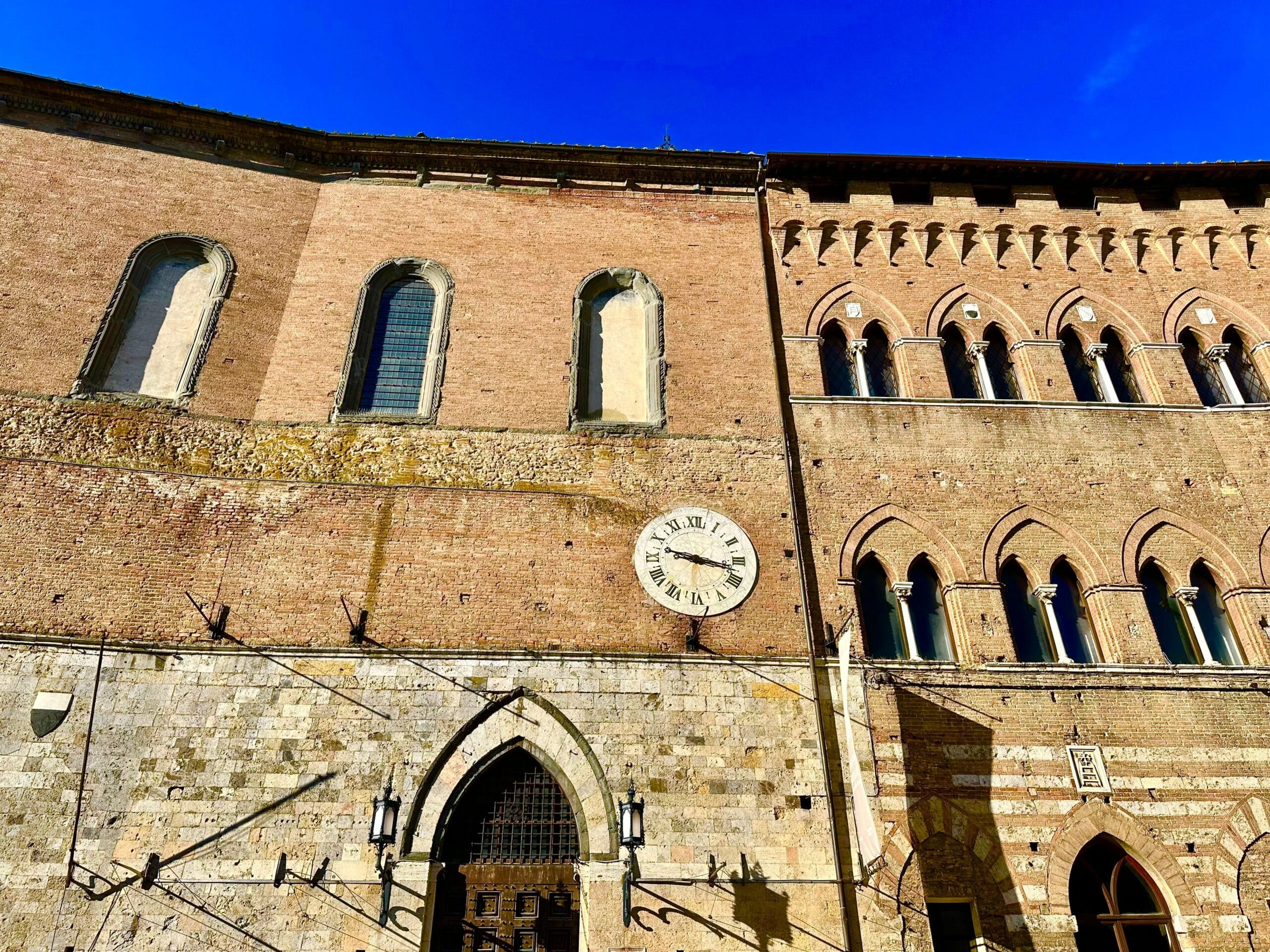
Constructed during the thirteenth century, the imposing stone building served as the headquarters of the city’s chief magistrate. Over the centuries it functioned as a courthouse, administrative center, and prison, witnessing moments of political conflict that shaped Florence’s history. Its thick walls have seen changing governments, public trials, and dramatic chapters in the city’s development.
During the nineteenth century, the building took on an entirely new purpose. It became Italy’s first national museum devoted primarily to Renaissance sculpture, preserving works that might otherwise have been scattered across churches, palaces, and private collections.
Today, the museum allows visitors to explore the artistic achievements that defined Florence during one of Europe’s most influential cultural movements.
What many travelers never realize is that the building itself tells a story as fascinating as the collections it houses. Walking through its courtyards and galleries offers insight into both Florence’s political history and its artistic transformation.
Where Renaissance Sculpture Found Its Voice
The Renaissance encouraged artists to rethink what sculpture could become.
Rather than creating rigid symbolic figures, sculptors began studying anatomy, movement, classical antiquity, and human emotion. Stone and bronze were no longer simply decorative materials. They became tools for expressing personality, spirituality, and realism in ways unseen for centuries.
The Bargello preserves many of the works that marked this turning point.
Visitors encounter sculptures that reveal artists experimenting with natural poses, expressive faces, and increasingly lifelike forms. These innovations influenced generations of painters, architects, and sculptors across Europe, helping establish Florence as the birthplace of Renaissance art.
Local experts often point out that understanding sculpture is essential to understanding Florence itself. Many of the ideas first explored in marble later appeared in painting, architecture, and public monuments throughout the city.
Donatello’s Revolutionary Vision
Among the museum’s most celebrated treasures is Donatello’s bronze David, a work that transformed Renaissance sculpture.
Created during the fifteenth century, it was one of the first freestanding bronze nudes produced since classical antiquity. The sculpture introduced a new confidence in representing the human body while demonstrating extraordinary technical skill and artistic imagination.
Its graceful posture and youthful appearance challenged established artistic traditions, reflecting the Renaissance fascination with classical ideals and individual expression.
Standing before the sculpture allows visitors to appreciate details that photographs rarely capture. The balance of the figure, the subtle modeling of the bronze, and the confidence of Donatello’s design reveal why this masterpiece remains one of Florence’s defining works of art.
Many visitors arrive expecting to see a famous sculpture. They leave with a greater understanding of how one work helped change the direction of European art.
Why It Matters Today
The Bargello remains one of Florence’s most important museums because it reveals how artistic innovation develops over time.
Rather than focusing on a single masterpiece, the museum presents the evolution of Renaissance sculpture through the work of multiple generations of artists. Visitors witness ideas being refined, challenged, and expanded as Florence emerged as Europe’s artistic center.
Understanding this progression adds depth to every other museum in the city. Sculptures become more than beautiful objects. They become evidence of experimentation, competition, and creativity that shaped the Renaissance itself.
For modern travelers, the Bargello offers something increasingly valuable: the opportunity to experience extraordinary works of art in a setting that encourages careful observation rather than hurried sightseeing.