
A Vine of Your Own: Experiencing Tuscany Through the Seasons
Few places express the rhythm of the seasons as beautifully as the vineyards of Tuscany.
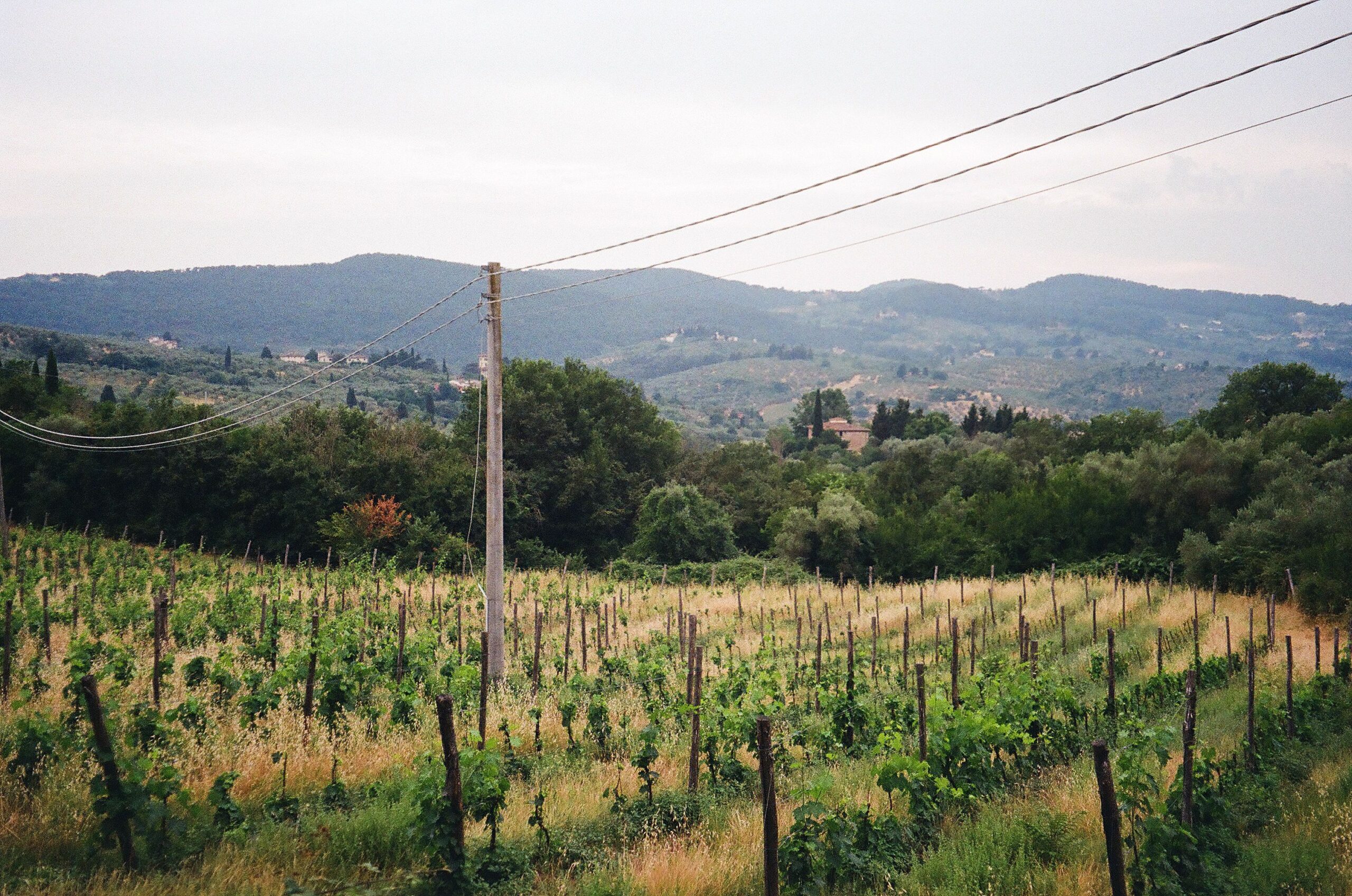
Rolling hills covered in orderly rows of vines have become one of Italy’s defining landscapes, yet the true story of these vineyards is not found in the view alone. It unfolds slowly through winter pruning, spring growth, summer sunshine, and the careful harvest that arrives each autumn.
For centuries, Tuscan families have cared for these vineyards with patience and extraordinary attention to detail, understanding that exceptional wine begins long before grapes reach the cellar.
Today, travelers are increasingly seeking experiences that go beyond tasting wine. They want to understand where it comes from, how it is produced, and the people who dedicate their lives to the land.
Adopting a vine offers a unique way to experience that connection. Rather than simply visiting a vineyard, guests become part of its ongoing story, following the life of a single vine while gaining a deeper appreciation for the traditions that continue to shape Tuscany’s celebrated wine culture.
Quick Answer: What Does It Mean to Adopt a Vine in Tuscany?
Adopting a vine allows visitors to form a personal connection with a working Tuscan vineyard by following the life of a specific vine through the changing seasons. Along the way, guests learn about vineyard management, local winemaking traditions, and the agricultural heritage that has made Chianti one of the world’s most celebrated wine regions.
History & Cultural Context
Wine has shaped Tuscany for more than two thousand years.
Long before the Renaissance transformed Florence into a center of art and culture, vineyards already covered much of the surrounding countryside. The Etruscans cultivated grapes here, the Romans expanded wine production throughout the region, and medieval monasteries refined many of the techniques that influenced Tuscan viticulture for centuries.
As Florence prospered through commerce and banking, noble families invested heavily in agricultural estates across the surrounding hills. Vineyards became more than sources of income. They represented careful stewardship of the land, family heritage, and a commitment to producing wines that reflected the character of each landscape.
Among these historic estates, the Corsini family has played an important role in Tuscany’s cultural and agricultural history for generations.
Their connection to the region reflects a tradition that values patience over speed, observation over intervention, and respect for the natural rhythms that shape every vintage.
Understanding this history changes the way visitors experience a vineyard.
Rows of vines become more than picturesque scenery.
They become living evidence of centuries of knowledge passed from one generation to the next.
Why Wine Begins Long Before the Cellar
Many visitors associate wine with tastings, bottles, and cellars.
The deeper story begins in the vineyard.
Every season brings new decisions that influence the character of the final wine. Winter pruning determines future growth. Spring requires careful attention to developing vines. Summer demands constant observation as grapes mature beneath the Tuscan sun, while harvest brings months of patient work to its most important moment.
Many visitors only scratch the surface of Tuscany’s wine culture because they focus on the finished product.
The deeper story lies in understanding how every bottle reflects countless choices made throughout the growing season.
Adopting a vine offers a rare opportunity to appreciate this slower rhythm while developing a personal connection to the landscape itself.
Why It Matters Today
As travelers increasingly seek meaningful cultural experiences, vineyard visits have evolved beyond traditional tastings.
People want to understand not only what they are drinking, but also the landscapes, traditions, and people responsible for producing it.
Adopting a vine encourages this deeper perspective.
Rather than viewing vineyards as scenic backdrops, visitors begin to appreciate them as carefully managed ecosystems where generations of experience continue to guide every decision.
What most travelers never realize is that wine is one of Tuscany’s greatest expressions of place.
Climate, soil, elevation, craftsmanship, and time all contribute to every vintage, creating wines that tell the story of the landscape from which they came.
Experiencing that process firsthand creates a lasting appreciation that continues long after the final glass has been enjoyed.
Local Expert Tip
Many visitors focus their attention on the cellar, but local wine experts often say the real story begins in the vineyard. Spend time observing the vines before tasting the wine. Notice the slope of the hills, the direction of the sunlight, and the changing landscape around you.
These details influence every harvest. Understanding the environment first makes every glass that follows far more meaningful.
Experience It Firsthand
Learning about Tuscan wine is rewarding, but walking through a working vineyard offers a perspective that books and tastings alone cannot provide.
Many visitors enjoy Chianti without fully understanding the seasonal care, agricultural knowledge, and generations of experience behind every bottle. Exploring a historic estate alongside knowledgeable local experts creates an opportunity to connect with the landscape, the traditions, and the people who continue to shape one of Italy’s most celebrated wine regions.
Artviva’s Adopt a Vine with Prince Corsini experience introduces travelers to this remarkable tradition through thoughtful storytelling, vineyard exploration, and meaningful cultural context. Rather than simply tasting wine, guests gain a deeper appreciation for the relationship between the vine, the land, and the centuries of craftsmanship that define Tuscan winemaking.
Learn more here:
Adopt a Vine with Prince Corsini – Wine Tour Experience
Practical Travel Advice
Tuscan vineyards are best explored in comfortable walking shoes suitable for uneven ground. Depending on the season, bringing a light jacket, sun protection, or a hat can make the experience more enjoyable.
Allow yourself plenty of time to enjoy the countryside rather than planning a tightly packed itinerary. The pace of vineyard life is intentionally slower, and embracing that rhythm is an important part of the experience.
If possible, schedule your vineyard visit earlier in your stay. Learning about Tuscany’s wine culture often enriches restaurant meals, winery visits, and countryside excursions throughout the rest of your trip.
Seasonal Considerations
Spring
Spring marks the beginning of the growing season. Fresh green vines, comfortable temperatures, and blossoming countryside make it an inspiring time to visit Tuscany’s vineyards.
Summer
Summer brings long, sunny days and vineyards full of developing grapes. Early morning and late afternoon visits are especially enjoyable during the warmest months.
Autumn
Autumn is harvest season and one of the most exciting times to experience Tuscan wine culture. Vineyards become especially active as grapes are carefully gathered and transformed into the next vintage.
Winter
Winter reveals another side of vineyard life. Although the vines are dormant, this quieter season highlights the careful planning and pruning that prepare each vineyard for the year ahead.
Frequently Asked Questions
What does it mean to adopt a vine?
Adopting a vine allows visitors to form a personal connection with a vineyard by following the life of a specific vine while learning about its care, seasonal growth, and contribution to the winemaking process.
Is adopting a vine only for wine experts?
No. The experience is designed for anyone interested in Tuscan culture, agriculture, and wine, regardless of previous knowledge.
Why is Chianti such an important wine region?
Chianti has been producing wine for centuries and is internationally recognized for its distinctive landscapes, historic vineyards, and long tradition of quality winemaking.
Can I visit a working vineyard near Florence?
Yes. The hills surrounding Florence are home to many historic estates where visitors can learn about vineyard management, local traditions, and Tuscan wine production.
Why does a guided vineyard experience make a difference?
Knowledgeable local experts explain the history, seasonal work, and agricultural traditions behind the vineyard, helping visitors understand aspects of winemaking that are often overlooked during a standard tasting.
Tuscany’s Story Is Written in Every Vineyard
The beauty of Tuscany is easy to admire.
Understanding why its landscapes look the way they do, how generations of families have cared for them, and how each season shapes the next vintage creates an even deeper appreciation of the region.
Adopting a vine transforms a vineyard visit into something more personal. It encourages visitors to slow down, observe carefully, and recognize the extraordinary patience behind one of Italy’s greatest traditions.
For travelers hoping to experience Tuscany beyond its postcard views, there are few opportunities more meaningful than discovering the landscape through the life of a single vine.
If you’d like to explore this tradition with knowledgeable local experts, learn more about Artviva’s Adopt a Vine with Prince Corsini experience here:
Adopt a Vine with Prince Corsini – Wine Tour Experience
Why Travel with Artviva
Since 1996, Artviva has introduced travelers to Italy through experiences rooted in local expertise, authentic cultural connections, and thoughtful storytelling. Working alongside trusted local partners throughout Tuscany, Artviva helps visitors discover the people, landscapes, and traditions that continue to define Italy today.
Whether exploring historic vineyards, Renaissance cities, or artisan communities, every experience is designed to create a deeper understanding of the places that make Italy so extraordinary.