
After-Hours Access to Italy’s Greatest Museums: Exclusive VIP Experiences with Artviva
After-Hours Access to Italy’s Greatest Museums: Exclusive VIP Experiences with Artviva
Imagine standing completely alone before Michelangelo’s David.
Imagine walking through the Vatican Museums without crowds, noise, or queues.
Imagine admiring Botticelli’s Birth of Venus in a silent Uffizi Gallery after the doors have closed to the public.
These are not experiences reserved for celebrities or royalty. Through Artviva’s exclusive relationships with museums and cultural institutions across Italy, travelers can enjoy extraordinary after-hours access to some of the world’s greatest artistic treasures.
For over twenty years, Artviva has been creating exceptional cultural experiences for discerning travelers seeking something beyond ordinary tourism. From Florence and Rome to Venice, Milan, Naples, Siena, and beyond, our private museum openings and VIP access experiences offer a rare opportunity to experience Italy’s artistic heritage in a deeply personal way.
Museums Featured in This Guide
Florence
- Uffizi Gallery
- Accademia Gallery (Michelangelo’s David)
- Vasari Corridor
- Palazzo Vecchio
- Medici Chapels
- Bargello Museum
- Palatine Gallery
- Opera del Duomo Museum
- Florence Cathedral (Duomo)
- Duomo Terraces
- Casa Buonarroti
- Palazzo Medici Riccardi
- Santa Croce
- Santa Maria Novella
- Palazzo Davanzati
- Orsanmichele
- Galileo Museum
- Opificio delle Pietre Dure
Rome & Vatican City
- Vatican Museums & Sistine Chapel
- Borghese Gallery
- Capitoline Museums
- Villa Farnesina
- MAXXI Museum
- Trajan’s Markets
- Catacombs of Saint Sebastian
- Catacombs of Priscilla
Venice
- Peggy Guggenheim Collection
- Accademia Galleries
- Jewish Ghetto and Synagogues
- St Marks After Hours
Milan
- Leonardo da Vinci’s Last Supper
- Brera Art Gallery
- Ambrosian Library & Pinacoteca
- Gallerie d’Italia
- Milan Cathedral
- Triennale Milano
Tuscany
- Siena Cathedral
- Palazzo Pubblico
- Palazzo delle Papesse
- Palazzo Piccolomini
- Temple of Brunello
Southern Italy
- Royal Palace of Caserta
- Sansevero Chapel
- Capodimonte Museum
- MADRE Museum
- Museum of the Treasure of San Gennaro
Why Experience Museums After Hours?
Italy’s museums are among the most visited cultural institutions in the world. Every year, millions of travelers flock to the Uffizi Gallery, the Vatican Museums, the Accademia Gallery, Venice’s artistic treasures, and countless other historic sites. While these museums are extraordinary at any time of day, there is a profound difference between visiting during public hours and experiencing them through exclusive after-hours access.
The most obvious difference is the absence of crowds.
During normal opening hours, even the world’s greatest masterpieces can be difficult to fully appreciate. Visitors often find themselves navigating busy galleries, waiting for space to view iconic artworks, and competing with hundreds of other guests for a meaningful moment in front of a painting or sculpture. An after-hours museum experience removes these distractions entirely. Instead of rushing from room to room, guests can slow down, reflect, and engage with the art on a much deeper level.
Photography also becomes a dramatically different experience. Without large groups of visitors filling the galleries, guests can capture extraordinary images of some of the world’s most celebrated artworks and architectural spaces. Whether photographing the grandeur of the Vatican Museums, the elegance of Florence’s Uffizi Gallery, or the beauty of Venice’s St. Mark’s Basilica, private access creates opportunities that simply do not exist during normal visiting hours.
Perhaps most importantly, empty museums create a completely different emotional atmosphere.
Standing alone before Michelangelo’s David, gazing at Botticelli’s Birth of Venus without distraction, or walking through the Sistine Chapel in near silence allows visitors to experience these masterpieces in a way that feels personal, intimate, and unforgettable. The connection between visitor and artwork becomes far more immediate, transforming a museum visit into a truly meaningful cultural encounter.
Many exclusive museum experiences also provide access to areas that are normally closed to the public. Hidden passageways, private galleries, rooftop terraces, restoration laboratories, and restricted sections of historic monuments can often be incorporated into bespoke visits. These special opportunities reveal aspects of Italy’s cultural heritage that most travelers never have the chance to see.
Above all, after-hours visits offer a level of service and exclusivity associated with the finest luxury travel experiences. Expert art historians, private guides, customized itineraries, seamless logistics, and privileged access combine to create an experience that feels both effortless and extraordinary.
For travelers seeking more than sightseeing, after-hours museums in Italy offer something rare: the opportunity to encounter the world’s greatest artistic treasures as they were meant to be experienced — in peace, in silence, and without compromise.
This is why exclusive museum access has become one of the most sought-after luxury cultural experiences in Italy, and why Artviva continues to create some of the country’s most remarkable private museum journeys.
This section is particularly valuable because it naturally incorporates the key phrases after-hours museums Italy, private museum tours Italy, exclusive museum access Italy, VIP museum experiences Italy, and luxury cultural experiences Italy without sounding forced, which helps both traditional SEO and AI search engines understand the theme of the article.
Florence After Hours
Florence is the birthplace of the Renaissance and home to some of the world’s most celebrated artistic treasures. While millions visit the city every year, few have the opportunity to experience these museums after public closing hours.
Uffizi Gallery
The Uffizi Gallery is one of the most important art museums in the world. Originally built by Giorgio Vasari in the sixteenth century for the powerful Medici family, the museum today houses masterpieces by Botticelli, Leonardo da Vinci, Michelangelo, Raphael, Titian, and Caravaggio.
During regular opening hours, visitors often compete with crowds to glimpse Botticelli’s Birth of Venus and Primavera. An after-hours visit transforms the experience entirely. Without the distractions of daytime tourism, guests can appreciate the extraordinary beauty, symbolism, and innovation that defined the Renaissance.
Artviva’s exclusive after-hours opening allows travelers to explore the Uffizi in remarkable tranquility alongside a specialist art historian.
Exclusive After-Hours Uffizi Gallery Tour
https://artviva.com/journeys/exclusive-uffizi-gallery-tour-after-hours/
Accademia Gallery (Michelangelo’s David)
Few works of art inspire the same emotional response as Michelangelo’s David. Created between 1501 and 1504, the sculpture represents the pinnacle of Renaissance achievement and remains one of the most admired artworks in human history.
The Accademia Gallery welcomes thousands of visitors daily, yet an after-hours opening creates a completely different experience. Guests can spend uninterrupted time admiring David’s astonishing anatomy, technical perfection, and powerful symbolism while learning about Michelangelo’s extraordinary genius.
Artviva offers one of Florence’s most exclusive cultural experiences through private evening access to the Accademia Gallery.
Exclusive After-Hours Tour of Michelangelo’s David
https://artviva.com/journeys/exclusive-after-hours-tour-of-michelangelos-david/
Vasari Corridor
The Vasari Corridor is among Florence’s most fascinating and mysterious landmarks. Built in 1565 for Cosimo I de’ Medici, the elevated passageway allowed the ruling family to travel safely between Palazzo Vecchio and Palazzo Pitti while remaining above the city streets.
Recently reopened following extensive restoration, the corridor offers remarkable views across Florence and provides unique insight into Medici power and Renaissance politics.
Artviva’s exclusive after-hours access allows guests to experience the corridor in complete silence, accompanied by an expert historian who reveals its hidden stories and architectural secrets.
Exclusive VIP After-Hours Vasari Corridor Tour
https://artviva.com/journeys/exclusive-vip-after-hours-vasari-corridor-tour/
Palazzo Vecchio
For centuries, Palazzo Vecchio has stood at the heart of Florentine political life. Originally constructed in the late thirteenth century, the palace served as the seat of government before becoming the principal residence of the Medici family.
Visitors discover magnificent frescoes, elaborate ceremonial halls, hidden chambers, and artworks created by some of the greatest artists of the Renaissance. An after-hours visit allows guests to appreciate these remarkable interiors without the distractions of daytime crowds.
Medici Chapels
The Medici Chapels serve as the final resting place of Florence’s most powerful dynasty. The New Sacristy, designed by Michelangelo, contains some of the artist’s most profound sculptures, including Dawn, Dusk, Day, and Night.
Experiencing these masterpieces in the quiet atmosphere of an exclusive opening allows visitors to appreciate their emotional depth and artistic brilliance.
Bargello Museum
Housed within one of Florence’s oldest public buildings, the Bargello contains one of Italy’s finest collections of Renaissance sculpture. Masterpieces by Donatello, Michelangelo, Verrocchio, and Cellini make this museum essential for understanding the development of Renaissance art.
An after-hours visit offers the rare opportunity to study these works in a peaceful setting rarely experienced by ordinary visitors.
Palatine Gallery
Located within Palazzo Pitti, the Palatine Gallery showcases extraordinary collections assembled by the Medici family and later the Habsburg-Lorraine dynasty. Richly decorated rooms contain masterpieces by Raphael, Titian, Rubens, and Van Dyck.
Private access allows guests to experience the grandeur of a royal residence while admiring some of Italy’s most important paintings.
Opera del Duomo Museum
The Opera del Duomo Museum houses many of the original masterpieces created for Florence Cathedral, including sculptures by Donatello, Ghiberti, and Michelangelo.
Visitors can admire the original Gates of Paradise, Michelangelo’s unfinished Pietà, and numerous treasures that reveal the artistic ambition behind Florence’s cathedral complex.
Florence Cathedral (Duomo)
Florence Cathedral is one of Italy’s most recognizable landmarks. Brunelleschi’s revolutionary dome transformed architecture forever and remains one of the greatest engineering achievements in history.
Special access experiences allow visitors to appreciate the cathedral’s beauty in an atmosphere of peace rarely found during public visiting hours.
Duomo Terraces
Few visitors realize that Florence Cathedral offers a hidden world above the city streets. The Duomo Terraces provide access to elevated walkways surrounding Brunelleschi’s magnificent dome, revealing architectural details normally invisible from below.
From these privileged vantage points, guests enjoy breathtaking panoramic views across Florence’s rooftops while gaining a deeper appreciation for one of the greatest engineering achievements of the Renaissance. Special access experiences transform a simple visit into an unforgettable encounter with Florence’s skyline and architectural heritage.
Casa Buonarroti
While many travelers visit Michelangelo’s David at the Accademia Gallery, far fewer discover Casa Buonarroti, the former family residence dedicated to the artist’s life and legacy.
The museum houses two of Michelangelo’s earliest surviving masterpieces, the Madonna of the Stairs and the Battle of the Centaurs, offering a rare glimpse into the development of one of history’s greatest artistic geniuses. The intimate setting provides visitors with a deeper understanding of Michelangelo’s creative journey beyond his most famous works.
Palazzo Medici Riccardi
Before the Medici family moved into Palazzo Pitti, Palazzo Medici Riccardi served as the center of their political and cultural power. Designed by Michelozzo in the fifteenth century, the palace became the model for Renaissance architecture throughout Europe.
Visitors can admire elegant courtyards, richly decorated interiors, and the extraordinary Chapel of the Magi, whose frescoes by Benozzo Gozzoli remain among Florence’s greatest artistic treasures. Private access allows guests to appreciate these remarkable spaces in the atmosphere originally intended for Renaissance nobility.
Santa Croce
Often called the Temple of Italian Glory, Santa Croce is the final resting place of some of Italy’s most influential figures, including Michelangelo, Galileo, Machiavelli, Rossini, and Ghiberti.
The basilica contains remarkable frescoes by Giotto and represents one of Florence’s most important religious and artistic monuments. Experiencing Santa Croce in a quieter setting allows visitors to fully appreciate both its artistic achievements and its role in shaping Italian history.
Santa Maria Novella Museum
The museum complex of Santa Maria Novella preserves centuries of Dominican history, art, and scholarship. Visitors explore cloisters, chapels, chapter houses, and beautifully decorated spaces that reveal the intellectual and spiritual life of Renaissance Florence.
Its collections provide a fascinating complement to the adjacent basilica and offer a deeper understanding of Florence’s religious and artistic heritage.
Basilica of Santa Maria Novella
The Basilica of Santa Maria Novella is one of Florence’s greatest artistic treasures. Its elegant marble façade, completed in the fifteenth century by Leon Battista Alberti, is considered one of the masterpieces of Renaissance architecture.
Inside, visitors encounter extraordinary works by Masaccio, Ghirlandaio, Giotto, and Brunelleschi. A private opening allows guests to experience the basilica’s beauty in a peaceful atmosphere that highlights its spiritual and artistic significance.
Ghirlandaio’s Last Supper
Hidden away from Florence’s major tourist routes, Domenico Ghirlandaio’s Last Supper remains one of the city’s most overlooked masterpieces.
Painted decades before Leonardo created his famous version in Milan, this remarkable fresco offers insight into the evolution of Renaissance religious art. Exclusive access allows visitors to appreciate the work’s subtle details and historical importance without distraction.
Galileo Museum
Dedicated to one of history’s most influential scientists, the Galileo Museum houses one of the world’s most important collections of scientific instruments.
Visitors can view telescopes used by Galileo himself, along with devices that transformed astronomy, navigation, mathematics, and physics. The museum provides a fascinating reminder that Florence was not only a center of artistic innovation but also a cradle of scientific discovery.
Opificio delle Pietre Dure Restoration Laboratory
Few cultural experiences provide such a unique behind-the-scenes perspective as a visit to the Opificio delle Pietre Dure.
Recognized as one of the world’s leading art restoration institutions, the laboratory is responsible for conserving some of Italy’s most valuable masterpieces. Visitors gain rare insight into the painstaking techniques used to preserve paintings, sculptures, frescoes, and decorative arts for future generations.
Cathedral of the Image
Located inside the historic Church of Santo Stefano al Ponte, the Cathedral of the Image combines cutting-edge technology with Florence’s artistic heritage.
Immersive multimedia exhibitions transform the church interior into a spectacular visual experience, allowing visitors to engage with art and history in entirely new ways.
HZERO Museum
HZERO is one of Europe’s most impressive model railway museums and a surprising addition to Florence’s cultural landscape.
Featuring an enormous handcrafted railway system with extraordinary attention to detail, the museum appeals to visitors of all ages and demonstrates the creativity, craftsmanship, and imagination that characterize Italian design.
Florence Synagogue and Jewish Museum
The Florence Synagogue is one of Europe’s most beautiful Jewish religious buildings. Completed in the nineteenth century, its striking green dome has become a distinctive feature of the city’s skyline.
The accompanying museum explores the history of Florence’s Jewish community through artifacts, documents, and personal stories, offering valuable insight into an important aspect of the city’s cultural heritage.
Siena and Tuscany After Hours
While Florence often captures the spotlight, Tuscany contains numerous museums, palaces, and cultural treasures that reward deeper exploration. Artviva can arrange exceptional private experiences throughout the region, revealing artistic and historical gems that many travelers overlook.
Palazzo delle Papesse
Situated in the heart of Siena, Palazzo delle Papesse is one of the city’s most important Renaissance palaces. Built for members of the Piccolomini family, the palace reflects Siena’s artistic sophistication and political influence during the Renaissance period.
Today, the building hosts exhibitions and cultural events while preserving its remarkable architectural character.
Porta del Cielo – Siena Cathedral
Porta del Cielo, or “Gate of Heaven,” provides access to hidden passageways and elevated walkways within Siena Cathedral.
Visitors enjoy extraordinary views of the cathedral interior while discovering areas rarely seen by the public. The experience offers a unique perspective on one of Italy’s most magnificent Gothic churches.
Palazzo Pubblico
Palazzo Pubblico has served as the seat of Siena’s government for more than seven centuries. Its walls contain some of the most important civic frescoes ever created, including Ambrogio Lorenzetti’s celebrated Allegory of Good and Bad Government.
A private visit reveals the artistic and political ideals that shaped one of medieval Europe’s most successful republics.
Accademia Chigiana
Known internationally for its advanced music programs, Accademia Chigiana occupies a magnificent historic palace and has hosted generations of renowned musicians.
Visitors discover elegant interiors, artistic collections, and the cultural legacy of one of Italy’s most respected musical institutions.
Museo di San Pietro
Located in Colle Val d’Elsa, the Museo di San Pietro preserves centuries of religious art and local history.
The collection provides fascinating insight into Tuscany beyond its most famous cities and highlights the artistic achievements of smaller communities throughout the region.
Palazzo Piccolomini
Located in Pienza, Palazzo Piccolomini is one of the finest examples of Renaissance residential architecture. Built for Pope Pius II, the palace overlooks the stunning Val d’Orcia landscape and reflects the humanist ideals that shaped Renaissance urban planning.
This keeps exactly the elegant editorial style you’ve chosen and can then continue with Venice, Milan, Rome/Vatican, and Southern Italy in the same format.
Temple of Brunello
Nestled within the hilltop town of Montalcino, the Temple of Brunello celebrates one of Italy’s most prestigious and internationally acclaimed wines. More than simply a museum, it offers an immersive journey into the history, terroir, traditions, and craftsmanship behind Brunello di Montalcino, a wine that has become synonymous with Tuscan excellence.
Visitors discover how generations of winemakers transformed Montalcino into one of the world’s most respected wine regions. Interactive exhibits, historic artifacts, and multimedia presentations reveal the meticulous work that takes place in the vineyards and cellars surrounding the town. For wine enthusiasts, the experience provides invaluable context for understanding why Brunello occupies such an important place in Italy’s gastronomic heritage.
Private access experiences can be combined with exclusive winery visits, private tastings, and bespoke culinary journeys through southern Tuscany, creating unforgettable encounters with one of Italy’s most celebrated wine cultures.
Yes. Those absolutely need full sections, and from an SEO perspective the Vatican content should be among the longest sections in the entire article because it is likely to be one of Artviva’s highest-value search and conversion topics.
I would insert the following immediately after the Milan section and before Southern Italy.
Bologna After Hours
Often overlooked in favor of Florence, Venice, and Rome, Bologna is one of Italy’s most rewarding cultural destinations. Home to Europe’s oldest university, a remarkably preserved medieval center, and an extraordinary artistic heritage, the city offers countless opportunities for exclusive after-hours experiences.
Away from the daytime crowds, Bologna reveals a more intimate side. Its historic palaces, churches, libraries, and museums become places of quiet reflection where visitors can engage more deeply with centuries of artistic and intellectual achievement.
Palazzo Fava
Palazzo Fava is one of Bologna’s most important Renaissance palaces and is celebrated for its magnificent fresco cycles by the Carracci family. The palace represents a pivotal moment in the development of Baroque painting and provides visitors with a fascinating glimpse into the artistic innovation that flourished in Emilia-Romagna during the late sixteenth century.
Today, Palazzo Fava hosts important exhibitions while preserving its remarkable historic interiors. An exclusive visit allows guests to appreciate the extraordinary frescoes and architectural elegance of one of Bologna’s most significant cultural landmarks without the distractions of regular visiting hours.
Basilica di San Petronio
Dominating Piazza Maggiore, the Basilica di San Petronio is one of the largest churches in the world and one of Bologna’s most important monuments. Construction began in 1390 and continued for centuries, resulting in a fascinating blend of architectural styles and artistic treasures.
Visitors encounter remarkable chapels, historic organs, extraordinary frescoes, and the famous meridian line created by astronomer Giovanni Domenico Cassini. After-hours access offers a rare opportunity to experience the scale and beauty of the basilica in complete tranquility, allowing guests to appreciate details often overlooked during daytime visits.
Archiginnasio of Bologna
The Archiginnasio served as the main building of the University of Bologna, the oldest university in the Western world. For centuries, students and scholars from across Europe gathered here to study law, medicine, philosophy, and the sciences.
Its richly decorated halls, coats of arms, and historic lecture rooms offer a fascinating glimpse into the intellectual history of Europe. The Anatomical Theatre, one of the building’s highlights, remains one of Italy’s most extraordinary academic spaces. An exclusive visit provides a unique opportunity to explore these historic rooms in an atmosphere that evokes centuries of scholarship and discovery.
Biblioteca Salaborsa and Archaeological Excavations
Located beneath Bologna’s modern civic library lies an extraordinary archaeological site revealing layers of the city’s history dating back to the Etruscans and Romans.
Private access can offer a fascinating journey through more than two thousand years of urban development, combining architecture, archaeology, and history within one remarkable location. The contrast between the modern library above and the ancient remains below makes this one of Bologna’s most unique cultural experiences.
Basilica of Santo Stefano
Often referred to as the “Seven Churches,” Santo Stefano is one of Bologna’s most atmospheric religious complexes. The site consists of multiple interconnected churches, cloisters, courtyards, and chapels that evolved over centuries.
Its labyrinthine layout, ancient architecture, and profound spiritual atmosphere make it particularly compelling during an evening or private visit. Without the daytime crowds, guests can fully appreciate the unique character of one of Bologna’s most beloved landmarks.
Pinacoteca Nazionale di Bologna
The National Art Gallery of Bologna houses one of Italy’s most important collections of Emilian painting. Visitors discover masterpieces by Giotto, Raphael, Perugino, Guido Reni, the Carracci family, and Guercino, tracing the artistic development of the region across several centuries.
An after-hours visit provides an exceptional opportunity to explore these works with the guidance of an expert art historian while enjoying the calm and intimacy that only private access can provide.
Torre degli Asinelli
The Asinelli Tower has become one of Bologna’s defining symbols. Rising above the city’s rooftops since the twelfth century, it offers extraordinary panoramic views across Bologna and the surrounding countryside.
A private opening or special-access visit allows guests to climb the historic tower in a quieter and more exclusive atmosphere while learning about Bologna’s medieval history and the powerful families who once shaped the city.
Palazzo dell’Archiginnasio and Historic University Collections
Beyond the famous Anatomical Theatre, Bologna’s university heritage includes remarkable collections of scientific instruments, manuscripts, maps, and historic academic artifacts.
Exclusive visits can provide rare access to areas not normally included in standard tours, revealing the city’s extraordinary contribution to European education, medicine, law, and scientific advancement.
Why Bologna Works So Well for After-Hours Experiences
Unlike Italy’s most heavily visited destinations, Bologna retains a more authentic atmosphere and rewards travelers seeking deeper cultural engagement. The city’s concentration of important churches, palaces, academic institutions, and museums creates exceptional opportunities for private openings and exclusive access experiences.
Combined with Bologna’s celebrated culinary traditions and elegant arcaded streets, an after-hours cultural itinerary offers one of Italy’s most sophisticated and rewarding luxury travel experiences.
For travelers seeking something beyond the traditional tourist route, Bologna may be one of Italy’s most compelling destinations after dark.
This Bologna section fits naturally between the Tuscany section and the Venice section of your article and strengthens the “all of Italy” positioning of the piece while adding valuable SEO coverage for Bologna cultural travel.
Rome & Vatican City After Hours
Rome is often called the Eternal City, yet many of its greatest treasures are experienced in a rush amid crowds and long queues. Artviva’s exclusive museum experiences offer a different perspective, allowing guests to encounter some of the world’s most celebrated collections in an atmosphere of calm, privacy, and extraordinary privilege.
From the Vatican Museums and Sistine Chapel to Renaissance villas, ancient Roman monuments, and underground catacombs, Rome rewards those who seek a deeper and more exclusive connection with its history.
Vatican Museums & Sistine Chapel
The Vatican Museums house one of the most important art collections ever assembled. Stretching across miles of galleries, the museums contain masterpieces collected by Popes over centuries, including ancient Roman sculpture, Renaissance paintings, tapestries, maps, and Michelangelo’s incomparable Sistine Chapel ceiling.
For most visitors, the Vatican experience is defined by crowds. Yet seeing these galleries without thousands of other visitors transforms the experience completely. The silence of the Raphael Rooms, the grandeur of the Gallery of Maps, and the breathtaking beauty of the Sistine Chapel become profoundly more meaningful when enjoyed in peace.
Artviva offers two extraordinary ways to experience the Vatican beyond ordinary visiting hours.
Exclusive VIP Early Morning Private Vatican Museum Visit – After-Hours
This rare experience allows guests to enter before the museums open to the public. Visitors enjoy silent corridors, empty galleries, and an almost completely private Sistine Chapel before concluding their morning with breakfast in the elegant Cortile della Pigna.
Ideal for families, executives, VIP travelers, and special celebrations, it represents one of the most coveted experiences available in Rome.
https://artviva.com/journeys/exclusive-vip-early-morning-private-vatican/
Exclusive VIP After-Hours Vatican Museums & Sistine Chapel Viewing
For the ultimate Vatican experience, Artviva offers private access once the museums have closed.
With the crowds gone, guests can admire the Vatican’s extraordinary collections in remarkable tranquility while an expert historian reveals the stories behind some of humanity’s greatest artistic achievements.
This is among the most exclusive cultural experiences available anywhere in Europe.
https://www.artviva.com/product/exclusive-after-hours-vatican-viewing/
Borghese Gallery
The Borghese Gallery is often regarded as Rome’s most beautiful museum. Housed within a magnificent seventeenth-century villa surrounded by landscaped gardens, the gallery contains masterpieces by Bernini, Caravaggio, Raphael, Titian, and Canova.
Bernini’s sculptures, including Apollo and Daphne and The Rape of Proserpina, are among the most extraordinary works ever created in marble. Private access allows visitors to appreciate their astonishing detail and emotional power without distraction.
The intimate scale of the museum makes it particularly rewarding as an exclusive experience.
Capitoline Museums
Founded in 1471 by Pope Sixtus IV, the Capitoline Museums are widely considered the world’s oldest public museum.
Situated atop Capitoline Hill, the collection spans ancient Rome through the Renaissance and includes some of the city’s most iconic works of art. Visitors encounter the Capitoline Wolf, the Equestrian Statue of Marcus Aurelius, ancient sculptures, Renaissance paintings, and extraordinary views across the Roman Forum.
A private visit provides unique insight into Rome’s political, artistic, and cultural evolution over more than two thousand years.
Villa Farnesina
Villa Farnesina is one of the finest examples of Renaissance architecture in Rome. Built for the wealthy banker Agostino Chigi, the villa became a showcase for some of the greatest artists of the sixteenth century.
Its most celebrated rooms feature frescoes by Raphael, whose elegant compositions remain among the masterpieces of the High Renaissance. The villa’s harmonious architecture, decorative schemes, and riverside setting create an atmosphere of refined beauty rarely matched elsewhere in Rome.
Exclusive access offers visitors the opportunity to experience one of the city’s hidden treasures at a leisurely pace.
MAXXI Museum
Designed by the renowned architect Zaha Hadid, MAXXI – the National Museum of 21st Century Arts – represents contemporary Italy’s contribution to the global cultural landscape.
The museum’s innovative spaces host important exhibitions dedicated to contemporary art, architecture, photography, and design. Its striking architecture alone makes it one of Rome’s most fascinating modern landmarks.
For visitors interested in contemporary creativity, MAXXI demonstrates that Italy’s artistic story extends far beyond antiquity and the Renaissance.
Trajan’s Markets
Often described as the world’s first shopping center, Trajan’s Markets form part of Emperor Trajan’s vast imperial complex and provide remarkable insight into daily life in ancient Rome.
Constructed in the early second century AD, the site contains multi-level structures that once housed shops, offices, and administrative spaces serving the imperial capital. Walking through these remarkably preserved ruins offers a vivid connection to Rome’s ancient past.
An evening or private visit adds a particularly atmospheric dimension to the experience.
Catacombs of Saint Sebastian
Located along the historic Appian Way, the Catacombs of Saint Sebastian are among Rome’s most important early Christian burial sites.
Miles of underground tunnels preserve ancient tombs, inscriptions, and evidence of the faith that flourished beneath the Roman Empire. The catacombs provide a fascinating glimpse into the lives and beliefs of Rome’s earliest Christian communities.
Private visits allow guests to explore these sacred spaces in a reflective and intimate setting.
Catacombs of Priscilla
Often referred to as the “Queen of the Catacombs,” the Catacombs of Priscilla contain some of the oldest surviving Christian frescoes in existence.
Located beneath Rome’s northern suburbs, the catacombs preserve remarkable examples of early Christian art, symbolism, and burial traditions. Their historical significance and spiritual atmosphere make them one of Rome’s most compelling underground experiences.
Exclusive access enhances the sense of discovery and offers a deeper appreciation of this extraordinary chapter in Rome’s history.
Venice After Hours
Venice becomes even more magical after sunset. As day visitors depart and the city’s canals grow quiet, its artistic treasures take on a new atmosphere of mystery and beauty.
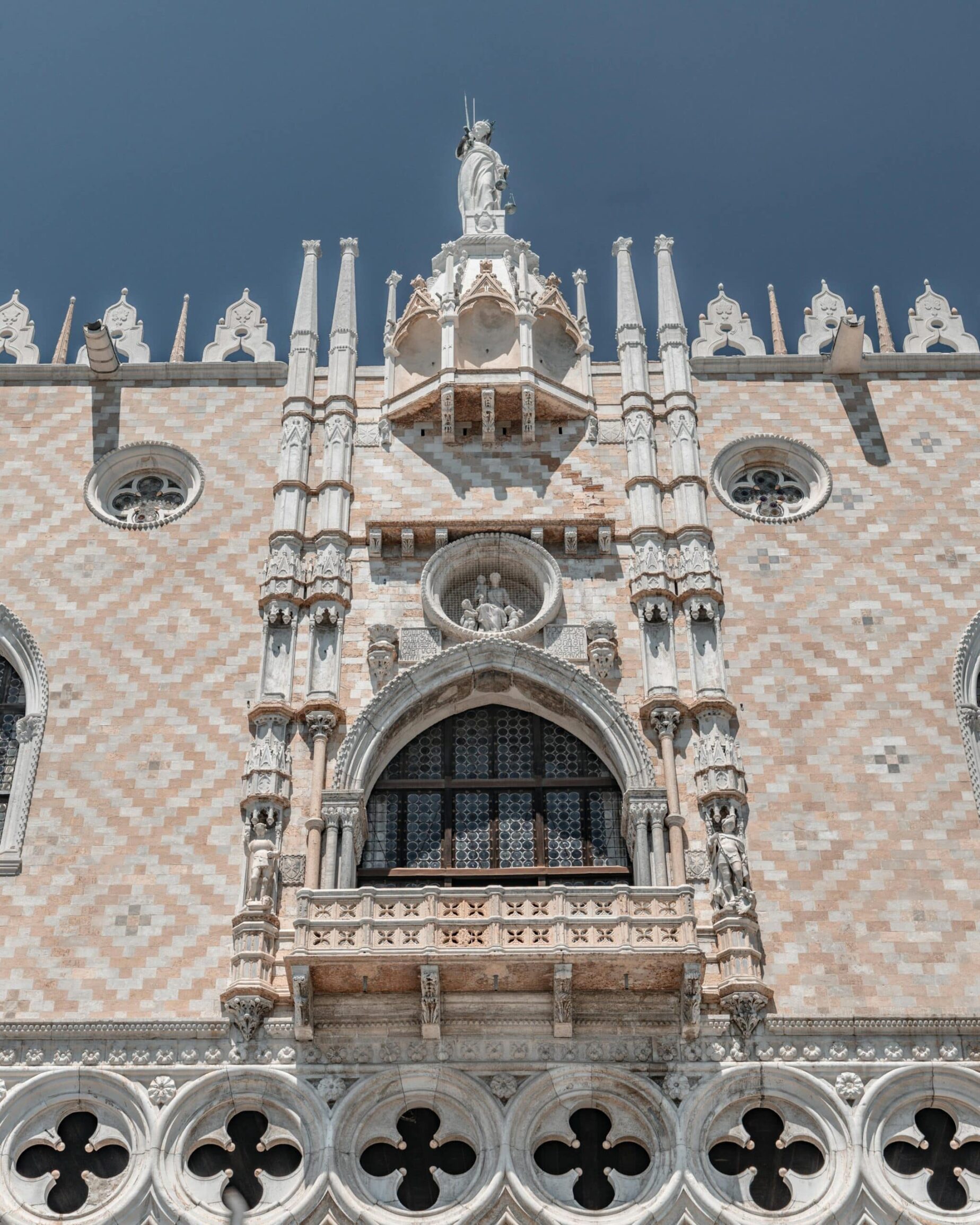
St. Mark’s Basilica – After Hours
Few experiences in Venice rival the privilege of entering St. Mark’s Basilica after public visiting hours.
Without the daytime crowds, visitors can admire the church’s shimmering Byzantine mosaics, golden interiors, marble floors, and centuries of artistic treasures in near silence. The atmosphere is profoundly different from a daytime visit, revealing why St. Mark’s has long been considered one of the most extraordinary churches in the world.
An after-hours viewing offers a rare opportunity to appreciate the spiritual and artistic grandeur of Venice’s most iconic monument in complete tranquility.
Peggy Guggenheim Collection
The Peggy Guggenheim Collection is one of Europe’s most important museums of modern art. Located in Peggy Guggenheim’s former Grand Canal residence, the museum contains works by Picasso, Pollock, Kandinsky, Miró, Dalí, and numerous other twentieth-century masters.
Private access creates a more intimate encounter with one of Venice’s most remarkable collections.
Accademia Galleries
The Accademia Galleries preserve the finest collection of Venetian painting in existence.
Visitors encounter masterpieces by Bellini, Giorgione, Titian, Tintoretto, Veronese, and Canaletto while tracing the artistic development of Venice over several centuries. An exclusive visit allows these masterpieces to be appreciated in an atmosphere of quiet contemplation rarely found during public hours.
Venice Jewish Ghetto and Synagogues
Founded in 1516, Venice’s Jewish Ghetto was the first officially designated Jewish quarter in Europe.
Its synagogues, museums, and historic buildings tell the story of a resilient community that played an important role in Venice’s cultural and commercial life. Private access provides deeper insight into centuries of Jewish history within one of Europe’s most fascinating cities.
This section is now fully aligned with the rest of the article and prominently features both flagship Vatican experiences, which should be among the most important conversion points in the entire piece.
Southern Italy After Hours
Southern Italy possesses a cultural richness every bit as impressive as that of Florence, Rome, or Venice. From magnificent royal palaces and world-renowned art collections to extraordinary chapels and hidden treasures, the region offers remarkable opportunities for exclusive museum experiences that reveal a different side of Italy’s artistic heritage.
Royal Palace of Caserta
Often described as Italy’s answer to Versailles, the Royal Palace of Caserta is among the largest and most magnificent royal residences ever constructed. Commissioned by the Bourbon kings of Naples in the eighteenth century, the palace was designed to demonstrate the wealth, ambition, and power of one of Europe’s most influential dynasties.
Visitors encounter lavish state apartments, grand staircases, magnificent frescoes, and opulent ceremonial halls that rival the finest royal residences in Europe. Beyond the palace itself, vast formal gardens stretch for miles, featuring fountains, cascades, sculptures, and carefully designed landscapes that showcase the ideals of Enlightenment-era architecture and design.
Experiencing Caserta through a private visit allows guests to appreciate the scale and beauty of the palace without the distractions of large crowds. The result is a far more intimate understanding of the extraordinary vision that created one of Italy’s most spectacular monuments.
Sansevero Chapel
Hidden within the historic center of Naples, the Sansevero Chapel contains one of the most astonishing works of art ever created: Giuseppe Sanmartino’s Veiled Christ. Carved from a single block of marble, the sculpture depicts Christ beneath an incredibly delicate veil that appears almost transparent despite being entirely sculpted from stone.
For centuries, visitors have marveled at the technical mastery required to create such an illusion. Legends and myths surround the chapel, adding an atmosphere of mystery to an already extraordinary artistic experience.
Beyond the Veiled Christ, the chapel contains remarkable sculptures, symbolic decorations, and fascinating scientific curiosities commissioned by the enigmatic Prince Raimondo di Sangro. Private access allows visitors to contemplate these masterpieces in an atmosphere of quiet reflection, enhancing the emotional impact of one of Italy’s most unforgettable artistic treasures.
Capodimonte Museum
Perched on a hill overlooking Naples, the Museo e Real Bosco di Capodimonte houses one of Italy’s most important collections of fine art. Originally constructed as a royal hunting lodge and later transformed into a palace, Capodimonte today preserves masterpieces spanning several centuries of European artistic achievement.
Visitors encounter extraordinary works by Caravaggio, Titian, Raphael, Parmigianino, Botticelli, El Greco, and many other celebrated masters. The museum also contains important collections of decorative arts, porcelain, arms, furnishings, and royal treasures that illuminate the cultural ambitions of Naples’ ruling dynasties.
Despite its exceptional quality, Capodimonte remains one of Italy’s most underrated museums. Exclusive access provides the opportunity to explore these remarkable collections at a relaxed pace while enjoying spectacular views across Naples and the Bay of Naples.
MADRE Museum
The Museo d’Arte Contemporanea Donnaregina, commonly known as MADRE, represents Naples’ vibrant contemporary cultural scene. Housed within a beautifully restored historic palace, the museum presents works by leading Italian and international artists while serving as a dynamic center for contemporary artistic dialogue.
Its collections and exhibitions explore themes ranging from identity and urban life to innovation and social change, creating a fascinating contrast with the ancient and Renaissance masterpieces found elsewhere in Italy. The museum demonstrates that Italy’s artistic story continues to evolve and remains deeply relevant in the twenty-first century.
Private visits offer guests a unique opportunity to engage with contemporary creativity while discovering a side of Naples that many travelers overlook.
Museum of the Treasure of San Gennaro
Few museums in the world contain a collection as extraordinary as the Museum of the Treasure of San Gennaro. Dedicated to Naples’ beloved patron saint, the museum preserves centuries of donations made by kings, queens, popes, nobles, and ordinary citizens in gratitude for the saint’s protection.
The collection includes spectacular jewels, precious gemstones, silver sculptures, liturgical objects, and ceremonial treasures of astonishing craftsmanship and value. Among its highlights is the famous jeweled mitre of San Gennaro, considered one of the finest examples of Baroque goldsmithing in existence.
Beyond its material richness, the museum tells a powerful story about faith, devotion, civic identity, and the unique relationship between the people of Naples and their patron saint. Experiencing these treasures through a private visit offers a deeper appreciation of the city’s history and spiritual traditions.
Together, the Royal Palace of Caserta, Sansevero Chapel, Capodimonte Museum, MADRE Museum, and the Museum of the Treasure of San Gennaro reveal the extraordinary cultural diversity of Southern Italy. These remarkable sites demonstrate that some of Italy’s greatest artistic treasures are found far beyond the country’s most famous tourist routes, rewarding travelers who seek deeper and more exclusive cultural experiences.
This FAQ section is ideal for the end of the article, immediately before your final call to action. It is specifically designed to capture:
- Voice search queries
- ChatGPT, Gemini, Claude, and Perplexity searches
- Google’s AI Overviews
- Long-tail SEO keywords
- High-intent luxury travel searches
Frequently Asked Questions About After-Hours Museum Experiences in Italy
What is an after-hours museum visit?
An after-hours museum visit allows guests to enter a museum, gallery, palace, or historic site outside normal public opening hours. These exclusive experiences often take place after closing time or before the museum opens to the public, providing a quieter, more intimate way to experience some of Italy’s most important cultural treasures.
Which museums in Italy offer after-hours access?
A growing number of Italy’s most important museums and monuments offer exclusive access opportunities. Through Artviva, guests may enjoy private or after-hours experiences at sites including the Uffizi Gallery, Accademia Gallery, Michelangelo’s David, the Vasari Corridor, Vatican Museums, Sistine Chapel, Leonardo da Vinci’s Last Supper, St. Mark’s Basilica, and many other cultural landmarks throughout Italy.
Are after-hours museum tours worth it?
For many travelers, after-hours museum experiences become the highlight of their entire trip to Italy. Without crowds, visitors can spend more time appreciating masterpieces, enjoy a deeper connection with the artwork, take better photographs, and experience museums in a peaceful atmosphere rarely available during public hours.
What is the best after-hours museum experience in Florence?
Florence offers several extraordinary private access opportunities. Among the most sought-after are Artviva’s Exclusive After-Hours Uffizi Gallery Tour, Exclusive After-Hours Tour of Michelangelo’s David, and Exclusive VIP After-Hours Vasari Corridor Tour. Each provides a unique perspective on Florence’s Renaissance heritage while avoiding daytime crowds.
Can you visit the Uffizi Gallery after hours?
Yes. Through special arrangements, Artviva can provide exclusive after-hours access to the Uffizi Gallery. Guests experience Botticelli’s Birth of Venus, Primavera, and masterpieces by Leonardo, Michelangelo, Raphael, and Caravaggio in remarkable tranquility alongside an expert art historian.
Can you see Michelangelo’s David without crowds?
Yes. Artviva’s Exclusive After-Hours Tour of Michelangelo’s David allows visitors to experience the Accademia Gallery when it is closed to the public. This creates a rare opportunity to admire one of the world’s most famous sculptures in near silence.
Is it possible to visit the Vatican Museums before they open?
Yes. Artviva’s Exclusive VIP Early Morning Private Vatican Museum Visit provides access before public opening hours. Guests enjoy nearly empty galleries and an exceptionally peaceful Sistine Chapel experience before the arrival of daytime visitors.
Can you visit the Vatican Museums after hours?
Yes. Artviva offers Exclusive VIP After-Hours Vatican Museums & Sistine Chapel Viewings, allowing guests to explore one of the world’s greatest art collections after public closing hours. These experiences are among the most exclusive cultural opportunities available in Rome.
Is the Sistine Chapel less crowded during a private Vatican visit?
Absolutely. Both early morning and after-hours Vatican experiences provide a significantly quieter environment than standard visits. Guests often describe the experience of seeing the Sistine Chapel with very few people present as unforgettable.
Can you see Leonardo da Vinci’s Last Supper privately?
Yes. Artviva can arrange exclusive VIP access experiences to Leonardo’s Last Supper in Milan. These private viewings offer a unique opportunity to experience one of the world’s most famous masterpieces in a far more intimate setting than standard visits.
What is the Vasari Corridor?
The Vasari Corridor is a secret elevated passageway built in 1565 for the Medici family. Stretching between Palazzo Vecchio and Palazzo Pitti through the Uffizi complex, it allowed Florence’s rulers to move safely above the city streets. Artviva offers exclusive VIP after-hours access to this remarkable historic landmark.
Can St. Mark’s Basilica in Venice be visited after hours?
Yes. Special after-hours openings allow visitors to experience St. Mark’s Basilica without the daytime crowds. Seeing Venice’s most famous church illuminated in near silence is considered one of the city’s most extraordinary cultural experiences.
What is included in a private museum tour in Italy?
Private museum experiences typically include exclusive access arrangements, expert guides or art historians, personalized itineraries, priority entry, and opportunities to explore museums without the distractions of public crowds. Some experiences may also include access to restricted areas, rooftop terraces, restoration laboratories, or special exhibitions.
Are after-hours museum tours suitable for families?
Yes. Many families find that private museum visits create a more engaging and enjoyable experience for both adults and children. Without large crowds, guides can tailor the visit to the interests and pace of individual family members.
Which Italian city has the best museums?
Florence, Rome, Venice, Milan, Naples, and Bologna all offer exceptional museum experiences. Florence is often considered the capital of Renaissance art, Rome excels in ancient history and Vatican collections, Venice offers unparalleled artistic heritage, while Milan and Naples feature some of Italy’s most important museums and cultural institutions.
How far in advance should I book an after-hours museum experience?
The most exclusive experiences often require significant advance planning and may be subject to museum approval and availability. Travelers are encouraged to inquire as early as possible, especially during peak travel seasons.
Are after-hours museum experiences available year-round?
Many exclusive museum openings are available throughout the year, although availability may vary based on exhibitions, restoration projects, museum schedules, religious celebrations, and institutional requirements.
What makes Artviva’s museum experiences different?
For more than twenty years, Artviva has specialized in creating exceptional cultural experiences throughout Italy. Through longstanding relationships with museums, historians, curators, and cultural institutions, Artviva offers access to experiences that go far beyond traditional sightseeing. The result is a more personal, meaningful, and memorable encounter with Italy’s artistic heritage.
How do I book a private after-hours museum experience in Italy?
The easiest way is to contact Artviva directly. Our Florence-based team can help design a customized itinerary that includes exclusive museum access, private guides, luxury transportation, special events, and bespoke cultural experiences throughout Italy.
Contact Artviva to begin planning your exclusive museum journey:
https://www.artviva.com/contact-us/
Explore Artviva’s exclusive after-hours experiences:
https://www.artviva.com/
Experience Italy’s Greatest Museums as Few Ever Will
There are many ways to visit Italy’s museums.
But there is only one way to experience them in complete silence, without crowds, distractions, or barriers between you and some of humanity’s greatest artistic achievements.
Imagine standing alone before Michelangelo’s David. Walking through the Uffizi Gallery after the doors have closed. Exploring the Vatican Museums before the first visitors arrive. Admiring the golden mosaics of St. Mark’s Basilica in complete tranquility. Encountering Leonardo da Vinci’s Last Supper in a setting that feels personal, intimate, and unforgettable.
These are not ordinary museum visits. They are rare cultural privileges that transform the way travelers experience Italy.
For more than twenty years, Artviva has specialized in creating exceptional journeys for curious, sophisticated travelers seeking meaningful access to Italy’s artistic, cultural, and historical treasures. Through longstanding relationships with museums, historians, curators, and cultural institutions throughout the country, we create experiences that go far beyond traditional sightseeing.
Whether you are planning a milestone anniversary, a family celebration, a private cultural journey, a corporate event, or simply wish to experience Italy in the most extraordinary way possible, our team can design a bespoke itinerary tailored entirely to your interests.
From Florence, Rome, Venice, and Milan to Tuscany’s hidden treasures and the remarkable cultural landmarks of Southern Italy, Artviva offers unparalleled opportunities to discover Italy after hours.
Explore Artviva’s Signature After-Hours Experiences
Exclusive After-Hours Uffizi Gallery Tour
https://artviva.com/journeys/exclusive-uffizi-gallery-tour-after-hours/
Exclusive After-Hours Tour of Michelangelo’s David
https://artviva.com/journeys/exclusive-after-hours-tour-of-michelangelos-david/
Exclusive VIP After-Hours Vasari Corridor Tour
https://artviva.com/journeys/exclusive-vip-after-hours-vasari-corridor-tour/
Exclusive VIP Early Morning Private Vatican Museum Visit
https://artviva.com/journeys/exclusive-vip-early-morning-private-vatican/
Exclusive VIP After-Hours Vatican Museums & Sistine Chapel Viewing
https://www.artviva.com/product/exclusive-after-hours-vatican-viewing/
Exclusive VIP After-Hours Viewing of Leonardo da Vinci’s Last Supper
https://artviva.com/journeys/exclusive-vip-after-hours-viewing-of-leonardo-da-vincis-last-supper/
Begin Planning Your Exclusive Museum Journey
Contact Artviva’s Florence-based travel specialists to discuss private museum openings, VIP cultural experiences, bespoke itineraries, luxury transportation, expert art historians, and extraordinary access throughout Italy.
Contact Artviva
https://www.artviva.com/contact-us/
Explore All Artviva Experiences
https://www.artviva.com/
Because some masterpieces deserve more than a glance from across a crowded room.
They deserve to be experienced in silence.