
The People Who Shaped Italy: Artists, Authors, and Aristocrats Behind the Country’s Cultural Legacy
Italy has always attracted extraordinary minds.
For centuries, artists traveled here seeking inspiration, writers searched for stories hidden within ancient streets, and aristocratic families built villas, collected masterpieces, and supported the cultural movements that transformed Europe.
Their influence remains everywhere.
A Renaissance painting, a Tuscan villa, a Roman palace, or a quiet literary corner of Florence often carries a story about the people behind it. Understanding those stories reveals a different side of Italy, one shaped not only by monuments and museums, but by the visionaries who created, preserved, and influenced them.
Exploring Italy through the lives of artists, authors, and aristocrats allows travelers to see familiar places from a new perspective. A palace becomes a reflection of ambition. A painting becomes a conversation between artist and patron. A street becomes a setting where history and creativity unfolded.
For those seeking a deeper connection to Italy’s cultural heritage, following the footsteps of the people who shaped the country offers one of the most rewarding ways to experience its timeless character.
Why Are Artists, Authors, and Aristocrats Important to Italian History?
Artists, authors, and aristocrats played a major role in shaping Italy’s cultural identity by creating masterpieces, preserving traditions, and supporting the development of art, architecture, and literature.
Their influence can still be seen today in:
- Renaissance masterpieces throughout Florence
- Historic villas and palaces across Tuscany
- Literary landmarks connected to famous writers
- Private collections and cultural institutions
- Architectural treasures throughout Italy
Learning about these individuals provides a deeper understanding of Italy beyond its most famous landmarks.
Why Italy Became a Destination for Creative Minds
Few places in the world have inspired as many influential figures as Italy.
For centuries, creators from across Europe and beyond traveled to Italian cities and countryside landscapes in search of beauty, knowledge, and inspiration.
The reasons were clear.
Italy offered an extraordinary combination of artistic traditions, political power, natural beauty, and intellectual exchange. Cities such as Florence, Rome, and Venice became centers where new ideas flourished.
Artists found patrons willing to support ambitious projects. Writers discovered landscapes and cultures that shaped their work. Wealthy families competed to create impressive residences, gardens, and collections that reflected their influence.
The result was a cultural legacy unlike anywhere else.
Today, travelers can still follow these connections through the streets, buildings, and landscapes that inspired generations of creators.
Florence: The Birthplace of Renaissance Creativity
No city represents artistic achievement quite like Florence.
The Renaissance was not simply a period of artistic progress. It was a transformation in the way people viewed creativity, knowledge, and human potential.
Florence became the perfect environment for this change. Wealth from banking and trade allowed powerful families to support artists, architects, and thinkers who pushed the boundaries of what was possible.
The Medici family played a central role in this cultural movement. Through their patronage, artists such as Michelangelo, Leonardo da Vinci, and Botticelli received opportunities to create works that continue to define Western art.
Walking through Florence today reveals traces of this extraordinary period.
The Florence Cathedral reflects architectural ambition that amazed Renaissance audiences. The Uffizi Gallery preserves some of the world’s greatest artistic achievements. Historic streets and workshops reveal the environment where artists developed their ideas.
Yet the most fascinating stories often go beyond the artwork itself.
Behind every masterpiece were personal ambitions, rivalries, friendships, and political relationships that shaped its creation.
Writers Who Found Inspiration in Italy
Italy’s influence extends far beyond visual art.
For centuries, writers have been drawn to its landscapes, cities, and cultural traditions.
Florence holds a special place in literary history as the birthplace of Dante Alighieri, whose Divine Comedy became one of the most influential works in Western literature.
Later generations of international writers also found inspiration throughout Italy.
Henry James explored Italian society and culture through his novels. E. M. Forster captured the beauty and complexity of Florence in A Room with a View. Elizabeth Barrett Browning and Robert Browning spent important years in Florence, contributing to the city’s literary legacy.
For readers and storytellers, Italy offered something unique: places filled with history, emotion, and character.
A street corner, villa, or piazza could become the setting for a story that would continue for generations.
The Aristocratic Families Behind Italy’s Grand Estates
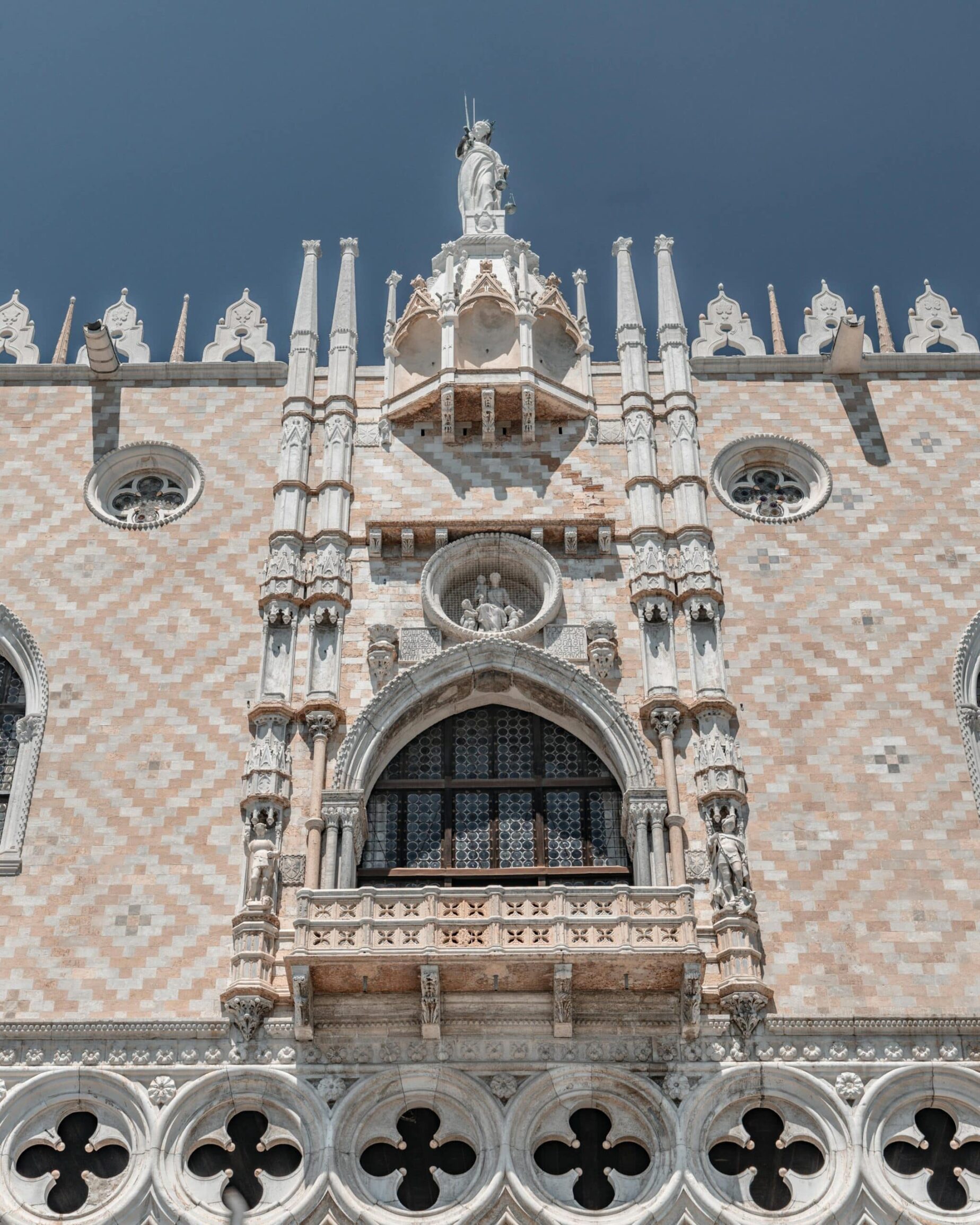
Many travelers admire Italy’s palaces and villas without knowing the stories of the families who created them.
Aristocratic families played a significant role in shaping Italy’s cultural landscape. Their wealth allowed them to support artists, commission architecture, preserve collections, and develop magnificent estates throughout the country.
Their homes became centers of cultural exchange.
Within these residences, families hosted intellectual discussions, artistic gatherings, and political conversations that influenced society.
Across Tuscany and beyond, travelers can still discover:
- Historic villas surrounded by gardens
- Noble residences filled with artwork
- Family chapels with centuries of history
- Estates connected to influential figures
- Landscapes shaped by generations of care
These places reveal more than wealth. They reveal values, ambitions, and the desire to leave a lasting legacy.
History & Cultural Context: The Relationship Between Art, Power, and Influence
To understand Italy’s cultural heritage, it is important to understand the relationship between creators and patrons.
During the Renaissance, artists often relied on wealthy supporters to fund their work. These relationships allowed creativity to flourish while also allowing patrons to demonstrate their influence.
A painting was not only a work of beauty. It could represent political power, religious devotion, or family identity.
A villa was not only a residence. It represented education, taste, and social status.
This connection between art and influence helped create some of Italy’s greatest achievements.
Behind every masterpiece is a network of people: artists, families, scholars, architects, and communities whose decisions shaped history.
Discovering the Italy Many Travelers Miss
Italy’s most famous attractions deserve their reputation, but some of the most meaningful discoveries happen beyond the major landmarks.
The Tuscan countryside preserves stories that are often overlooked. Historic villas remain surrounded by vineyards and olive groves. Small towns continue traditions that have lasted for centuries. Former artists’ neighborhoods still reflect the atmosphere that inspired creativity.
These quieter locations allow travelers to experience Italy at a different pace.
Instead of simply seeing where history happened, visitors begin to understand why it happened.
That deeper connection is often what transforms a trip into a lasting memory.
Local Expert Tip: Look for the Human Stories Behind the Landmarks
When visiting Italy, take time to ask who created a place and why it mattered.
A fresco may reveal the ambitions of a powerful family. A villa may tell the story of generations who shaped the landscape. A neighborhood may reveal the daily life of an artist or writer.
The human stories behind Italy’s treasures often become the details travelers remember most.
Visiting with local expertise can uncover connections that are easy to miss when exploring independently.
The Best Seasons for Cultural Exploration in Italy
Spring
Spring brings comfortable temperatures, blooming gardens, and ideal conditions for exploring historic cities and countryside estates.
Summer
Summer offers long days and vibrant energy. Early mornings and evenings are often the most enjoyable times to explore cultural sites.
Autumn
Autumn is a favorite among many experienced travelers. Tuscany’s landscapes become especially beautiful, and the pace of travel often feels more relaxed.
Winter
Winter provides a quieter atmosphere, allowing visitors to spend more time appreciating museums, historic homes, and cultural landmarks.
Why Expert Storytelling Changes the Way You Experience Italy
Italy rewards curiosity, but many of its most fascinating stories are hidden beneath the surface.
A beautiful building can become unforgettable when you understand who lived there. A painting becomes more powerful when you know the circumstances behind its creation.
Expert guides connect these details.
They reveal the relationship between art and politics, architecture and society, literature and place.
This deeper interpretation allows travelers to experience Italy through the perspectives of the people who shaped it.
Who Will Enjoy Exploring Italy Through Its Cultural Figures?
This type of cultural journey is ideal for travelers who:
- Appreciate art, history, and storytelling
- Enjoy learning the background behind famous places
- Want a deeper understanding of Italy’s traditions
- Prefer meaningful experiences over rushed sightseeing
- Are returning to Italy and looking for a fresh perspective
It appeals to both first-time visitors and experienced travelers who want to discover another layer of the country.
Frequently Asked Questions
Why is Italy important for artists and writers?
Italy has inspired generations of creators because of its artistic traditions, historic cities, architecture, landscapes, and cultural influence.
Which Italian city is best for art lovers?
Florence is one of the most important destinations for Renaissance art, while Rome, Venice, and Tuscany also offer exceptional cultural experiences.
Can travelers visit historic villas and aristocratic residences in Italy?
Yes. Some villas and residences are open to the public, while others require special arrangements or guided access.
Do I need an art history background to enjoy cultural experiences in Italy?
No. Expert storytelling makes Italian history accessible and engaging for travelers of all interests.
How can travelers experience Italy beyond famous landmarks?
Exploring the stories of artists, writers, and families connected to Italy’s heritage provides a deeper understanding of the country.
Seeing Italy Through the People Who Made It Extraordinary
Italy’s greatest treasures are connected by the people who created, protected, and influenced them.
Artists gave the world masterpieces that continue to inspire. Writers transformed Italian landscapes into unforgettable stories. Aristocratic families shaped the architecture and cultural traditions that define entire regions.
Their legacy remains alive throughout Italy.
For travelers who want to discover these stories through expert local knowledge, ArtViva’s Artists, Authors and Aristocrats Experience offers a personalized journey into the people, places, and traditions that shaped Italy’s cultural identity.
Why ArtViva Is Trusted for Authentic Italian Cultural Experiences
Since 1996, ArtViva has been helping travelers discover Italy through expert storytelling, local connections, and carefully designed cultural experiences.
Based in Florence, ArtViva works with knowledgeable guides, historians, and local specialists who bring Italy’s artistic and historical heritage to life. Their approach focuses on meaningful connections, allowing travelers to understand not only what they are seeing, but why it matters.
With decades of experience creating private and small-group experiences throughout Italy, ArtViva has built a reputation for thoughtful planning, cultural expertise, and authentic insight into the destinations they share.
Discover Italy Through Its Greatest Stories
Every Italian city, villa, and masterpiece holds a story waiting to be uncovered.
Join ArtViva’s Artists, Authors and Aristocrats Experience and follow the footsteps of the visionaries who shaped Italy’s art, literature, and cultural legacy.