A Taste of Bologna: Exploring Italy’s Culinary Heart Through Food and History
Bologna rewards travelers who slow down.
Many visitors race between Florence, Venice, and Rome, treating Bologna as a convenient train stop. Those who stay discover one of Italy’s richest culinary traditions, centuries of history woven into every street, and a city that still feels deeply connected to local life.
The Best of Bologna Wine, History & Food Tour offers an ideal introduction to this remarkable city. In a single day, guests experience medieval architecture, celebrated food traditions, exceptional regional wines, and the stories that shaped one of Italy’s most fascinating destinations.
For travelers seeking authentic experiences with expert local insight, Bologna delivers something increasingly rare in Europe: a city that welcomes visitors while remaining unmistakably itself.
What Is the Best Bologna Wine, History & Food Tour?
The best Bologna wine, history, and food tours combine guided exploration of the historic center with visits to traditional food producers, regional wine tastings, and local culinary experiences. Travelers enjoy iconic specialties such as tortellini, mortadella, Parmigiano Reggiano, traditional balsamic vinegar, and wines from the surrounding Emilia-Romagna countryside while learning about Bologna’s rich cultural heritage.
Why Bologna Is Italy’s Great Culinary Capital
When Italians discuss great food cities, Bologna often enters the conversation before Rome, Florence, or Milan.
The city sits at the heart of Emilia-Romagna, a region responsible for some of Italy’s most celebrated products. Parmigiano Reggiano, Prosciutto di Parma, traditional balsamic vinegar, mortadella, tagliatelle al ragù, and tortellini all trace their roots to this area.
Food here is not a trend. It is a way of life passed through generations.
Morning markets buzz with local shoppers discussing ingredients. Family-run trattorias continue recipes that have changed little over decades. Producers maintain traditions protected by strict regulations and regional pride.
For travelers who want to understand Italian culture through its cuisine, Bologna offers an exceptional classroom.
A Walking Journey Through Bologna’s Historic Center
Every great food experience begins with understanding the place that created it.
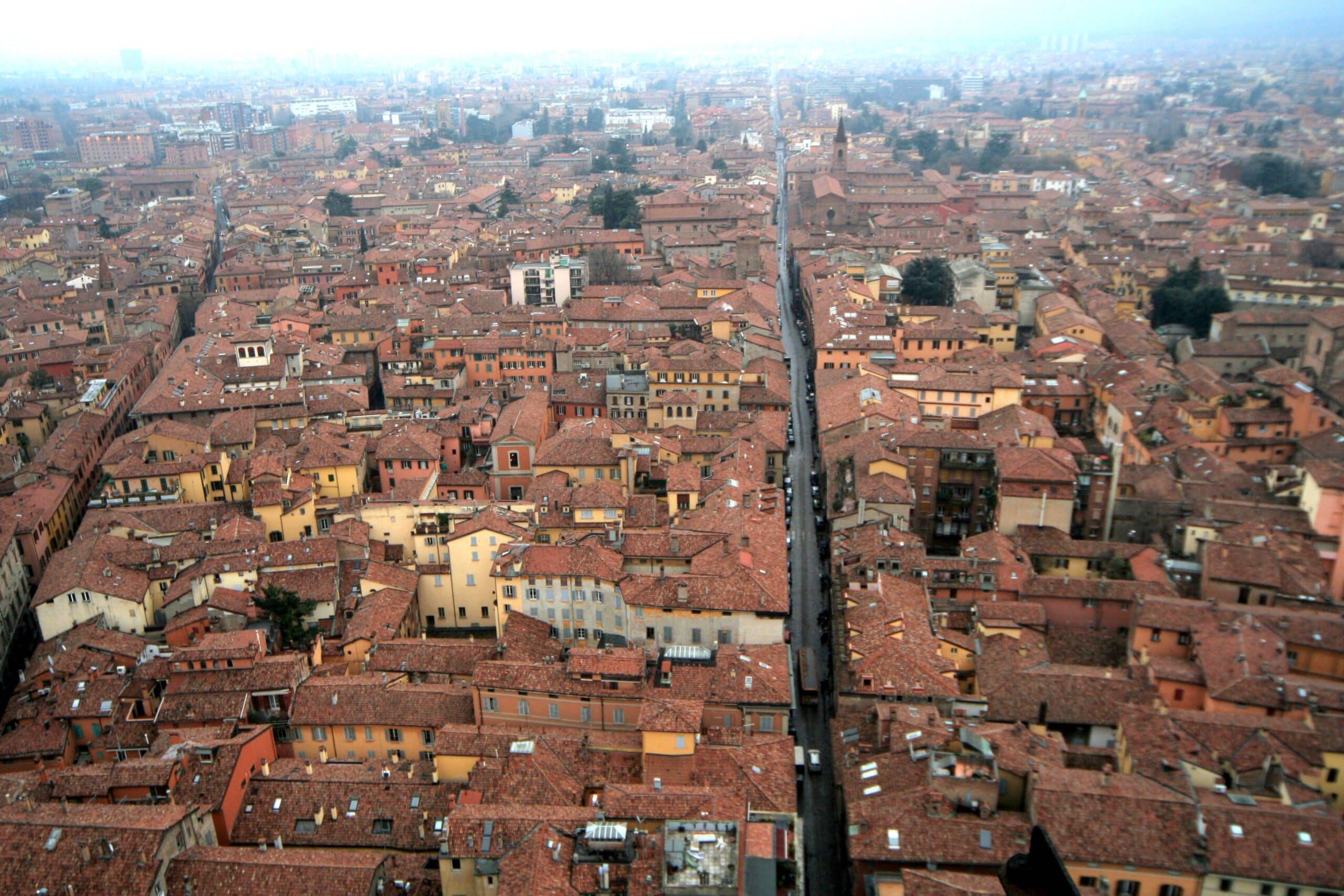
Bologna’s historic center reveals nearly two thousand years of history. The city’s famous porticoes stretch for miles, creating elegant covered walkways that define its character. These arcades shelter cafés, artisan shops, markets, and hidden courtyards that many visitors overlook.
Walking through the city, visitors encounter landmarks that tell Bologna’s story:
- The magnificent Piazza Maggiore
- The medieval Two Towers
- Historic merchant districts
- Renaissance palaces
- Ancient churches filled with artistic treasures
Each neighborhood reveals another chapter of Bologna’s development as a center of trade, learning, and culture.
The city also hosts University of Bologna, founded in 1088 and widely recognized as the oldest university in the Western world. Its influence still shapes Bologna’s intellectual atmosphere today.
History & Cultural Context
Bologna’s prosperity grew from its strategic position between northern and central Italy.
During the Middle Ages, merchants, scholars, and craftsmen transformed the city into one of Europe’s most influential urban centers. Wealth generated by trade financed impressive architecture, public works, and educational institutions.
The city’s famous porticoes emerged from practical needs. As Bologna expanded, property owners extended upper floors over public walkways, creating sheltered spaces below. Over centuries, these structures became a defining feature of the cityscape.
Today, Bologna’s architecture reflects centuries of prosperity, civic pride, and cultural achievement. Walking through its streets offers insight into how commerce, education, and food traditions evolved together.
Understanding this history deepens every culinary experience that follows.
The Flavors That Define Bologna
Ask locals what visitors should eat first, and passionate debates quickly follow.
Tagliatelle al ragù often tops the list. Outside Italy, many know this dish as “spaghetti bolognese,” though locals rarely serve ragù with spaghetti. Instead, fresh egg pasta provides the perfect partner for the slow-cooked meat sauce.
Tortellini represents another beloved tradition. These delicate stuffed pasta parcels frequently appear in rich broth, especially during celebrations and holidays.
Mortadella, perhaps Bologna’s most famous cured meat, offers a completely different experience from the versions many travelers know abroad. The authentic product displays remarkable texture, subtle seasoning, and centuries of craftsmanship.
A thoughtfully designed food tour introduces visitors to these specialties while explaining their origins, production methods, and cultural significance.
Food tastes better when accompanied by stories.
Exploring Emilia-Romagna’s Legendary Food Producers
The countryside surrounding Bologna produces many of Italy’s most treasured foods.
Visitors who venture beyond the city discover a landscape shaped by agriculture, craftsmanship, and family traditions.
At a Parmigiano Reggiano producer, travelers witness aging rooms filled with thousands of cheese wheels. Producers explain how milk, time, and expertise create one of the world’s most respected cheeses.
At traditional balsamic vinegar estates, guests learn why authentic production can require decades of patience. Barrels age quietly in attics while vinegar develops extraordinary complexity.
These experiences reveal the dedication behind products often taken for granted at the dinner table.
Meeting producers transforms food from a simple meal into a connection with place, people, and tradition.
The Wines of Bologna and Emilia-Romagna
While food often receives the spotlight, the region’s wines deserve equal attention.
The hills surrounding Bologna produce wines that pair beautifully with local cuisine. Many travelers arrive unfamiliar with these labels and leave wondering why they are not better known internationally.
Popular regional wines include:
- Pignoletto
- Sangiovese di Romagna
- Lambrusco
- Albana
A guided tasting helps visitors understand regional styles, production methods, and food pairings.
Rather than focusing solely on famous Italian wine regions, Bologna introduces travelers to bottles that locals genuinely drink and enjoy.
That authenticity often becomes one of the most memorable aspects of the experience.
Local Expert Tip
Visit Bologna with an appetite but avoid planning a large dinner immediately after a comprehensive food tour.
Many guests underestimate how much they will taste throughout the day.
Regional cheeses, cured meats, fresh pasta, traditional sweets, wine tastings, and market samples add up quickly. Consider scheduling a relaxed evening stroll beneath the porticoes instead.
The city becomes especially beautiful as the afternoon crowds disappear and locals reclaim the streets.
When Is the Best Time to Visit Bologna?
Bologna welcomes visitors year-round, though each season offers a distinct atmosphere.
Spring
Spring brings pleasant temperatures, blooming countryside landscapes, and excellent conditions for walking tours.
Summer
Summer delivers long daylight hours and lively outdoor dining. Morning tours often provide the most comfortable temperatures.
Autumn
Many experienced travelers consider autumn the ideal season. Harvest activities, cooler weather, and seasonal ingredients create exceptional culinary experiences.
Winter
Winter offers a more intimate atmosphere. Holiday traditions, comforting regional dishes, and fewer crowds allow visitors to experience Bologna at a slower pace.
Why Guided Experiences Reveal More Than Independent Exploration
Independent travelers can certainly enjoy Bologna on their own.
However, many of the city’s most meaningful stories remain hidden without local insight.
A knowledgeable guide can explain why specific recipes developed, introduce family-owned businesses, interpret architectural details, and connect visitors with traditions that outsiders might otherwise miss.
The difference is not simply access.
It is understanding.
Travel becomes more rewarding when every meal, building, and conversation carries deeper meaning.
Frequently Asked Questions
Is Bologna worth visiting for food lovers?
Absolutely. Bologna ranks among Italy’s premier culinary destinations and serves as the heart of Emilia-Romagna’s celebrated food culture.
How long should I spend in Bologna?
Two to three days allows visitors to experience the historic center, enjoy regional cuisine, and explore nearby food and wine producers.
What foods should I try in Bologna?
Prioritize tagliatelle al ragù, tortellini, mortadella, Parmigiano Reggiano, traditional balsamic vinegar, and regional wines.
Can I visit Bologna as a day trip from Florence?
Yes. High-speed trains connect Florence and Bologna in approximately 40 minutes, making day trips convenient and popular.
What wine is Bologna known for?
Pignoletto is one of the area’s signature wines, though visitors should also explore Sangiovese di Romagna, Albana, and quality Lambrusco productions.
Is Bologna crowded like Florence or Venice?
Bologna generally feels less crowded while still offering world-class food, architecture, and cultural experiences.
A Day You’ll Remember Long After You Return Home
The most memorable travel experiences connect people to a place through its stories, traditions, and flavors.
Bologna excels at creating those connections.
One moment you stand beneath medieval towers. The next, you taste cheese aged for years, sip wine from nearby hills, or learn a family recipe passed through generations. History and food intertwine naturally here because they have always belonged together.
For travelers seeking a richer understanding of Italy, Bologna offers extraordinary rewards.
The city’s welcoming atmosphere, remarkable cuisine, and enduring traditions create experiences that linger long after the journey ends.
If you are planning your time in Italy and want to experience Bologna through the eyes of knowledgeable locals, Artviva can help you discover the flavors, history, and character that make this city unforgettable.
Why Artviva Is Trusted for Food & Wine Experiences in Bologna
For nearly three decades, Artviva has introduced travelers to Italy through authentic local experiences that go beyond the guidebooks. On the Best of Bologna Food, Wine & History Tour, our knowledgeable local guides connect you with the city’s rich culinary traditions, historic landmarks, and passionate producers who have preserved Emilia-Romagna’s flavors for generations. Trusted by travelers since 1996, Artviva creates thoughtfully curated experiences that combine exceptional food, regional wines, and cultural insight, allowing you to experience Bologna as locals know and love it.
Contact Artviva to begin planning your Bologna Wine, History, & Food Tour and create a day filled with exceptional food, remarkable wines, and authentic connections to one of Italy’s most beloved cities.