
Casentino Valley Castles in Tuscany: Legends, Landscapes, and Medieval Power
The Casentino Valley Castles in Tuscany offer a side of the region that many travelers never reach. Just beyond Florence, wooded hills open into a landscape shaped by medieval fortresses, ancient pilgrimage routes, and villages that still carry the rhythm of centuries past.
Here, history is not preserved behind glass. It rises from stone walls, forested ridges, and hilltop silhouettes that once guarded political power and local identity. The Casentino remains one of Tuscany’s most atmospheric valleys, where legend and history sit side by side.
Medieval Power in the Casentino Valley
The Casentino Valley once formed a crucial corridor between Florence and northern Italy. Control of its heights meant control of trade, movement, and influence.
Castles here were not symbolic structures. They were active instruments of governance. Noble families established fortified residences to oversee agricultural land, protect trade routes, and assert territorial authority in a region frequently shaped by shifting alliances.
Many visitors overlook how interconnected these strongholds were. Each one formed part of a wider political and cultural system, where rival houses, religious institutions, and rural communities shaped daily life in complex ways.
Castles, Communities, and Everyday Life in the Casentino Valley
Life in the Casentino was defined by proximity to both protection and pressure. Villages developed in the shadow of fortresses, while monasteries and rural estates influenced farming, literacy, and local customs.
The deeper story lies in how these communities adapted to both conflict and continuity. While noble families shaped political direction, ordinary residents maintained agricultural cycles, religious festivals, and seasonal trade that sustained the valley’s economy.
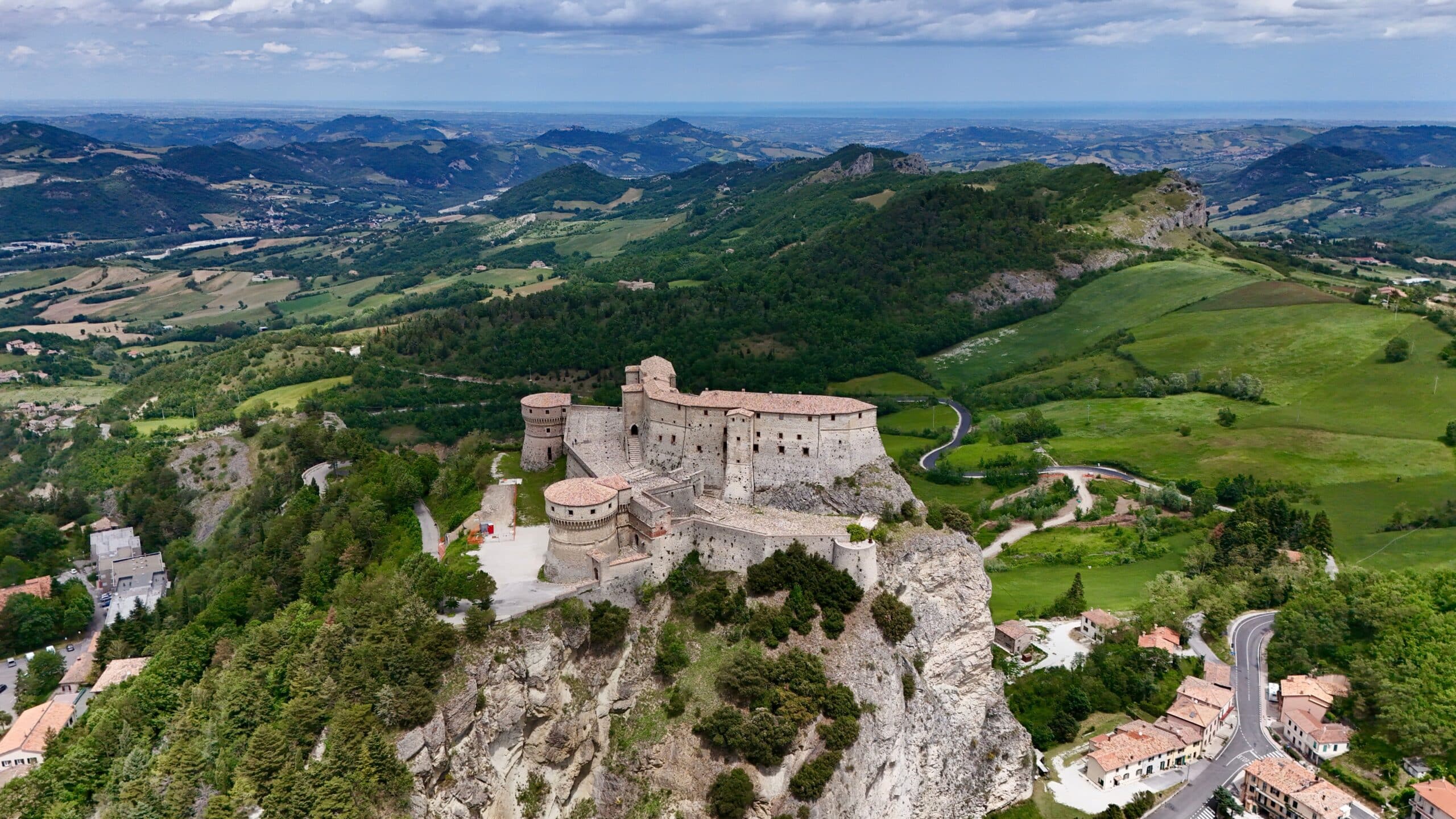
What most travelers never realize is how much of this structure still lingers in the landscape today. Stone towers, fortified gates, and village layouts reflect centuries of adaptation rather than sudden transformation.
Why the Casentino Still Captivates Modern Travelers
In a region often defined by Florence, Siena, and the Chianti hills, the Casentino offers a quieter but deeply meaningful historical layer.
It reveals Tuscany before it became a Renaissance symbol. A place where faith, warfare, and rural life were tightly interwoven.
For modern travelers, its appeal lies in contrast. The Casentino does not perform history. It lives it. Forests soften medieval outlines, while hilltop villages preserve a sense of continuity that feels rare in much of Italy.
Local Expert Insight About the Casentino Valley
Local historians often point out that the Casentino Valley is one of the few places in Tuscany where medieval geography still shapes modern experience. Roads, settlements, and sightlines follow patterns established long before modern planning.
What makes this significant is not only preservation, but perspective. Viewing the valley through historical context changes how its castles and villages are understood. They become part of a living system rather than isolated monuments.
Planning a Meaningful Visit to the Casentino
The Casentino Valley is best experienced with time and flexibility. Distances may appear short, but winding roads and elevation changes shape the rhythm of travel.
Visitors benefit from focusing on depth rather than coverage. Allowing space to pause between viewpoints reveals how closely nature and history interact here.
Comfortable footwear is recommended due to uneven medieval pathways, and layered clothing is useful as microclimates shift quickly between valley floors and forested heights.
Experiencing the Valley Through the Seasons
Spring brings soft light and clear views across the valley, with blooming hillsides framing castle silhouettes. Summer offers long days but warmer inland temperatures, making early morning or late afternoon visits more comfortable.
Autumn is particularly atmospheric, with changing foliage enhancing the valley’s depth and texture. Winter, while quieter, reveals the architectural form of the castles more clearly against bare landscapes.
Each season reshapes how the Casentino is experienced rather than simply visited.
What Travelers Commonly Ask About the Casentino Valley
What is the Casentino Valley known for?
The Casentino Valley is known for its medieval castles, historic villages, and its role as a strategic corridor in Tuscany’s political history.
Are the Casentino castles still intact?
Several castles and fortifications remain partially or fully preserved, often integrated into modern villages or restored historical sites.
How far is the Casentino Valley from Florence?
The valley lies within easy reach of Florence, making it accessible for a full-day cultural exploration of northern Tuscany.
Why is the Casentino less visited than other parts of Tuscany?
Its mountainous geography and quieter development have preserved its historical atmosphere, keeping it outside major tourist routes.
Discovering a Different Side of Tuscany
The Casentino Valley Castles in Tuscany reveal a landscape where history has not been simplified for modern viewing. Instead, it remains layered, textured, and closely tied to the land itself.
This is a place where understanding deepens with context, where each fortress and village gains meaning through the stories that shaped it.
For travelers seeking more than surface impressions of Tuscany, the Casentino offers a rare form of clarity.
To explore this region with greater depth and interpretation, Artviva offers access to expert-led cultural experiences shaped by decades of local knowledge. Conversations with our team can help tailor a meaningful journey into Tuscany’s most quietly powerful valley.
Why Artviva Is Exceptionally Positioned to Reveal Tuscany’s Hidden Stories
For nearly three decades, Artviva has specialized in connecting travelers with the deeper cultural layers of Italy that many visitors never encounter. Since 1996, our team has worked alongside historians, scholars, local experts, and long-established families to create experiences that go far beyond surface-level sightseeing.
This approach is particularly valuable in places like the Casentino Valley, where the significance of a castle, a noble family, or a local legend is not always obvious at first glance. The deeper story often lies in centuries of political alliances, regional rivalries, artistic patronage, and traditions that continue to shape the landscape today. Understanding these connections requires expertise, context, and a genuine passion for Italian history.
Our long-standing presence in Tuscany allows us to collaborate with knowledgeable local specialists who bring these stories to life with accuracy, insight, and perspective. Rather than simply visiting historic places, travelers gain a richer understanding of the people, events, and cultural forces that shaped them.
For those looking to explore the castles, legends, and breathtaking landscapes of the Casentino Valley, Artviva’s Casentino Valley Castles in Tuscany experience offers a unique opportunity to uncover the history and beauty of this remarkable region.