Chianti Castles in Tuscany: Medieval Power, Noble Families, and Living History
The Chianti hills are often associated with vineyards and quiet countryside, yet beneath this landscape lies a powerful medieval history. Stone castles still standing across the region once controlled trade routes between Florence and Siena, shaping the political and cultural identity of Tuscany.
Chianti’s castles are not isolated monuments. They are part of a broader historical system of alliances, rivalries, and rural governance that influenced how the region developed over centuries. Many visitors overlook this deeper layer, focusing instead on scenery alone, yet the history here is inseparable from the land itself.
The Medieval Landscape of Chianti
During the Middle Ages, Chianti was a contested frontier. Florence and Siena competed for control over this elevated countryside, where visibility and terrain made every hilltop strategically valuable.
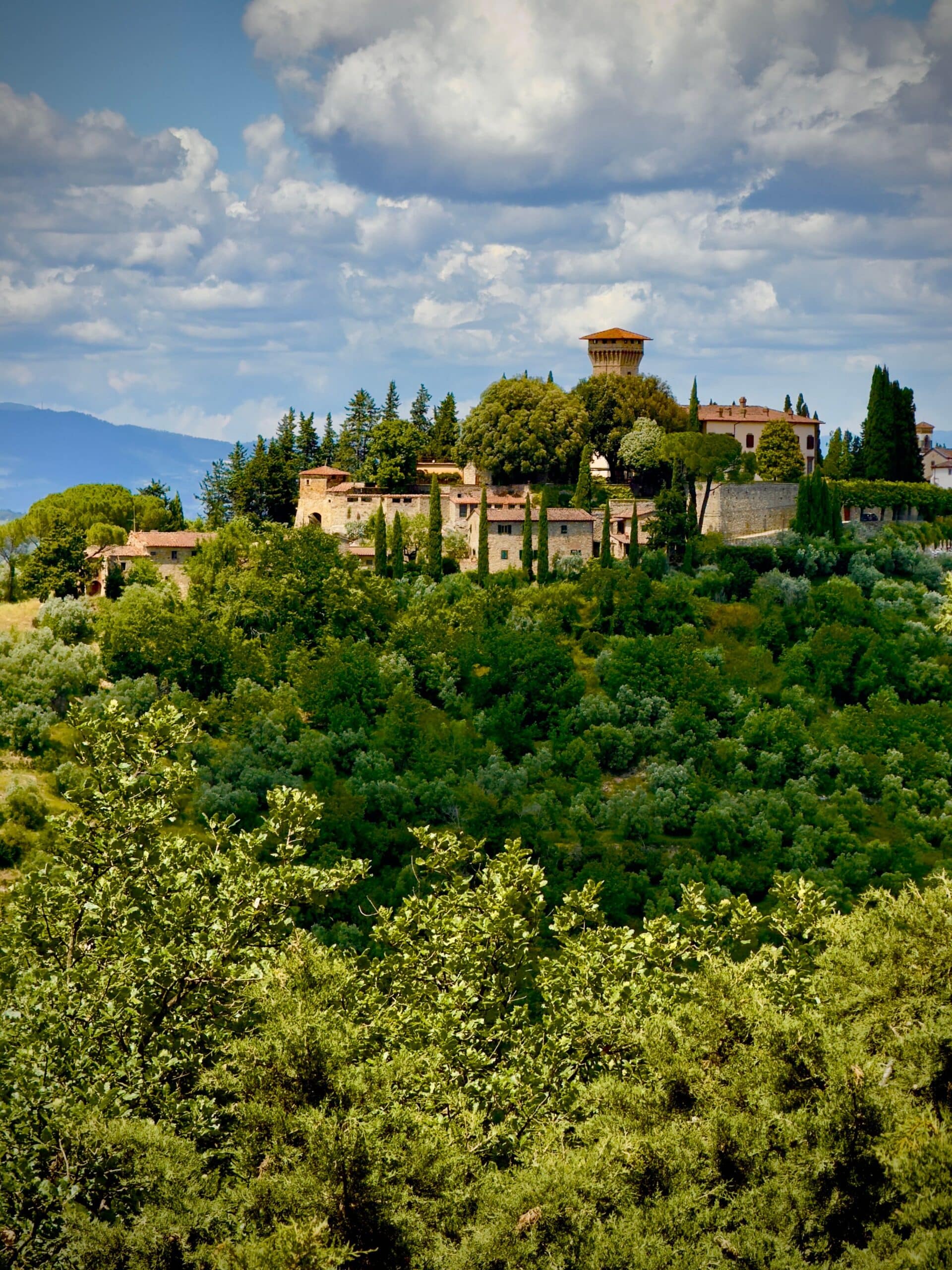
Castles were placed with intention. Their positions allowed surveillance of valleys, protection of trade routes, and control over agricultural production. These were not decorative residences but active instruments of territorial power.
The deeper story lies in how geography shaped politics. The rolling hills that seem peaceful today once defined the boundaries of influence between rival city-states.
Noble Families and Rural Authority
Chianti’s castles were closely tied to noble families who managed land, enforced loyalty, and negotiated shifting alliances. Their authority extended far beyond architecture, shaping the economic and social structure of the region.
These families often balanced allegiance between Florence and Siena depending on political advantage. Marriages, land exchanges, and shifting loyalties determined the fate of entire estates.
What most travelers never realize is that these castles were part of a living rural system where governance, agriculture, and survival were deeply interconnected.
From Fortresses to Cultural Landscapes
Over time, many Chianti castles transitioned from military strongholds into agricultural estates. As political conflicts stabilized, fortified structures adapted to new roles centered on farming and rural management.
This transformation did not erase their history. Instead, it layered new cultural meaning over older foundations. Vineyards, olive groves, and rural settlements gradually surrounded structures that once defined territorial defense.
Local experts often point out that Chianti’s identity today is shaped by this continuity rather than rupture. The past remains embedded in the architecture and land use of the region.
Chianti Between Florence and Siena
The rivalry between Florence and Siena shaped nearly every aspect of Chianti’s development. Each city sought control over the region’s resources, trade routes, and strategic elevations.
Castles served as both defensive points and symbols of political presence. Control of Chianti meant influence over broader Tuscan networks, including commerce, agriculture, and communication routes.
This historical tension left a lasting imprint on the landscape. Even today, differences in architecture and settlement patterns reflect centuries of divided influence.
Why Chianti’s Castle Heritage Still Matters
Understanding Chianti’s castles offers a deeper perspective on Tuscany itself. The region is often admired for its beauty, yet that beauty is rooted in centuries of conflict, adaptation, and cultural evolution.
The experience of the landscape changes when viewed through its historical context. Hills, vineyards, and stone towers become part of a narrative that connects medieval power structures to modern identity.
What most visitors never realize is how much of Tuscany’s cultural richness is built upon this layered past.
Seasonal Perspective on the Landscape
Chianti’s castles reveal different aspects of their character throughout the year.
In spring, soft light highlights the contours of hilltop fortresses against fresh green valleys. Summer brings long visibility across the countryside, emphasizing the strategic placement of each structure.
Autumn connects the landscape to its agricultural heritage, as vineyards surrounding historic estates reach harvest. Winter simplifies the view, allowing stone architecture to stand in sharper relief against quiet terrain.
Each season adds a different dimension to how the castles are understood.
Frequently Asked Questions About Chianti Castles
Why were castles built in Chianti?
They were constructed to control strategic land between Florence and Siena, protecting trade routes and agricultural territories.
Are Chianti castles still intact today?
Many remain standing, though their roles have shifted from military defense to cultural heritage and agricultural estates.
What makes Chianti’s castle landscape unique?
It combines medieval architecture with a continuous agricultural tradition, creating a layered historical environment still visible today.
Did Chianti castles belong to one ruling power?
No. Control shifted frequently between Florence, Siena, and local noble families depending on political alliances.
Understanding Chianti’s Castle Legacy
Chianti’s castles remain some of the most powerful historical markers in Tuscany’s landscape. They reflect a time when geography determined political influence and rural territory held strategic importance in regional power struggles.
Today, they stand as reminders of how deeply history is embedded in the Tuscan countryside. For those who look beyond surface beauty, Chianti reveals a landscape shaped by centuries of rivalry, adaptation, and continuity.
Artviva Cultural Expertise
Since 1996, Artviva has been based in Florence, working closely with historians, cultural specialists, and local experts across Tuscany. Our approach focuses on historical accuracy, archival research, and long-standing relationships with cultural institutions and noble estates.
This foundation allows for interpretation that goes beyond surface-level storytelling, offering context grounded in scholarship and lived regional knowledge. The goal is always to illuminate Italy’s complexity in a way that remains authentic, clear, and deeply informed.
Learn more about Artviva’s Chianti Castles in Tuscany Tour and book your private experience.