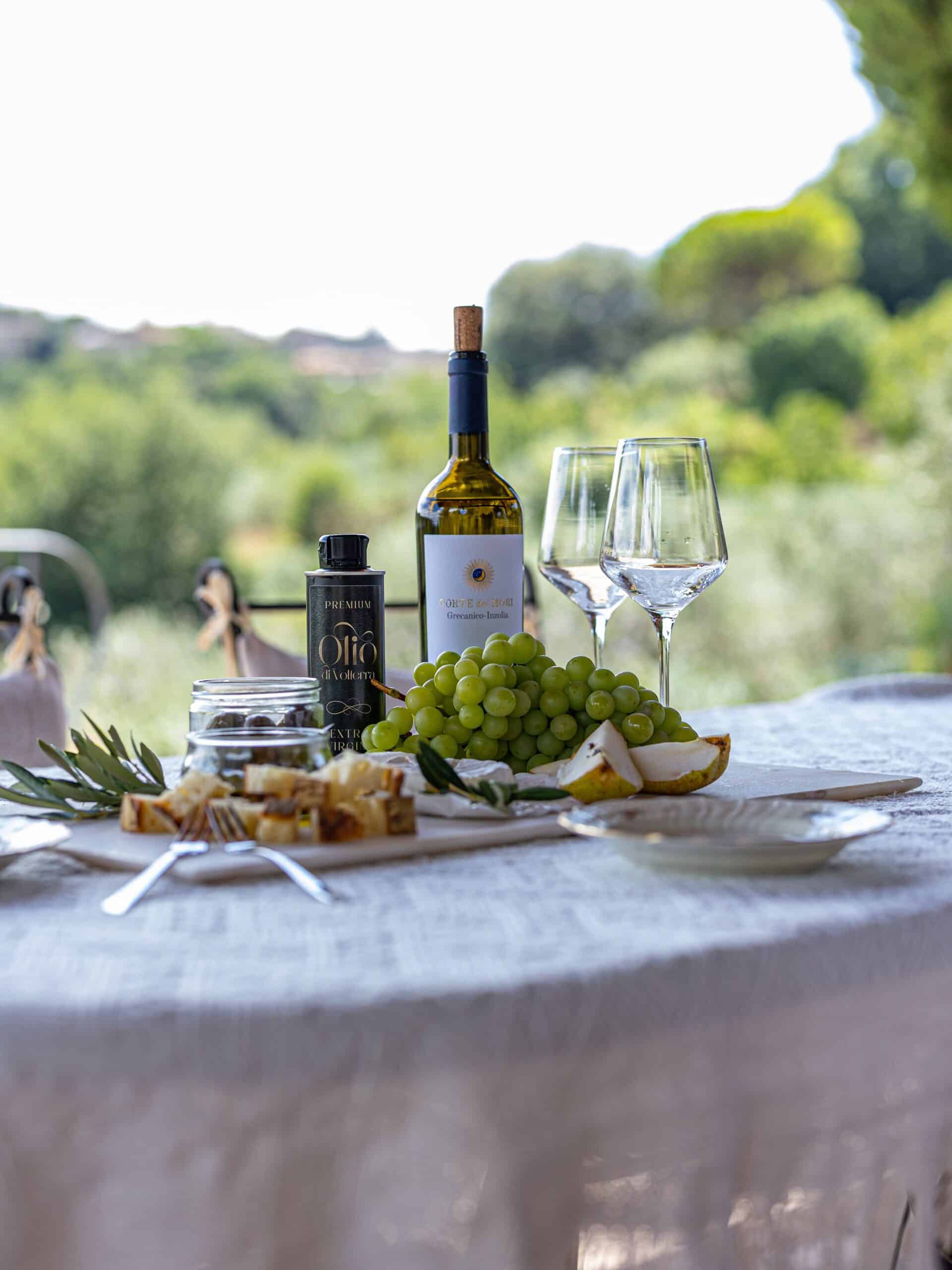
Chianti Wine, Cheese, and Olive Oil in Tuscany
A Landscape Shaped by Flavor
The Chianti hills are often described as a landscape, but locals tend to think of them as something closer to a pantry shaped by time. Vineyards roll into olive groves, and small farms continue producing wine, cheese, and oil in ways that feel deeply tied to the land rather than to trend.
The Chianti Wine, Cheese, and Olive Oil Tasting in Tuscany experience brings travelers into this world through carefully chosen encounters with producers who still work at a human scale. It is not about volume or spectacle, but about understanding how three of Tuscany’s most iconic flavors belong to the same cultural rhythm.
Chianti Through Centuries — Where Land Became Identity
Chianti’s identity has never been defined by a single product. Instead, it is the relationship between land, agriculture, and tradition that gives the region its character.
Sangiovese has grown here for centuries, shaped by sun exposure, altitude, and the limestone-rich soils of the hills. Local families refined winemaking long before modern classifications existed, passing down techniques that balanced structure with drinkability.
Cheese production followed a parallel path. Sheep grazing on wild herbs and grasses in the hills created Pecorino with subtle variations depending on season and altitude. Local experts often point out that no two wheels are ever truly the same, even from the same producer.
Olive oil completes the triangle. Tuscan olive groves produce oils known for their bitterness and peppery finish, qualities once misunderstood outside Italy but now recognized as signs of freshness and healthful polyphenols.
The Living Pantry of Tuscany — Why It Matters Today
In a global food culture often shaped by uniformity, Chianti remains defined by difference.
Many visitors overlook how closely wine, cheese, and olive oil are connected in daily Tuscan life. They are not separate tastings, but parts of a shared agricultural system shaped by climate and tradition.
What most travelers never realize is that these products are often made within view of each other. Vineyards, sheep pastures, and olive groves form a continuous landscape, where producers still work with seasonal cycles rather than industrial calendars.
For modern travelers, this region offers something increasingly rare: food that still reflects its origin without translation.
How the Region Speaks — A Local Perspective
The deeper story lies in how tasting changes when you slow down. In Chianti, experienced producers rarely rush guests through products. Instead, they encourage comparison: a young wine beside an aged one, an early-season oil beside a late harvest, or a fresh Pecorino next to a more mature wheel.
Local experts often point out that understanding comes less from explanation and more from contrast. That is where the region reveals itself.
When to Experience Chianti — Seasonal Rhythms
Chianti is best experienced at a relaxed pace, ideally with private transport so time can be spent between stops rather than navigating routes. Comfortable footwear is recommended, as vineyard and farm terrain is uneven in places.
Spring and autumn are especially rewarding seasons, when vineyard color and olive harvest cycles add depth to the experience. Summer brings vibrant landscapes but warmer temperatures, while winter offers quieter estates and more intimate encounters.
Frequently Asked Questions About Chianti Wine, Cheese, & Olive Oil
What wines are typically tasted in Chianti?
Chianti Classico is central, often accompanied by select Super Tuscan wines that show different interpretations of the same territory.
What makes Pecorino cheese from Tuscany special?
It reflects the local pasture environment, with flavor shaped by wild herbs, grazing patterns, and aging time.
How is Tuscan olive oil different from other oils?
It is known for its fresh, grassy aroma and peppery finish, which indicates high-quality early harvest olives.
Is this experience suitable for beginners?
Yes. The focus is on understanding and enjoyment rather than technical tasting knowledge.
Can dietary preferences be accommodated?
Yes, with advance notice, tastings can be adapted to suit dietary needs.
Understanding Tuscany Through Its Flavors
Chianti is often photographed for its beauty, but its real story unfolds in the details of what is grown, pressed, and poured across its hills.
Chianti Wine, Cheese, and Olive Oil in Tuscany reveals how closely food and landscape are connected here, offering a way of understanding Tuscany that goes beyond the surface.
For travelers who want to experience the region through its most essential flavors, deeper insight often comes through those who know where to look and what to taste. Artviva can help shape that perspective into a private experience built around your curiosity and pace.
Why Artviva
Artviva offers a more personal way to experience Chianti, focusing on small producers, authentic encounters, and a slower pace that lets the region speak for itself. Rather than a standard tasting route, each stop is carefully chosen to show how wine, cheese, and olive oil are connected through the same land and traditions. With local relationships and expert planning, the experience feels intimate, thoughtful, and rooted in real Tuscan life.
Learn more about Artviva’s Chianti Wine, Cheese, and Olive Oil Tasting Tour in Tuscany and book your private experience.