
Cooking Like a Tuscan: Discovering Florence Through Its Traditional Cuisine
Cooking Like a Tuscan: Discovering Florence Through Its Traditional Cuisine
Some of Florence’s greatest masterpieces are served at the dinner table.
While visitors often arrive eager to admire Renaissance paintings and remarkable architecture, many leave talking just as passionately about handmade pasta, fragrant olive oil, rustic bread, and meals shared around a welcoming table.
In Tuscany, food has never been separated from everyday life. Recipes reflect the changing seasons, local ingredients, family traditions, and a philosophy that values simplicity over excess. Every dish tells a story about the landscape, the people who cultivate it, and the generations who have preserved these traditions.
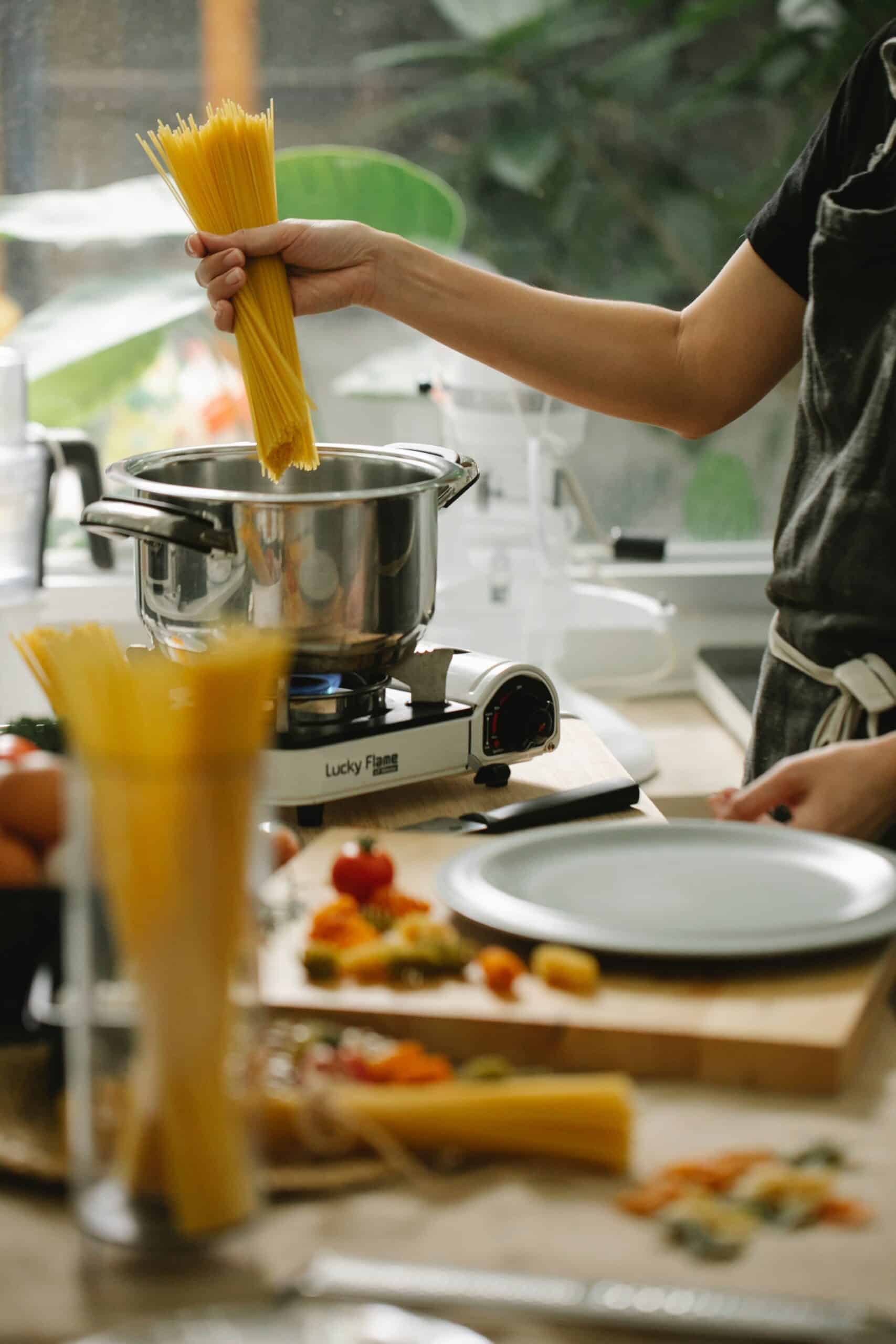
For travelers, learning to prepare a traditional Tuscan meal offers a perspective that restaurants alone cannot provide. Cooking transforms visitors from observers into participants, creating a deeper appreciation for Florence’s culture through one of its oldest and most meaningful traditions.
Many visitors come to Florence to see history.
Preparing a Tuscan meal allows them to experience it.
Quick Answer: Why Take a Traditional Tuscan Cooking Class in Florence?
A traditional Tuscan cooking class introduces visitors to authentic regional recipes, seasonal ingredients, and cooking techniques that have shaped everyday life in Tuscany for generations. Beyond learning how to prepare classic dishes, participants gain insight into local food culture, family traditions, and the values that define Tuscan cuisine.
History & Cultural Context
Tuscan cooking developed from necessity rather than extravagance.
For centuries, families relied on ingredients grown close to home, preparing meals that celebrated freshness, seasonality, and careful use of every available resource. This philosophy became known as cucina povera, or “peasant cooking,” though the name hardly reflects the richness of its flavors.
Bread, beans, vegetables, olive oil, herbs, and locally produced cheeses formed the foundation of everyday meals. Leftover bread became hearty soups such as ribollita and pappa al pomodoro, while simple ingredients combined to create dishes that remain among Tuscany’s most beloved specialties today.
As Florence flourished during the Renaissance, wealthy families certainly enjoyed elaborate banquets, yet even refined Tuscan cuisine retained its respect for quality ingredients over unnecessary complexity.
That balance still defines the region’s cooking today.
Rather than relying on elaborate sauces or excessive seasoning, Tuscan recipes allow exceptional ingredients to speak for themselves.
Understanding this philosophy helps visitors appreciate that Tuscan food is not simply about recipes.
It is about a way of living.
More Than a Recipe
Many visitors assume learning Italian cooking is simply about following instructions.
The deeper story lies in understanding how Tuscan cooks approach food itself.
Meals are shaped by the seasons rather than fixed menus.
Ingredients are selected for quality rather than quantity.
Cooking follows observation as much as measurement.
Experienced home cooks rarely rely entirely on written recipes. They taste continuously, adjust naturally, and develop an instinct that comes only through practice and tradition.
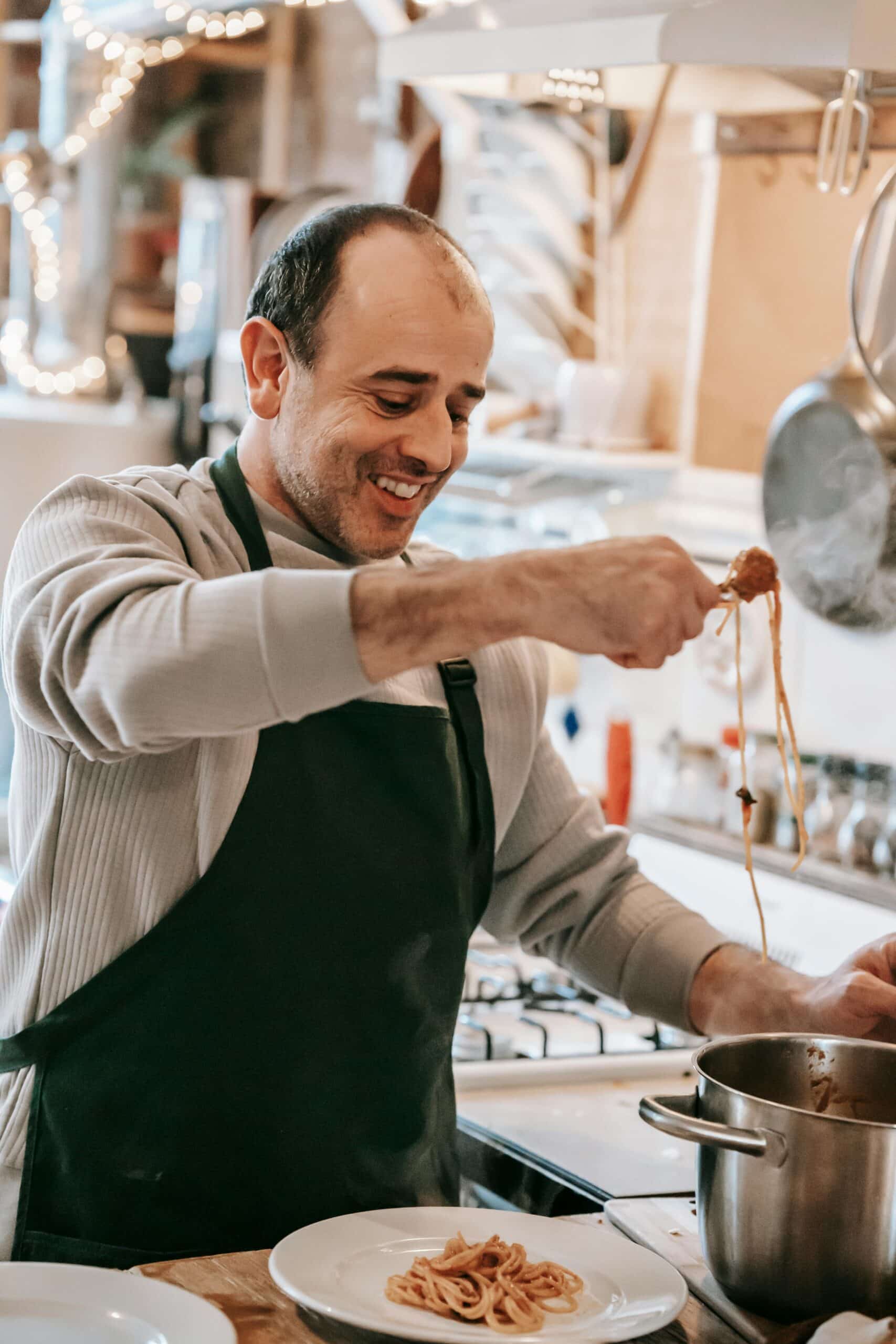
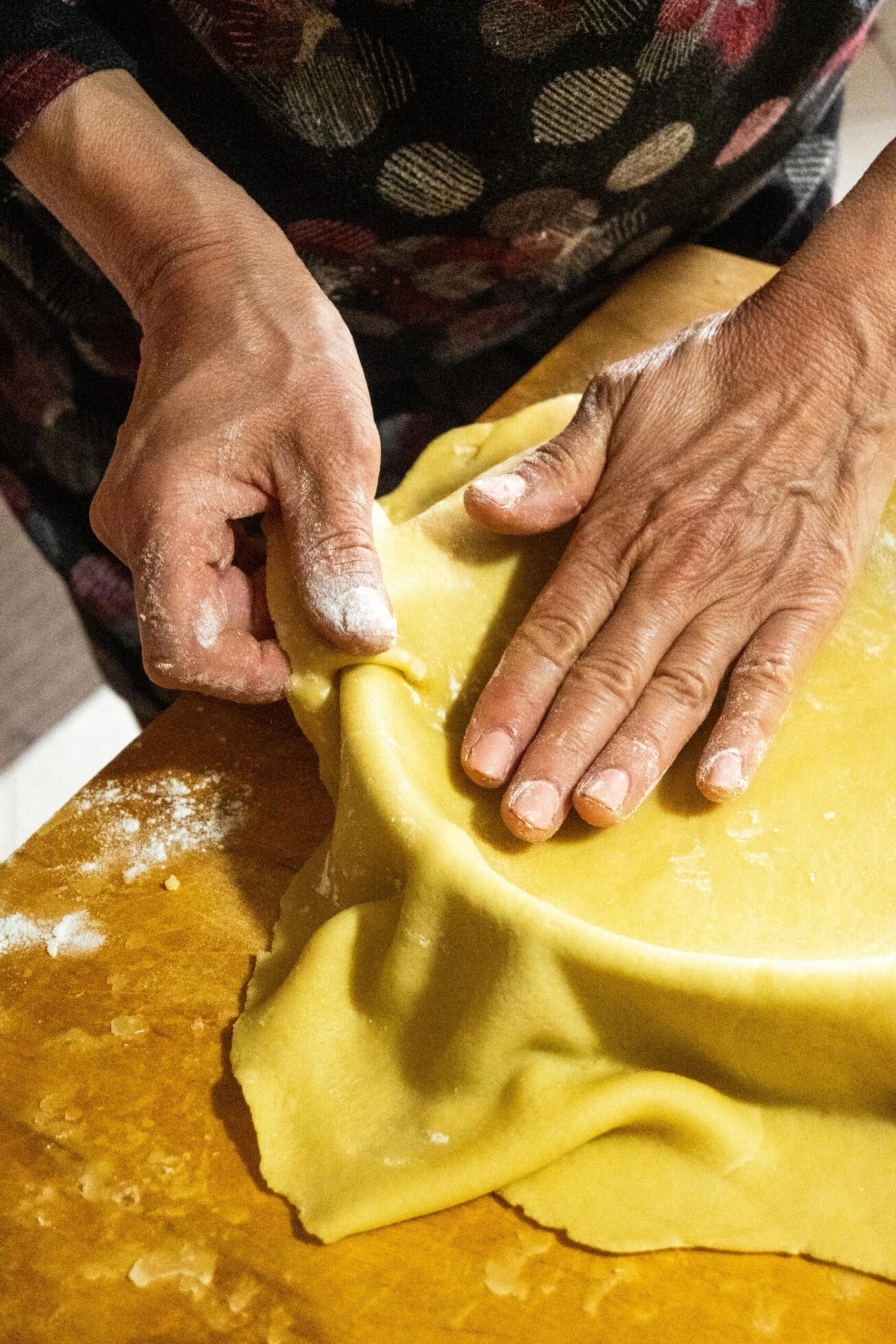
This approach explains why two seemingly simple bowls of handmade pasta can feel completely different depending on the care, timing, and attention behind them.
Many visitors only scratch the surface of Tuscan cuisine because they experience it solely from the dining table.
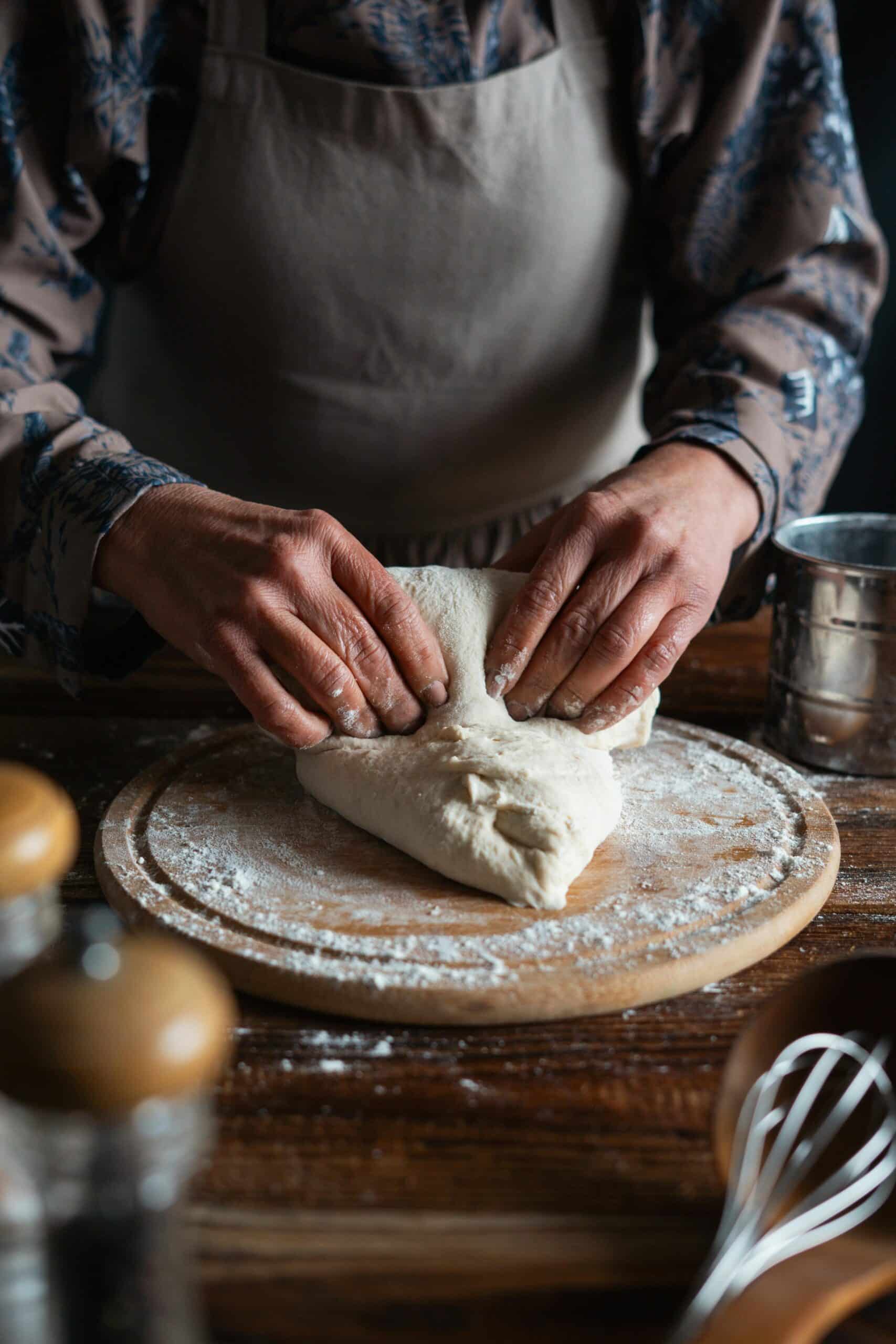
Preparing the food yourself reveals the patience, craftsmanship, and cultural values behind every course.
Why It Matters Today
As travelers increasingly seek meaningful cultural experiences, cooking has become one of the most rewarding ways to connect with a destination.
Preparing a traditional Tuscan meal creates an understanding that extends far beyond the finished dish. It introduces visitors to local ingredients, agricultural traditions, family customs, and the slower rhythm that continues to define everyday life across much of Tuscany.
What most travelers never realize is that many of Florence’s culinary traditions have changed very little over generations.
The techniques remain familiar.
The ingredients remain seasonal.
The joy of gathering around the table remains central to Tuscan life.
Learning to cook these dishes offers more than a memorable afternoon.
It provides a lasting connection to Florence that visitors can carry home long after their journey has ended.
Local Expert Tip
Many visitors focus on mastering recipes, but local cooks often say the most important lesson is learning how to work with the ingredients themselves.
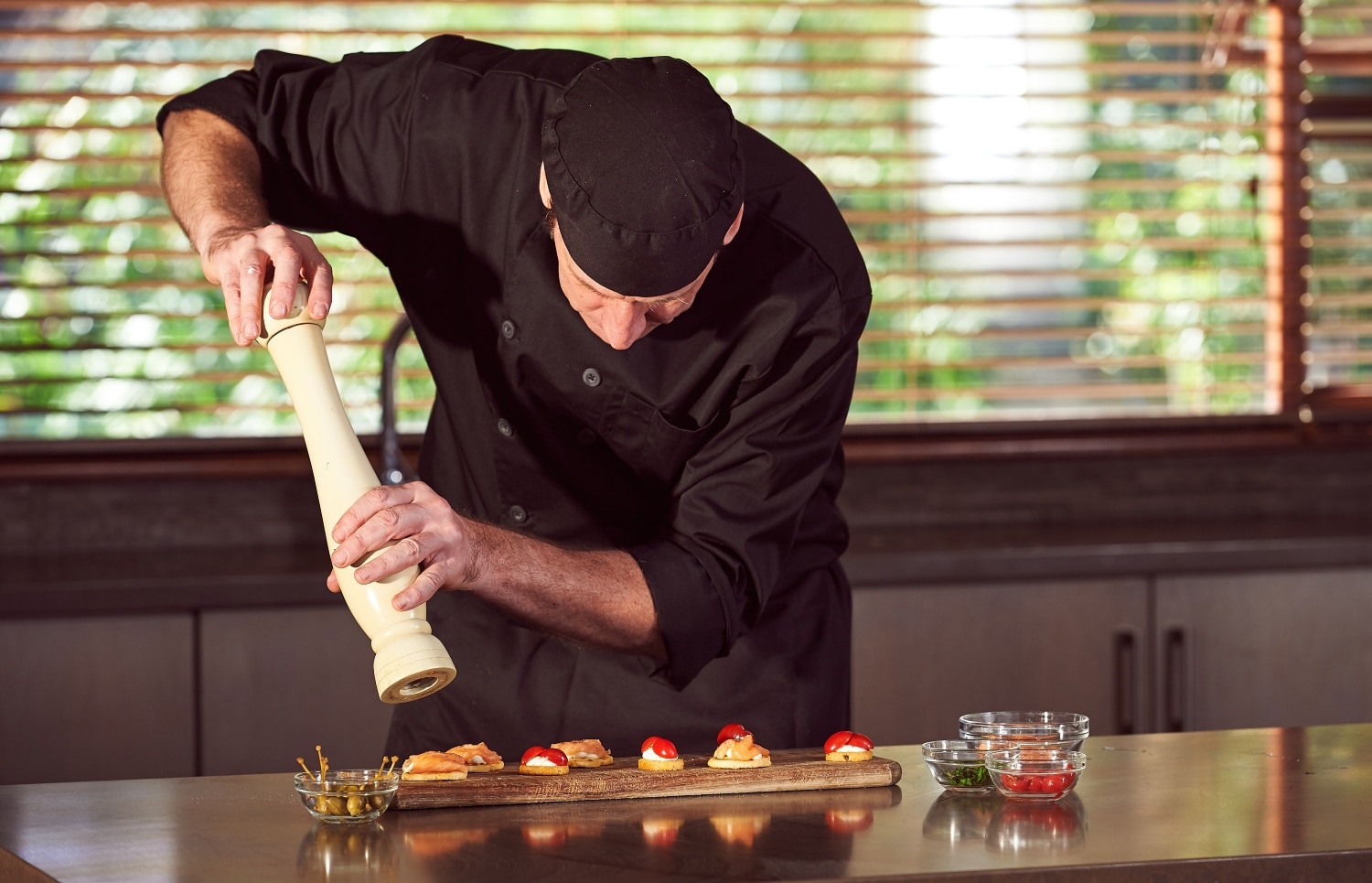
Notice how fresh herbs are added at different moments during cooking, how olive oil is treated as an essential ingredient rather than a finishing touch, and how experienced cooks constantly taste and adjust their dishes instead of relying strictly on measurements. These habits reflect generations of knowledge that continue to shape Tuscan kitchens today.
Experience It Firsthand
Reading about Tuscan cuisine provides valuable insight into the region’s traditions, but preparing a meal yourself creates a much deeper connection to Florence’s culture.
Many visitors enjoy exceptional meals during their travels without fully appreciating the techniques, seasonal ingredients, and family traditions that make Tuscan cooking so distinctive. Learning alongside a knowledgeable local chef transforms familiar recipes into stories about the land, the people, and the values that continue to define everyday life in Tuscany.
Artviva’s Traditional Tuscan Cooking Class – 4 Courses invites travelers into an authentic cooking experience where each dish reflects generations of culinary heritage. Through hands-on instruction, seasonal ingredients, and thoughtful conversation, guests gain a richer understanding of Tuscan food culture while creating a meal to enjoy together.
Learn more here:
Traditional Tuscan Cooking Class – 4 Courses
Practical Travel Advice
Wear comfortable clothing suitable for working in a kitchen, and avoid planning a large meal beforehand. Tuscan cooking classes are designed to be enjoyed from beginning to end, and the shared meal is an important part of the overall experience.
Approach the class with curiosity rather than concern about your cooking ability. Whether you regularly cook at home or have very little experience, the greatest reward comes from learning new techniques while sharing time around the table.
If your schedule allows, consider taking a cooking class early in your visit. Understanding Tuscan ingredients and traditional recipes often makes every meal you enjoy throughout the rest of your trip even more meaningful.
Seasonal Considerations
Spring
Spring introduces tender vegetables, fragrant herbs, and lighter seasonal flavors. It is a wonderful time to discover how Tuscan cooking changes with the arrival of fresh local produce.
Summer
Summer kitchens celebrate tomatoes, basil, zucchini, and other seasonal ingredients at their peak. Morning classes are often especially enjoyable before the warmest hours of the day.
Autumn
Autumn brings rich flavors, mushrooms, truffles, squash, and harvest celebrations throughout Tuscany. Many visitors consider it the most rewarding season for culinary experiences.
Winter
Winter highlights hearty soups, slow-cooked dishes, legumes, and comforting family recipes that have warmed Tuscan homes for generations.
Frequently Asked Questions
Do I need cooking experience?
No. Traditional Tuscan cooking classes welcome participants of all experience levels, from complete beginners to enthusiastic home cooks.
What kinds of dishes will I prepare?
Menus vary with the seasons but typically include a traditional appetizer, handmade pasta, a classic Tuscan main course, and a regional dessert prepared using fresh local ingredients.
Why is Tuscan cuisine so simple?
Tuscan cooking emphasizes exceptional ingredients, seasonal produce, and time-honored techniques rather than elaborate preparation. Simplicity allows natural flavors to shine.
Can dietary requirements be accommodated?
Many cooking experiences can adapt recipes for dietary preferences or restrictions when arranged in advance.
Why does a cooking class offer a deeper cultural experience?
Preparing food alongside local chefs introduces visitors to family traditions, regional ingredients, and everyday customs that are difficult to experience through restaurant dining alone.
The Best Way to Understand Tuscany Is Around the Table
Florence’s artistic treasures have inspired visitors for centuries, but its culinary traditions leave an equally lasting impression.
Cooking a traditional Tuscan meal reveals a side of the region that museums alone cannot capture. It celebrates patience, seasonality, craftsmanship, and the simple pleasure of sharing good food with others.
Long after your journey ends, the techniques, flavors, and memories created in the kitchen often become one of the strongest connections to your time in Tuscany.
If you’d like to experience Florence through its food and traditions, discover Artviva’s Traditional Tuscan Cooking Class – 4 Courses here:
Traditional Tuscan Cooking Class – 4 Courses
Why Travel with Artviva
Since 1996, Artviva has helped travelers experience Italy through authentic encounters with its history, culture, food, and local traditions. Working with experienced chefs, artisans, and knowledgeable local experts, Artviva creates meaningful experiences that encourage visitors to move beyond sightseeing and develop a genuine connection with the places they explore.
Whether discovering Florence through its cuisine, its art, or its remarkable history, every experience is designed to reveal the traditions that continue to make Italy one of the world’s most inspiring destinations.