

Creating Art in Florence: Why the Birthplace of the Renaissance Still Inspires Artists Today
Florence is famous for the masterpieces that fill its churches, museums, and piazzas, yet the city’s artistic spirit has never belonged only to history. While millions of visitors admire works created centuries ago, artists throughout Florence continue to sketch, paint, sculpt, and experiment in studios tucked behind Renaissance façades and along quiet streets.
The city invites more than observation. It encourages participation.
For generations, aspiring artists have traveled to Florence to refine their skills, not simply because of the masterpieces they can study, but because creativity feels woven into everyday life. Light falls across stone buildings in ways that change throughout the day. Public squares become outdoor classrooms. Architecture, sculpture, and painting exist together rather than as separate experiences.
Many visitors spend their time looking at art.
Others discover that creating something themselves offers an entirely different connection to Florence and the traditions that helped shape Western art.
Quick Answer: Why Learn Painting or Sculpture in Florence?
Florence is one of the world’s most inspiring places to study painting and sculpture because it combines centuries of artistic tradition with a thriving contemporary creative community. Learning from practicing artists while surrounded by Renaissance masterpieces offers a deeper understanding of technique, observation, craftsmanship, and the cultural history that continues to influence artists today.
History & Cultural Context
Florence earned its reputation as the birthplace of the Renaissance because it transformed the way people understood art, science, architecture, and human potential.
Beginning in the fifteenth century, artists such as Leonardo da Vinci, Michelangelo, Botticelli, Donatello, and countless others redefined painting and sculpture through careful observation, technical innovation, and an intense study of the natural world.
Their education rarely began in formal classrooms.
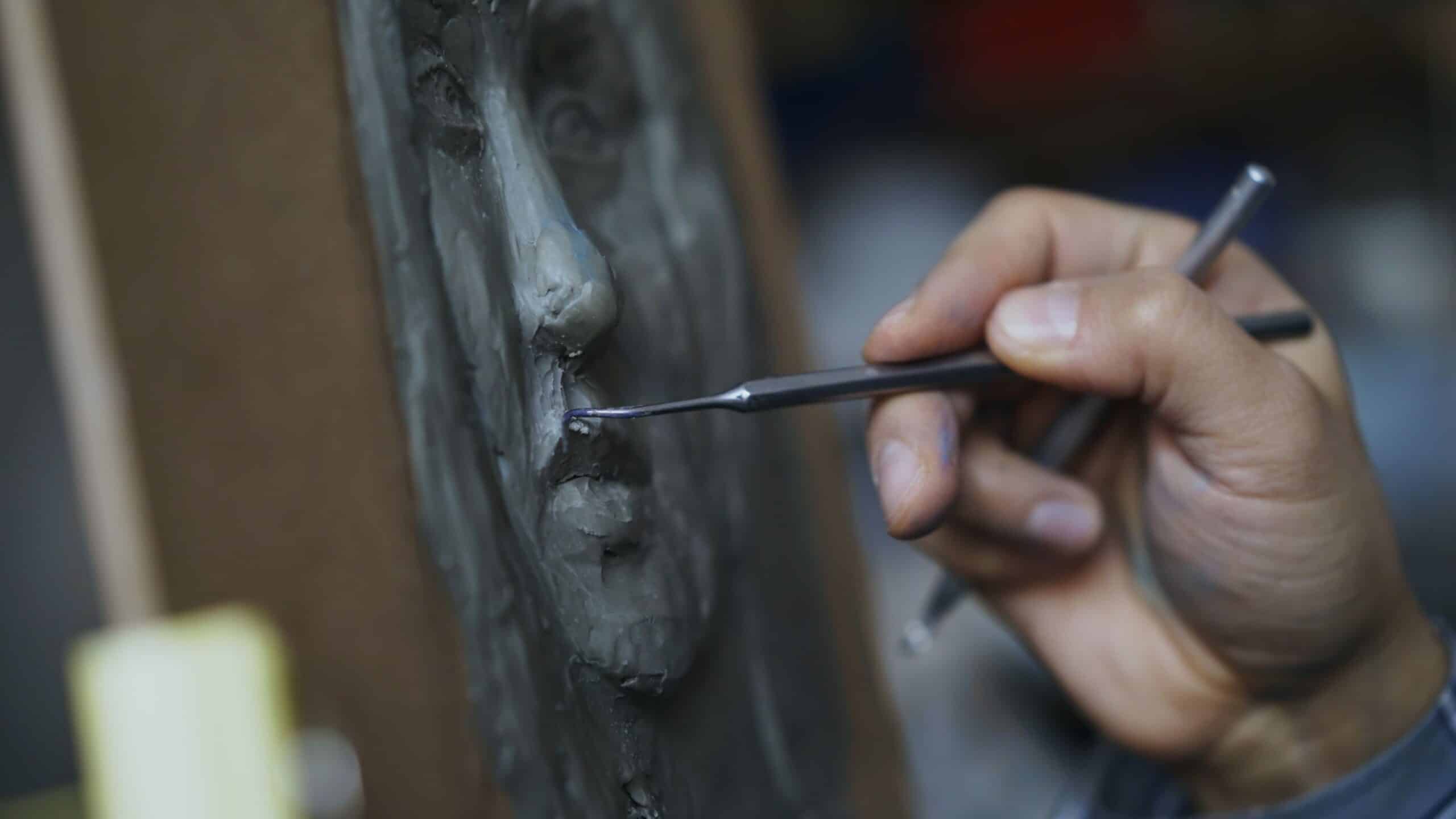
Instead, young artists trained in workshops known as botteghe, where apprentices learned directly from experienced masters. They observed, practiced, experimented, and gradually developed their own skills while contributing to larger artistic projects.
Painting and sculpture were closely connected disciplines. Students learned anatomy, perspective, proportion, composition, and the behavior of light regardless of their chosen medium. Every exercise strengthened their ability to understand form, movement, and visual storytelling.
Although centuries have passed, that philosophy remains part of Florence’s artistic identity.
Many contemporary studios continue to emphasize observation before technique, encouraging students to slow down, study carefully, and develop confidence through practice rather than perfection.
Florence Teaches You to See Differently
One of Florence’s greatest lessons has little to do with holding a paintbrush or shaping clay.
It begins with learning to notice.
Many visitors only scratch the surface of the city’s artistic heritage because they move quickly from one famous landmark to the next. Artists experience Florence differently. They pay attention to the way afternoon light changes the color of sandstone, how shadows create depth across historic buildings, or how proportions influence the harmony of a Renaissance façade.
The deeper story lies in this change of perspective.
Once you begin observing Florence through an artist’s eyes, the city itself becomes part of the creative process.
A doorway becomes an exercise in proportion.
A sculpture becomes a lesson in anatomy.
A quiet piazza reveals how light, texture, and space work together to shape emotion.
Many travelers discover that this shift continues long after they leave Italy, changing the way they experience museums, architecture, and even their own surroundings at home.
Why It Matters Today
Florence continues to attract artists from around the world because creativity here feels both timeless and remarkably accessible.
The city’s artistic traditions are not preserved behind glass. They remain part of everyday life through working studios, artisan workshops, restoration specialists, and contemporary artists who continue building upon centuries of knowledge.
Learning to paint or sculpt in Florence offers more than a creative activity during a vacation.
It provides a deeper appreciation for the patience, discipline, and craftsmanship behind the masterpieces visitors admire throughout the city.
What most travelers never realize is that even a short creative experience can change the way they look at Renaissance art. Instead of asking whether a painting is beautiful, they begin wondering how an artist achieved a particular effect, why certain colors work together, or how marble can appear so lifelike.
That curiosity often becomes one of the most rewarding souvenirs Florence has to offer.
Local Expert Tip
Many visitors spend hours admiring Florence’s masterpieces without realizing that the city itself has always been one of an artist’s greatest teachers. Local artists often recommend slowing down before putting brush to canvas or hands to clay. Spend a few moments observing how light falls across a stone façade, how a sculpture creates movement through shadow, or how Renaissance architecture balances proportion and symmetry.
These small observations strengthen artistic awareness far more than rushing to complete a finished piece. In Florence, learning to see is often the first and most valuable lesson.
Experience It Firsthand
Studying Renaissance masterpieces offers valuable inspiration, but creating art yourself provides an entirely different understanding of Florence’s artistic legacy.
Many visitors admire the technical brilliance of Michelangelo, Leonardo da Vinci, and Botticelli without fully appreciating the patience, discipline, and careful observation behind their work. Spending time in a working studio helps bridge that gap, transforming admiration into experience.
Artviva’s Learn to Paint or Sculpt experience invites travelers to explore Florence’s artistic traditions alongside practicing local artists. Through hands-on creative work and thoughtful guidance, participants gain a deeper appreciation for the techniques, craftsmanship, and creative philosophy that continue to define Florence today.
Learn more about the experience here:
Learn to Paint or Sculpt – Art Class in Florence
Practical Travel Advice
If creating art is an important part of your visit, consider leaving space in your itinerary before and after the experience. Spending time exploring Florence’s museums, churches, and public squares beforehand often provides inspiration, while allowing time afterward encourages reflection on what you’ve learned.
Wear comfortable clothing suitable for creative work, and avoid scheduling too many activities immediately afterward. Creative experiences often encourage a slower pace, giving you the opportunity to appreciate Florence with fresh perspective.
Most importantly, approach the experience with curiosity rather than expectation. Artistic ability is far less important than a willingness to observe carefully and enjoy the creative process.
Seasonal Considerations
Spring
Spring’s mild temperatures and longer daylight hours make it one of the most inspiring seasons for artistic exploration. The changing light throughout the day creates beautiful opportunities to study color and atmosphere.
Summer
Summer provides abundant natural light, making morning sessions especially enjoyable before the city’s busiest hours. The vibrant energy of Florence often inspires creative expression throughout the season.
Autumn
Many artists appreciate autumn for its warm colors and softer light. The changing tones of the city provide fresh inspiration for painting, while the quieter atmosphere encourages focused observation.
Winter
Winter offers a calmer rhythm and a more intimate creative environment. With fewer visitors throughout the city, many travelers find this season especially rewarding for thoughtful artistic experiences.
Frequently Asked Questions
Do I need previous artistic experience?
No. Painting and sculpture experiences in Florence are suitable for beginners as well as experienced artists. The emphasis is on observation, creativity, and learning through practice.
Why is Florence considered one of the world’s great cities for artists?
Florence was the birthplace of the Renaissance and remains home to extraordinary artistic traditions. Its museums, architecture, artisan workshops, and creative community continue to inspire artists from around the world.
Should I choose painting or sculpture?
Both offer rewarding ways to experience Florence’s artistic heritage. Painting develops observation, color, and composition, while sculpture encourages an understanding of form, balance, and three-dimensional design.
Can families enjoy artistic experiences in Florence?
Yes. Many creative experiences are well suited to families with older children and teenagers who enjoy learning through hands-on activities.
Will creating art change how I experience Florence?
Many travelers say it does. Spending time observing light, proportion, and composition often creates a deeper appreciation for Florence’s architecture, museums, and Renaissance masterpieces throughout the rest of their visit.
Florence’s Greatest Masterpiece May Be the One You Create
Florence has inspired artists for more than five centuries because creativity is woven into the city’s identity. Every church, sculpture, and historic street reflects generations of craftsmanship, curiosity, and imagination.
Experiencing that tradition firsthand offers something museums alone cannot provide. Creating art encourages patience, careful observation, and a deeper appreciation for the extraordinary skill behind Florence’s greatest masterpieces.
Whether you have painted for years or have never picked up a brush, learning from local artists offers a meaningful way to connect with the city beyond its famous landmarks.
If you’d like to experience Florence through creativity rather than observation alone, discover Artviva’s Learn to Paint or Sculpt experience here:
Learn to Paint or Sculpt – Art Class in Florence
Why Travel with Artviva
Since 1996, Artviva has introduced travelers to Italy through experiences rooted in local expertise, cultural understanding, and genuine human connection. Rather than simply visiting remarkable places, guests are encouraged to engage with the traditions, craftsmanship, and stories that continue to shape Italy today.
Through thoughtful experiences led by knowledgeable local experts, Artviva helps visitors discover Florence not only as the birthplace of the Renaissance, but as a city where creativity remains very much alive.