

Dan Brown’s Inferno in Florence: Where Fiction Meets History
Florence has inspired artists, writers, philosophers, and historians for centuries. Its churches, palaces, and narrow medieval streets preserve stories that stretch far beyond the Renaissance, rewarding travelers who look beyond the city’s famous landmarks. For readers of Dan Brown’s Inferno, Florence offers another layer entirely. Familiar streets become scenes from Robert Langdon’s investigation, while symbols, sculptures, and historic buildings reveal the real history that inspired one of the world’s most successful thrillers.
Although Inferno is a work of fiction, its foundation is remarkably authentic. Dante Alighieri, Renaissance politics, medieval architecture, and centuries of Florentine history all shape the novel’s setting. Exploring these places today allows visitors to appreciate both the story Brown imagined and the remarkable city that made it possible.
Quick Answer
A Dan Brown Inferno experience in Florence explores the real locations, historical figures, and cultural traditions that inspired the novel. Visitors discover landmarks connected to Dante Alighieri, Renaissance Florence, and Robert Langdon’s fictional journey while gaining historical context that brings both the book and the city to life.
Why Florence Was the Perfect Setting for Inferno
Few cities combine history and mystery as naturally as Florence. Every neighborhood reflects centuries of political change, artistic achievement, and literary influence. Medieval towers stand beside Renaissance palaces, while churches preserve symbols and stories that have fascinated visitors for generations.
Dan Brown chose Florence because the city already possesses the qualities of a thriller. Ancient streets seem designed to hide secrets. Historic buildings invite questions. Layers of history overlap in ways that encourage curiosity rather than simple observation.
Many visitors admire Florence for its beauty, but the deeper story lies in the people who shaped it. Few figures influenced the city’s identity more profoundly than Dante Alighieri, whose writing became the foundation for Inferno.
Dante’s Florence
Long before Dan Brown introduced Robert Langdon to Florence, Dante transformed the city into one of literature’s most enduring settings.
Born in Florence in 1265, Dante witnessed political conflict, exile, and personal loss, experiences that profoundly shaped The Divine Comedy. His journey through Hell, Purgatory, and Paradise remains one of the greatest achievements in world literature and continues to influence art, philosophy, and culture today.
What most travelers never realize is that Dante’s relationship with Florence was deeply complicated. Although he loved his city, political conflict forced him into exile, and he never returned. That sense of longing appears throughout his writing and continues to shape Florence’s cultural identity centuries later.
Understanding Dante offers visitors an entirely new perspective on the places that appear throughout Brown’s novel.
Where Fiction and Reality Meet
One of the reasons Inferno continues to captivate readers is its careful blending of fiction with historical reality. Many of the novel’s locations are genuine landmarks that have witnessed some of Florence’s most important moments.
Walking through the historic center, travelers quickly discover that these places carry stories far older than the novel itself. Political struggles, artistic innovation, religious traditions, and literary history all converge within a remarkably compact area.
Many visitors recognize these landmarks from the book, but local experts often point out details that reveal entirely different layers of meaning. Symbols carved into marble, forgotten inscriptions, and architectural features become part of a much larger story about Florence itself.
Why Dante Still Matters
Dante’s influence reaches well beyond literature. By writing in the Tuscan vernacular instead of Latin, he helped establish the foundations of the modern Italian language. His exploration of morality, justice, ambition, and redemption continues to resonate with readers around the world.
Dan Brown drew upon these universal themes when writing Inferno, introducing a new generation to Dante’s work while encouraging many readers to explore Florence for themselves.
Today, Dante remains woven into the city’s identity. His legacy appears in monuments, public art, historic buildings, and the stories shared by those who know Florence best.
Experience It Firsthand
Reading Inferno offers an exciting introduction to Florence, but walking through the city with knowledgeable local guides provides a far richer understanding of both the novel and the history behind it.
Artviva’s Dan Brown Inferno Experience connects the fictional world of Robert Langdon with the real Florence that inspired it. Along the way, travelers discover how literature, politics, religion, and Renaissance history intersect in places that many visitors pass without fully understanding.
Learn more about the experience here:
A Dan Brown Inferno Tour – Dante’s Florence
Rather than simply following the path of the novel, participants gain insight into the people, ideas, and historical events that continue to define Florence today.
A Local Expert Tip
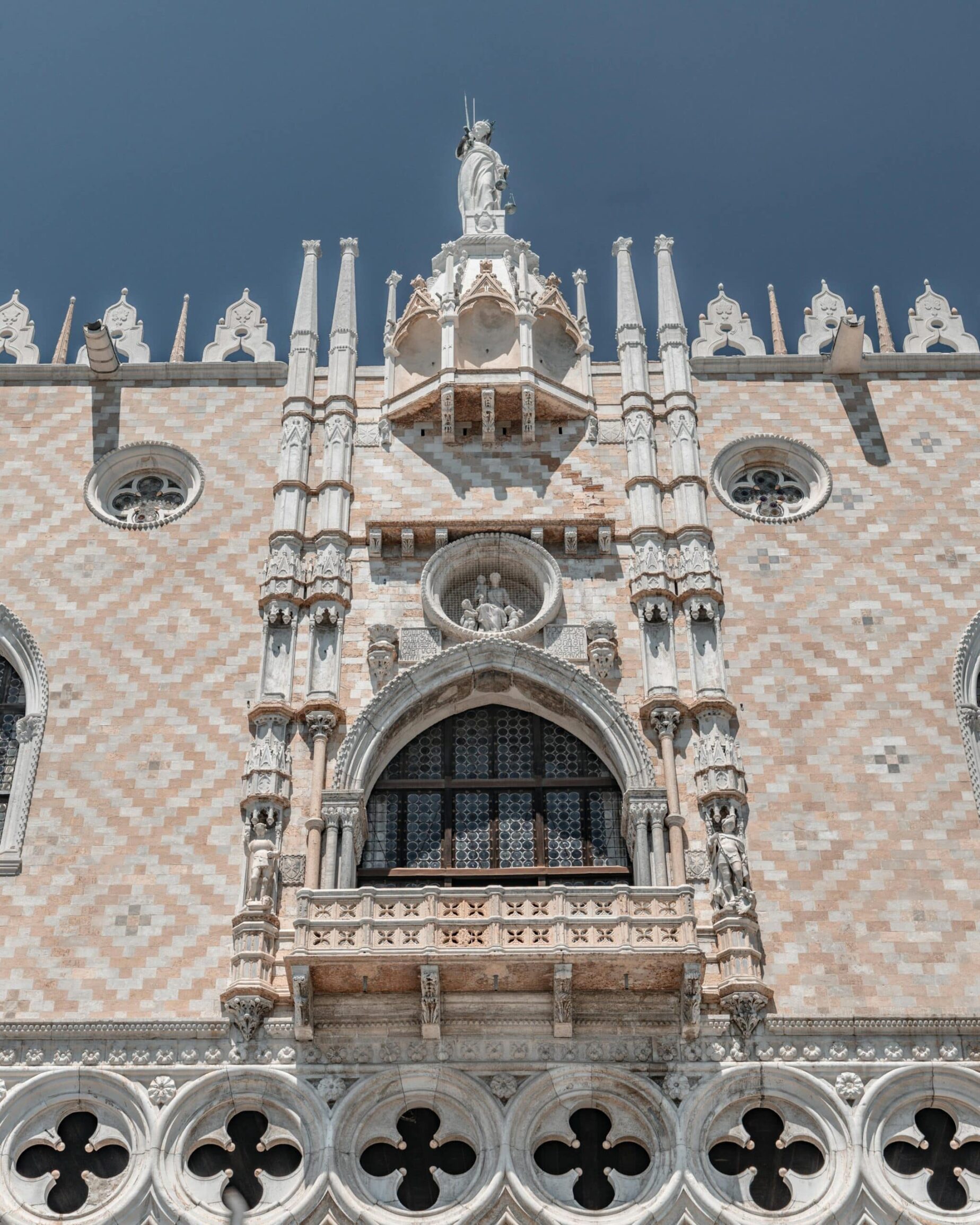
Many visitors focus on Florence’s largest monuments, but some of the city’s most fascinating stories are found in details that are easy to overlook. Decorative carvings, inscriptions, coats of arms, and symbolic sculptures often reveal connections between politics, religion, and literature that shaped everyday life centuries ago.
Learning to notice these small details changes the way travelers experience Florence. Familiar landmarks become far more meaningful when viewed through the city’s history rather than simply its appearance.
Practical Travel Advice
Florence’s historic center is easily explored on foot, making it an ideal city for travelers interested in literature, history, and architecture. Spring and autumn provide particularly comfortable weather for walking, while winter offers a quieter atmosphere that allows visitors to experience the city at a more relaxed pace.
Because many of Florence’s most significant landmarks remain popular throughout the year, booking cultural experiences in advance is recommended, especially during peak travel seasons.
Frequently Asked Questions
Do I need to read Inferno before visiting?
No. Readers of the novel will recognize many locations, but the experience is equally rewarding for anyone interested in Florence’s history, Dante, and Renaissance culture.
Is the experience focused only on Dan Brown’s novel?
No. The novel serves as a starting point for exploring Florence’s literary, political, and artistic heritage, with significant attention given to Dante and the city’s remarkable history.
Why is Dante so important to Florence?
Dante is considered the father of the Italian language and one of the greatest literary figures in history. His writing continues to shape Florence’s cultural identity more than seven centuries after his death.
Is this experience suitable for families?
Yes. Older children and teenagers who enjoy mysteries, history, or literature often find the combination of storytelling and exploration especially engaging.
When is the best time to explore Dante’s Florence?
Florence is rewarding throughout the year, although spring and autumn offer particularly pleasant conditions for exploring the historic center on foot.
Discover a Different Side of Florence
Florence reveals itself gradually. A first visit may be remembered for masterpieces, grand piazzas, and remarkable architecture. With a deeper understanding of its history, however, the city becomes something even more compelling. Literature, politics, religion, and artistic ambition intersect in ways that continue to shape every corner of the historic center.
Following the world of Inferno offers a unique perspective on Florence because it encourages travelers to look beyond what is immediately visible. The familiar becomes mysterious, history feels surprisingly current, and places that once seemed ordinary begin to tell extraordinary stories.
For travelers interested in exploring the city through the worlds of Dante and Dan Brown, Artviva’s Dan Brown Inferno Experience offers an engaging opportunity to discover the history behind the novel with knowledgeable local experts.
Learn more or reserve your experience here: