
The Ancient Side of Florence: Discovering Etruscan, Roman, and Egyptian Treasures
Florence is often celebrated for Michelangelo, Botticelli, and the Renaissance masters who transformed Western art. Yet behind the city’s famous galleries lies another story, one that reaches back thousands of years before the Medici family rose to power.
A Florence Archaeological Museum Tour reveals this deeper history through extraordinary Etruscan artifacts, Roman treasures, and one of Italy’s most important Egyptian collections. For travelers who want to understand Florence beyond its most famous landmarks, the Archaeological Museum offers a fascinating journey into the civilizations that shaped Tuscany long before the Renaissance.
Away from the crowds that gather at the Uffizi and Accademia, visitors discover ancient worlds preserved in remarkable detail. A private guided experience transforms these collections from beautiful objects into stories of power, religion, trade, and daily life across centuries of Mediterranean history.
Is the Florence Archaeological Museum Worth Visiting?
Yes, the Florence Archaeological Museum is one of Italy’s finest collections of Etruscan, Roman, and Egyptian antiquities. It offers a quieter, more intimate experience than Florence’s major art museums while providing exceptional insight into the ancient civilizations that influenced Tuscany and the wider Mediterranean world.
A private guided tour helps visitors understand the significance of the museum’s most important artifacts and brings thousands of years of history vividly to life.
Why Visit the Florence Archaeological Museum?
Many travelers arrive in Florence focused entirely on Renaissance masterpieces. While those works deserve their reputation, they tell only part of Tuscany’s story.
The Archaeological Museum introduces visitors to cultures that flourished centuries earlier. The Etruscans, who dominated central Italy before the rise of Rome, left behind sophisticated works of art, religious objects, and evidence of a thriving civilization that still influences modern Italy.
The museum’s collections reveal: Ancient Etruscan life and beliefs, Roman influence throughout Tuscany, Egyptian funerary traditions and sacred art, early Mediterranean trade networks, and archaeological discoveries from across Italy.
These collections provide context for understanding how Florence became one of Europe’s most influential cultural centers.
The Etruscan Masterpieces That Define the Museum
The Archaeological Museum houses one of the world’s most significant Etruscan collections.
For many visitors, the famous Chimera of Arezzo is the highlight. This striking bronze sculpture depicts a mythical creature with the body of a lion, a goat emerging from its back, and a serpent forming its tail. Discovered in Tuscany during the sixteenth century, the sculpture demonstrates the remarkable artistic skill achieved by Etruscan craftsmen more than two thousand years ago.
Standing before the Chimera, visitors often notice details impossible to appreciate in photographs. The tension in the muscles, the expression of pain and aggression, and the technical brilliance of the bronze casting reveal why the work remains one of the greatest masterpieces of ancient Italy.
The museum also contains elaborate funerary urns, jewelry, ceremonial objects, and sculptures that illuminate the beliefs and customs of Etruscan society.
With an expert guide, these objects become part of a larger story about a civilization that once rivaled the early Romans.
Florence’s Unexpected Egyptian Collection
One of the museum’s biggest surprises is its extensive Egyptian section.
Many visitors do not expect to encounter ancient Egypt in the heart of Florence. Yet the collection ranks among the most important in Italy.
Here you will find sarcophagi and mummies, ancient papyri, sculptures of Egyptian deities, funerary objects, and everyday items from ancient life. The collection offers an intimate look at one of history’s most enduring civilizations.
Rather than rushing through rows of artifacts, a private guide helps connect these objects to broader themes of religion, power, and the human desire to preserve memory beyond death. The result feels less like a museum visit and more like a conversation across millennia.
History & Cultural Context
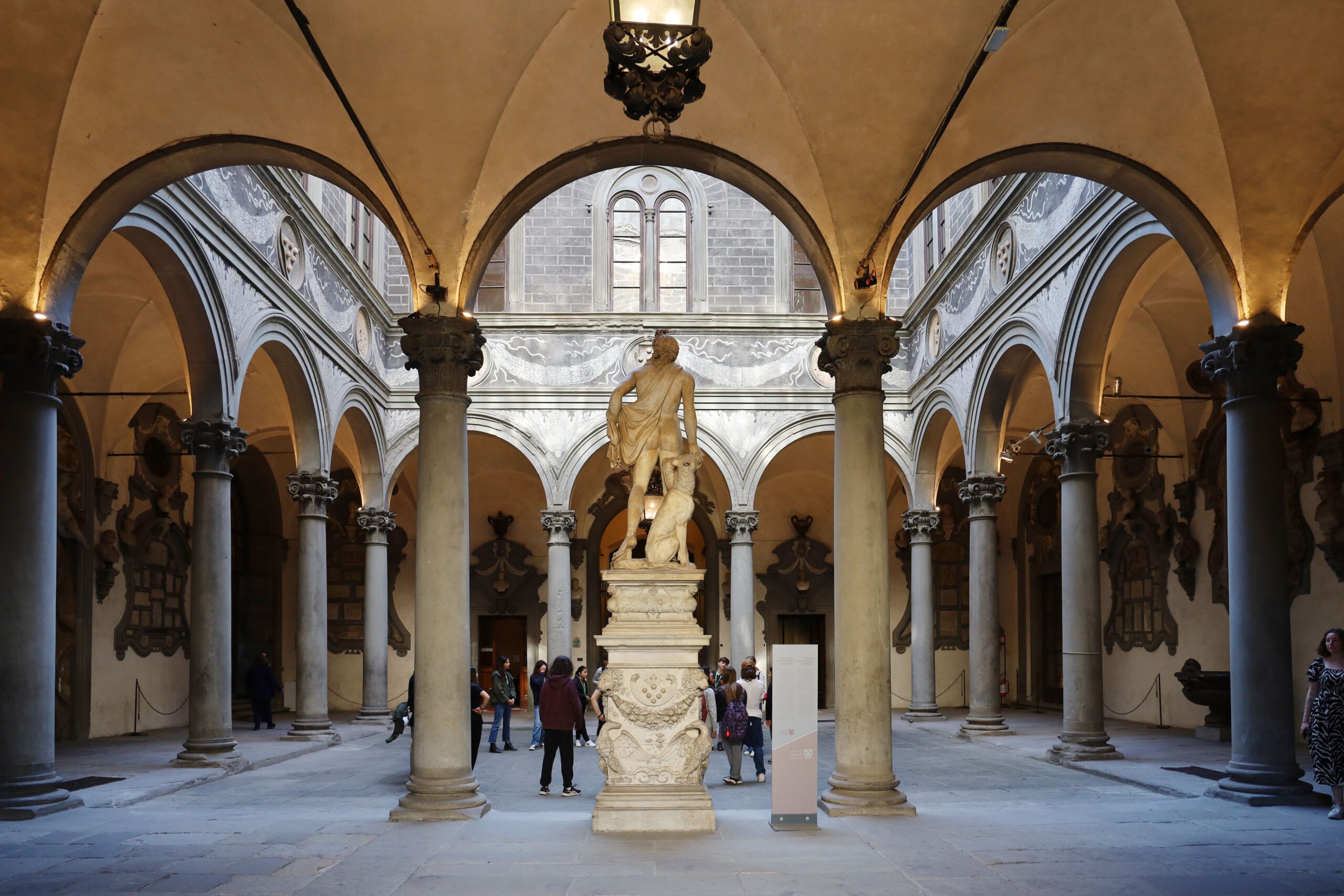
The Archaeological Museum occupies the historic Palazzo della Crocetta, a sixteenth century building commissioned during the Medici era.
The museum itself reflects Florence’s long tradition of collecting and preserving cultural treasures. During the nineteenth century, scholars and collectors sought to bring together important archaeological discoveries from across Tuscany and beyond. As excavations uncovered ancient cities, tombs, and settlements, Florence emerged as a center for archaeological research and preservation.
Today, the museum connects visitors with three interconnected worlds:
The Etruscans, who shaped central Italy before Roman expansion. The Romans, who transformed the region into part of a vast empire. The Egyptians, whose influence extended across the Mediterranean and fascinated European collectors for centuries.
Together, these collections create a broader understanding of how cultures exchanged ideas, technologies, and artistic traditions long before the modern world emerged.
Why a Private Archaeological Museum Tour Makes a Difference
Ancient collections can be challenging to navigate independently.
Without context, visitors often pass extraordinary artifacts without understanding their significance. Labels provide information, but they rarely tell the full story. A private guide brings depth and clarity to the experience.
Rather than moving room by room, your guide creates connections between objects, historical events, and cultural traditions. Visitors gain a richer understanding of how ancient societies lived, worshipped, traded, and governed.
Questions become part of the experience.
Whether you are fascinated by archaeology, mythology, religion, or ancient art, a private tour adapts to your interests and level of knowledge. The experience feels personal, engaging, and intellectually rewarding.
Local Expert Tip
Plan your Archaeological Museum visit during the late morning and combine it with nearby cultural sites that many visitors overlook.
After your tour, take a short walk through the quieter streets north of Florence’s historic center. This area offers a different perspective on the city, away from the busiest tourist routes. Many local residents consider this one of the most enjoyable parts of Florence for a relaxed afternoon. Historic buildings, traditional cafés, and smaller museums create an atmosphere that feels authentic and unhurried.
If you visit during summer, the museum’s calm galleries also provide a welcome retreat from the midday heat.
Seasonal Advice for Visiting Florence
Florence in Spring
Spring offers ideal conditions for exploring Florence on foot. Comfortable temperatures make it easy to combine museum visits with walking tours of the city.
Florence in Summer
Summer brings larger crowds to Florence’s major attractions. The Archaeological Museum remains comparatively peaceful, making it an excellent choice for travelers seeking a more relaxed cultural experience.
Florence in Autumn
Many experienced travelers consider autumn the best season to visit. The city feels lively but less crowded, and the museum provides a perfect complement to Florence’s art collections.
Florence in Winter
Winter offers a quieter atmosphere throughout Florence. Museum visits feel especially intimate, and guides often have greater flexibility for personalized experiences.
Who Will Enjoy the Florence Archaeological Museum Tour Most?
The Florence Archaeological Museum Tour appeals particularly to travelers who:
- Have already visited Florence before
- Enjoy history and archaeology
- Appreciate expert-led cultural experiences
- Prefer quieter museums
- Seek deeper understanding of Italy’s ancient past
Families with older children often find the mythology, ancient artifacts, and stories of lost civilizations especially engaging. The tour also pairs beautifully with visits to Florence’s Renaissance landmarks, creating a more complete understanding of the city’s cultural evolution.
Frequently Asked Questions
What is the Florence Archaeological Museum known for?
The museum is best known for its outstanding Etruscan collection, including the famous Chimera of Arezzo, as well as one of Italy’s most important collections of Egyptian antiquities.
How long does a Florence Archaeological Museum Tour take?
Most private tours last approximately two to three hours, allowing enough time to explore the major collections while engaging with the historical context behind the artifacts.
Is the Archaeological Museum suitable for first-time visitors to Florence?
Yes. While many first-time visitors focus on Renaissance art, the Archaeological Museum offers valuable historical context and a quieter cultural experience.
Why choose a private museum tour?
A private guide provides expert interpretation, personalized pacing, and deeper historical insight that transforms a museum visit into a far richer experience.
What will I see during the tour?
Highlights typically include Etruscan bronzes, Roman artifacts, ancient sculptures, funerary objects, Egyptian mummies, sarcophagi, and significant archaeological discoveries from Tuscany and beyond.
Experience Florence Through a Different Lens
Some of Florence’s most memorable discoveries happen beyond the city’s most photographed landmarks.
The Archaeological Museum invites visitors into civilizations that flourished long before the Renaissance transformed Europe. Ancient myths, sacred rituals, masterful craftsmanship, and remarkable archaeological discoveries reveal a side of Florence that many travelers never encounter.
For those who value meaningful cultural experiences, a private Florence Archaeological Museum Tour offers rare insight into the foundations of Italian history and the broader Mediterranean world.
Artviva’s expert guides bring these ancient treasures vividly to life through engaging storytelling, scholarly knowledge, and a deep passion for Florence’s layered past. If you are planning a journey to Florence and want an experience that combines intellectual depth, cultural richness, and personal attention, contact Artviva to arrange your private Archaeological Museum Tour and discover the ancient civilizations that helped shape Tuscany.
Ready to explore one of Florence’s most fascinating museums?
Book your Florence Archaeological Museum Tour or speak with our team about creating a customized Florence itinerary tailored to your interests.
Step beyond the Renaissance and uncover the ancient civilizations, artifacts, and stories that shaped Tuscany with Artviva’s Florence Archaeological Museum Tour – Ancient Treasures of Florence Private Tour.