
Florence’s Artisan Heritage: Where Italian Craftsmanship Still Thrives
Florence is often celebrated for its Renaissance masterpieces, magnificent churches, and world-famous museums. Yet beyond the galleries and grand piazzas lies another side of the city that has shaped its identity for centuries.
It is a city of makers.
Behind historic façades, skilled leatherworkers cut and stitch by hand, goldsmiths shape precious metals using techniques refined over generations, and artisans continue traditions that have been passed from master to apprentice for hundreds of years. Here, craftsmanship is not preserved only in museums. It remains part of everyday life.
Many visitors come to Florence hoping to find the perfect souvenir. They often leave with something far more meaningful: an appreciation for the people, knowledge, and traditions behind the objects they bring home.
Exploring Florence through its artisan culture offers a deeper understanding of the city, revealing how creativity continues to define daily life long after the Renaissance.
Quick Answer: Why Is Florence Famous for Artisan Shopping?
Florence is renowned for its artisan traditions because it has been a center of craftsmanship since the Renaissance. The city is celebrated for handmade leather goods, fine jewelry, marbled paper, textiles, perfumes, and other handcrafted products created by skilled artisans who continue centuries-old techniques while embracing contemporary design.
History & Cultural Context
Florence’s reputation as a center of craftsmanship began long before modern fashion houses and luxury boutiques arrived.
During the Renaissance, the city became home to powerful trade guilds that established rigorous standards for professions including leatherworking, silk weaving, goldsmithing, bookbinding, and textile production. These guilds protected quality, encouraged innovation, and trained apprentices who spent years mastering their craft before becoming independent artisans.
The Medici family recognized the importance of this creative community.
Their patronage supported artists, architects, sculptors, and skilled craftsmen whose work transformed Florence into one of Europe’s leading cultural capitals. Fine craftsmanship became a source of civic pride, helping establish Florence as a city where technical skill and artistic expression worked hand in hand.
Although centuries have passed, many of these traditions continue today.
Family-owned workshops still create handmade goods using methods refined over generations, while contemporary designers reinterpret historic techniques for modern audiences. This balance between heritage and innovation remains one of Florence’s defining characteristics.
Beyond the Boutiques: The Living Craft of Florence
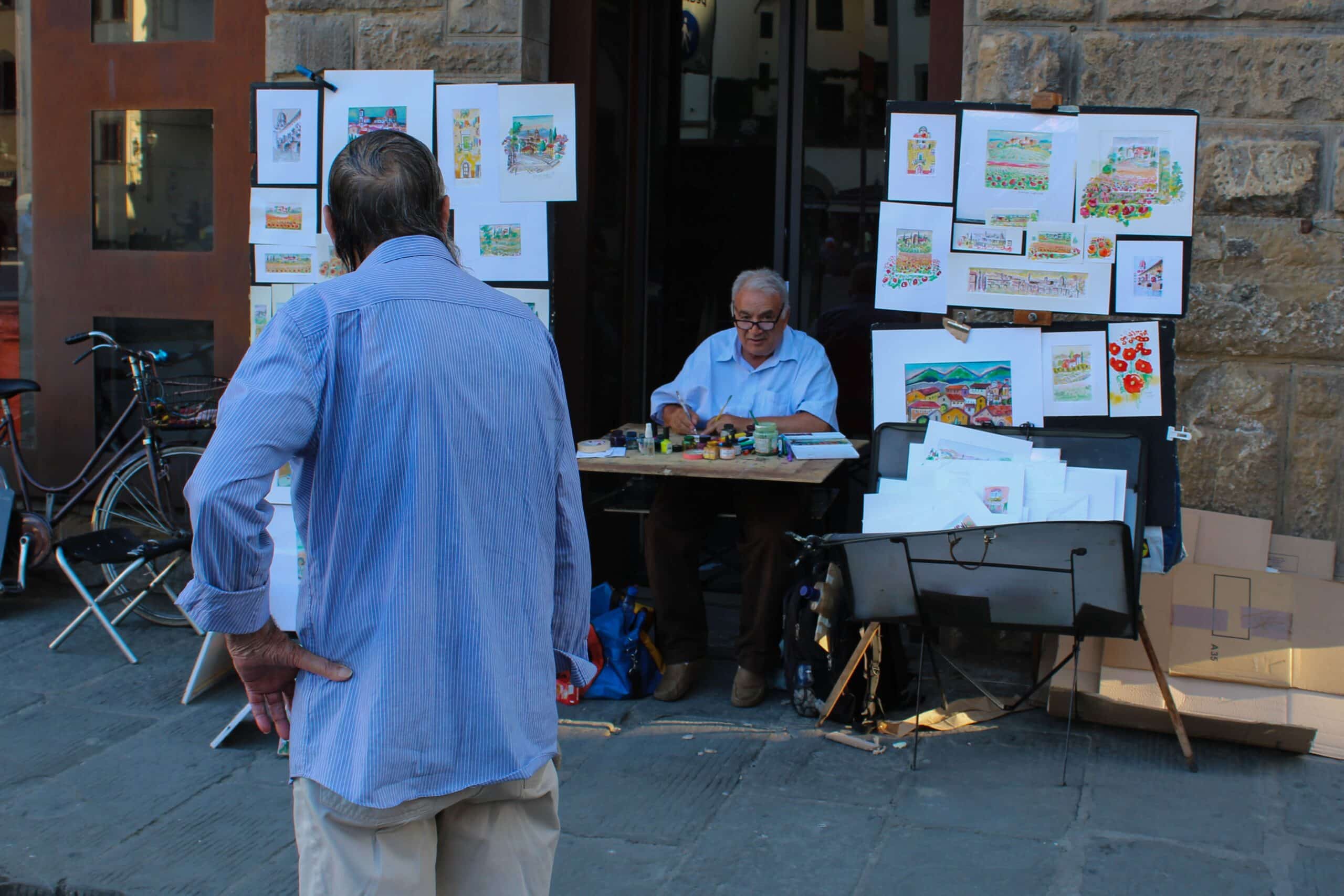
Many visitors associate shopping in Florence with designer fashion, yet the city’s most rewarding discoveries often happen inside small workshops where artisans continue creating by hand.
Leather remains one of Florence’s best-known specialties. Skilled craftspeople transform high-quality Tuscan hides into bags, wallets, belts, journals, and accessories that reflect both traditional techniques and contemporary design.
Jewelry also plays an important role in Florence’s creative identity. Goldsmiths continue producing intricate pieces inspired by Renaissance motifs while introducing modern interpretations that respect the city’s artistic heritage.
Paper marbling, bookbinding, ceramics, perfumery, and textile design further demonstrate the remarkable diversity of Florentine craftsmanship.
Many visitors only scratch the surface of Florence’s shopping scene because they focus on familiar storefronts.
The deeper story lies in understanding the people behind these crafts, the techniques they preserve, and the generations of knowledge reflected in every handmade object.
Why It Matters Today
In an age of mass production and fast fashion, Florence offers something increasingly rare.
Its artisan culture celebrates patience, craftsmanship, sustainability, and the value of creating objects designed to last.
Many workshops continue producing in small quantities, emphasizing quality over volume and personal relationships over rapid transactions. Purchasing a handcrafted piece becomes more than shopping. It becomes an opportunity to support traditions that remain central to Florence’s cultural identity.
For travelers, these experiences also create lasting memories.
Rather than simply buying an item, visitors gain an appreciation for the creative process itself. Conversations with artisans often reveal the care, expertise, and passion behind each object, transforming everyday purchases into meaningful reminders of time spent in Florence.
Local Expert Tip
Many visitors head straight for Florence’s best-known shopping streets, but local experts often recommend taking time to explore the smaller lanes nearby. Some of the city’s most skilled artisans work quietly behind modest storefronts where the focus remains on craftsmanship rather than display.
When you visit a workshop, don’t hesitate to ask about the making process. Many artisans are proud to explain the materials they use, the techniques they have learned, and the traditions they continue. These conversations often become just as memorable as the handcrafted pieces themselves.
Experience It Firsthand
Florence’s artisan heritage is best understood through the people who continue these traditions every day.
Many visitors admire handcrafted leather, jewelry, and decorative arts without realizing the generations of knowledge, patience, and creativity behind each piece. Exploring the city with knowledgeable local experts creates opportunities to discover workshops, meet artisans, and understand how Florence became one of Europe’s great centers of craftsmanship.
Artviva’s Florence Shopping Experience: Fashion & Artisans offers a thoughtful introduction to this creative world. Rather than focusing only on shopping, the experience highlights the stories, techniques, and cultural traditions that continue to shape Florence’s artisan community. Travelers gain a deeper appreciation for the city’s heritage while discovering workshops and crafts that many visitors never encounter on their own.
Learn more here:
The Best of Florence Shopping Tour – Fashion & Artisans
Practical Travel Advice
Florence’s historic center is compact and easy to explore on foot, making comfortable walking shoes essential. The city’s stone streets and narrow lanes encourage a slower pace, allowing time to appreciate both the architecture and the artisan workshops tucked throughout the historic center.
If you hope to purchase handcrafted items, leave space in your luggage and avoid planning every hour of your day. The most rewarding discoveries often happen unexpectedly during conversations with artisans or while wandering through quieter neighborhoods.
Many workshops also have limited opening hours, particularly during lunch or on Sundays, so flexibility can make your experience even more enjoyable.
Seasonal Considerations
Spring
Spring is one of the most enjoyable seasons for exploring Florence’s artisan districts. Mild temperatures make walking comfortable, and many workshops introduce new seasonal collections inspired by the changing landscape.
Summer
Summer brings longer days and lively streets throughout Florence. Visiting artisan workshops during the morning often provides a quieter and more relaxed atmosphere before the busiest afternoon hours.
Autumn
Autumn offers comfortable weather and beautiful natural light that enhances Florence’s historic architecture. Many experienced travelers consider it one of the best seasons for discovering local craftsmanship at an unhurried pace.
Winter
Winter reveals a calmer side of Florence. With fewer visitors in many neighborhoods, artisans often have more time to discuss their work and share the traditions behind their craft.
Frequently Asked Questions
What is Florence most famous for buying?
Florence is renowned for handmade leather goods, fine jewelry, marbled paper, artisan perfumes, ceramics, textiles, and handcrafted accessories created by skilled local artisans.
Are Florence’s artisan workshops worth visiting?
Yes. Visiting artisan workshops offers insight into centuries-old traditions that continue to shape the city’s identity while providing opportunities to learn directly from experienced craftspeople.
Is Florence a good city for shopping?
Absolutely. Florence combines internationally recognized fashion with exceptional artisan craftsmanship, allowing visitors to discover both contemporary Italian design and traditional handmade products.
How can I find authentic artisan workshops in Florence?
Many authentic workshops are located away from the busiest shopping streets. Exploring with knowledgeable local experts often introduces visitors to artisans and traditions they might otherwise overlook.
Why is craftsmanship so important to Florence?
Craftsmanship has been central to Florence since the Renaissance, when guilds established world-renowned standards for leatherworking, goldsmithing, textiles, and other skilled trades. Those traditions continue to influence the city’s creative identity today.
Florence’s Greatest Souvenirs Are the Stories Behind Them
The most meaningful discoveries in Florence are rarely found in display windows alone.
They are found in workshops where artisans continue centuries-old traditions, in conversations that reveal the care behind every handmade object, and in the quiet pride of people who have dedicated their lives to preserving exceptional craftsmanship.
Experiencing Florence through its artisans offers something lasting. It transforms shopping into cultural discovery and reveals a city where creativity remains part of everyday life.
If you’d like to explore Florence’s remarkable artisan heritage with knowledgeable local experts, learn more about Artviva’s Florence Shopping Experience: Fashion & Artisans here:
The Best of Florence Shopping Tour – Fashion & Artisans
Why Travel with Artviva
Since 1996, Artviva has introduced travelers to Italy through authentic experiences rooted in local knowledge, cultural understanding, and meaningful human connection. Every experience is thoughtfully designed to help visitors move beyond the highlights, discovering the traditions, craftsmanship, and stories that continue to define Italy today.
Whether exploring Florence’s artisan workshops or its Renaissance landmarks, Artviva believes the richest travel experiences come from understanding not only what you see, but also the people whose skill and passion keep these traditions alive.