
Inside Florence’s Artisan Workshops: Where Centuries-Old Crafts Come to Life
Some of Florence’s greatest masterpieces are not found in museums.
They are being created right now behind workshop doors throughout the Oltrarno.
A goldsmith carefully shapes a piece of jewelry. A woodworker applies the final finish to a handcrafted cabinet. A textile conservator restores centuries-old fabrics thread by thread. These are the traditions that helped make Florence famous and continue to define the city today.
Our Artisan Workshops Visit offers rare access to the people keeping these skills alive. Through private appointments and expert guidance, you’ll step inside working studios, meet master craftspeople, and experience Florence’s living artistic heritage firsthand.
What Is an Artisan Workshop Tour in Florence?
A Florence artisan tour provides exclusive access to working studios where traditional crafts are still practiced.
Depending on your interests, visits may include:
- Jewelry and goldsmith workshops
- Textile and weaving studios
- Woodworking and marquetry ateliers
- Gilding and restoration workshops
- Bookbinding studios
- Frame makers and decorative arts specialists
Guests meet artisans, watch demonstrations, and learn about centuries-old techniques still used today.
Why Florence’s Artisan Tradition Matters
Florence’s reputation was built on craftsmanship.
During the Renaissance, the city’s workshops produced everything from paintings and sculptures to furniture, textiles, jewelry, and architectural decoration.
These crafts supported Florence’s economy, culture, and global reputation.
While many cities lost these traditions over time, Florence continues to maintain a remarkable community of working artisans.
Their studios preserve skills that have been passed down through generations.
Visiting these workshops offers a unique opportunity to experience Florence beyond its famous monuments.
Exploring the Oltrarno
The heart of Florence’s artisan community lies in the Oltrarno district.
Located across the Arno River, this neighborhood remains filled with workshops, studios, and small businesses where craftsmanship continues to thrive.
Many visitors walk through these streets without realizing what lies behind the historic doors.
Inside, you’ll discover active workspaces where artisans continue producing exceptional handmade pieces using techniques that often date back centuries.
The atmosphere feels authentic, creative, and deeply connected to Florence’s history.
Meet the Makers
One of the most rewarding aspects of the experience is meeting the artisans themselves.
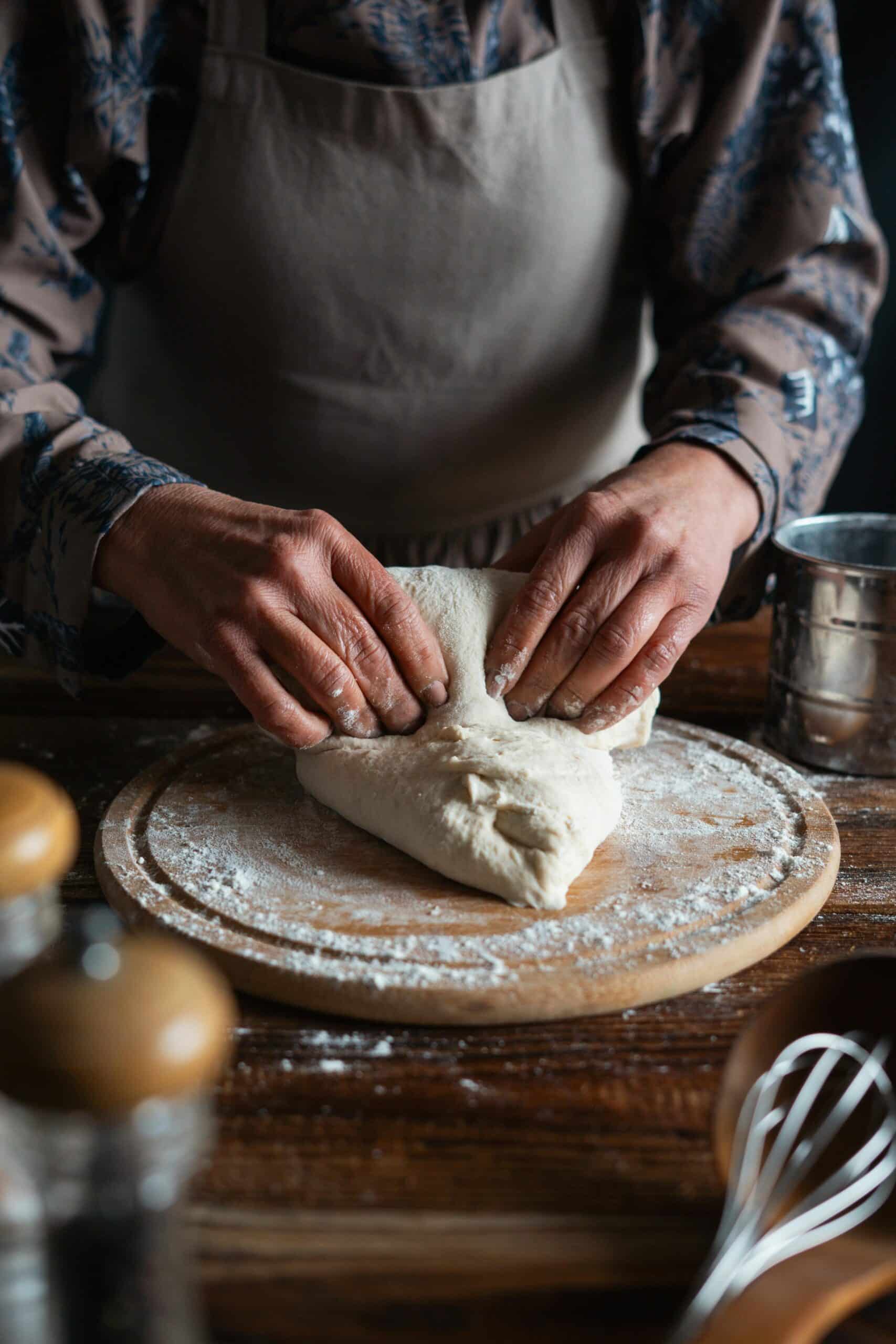
Rather than simply viewing finished products, guests witness the process behind them.
Depending on the workshops visited, you may see:
- Goldsmiths shaping precious metals
- Weavers working on traditional looms
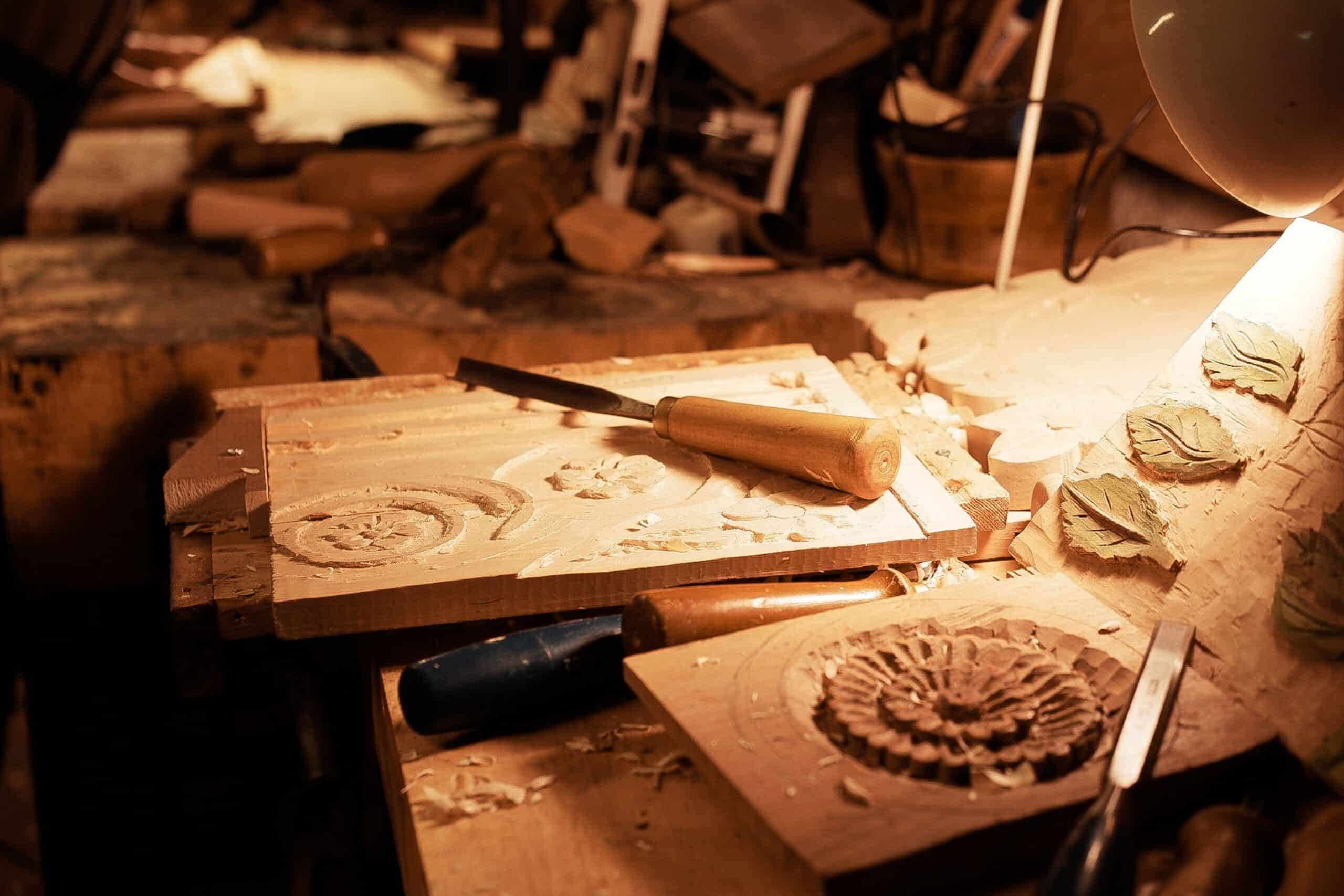
- Woodworkers creating intricate furniture
- Restorers preserving historic objects
- Bookbinders crafting handmade volumes
These encounters transform objects into stories and reveal the extraordinary skill behind each piece.
Understanding Traditional Techniques
Many visitors are surprised by how much work goes into creating handmade objects.
Your guide helps explain specialized techniques such as:
- Chasing and repoussé metalwork
- Gold-leaf gilding
- Intaglio carving
- Traditional weaving methods
- Marquetry and inlay work
- Conservation and restoration techniques
Complex processes become accessible through demonstrations and conversations with the artisans themselves.
From Guilds to Modern Workshops
Florence’s artisan culture developed through powerful guilds that regulated quality and training during the Middle Ages and Renaissance.
These organizations ensured that products met rigorous standards and helped establish Florence as one of Europe’s most respected centers of craftsmanship.
Many of today’s artisans continue to embrace the same commitment to excellence.
While tools and technologies have evolved, the dedication to quality remains remarkably consistent.
History & Cultural Context
The Medici family played a significant role in supporting Florence’s artisan community.
Their patronage created demand for exceptional craftsmanship across architecture, furniture, jewelry, textiles, and decorative arts.
As Florence grew into a cultural powerhouse, artisans became essential contributors to the city’s success.
Many of the skills developed during this period remain visible in contemporary workshops throughout the city.
Visiting these studios provides insight into traditions that continue to shape Florence’s identity.
Local Expert Tip
Many visitors purchase souvenirs produced overseas without realizing authentic Florentine craftsmanship is still readily available.
When buying artisan products, look for workshops where the maker is actively involved in the production process.
The opportunity to meet the person who created an object often becomes just as meaningful as the purchase itself.
Opportunities for Custom Commissions
For travelers seeking something truly unique, many workshops offer bespoke commissions.
Guests may be able to:
- Order custom jewelry
- Commission handcrafted furniture
- Request personalized leather goods
- Purchase one-of-a-kind decorative pieces
Your guide can assist with communication, logistics, and shipping arrangements when appropriate.
Why a Private Artisan Tour Makes a Difference
Many artisan studios operate by appointment only.
Without local connections, travelers often miss opportunities to access these remarkable spaces.
A private guide not only opens doors but also provides context, helping visitors understand techniques, traditions, and cultural significance.
The result is a richer and more meaningful experience.
People Also Ask
What is the Oltrarno known for?
The Oltrarno is Florence’s historic artisan district, famous for workshops, studios, and traditional craftsmanship.
Can you visit artisan workshops in Florence?
Yes. Many workshops welcome visitors through guided experiences and private appointments.
What crafts is Florence famous for?
Florence is known for jewelry, leatherwork, woodworking, textiles, gilding, bookbinding, and restoration.
Can I purchase items directly from artisans?
Yes. Many workshops offer finished pieces and custom commissions.
How long does an artisan workshop tour last?
Most experiences last approximately three hours, depending on interests and workshop availability.
Discover Florence Through Its Makers
Behind every handcrafted object lies a story of patience, creativity, and skill.
Florence’s artisans continue traditions that have shaped the city for centuries, preserving techniques that connect the present to the Renaissance.
Our Artisan Workshops Visit offers a rare opportunity to step inside this world, meet the makers, and experience the craftsmanship that remains at the heart of Florence today.
Join ArtViva for an unforgettable journey through the city’s living artistic heritage on the Original Florence Artisan Tour.
Why Travel with ArtViva
Founded in Florence in 1996, ArtViva has spent nearly three decades connecting travelers with the city’s finest artisans, cultural experts, and local traditions. Through trusted relationships and carefully curated experiences, we provide meaningful access to the people and places that make Florence truly unique.