
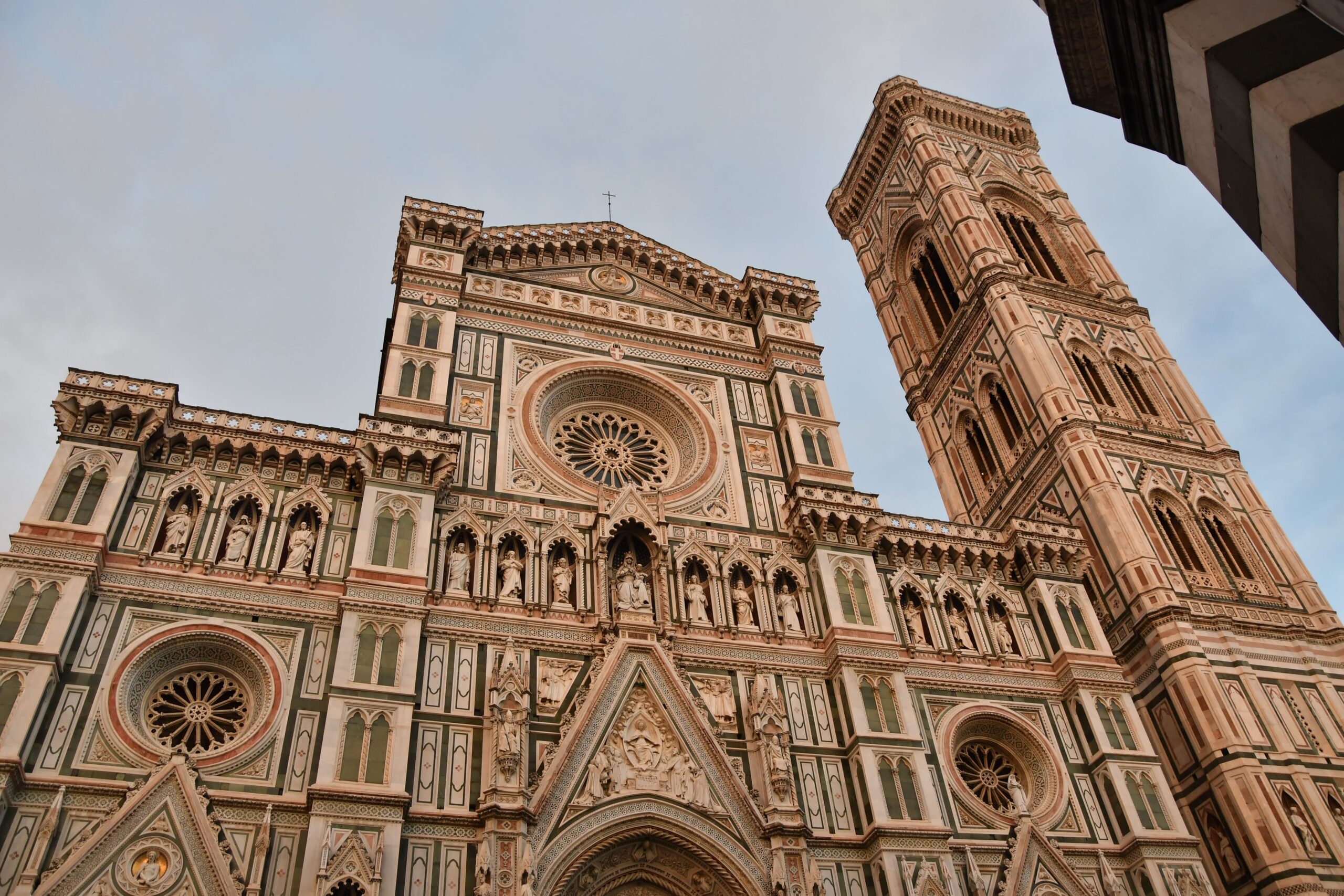
Masterpieces in Florentine Churches – Florence’s Most Beautiful Churches
Where Florence’s Art History Still Lives in Silence
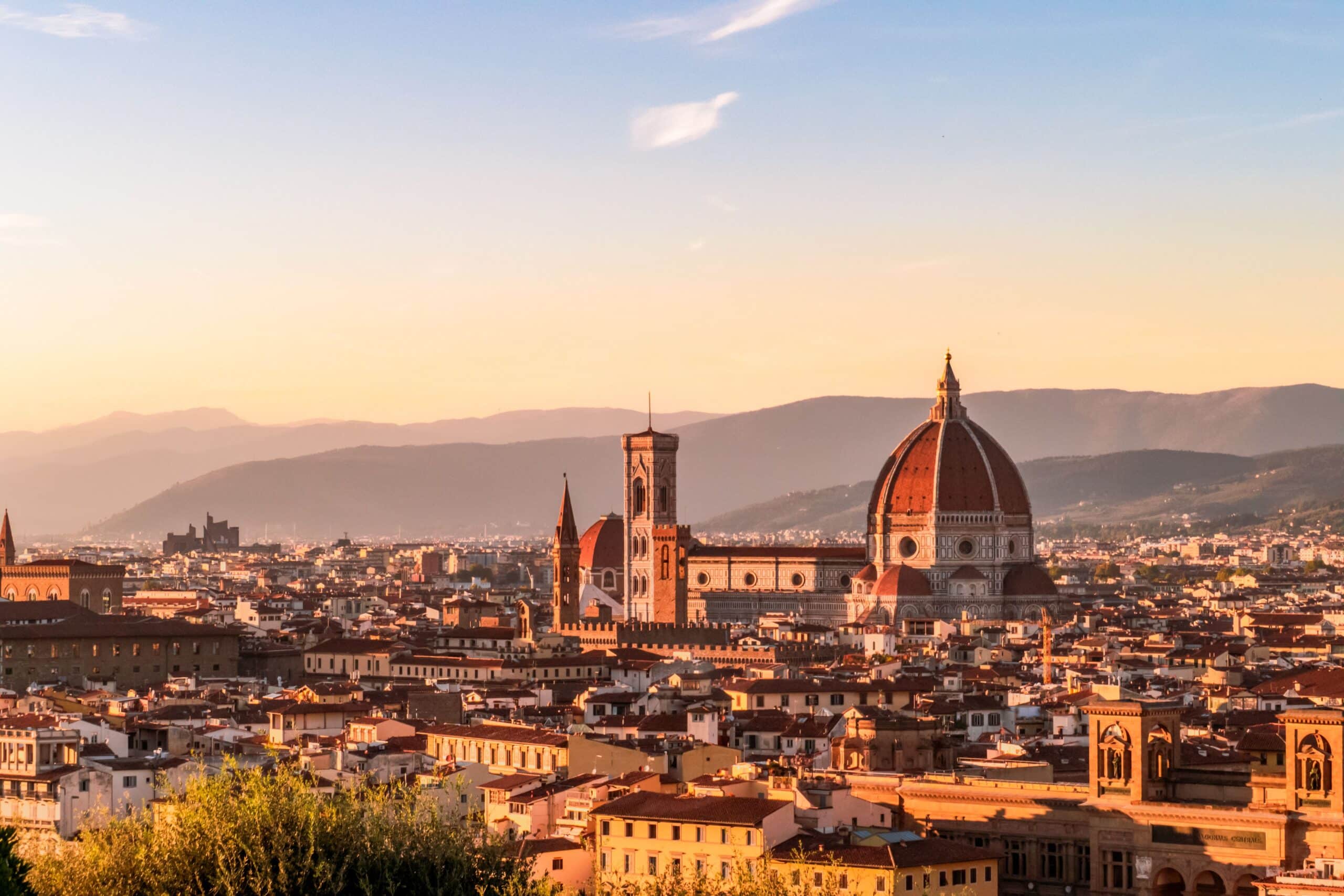
Florence does not reveal all its masterpieces in museums. Some of its most defining works still rest where they were first imagined — inside churches shaped by faith, ambition, and artistic revolution.
Florence’s Churches reveal the city through sacred interiors, where painting, sculpture, and architecture were once part of the same language.
Many visitors pass through these spaces without realizing they are standing inside some of the most important chapters of Renaissance art.
When Faith Became Visual Language
Florence’s churches were never only places of worship. They were public stages for identity, power, and storytelling.
Here, artists were not simply decorating walls. They were constructing meaning.
In Santa Maria Novella, early Renaissance thinkers transformed space itself, introducing a new clarity in how humans were represented. In Santa Trinita, refined chapels reflect the influence of Florence’s elite families, where art and patronage moved closely together.
And in Santa Croce, Florence gathers its cultural memory — a place where Giotto’s narrative cycles meet the resting places of figures who shaped Italian thought. What most travelers never realize is how deliberately these spaces were designed to preserve both devotion and civic identity in a single visual system.
Reading the City Through Its Sacred Spaces
To understand Florence through its churches is to understand how the Renaissance taught people to see.
The deeper story lies in how frescoes functioned as visual instruction. Scenes from scripture were not decorative choices but structured narratives meant to guide attention, emotion, and belief.
Standing inside these interiors today, the effect is still present. Stone, light, and pigment continue to shape perception in subtle ways that modern museums often smooth away.
Local experts often point out that Florence’s artistic evolution cannot be separated from these sacred environments. They were laboratories for ideas that later defined European art.
Light, Space, and the Architecture of Meaning
One detail frequently overlooked is how carefully these churches were designed around natural light.
In Santa Croce especially, light changes how frescoes are perceived throughout the day, shifting tone and depth in ways Renaissance builders understood intimately.
This interaction between architecture and atmosphere is not accidental. It is part of the experience itself, even centuries later.
Practical Context for Visiting Florence’s Churches
These spaces remain active places of worship, which shapes how they are experienced today.
Quiet observation reveals far more than movement through a checklist of artworks. Smaller chapels, side altars, and overlooked tombs often hold the most revealing details.
Florence’s historic center is compact, but each church rewards time rather than speed. The experience deepens when allowed to unfold slowly.
When to Experience Florence at Its Best
Spring and autumn bring the most balanced conditions for exploring Florence’s church interiors, with softer light enhancing fresco visibility.
Summer offers longer days but stronger crowds, making quieter hours especially valuable inside major churches.
Winter creates a more contemplative atmosphere, where reduced visitor flow allows for a closer reading of space, detail, and silence.
Frequently Asked Questions About Florentine Churches
Why are Florence’s churches important for Renaissance art?
They were primary spaces of innovation, where artists, patrons, and architects shaped visual storytelling that defined the Renaissance.
Which churches best represent Florence’s artistic heritage?
Santa Maria Novella, Santa Trinita, and Santa Croce each represent distinct phases of Florentine artistic and cultural development.
What makes Santa Croce so significant?
It combines Giotto’s groundbreaking fresco cycles with the memorials of key figures in Italian history, forming a layered cultural archive.
Can you see Michelangelo’s influence in Florence’s churches?
Yes. His legacy appears in funerary monuments and artistic programs, especially within Santa Croce.
Do you need art history knowledge to appreciate these spaces?
No. Meaning often emerges through context. Many visitors find that interpretation transforms what they see.
Florence as a Living Archive of Meaning
Florence’s churches are not static monuments. They are living records of how a city once understood beauty, belief, and identity.
Inside them, Renaissance ideas are still visible — not as distant history, but as a visual language that continues to shape how we interpret space and story.
For travelers seeking to understand Florence beyond its surface, these sacred interiors offer a deeper lens. And when read with the right context, they reveal connections that are easy to miss, but difficult to forget.
To experience these spaces with greater clarity and insight, many visitors choose to explore Florence with Artviva’s expert local guides, where history, art, and storytelling come together in a way that brings the city’s churches fully to life.
Why Artviva
Exploring Florence’s churches with Artviva means seeing them as more than landmarks, but as layered stories of art, faith, and civic identity brought to life through expert context. With carefully designed private experiences, the focus is on interpretation rather than itinerary, allowing you to understand how frescoes, architecture, and symbolism work together inside each space.
Led by knowledgeable local guides, the experience reveals details and connections that are easy to miss when visiting alone, turning each church into a deeper reading of the Renaissance itself.
Artviva offers access to Florence’s sacred spaces in a way that feels personal, insightful, and rooted in storytelling.
Learn more about Artviva’s Masterpieces in Florentine Churches experience and reserve your spot.