
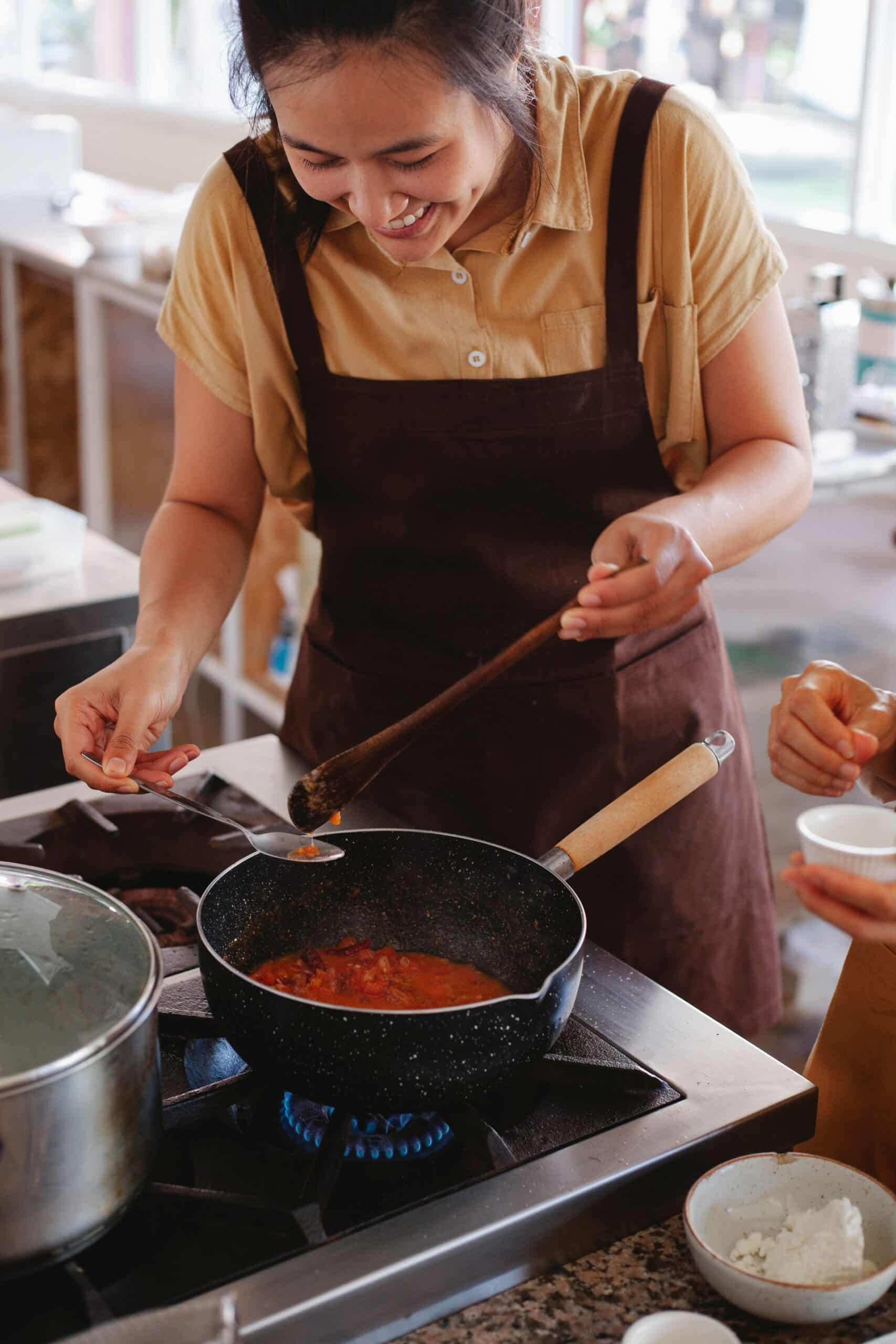
Why a Florence Cooking Class Reveals the Heart of Tuscan Culture
Some of Florence’s most meaningful traditions are not displayed in galleries or preserved behind museum glass. They are found around the table, where recipes are prepared slowly, stories are exchanged freely, and generations of knowledge are passed from one person to another.
A Florence cooking class offers travelers a rare opportunity to experience Tuscany through one of its most enduring forms of expression: food. Beyond learning how to prepare regional dishes, visitors discover the values that shape Tuscan cuisine, from respect for seasonal ingredients to the importance of sharing meals with others.
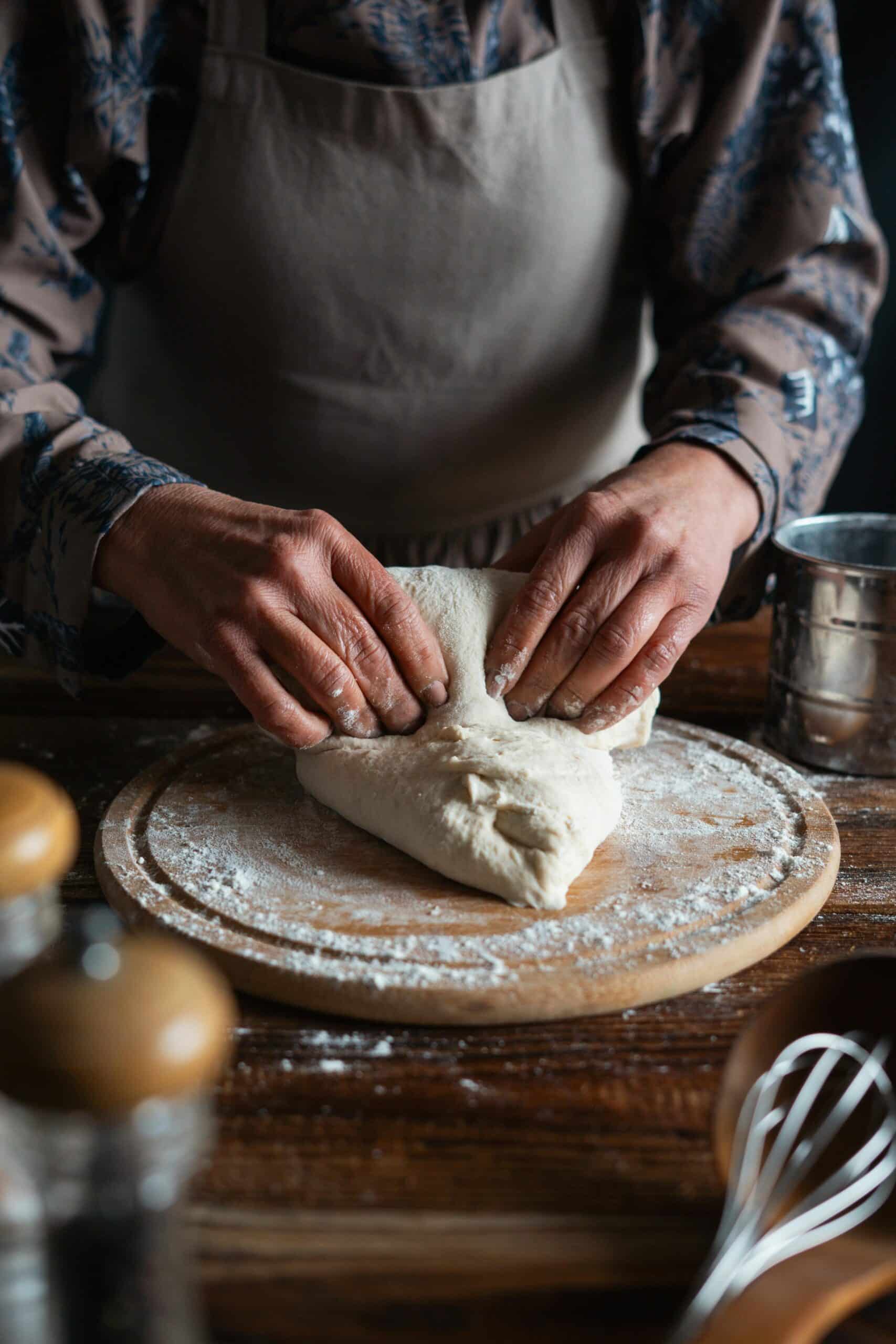
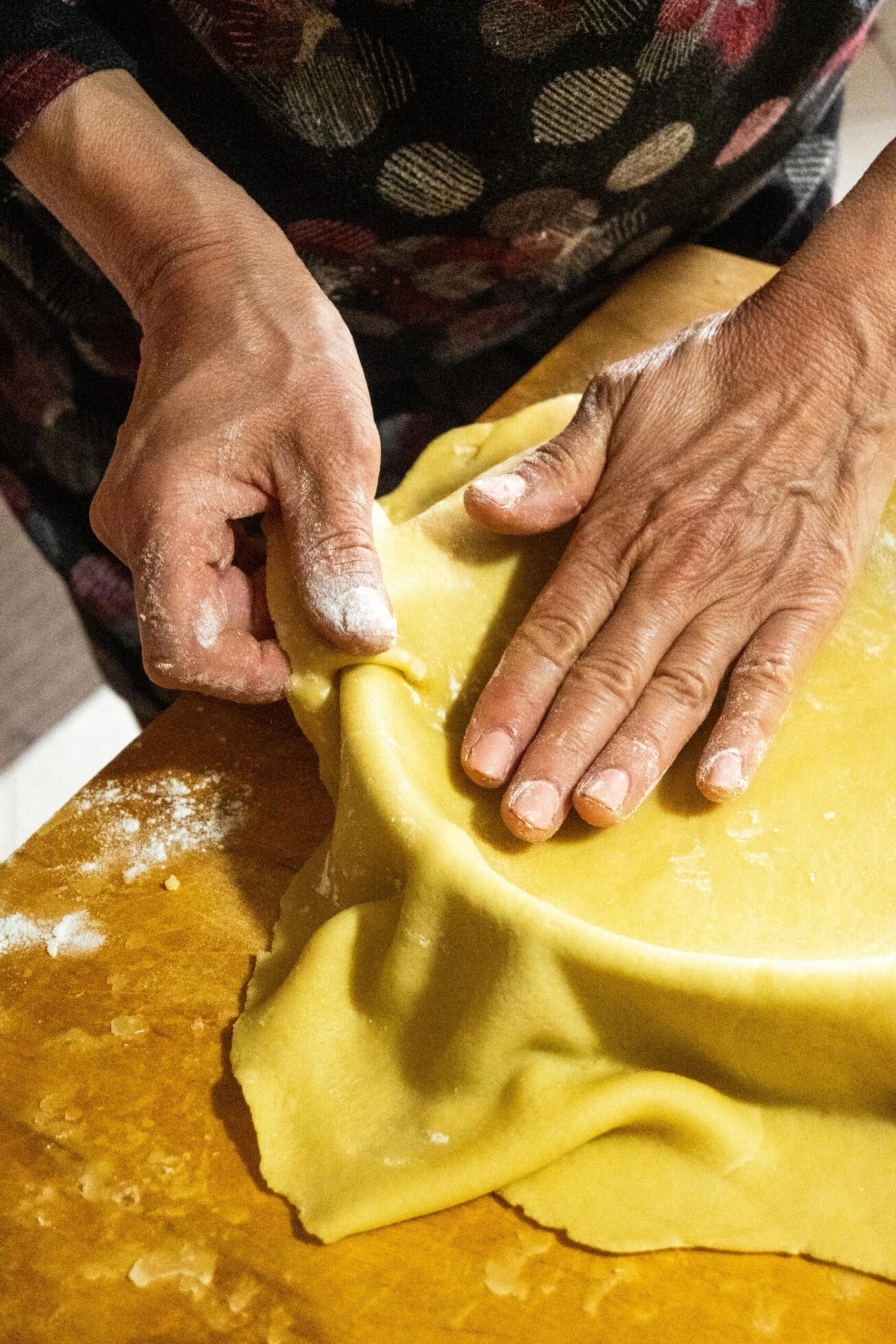
Many travelers arrive in Florence searching for Renaissance masterpieces, historic architecture, and famous landmarks. Yet some of their strongest memories often come from quieter moments: kneading pasta dough, learning why a simple ingredient matters, and understanding how food connects people to place.
Cooking in Tuscany is not simply about following a recipe. It is about discovering a way of life built around craftsmanship, hospitality, and appreciation for the everyday.
Quick Answer: Why Is a Florence Cooking Class Worth Experiencing?
A Florence cooking class is one of the most authentic ways to understand Tuscan culture because it combines hands-on learning with local history, traditional techniques, and the stories behind regional cuisine. Travelers gain insight into how Florentines approach ingredients, preparation, and hospitality in ways that extend far beyond a typical dining experience.
How Tuscan Cuisine Became a Symbol of Italian Food Culture
Tuscan cuisine developed from the landscapes, traditions, and resourcefulness of the region.
For centuries, families across Tuscany relied on what was available locally: freshly harvested vegetables, olive oil from nearby groves, herbs from gardens, grains, legumes, and carefully prepared meats. Cooking followed the rhythm of the seasons rather than the demands of convenience.
This history created a culinary tradition where simplicity became a form of expertise.
Many visitors expect Italian cuisine to be defined by elaborate preparation, but Tuscan cooking often follows a different philosophy. The goal is not to hide ingredients behind complexity. The goal is to reveal their natural character.
A perfectly ripe tomato, freshly pressed olive oil, handmade pasta, or a piece of aged cheese can carry the identity of the landscape itself.
The deeper story lies in understanding why these ingredients matter.
Tuscan recipes are closely connected to agriculture, family traditions, and regional identity. A bowl of soup, a loaf of bread, or a handmade pasta dish may represent centuries of adaptation and local knowledge.
What Makes Tuscan Food Different from Other Italian Regional Cuisine?
Italy’s culinary identity is shaped by its regions. Each area has developed its own traditions based on geography, climate, agriculture, and historical influences.
Tuscan food reflects the character of central Italy. The countryside surrounding Florence has long supported farms, vineyards, olive groves, and gardens that influence the local table.
Traditional Tuscan cuisine is often recognized for fresh seasonal ingredients, handmade pasta, excellent olive oil, rustic preparations, and recipes that allow natural flavors to shine.
Local cooks often emphasize that technique matters as much as ingredients.
The way dough is mixed, the timing of adding herbs, the patience used while preparing sauces, and the understanding of texture all contribute to the final result.
These details are difficult to appreciate from a menu alone.
They become clearer when travelers experience the process firsthand.
Why Food Provides a Deeper Connection to Florence
Florence is internationally celebrated for its artistic achievements, but its cultural identity has always extended beyond painting, sculpture, and architecture.
Food has played an important role in Florentine life for centuries.
Markets, family kitchens, neighborhood restaurants, and seasonal celebrations have all contributed to the city’s relationship with cuisine. Meals are often occasions for conversation, connection, and tradition.
Many visitors overlook how much cultural history exists within everyday food practices.
A recipe can reveal how people adapted to their environment. A cooking method can reflect generations of experience. A shared meal can demonstrate values that remain important today.
What most travelers never realize is that culinary traditions often preserve stories that are not recorded in museums.
They survive through repetition.
They are taught by observation.
They are remembered through taste.
Why Learning from Local Experts Changes the Culinary Experience
Reading about Tuscan food provides information.
Preparing it with local guidance creates understanding.
An experienced cook can explain details that rarely appear in written recipes. They can show how ingredients should feel, how traditions have evolved, and why certain techniques remain important.
A cooking class becomes a conversation between visitor and culture.
The experience takes on new meaning when viewed through the perspective of people who understand not only what is being prepared, but why it matters.
Local experts often point out that Italian cooking is built on intuition. Measurements are important, but experience teaches the small adjustments that transform a dish.
The texture of dough.
The balance of flavors.
The timing of preparation.
The connection between ingredients and seasons.
These lessons create a deeper appreciation that stays with travelers long after they leave Florence.
The Italian Table: Where Food Becomes Culture
In Tuscany, meals are rarely treated as something to rush through.
The table represents connection.
It is where families gather, friendships grow, and celebrations take place. Food creates space for conversation and community.
This tradition helps explain why cooking experiences resonate so strongly with travelers. They provide a glimpse into daily life rather than only the historic surface of a destination.
Many visitors discover that the most memorable part of a culinary experience is not a specific recipe. It is the feeling of participating in a tradition that has existed long before their arrival.
The kitchen becomes a place where history feels present.
Local Expert Tip: Pay Attention to the Small Details
When exploring Tuscan cuisine, focus on the details that are easy to miss.
Many visitors notice the final dish but overlook the choices that shaped it.
The season in which an ingredient was harvested.
The regional traditions behind a preparation method.
The reason certain flavors are paired together.
The importance of patience.
These details reveal the philosophy behind Tuscan cooking.
A knowledgeable local perspective can transform a meal from something enjoyable into something meaningful because it connects food with history, agriculture, and everyday life.
Experience It Firsthand: Discover Tuscan Traditions Through Cooking
For travelers who want to understand Florence through its culinary heritage, Artviva’s Fun Florence Cooking Class: 3 Course Dinner provides an opportunity to explore Tuscan traditions through hands-on preparation, local guidance, and shared dining.
Fun Florence Cooking Class: 3 Course Dinner
A Florence cooking class becomes especially rewarding when experienced with knowledgeable local instructors who can explain the cultural meaning behind each step. The value lies not only in preparing traditional dishes, but in understanding the customs, ingredients, and stories that have shaped Tuscan cuisine over generations.
Rather than simply learning a collection of recipes, travelers gain a deeper appreciation for the relationship between food and place.
The experience offers insight into why Tuscan cooking continues to inspire visitors from around the world and why the traditions surrounding the table remain such an important part of Florentine identity.
For couples, families, solo travelers, and food enthusiasts, this type of cultural exchange provides a memorable way to connect with Florence beyond its most famous sights.
Practical Advice for Enjoying a Florence Cooking Class
A culinary experience in Florence is rewarding regardless of previous cooking ability.
Beginners often discover that Italian cooking is approachable because it focuses on quality ingredients and traditional techniques rather than complicated methods.
Experienced home cooks may appreciate the opportunity to compare their own approach with regional practices developed over generations.
Arrive with curiosity rather than expectations. Be open to traditions that may differ from familiar cooking styles. Consider the season when planning your visit, as ingredients and menus naturally change throughout the year.
The most valuable lessons are often the ones that cannot be measured: a new understanding of Italian hospitality, a connection with local traditions, and memories associated with preparing food in Florence.
The Best Time of Year for a Florence Cooking Class
One of the pleasures of Tuscan cuisine is that it changes with the seasons.
Spring introduces fresh greens, delicate herbs, and young vegetables.
Summer brings tomatoes, basil, zucchini, and ingredients that reflect the warmth of the Tuscan countryside.
Autumn is an important season for many regional traditions, with mushrooms, chestnuts, seasonal produce, and new olive oil shaping local cooking.
Winter highlights comforting dishes connected to Tuscany’s rural heritage, including hearty soups and slow-prepared recipes.
There is no single perfect season for a Florence cooking class. Each period reveals a different expression of Tuscan food culture.
Frequently Asked Questions About Florence Cooking Classes
What do you learn in a Florence cooking class?
A Florence cooking class introduces travelers to traditional Italian preparation methods, regional ingredients, and the cultural stories behind Tuscan cuisine.
Do I need cooking experience to join a Florence cooking class?
No. Cooking experiences in Florence welcome beginners as well as experienced cooks. The focus is on participation, learning, and enjoying the process.
What types of dishes are associated with Tuscan cooking?
Tuscan cuisine includes handmade pasta, seasonal vegetables, rustic breads, traditional sauces, regional specialties, and desserts influenced by local ingredients.
Why is Tuscan cuisine famous?
Tuscan cuisine is celebrated because it reflects a strong connection between food, agriculture, and tradition. Its emphasis on simplicity allows high-quality ingredients to shine.
Is a cooking class a good activity for families visiting Florence?
Yes. Culinary experiences can be an engaging way for families to connect with Italian culture while creating shared memories.
Why learn Italian cooking in Florence instead of only visiting restaurants?
Restaurants allow travelers to taste local dishes. A cooking class provides additional context by revealing the techniques, traditions, and stories behind those dishes.
Discover Florence Through the Traditions That Bring People Together
Florence has inspired generations through its art, architecture, and history, but another part of the city’s identity lives around the table.
Tuscan cuisine reflects patience, creativity, and respect for tradition. Every ingredient carries a connection to the land, and every recipe carries traces of the people who preserved it.
A Florence cooking class allows travelers to experience this heritage in a personal way, transforming food from something to taste into something to understand.
For those who wish to explore Tuscany through its culinary traditions, Artviva’s Fun Florence Cooking Class: 3 Course Dinner offers a meaningful opportunity to learn from local experts and discover the stories behind the flavors.
Fun Florence Cooking Class: 3 Course Dinner
The recipes may inspire future meals at home, but the deeper appreciation for Tuscan culture is what remains long after the final course is finished.