
The Hidden Gardens of Florence: Discovering Renaissance Secrets, Symbolism & Beauty
Florence is celebrated for its Renaissance masterpieces, magnificent churches, and lively piazzas, but some of its greatest treasures are found behind stone walls and ornate gates. Scattered throughout the city are historic gardens where art, architecture, and nature come together in spaces designed for reflection, beauty, and intellectual discovery.
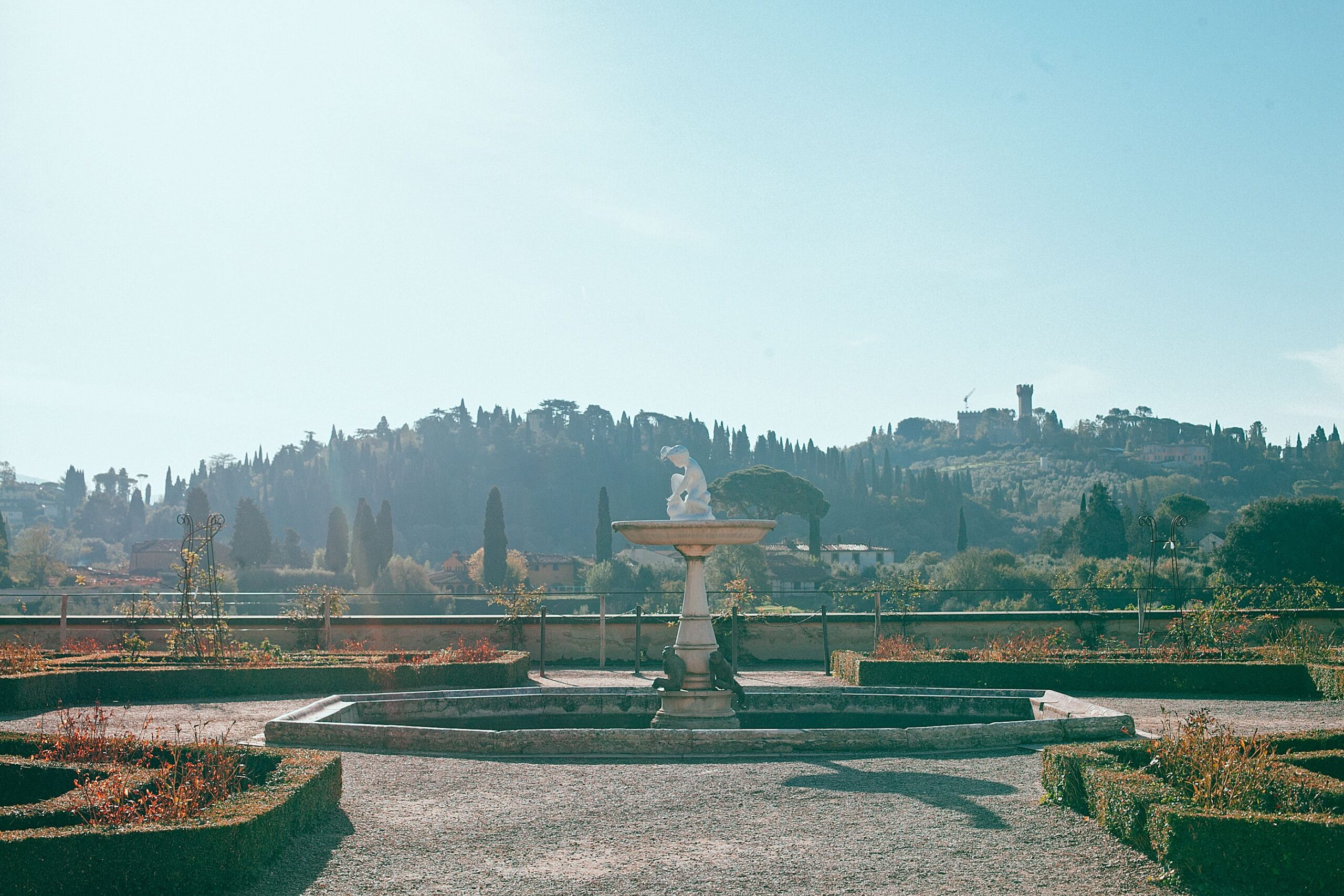
Far from the busiest tourist attractions, these gardens reveal another side of Florence—one where cypress trees frame panoramic views, fragrant herbs grow alongside ancient sculptures, and carefully planned landscapes tell stories that date back centuries. They offer a peaceful escape while providing insight into the ideas that shaped Renaissance Florence.
For travelers who want to experience the city beyond its famous museums, Florence’s gardens provide a fascinating window into the city’s artistic, scientific, and cultural heritage.
Why Florence’s Historic Gardens Are Worth Visiting
During the Renaissance, gardens were much more than beautiful outdoor spaces. Wealthy Florentine families designed them as places where philosophy, science, art, and nature existed together in harmony.
Every feature served a purpose.
Symmetrical pathways reflected ideals of order and balance. Sculptures drew inspiration from classical mythology. Medicinal herbs were cultivated for both practical use and scholarly study. Water features symbolized renewal, while terraces framed carefully composed views of the surrounding landscape.
Walking through these gardens today offers a different perspective on Florence. Rather than focusing on paintings inside museums, visitors discover how Renaissance thinkers expressed their ideas through living landscapes.
The History Behind Florence’s Renaissance Gardens
Many of Florence’s most beautiful gardens were created during the fifteenth and sixteenth centuries, when influential families such as the Medici invested heavily in architecture, landscape design, and botanical collections.
These gardens became outdoor expressions of Renaissance humanism—the belief that beauty, knowledge, and the natural world were deeply connected.
Plants were often selected for their symbolism as much as their appearance. Geometric layouts reflected mathematical harmony, while statues of gods, heroes, and mythical figures connected Florence with the traditions of ancient Greece and Rome.
Scholars, artists, and philosophers walked these same paths, discussing ideas that would influence European culture for generations.
Even today, many of these historic landscapes preserve the same sense of balance and tranquility that first inspired their creators.
A Different Way to Experience Florence
Most visitors spend their time moving from one famous landmark to another, but Florence rewards those who slow down.
Its gardens encourage a different rhythm.
Instead of standing in long museum queues, you can wander shaded paths beneath centuries-old trees. Instead of crowded piazzas, you’ll find quiet terraces overlooking the city’s rooftops and surrounding Tuscan hills.
These peaceful spaces invite observation rather than urgency, making them ideal for travelers interested in history, architecture, photography, or simply experiencing a quieter side of Florence.
Experience Florence’s Gardens with Artviva
While Florence’s gardens are beautiful to explore independently, understanding the symbolism behind their design reveals an entirely different experience. Many of the plants, sculptures, pathways, and architectural features were created with meanings that are easy to overlook without historical context.
Artviva’s The Alchemist’s Walk – A Florence Garden Visit offers a deeper introduction to these remarkable spaces through the lens of Renaissance philosophy, botany, and landscape design. Led by knowledgeable local guides, the experience uncovers the stories hidden within Florence’s historic gardens and the ideas that shaped them centuries ago.
Why Travelers Trust Artviva
Since 1996, Artviva has helped travelers discover Florence through thoughtfully curated experiences that go beyond the city’s most famous landmarks. Working with knowledgeable local guides and long-standing cultural partners, the team specializes in revealing the stories, traditions, and hidden places that many visitors never encounter on their own.
The Alchemist’s Walk reflects this approach by offering insight into Florence’s historic gardens through history, symbolism, and Renaissance culture. Rather than simply visiting beautiful spaces, guests gain a deeper understanding of the ideas and traditions that shaped them, creating a richer connection to the city itself.
Take your exploration of Florence beyond its famous landmarks by joining Artviva’s The Alchemist’s Walk – A Florence Garden Visit for a deeper look at the city’s historic gardens and Renaissance heritage.