
Florence For Kids: Discover Florence Through the Eyes of Michelangelo
Florence has a remarkable way of capturing a child’s imagination.
Towering statues stand watch over lively piazzas. Ancient palaces line narrow streets. Stories of artists, inventors, and powerful families seem to emerge from every stone. Yet for many families, a common question remains:
How do you make Renaissance Florence exciting for children?
One answer is simple: follow the footsteps of Michelangelo.
The young boy who grew up near Florence became one of history’s greatest artists. His story is filled with determination, creativity, rivalry, and adventure. When children discover Florence through Michelangelo’s life, museums become treasure hunts, sculptures become superheroes carved from stone, and history transforms into an unforgettable experience.
For families visiting Tuscany, Florence offers one of Europe’s most rewarding destinations for children when explored through stories rather than dates and facts.
Is Florence Good for Kids?
Yes.
Florence is surprisingly family-friendly when approached the right way. Children often connect naturally with:
- Giant marble statues
- Fascinating Renaissance stories
- Interactive art discoveries
- Open piazzas for exploration
- Hidden symbols and mysteries throughout the city
A Michelangelo-focused experience helps children engage with Florence’s artistic heritage while keeping the day fun, educational, and memorable.
Why Michelangelo Is the Perfect Introduction to Florence for Children
Many adults view Michelangelo as a master artist.
Children often see something entirely different.
They see a boy who had a dream.
Michelangelo was born in 1475 and spent much of his youth in Florence. He wasn’t born famous. He wasn’t born wealthy. He simply possessed extraordinary determination and talent.
His life includes many elements children love:
- Competition
- Creativity
- Perseverance
- Adventure
- Larger-than-life achievements
When children learn that Michelangelo carved massive sculptures from giant blocks of marble before modern machinery existed, their curiosity immediately awakens.
The city becomes a living storybook.
The Places in Florence That Bring Michelangelo’s Story to Life
Piazza della Signoria
The heart of Florence has served as the city’s political and social center for centuries.
Children quickly notice the impressive sculptures surrounding the square. This open-air museum offers an ideal introduction to Renaissance Florence without stepping inside a gallery.
The square creates an excellent opportunity to discuss how artists like Michelangelo helped shape Florence’s identity.
Parents appreciate that children can move freely while discovering art in an outdoor setting.
The Accademia Gallery and David
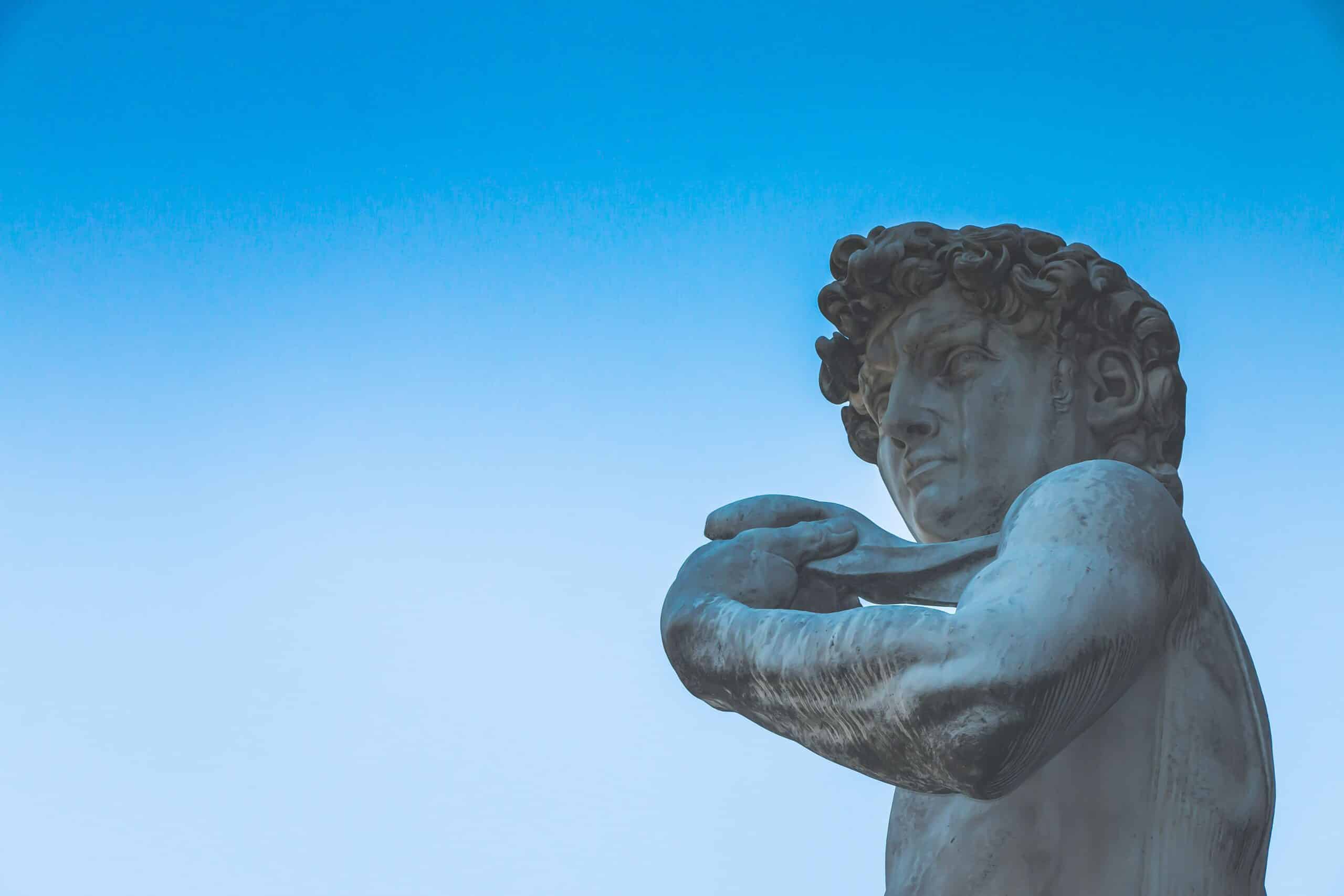
No encounter with Michelangelo feels complete without seeing David.
For many children, photographs fail to prepare them for the sculpture’s scale.
Standing over 17 feet tall, David often leaves young visitors speechless.
Rather than focusing solely on artistic techniques, families can explore questions that spark imagination:
- Why was David considered a hero?
- How did Michelangelo carve such a huge figure?
- What mistakes could have ruined years of work?
These conversations help children connect emotionally with the artwork.
The Medici District
The powerful Medici family played a major role in Michelangelo’s life.
As families walk through Florence’s historic center, they encounter places where young Michelangelo studied, worked, and developed his talent.
Children often enjoy learning how important families supported artists and how Florence became one of the world’s great creative capitals.
History & Cultural Context: Why Florence Changed the World
Florence during the Renaissance was one of Europe’s most influential cities.
Merchants, bankers, scholars, and artists gathered here to exchange ideas that transformed art, science, architecture, and culture.
The city nurtured extraordinary figures including:
- Michelangelo
- Leonardo da Vinci
- Botticelli
- Brunelleschi
Their achievements continue to shape the way people view creativity today.
For children, understanding this context helps them see Florence not simply as an old city, but as a place where innovation flourished.
The Renaissance encouraged people to ask questions, challenge assumptions, and pursue excellence. Those values remain relevant centuries later.
How to Keep Children Engaged While Exploring Florence
One of the biggest mistakes families make is trying to see too much.
Florence rewards curiosity more than speed.
Instead of rushing between museums, consider focusing on a few meaningful experiences.
Ask children questions throughout the day:
“Which sculpture looks strongest?”
“If you could create something from marble, what would it be?”
“Why do you think people still talk about Michelangelo today?”
These simple conversations encourage participation and transform sightseeing into discovery.
Frequent breaks also help.
A stop for gelato in a historic piazza often becomes one of the day’s most memorable moments.
Best Ages for a Michelangelo Experience
Families often ask:
What age is best for introducing children to Michelangelo?
Most children between ages 6 and 14 engage enthusiastically with Michelangelo’s story.
Younger children enjoy the visual impact of giant sculptures and storytelling.
Older children often become fascinated by the challenges Michelangelo overcame and the historical context surrounding his work.
Teenagers frequently appreciate the artistic mastery and cultural significance once presented through compelling narratives.
Florence With Kids During Different Seasons
Spring
Spring offers mild temperatures and longer daylight hours.
Families can comfortably combine museums with outdoor exploration.
Summer
Summer brings vibrant energy but also larger crowds.
Early morning visits provide the most enjoyable experience, particularly at major attractions.
Autumn
Many experienced travelers consider autumn one of the best times to visit Florence.
Comfortable weather and beautiful golden light create ideal conditions for family sightseeing.
Winter
Winter offers a quieter atmosphere and shorter museum lines.
Children can enjoy a more relaxed pace while discovering the city.
Local Expert Tip
Many visitors focus exclusively on famous museums.
Instead, pay attention to Florence itself.
Look up at building facades. Search for family crests carved into stone. Notice sculptures tucked into corners of piazzas.
Children often remember these unexpected discoveries long after the major attractions.
Encouraging them to become “Renaissance detectives” creates a sense of adventure throughout the city.
Where Families Can Relax Between Sightseeing
Exploring Florence becomes much easier when children have opportunities to recharge.
Some favorite family-friendly breaks include:
- A leisurely gelato stop near the historic center
- A walk through the gardens surrounding Florence’s historic landmarks
- Time spent people-watching in a lively piazza
- A relaxed lunch featuring traditional Tuscan dishes
Balancing learning with downtime helps maintain enthusiasm throughout the day.
Why Guided Family Experiences Often Work Better
Florence contains centuries of history layered into a relatively compact area.
Without context, many important stories can be overlooked.
A knowledgeable local guide can transform ordinary streets into memorable adventures by connecting places, people, and events through engaging storytelling.
Children tend to respond particularly well when history feels personal and interactive.
Rather than memorizing names and dates, they discover the human stories behind Florence’s greatest achievements.
People Also Ask
Is Florence worth visiting with children?
Absolutely. Florence combines art, history, food, and walkable streets that make it appealing for families. Experiences centered around storytelling and discovery often resonate most with children.
What is the best museum in Florence for kids?
Many families enjoy the Accademia Gallery because of Michelangelo’s David. The sculpture’s scale and fascinating backstory naturally capture children’s attention.
How long should families spend in Florence?
Two to four days allows enough time to experience Florence’s highlights without feeling rushed. Families can combine major attractions with leisurely exploration.
Can children enjoy Renaissance art?
Yes. Children often engage with Renaissance art when presented through stories, challenges, and interactive discussions rather than traditional lectures.
Who was Michelangelo for kids?
Michelangelo was a famous Renaissance artist and sculptor who created some of the world’s most celebrated artworks, including David. He grew up near Florence and became one of history’s most influential creative figures.
Experience Michelangelo’s Florence With Artviva
Since 1996, Artviva has helped travelers experience Florence through authentic local expertise and engaging storytelling.
Our Florence For Kids experience introduces families to the city through the life and legacy of Michelangelo, creating meaningful connections between children and Florence’s extraordinary history.
Rather than overwhelming young travelers with information, we focus on curiosity, imagination, and discovery.
Families leave with more than photographs.
They leave with stories their children continue sharing long after returning home.
If you’re planning a family journey to Florence and want your children to experience the city in a way that feels engaging, memorable, and genuinely enriching, contact Artviva to learn more about our family experiences and private guiding options.
The Renaissance began here.
For your children, the adventure can begin here too.
Learn more about Artviva’s Florence For Kids Tour with The Great Michelangelo and book your experience now.