
The Art of Florentine Cooking: Tradition, Technique, and Taste
In Florence, cooking is shaped long before it reaches the stove. It begins in the early movement of markets, in the way ingredients are selected, and in the quiet decisions that define Tuscan food: what to keep simple, what to let speak, and what to leave untouched.
Michelin-level kitchens in the city reflect this same philosophy. Precision matters, but so does restraint. Flavour is not built from complexity, but from understanding ingredients at their peak and treating them with intention.
To understand Florentine cooking is to understand this balance between discipline and simplicity — a way of thinking about food that has evolved over generations, yet still feels deeply present in everyday life today.
The Market Culture Behind Florentine Cooking
Florence’s markets have always shaped its cuisine. What appears simple on the surface is built on generations of knowledge about soil, weather, and timing. Local chefs often point out that Tuscan cooking is defined less by complexity and more by restraint—letting ingredients speak clearly.
At the market, you begin to notice this philosophy in action: the firmness of vegetables, the scent of fresh herbs, the conversations between chefs and producers who know each other by name. Many visitors overlook how deeply these relationships define Italian cooking, but they are the foundation of every dish that follows.
Why Michelin Training Changes the Experience
Cooking with a Michelin-trained chef shifts the focus from recipes to technique. Instead of memorizing steps, you learn why each action matters—how heat transforms texture, how salt changes structure, how timing shapes flavor.
The deeper story lies in discipline. Michelin kitchens are built on repetition, precision, and respect for ingredients. When this approach is shared in a teaching environment, it becomes accessible without losing its depth.
From Market to Kitchen: A Natural Culinary Flow
After selecting seasonal ingredients, the transition into the kitchen feels almost seamless. The atmosphere is calm but focused, designed to mirror professional culinary rhythm without pressure.
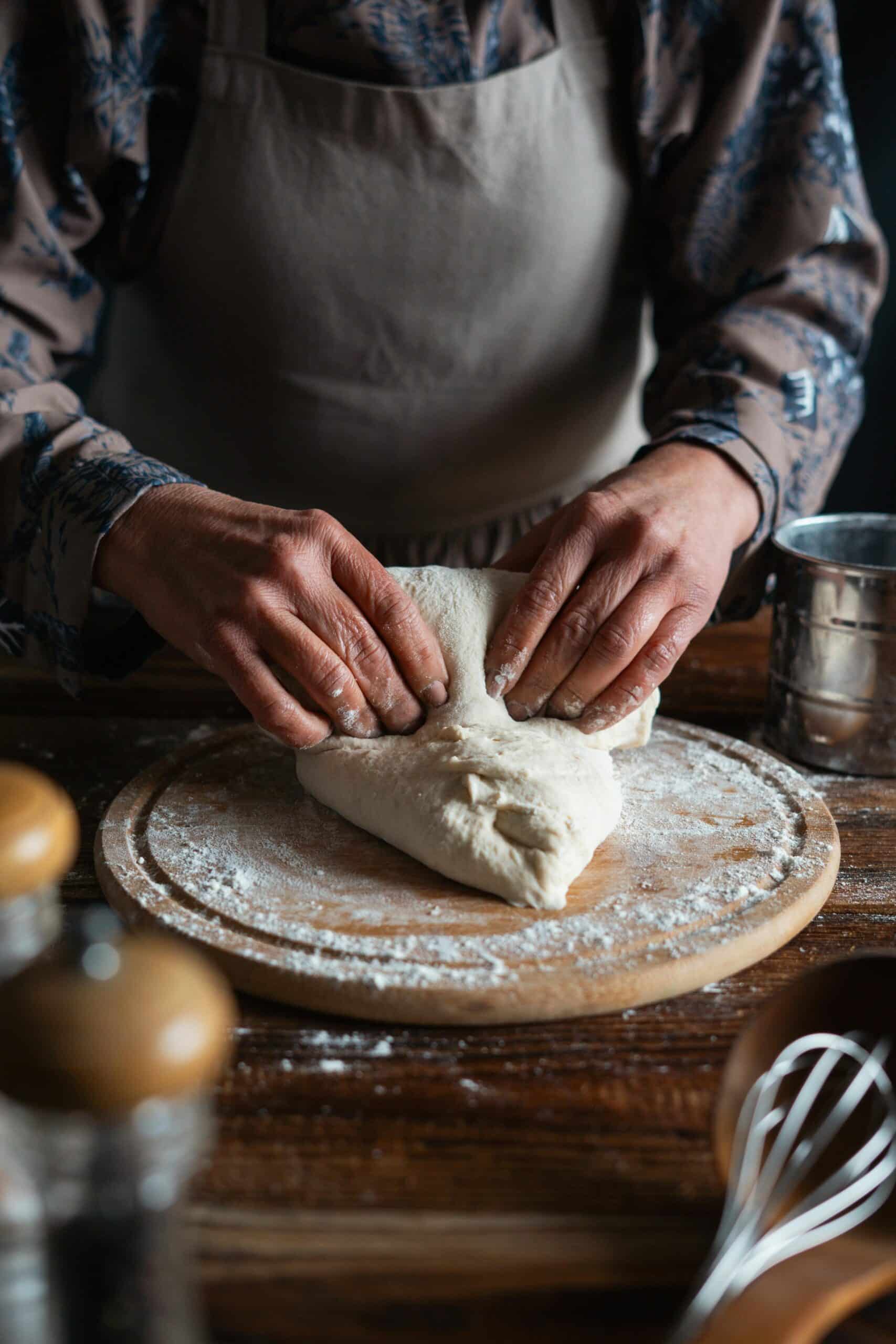
Here, traditional Tuscan dishes take shape through hands-on preparation. Pasta is shaped by hand, sauces are built gradually, and seasoning becomes a careful balance rather than guesswork. The experience takes on new meaning when viewed through a chef’s lens, where even simple actions carry intention.
Tuscan Food Culture in Context
Tuscan cuisine is often described as rustic, but that word misses its intelligence. It is a cuisine shaped by necessity and refinement at the same time. Bread without salt, olive oil with depth, vegetables chosen at peak ripeness—all reflect a history of adaptation.
What most travelers never realize is that Tuscan food is deeply seasonal not by trend, but by geography. The landscape dictates the menu, and chefs adapt accordingly. This relationship between land and table is central to understanding Florence’s culinary identity.
What You Learn Beyond Recipes
A Michelin chef does more than teach dishes. They reveal structure—how professional kitchens think, how timing is controlled, and how simplicity is often the hardest skill to master.
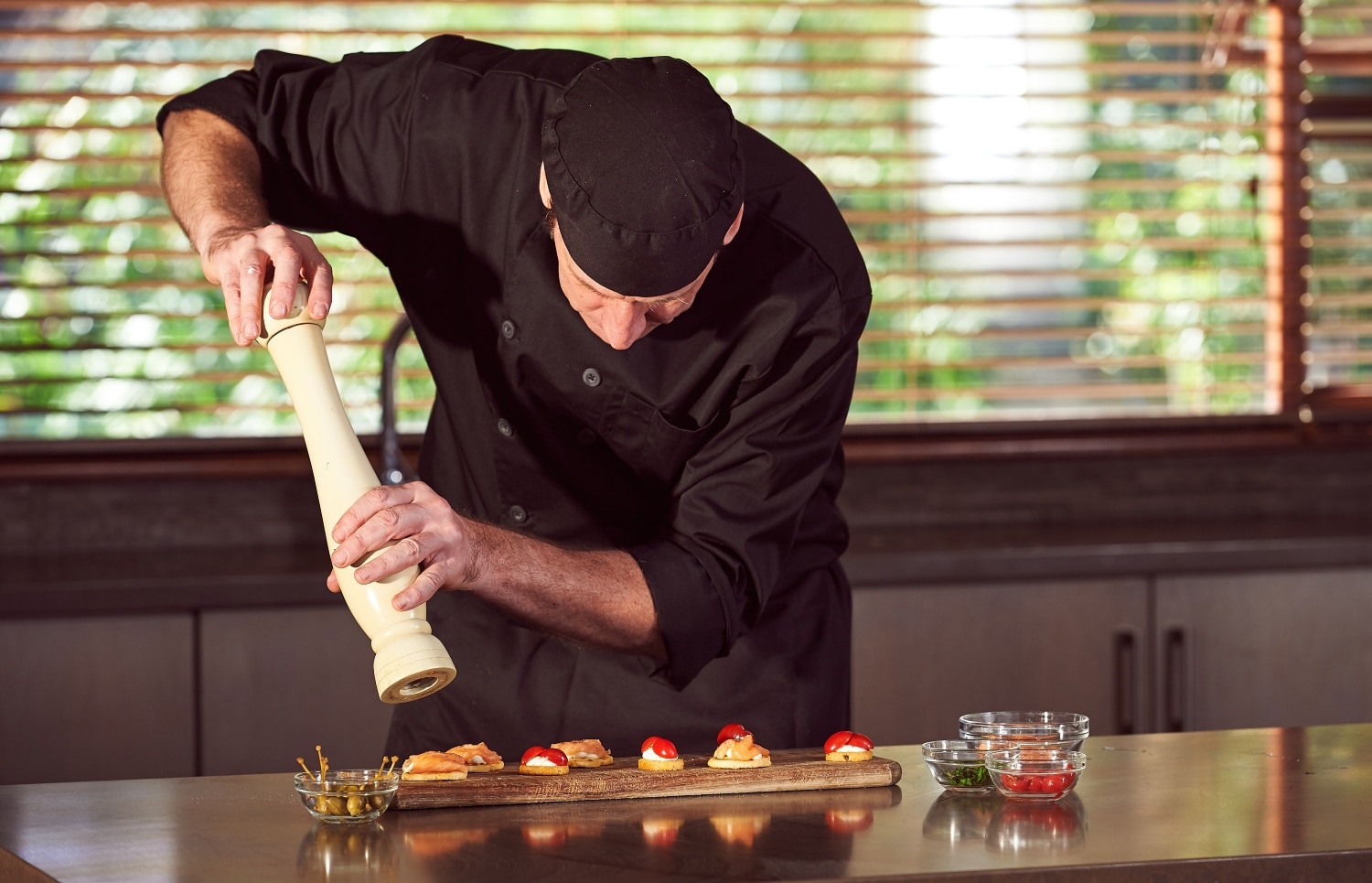
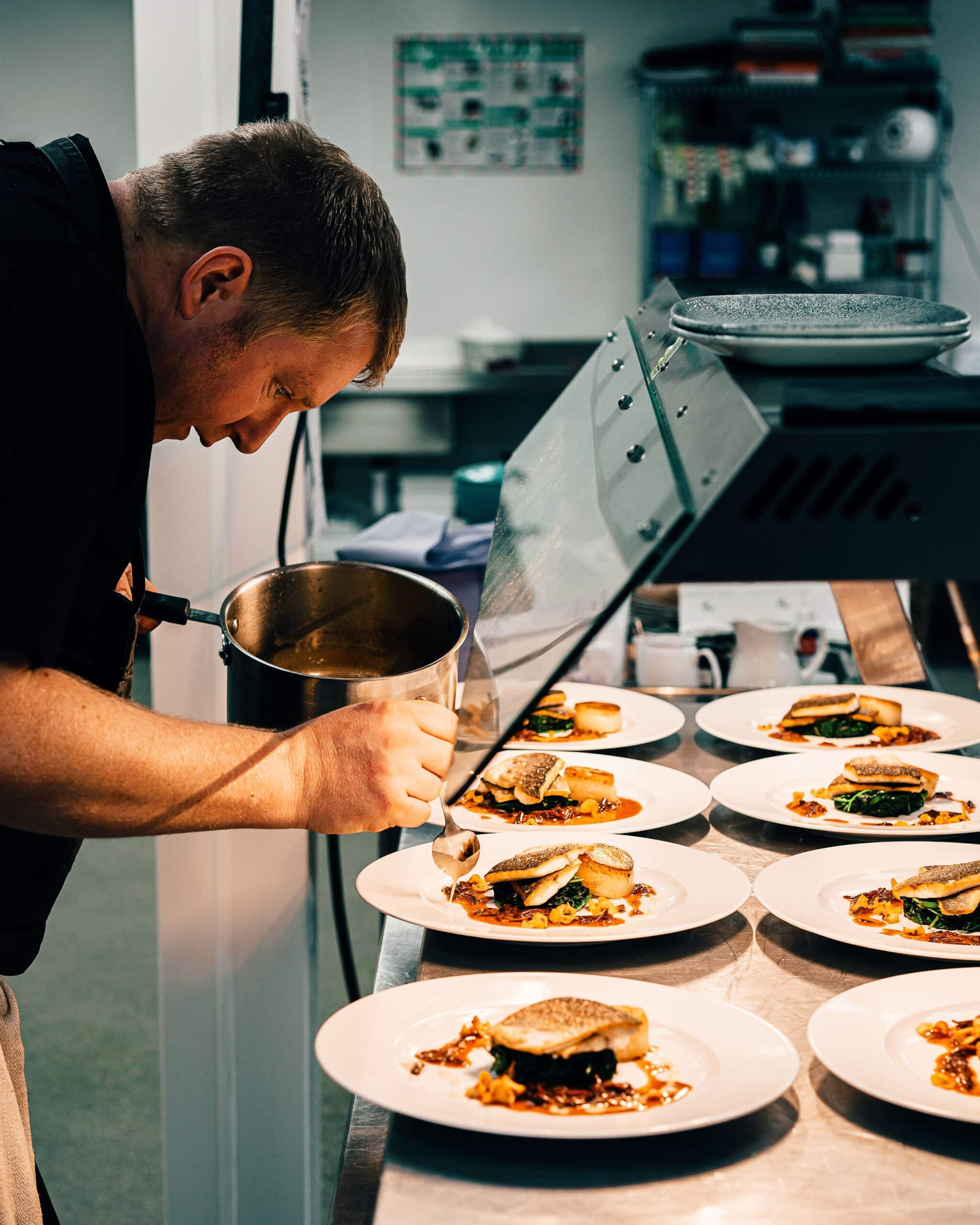
Knife work, seasoning judgment, and plating discipline are introduced not as technical exercises, but as habits of observation. Over time, guests begin to cook differently, even outside the class setting.
Seasonal Perspective
Florence’s culinary expression changes throughout the year. Spring brings bright greens and tender vegetables. Summer emphasizes tomatoes, basil, and light preparation. Autumn shifts toward richer textures and earthy flavors. Winter highlights slow cooking and depth.
Understanding these cycles helps explain why menus in Tuscany are never static. They respond directly to what the land provides at any given moment.
Frequently Asked Questions
Why is Tuscan cuisine considered so distinctive?
Tuscan cooking is defined by restraint and seasonality. Instead of heavy sauces or complex techniques, it focuses on high-quality ingredients prepared in a way that preserves their natural character.
What role do markets play in Italian food culture?
Markets are central to daily life in Florence. They are where chefs, home cooks, and producers meet, and where seasonal decisions are made long before anything reaches the kitchen.
How important is seasonality in Florence’s cuisine?
Extremely important. Menus shift throughout the year based on what grows locally, meaning the same dish can taste very different depending on the season.
What is the philosophy behind Italian cooking at a high level?
Italian cooking prioritizes balance, simplicity, and respect for ingredients. Technique is used to enhance natural flavour rather than overpower it.
Where Tuscan Cooking Becomes Understanding
Florence is often remembered for its art and architecture, but its food carries an equally powerful form of expression. It is a cuisine built on attention—on knowing when to intervene and when to step back, on recognising the value of seasonality, and on respecting ingredients at their peak.
What stays with most travelers is not a single dish, but the way this approach changes how they see food altogether. Simplicity begins to feel intentional rather than basic. Technique becomes something you notice, even outside the kitchen.
For those who want to go deeper into Florence’s culinary culture, Artviva offers access to Michelin-trained chefs and carefully curated culinary encounters that reveal the thinking behind Tuscan cooking, not just the recipes.
To explore private culinary experiences or speak with a local expert in Florence, you can connect with Artviva to design something tailored to your interests and pace.
Why Artviva Is Trusted for Culinary Access in Florence
Access to Michelin-level kitchens in Florence comes from long-term relationships and established trust within the local food community.
Since 1996, Artviva has worked directly with Michelin-trained chefs, respected producers, and professional kitchens across Tuscany. These connections are built over decades, not arranged for short-term visitor access.
Each experience is carefully shaped to balance professional standards with an approachable teaching style, so guests engage with real culinary practice in a meaningful way.
Discover the art of Tuscan cuisine with Artviva’s Michelin Chef Cooking Class & Market Tour in Florence and learn the techniques, stories, and culinary traditions behind authentic Florentine cooking alongside a Michelin-trained chef.