
Florentine Renaissance Drawing Techniques: How Old Masters Built Illusion
Florence shaped the way the world understands drawing. In the Renaissance, artists were not simply creating images. They were developing systems of seeing, recording, and transforming reality through paper, ink, and observation.
What survives today in museums is only the final layer of a much deeper process. Beneath every finished painting or sketch lies a world of preparation, revision, and material experimentation that defined Florentine artistic practice.
The Workshop Culture of Renaissance Florence
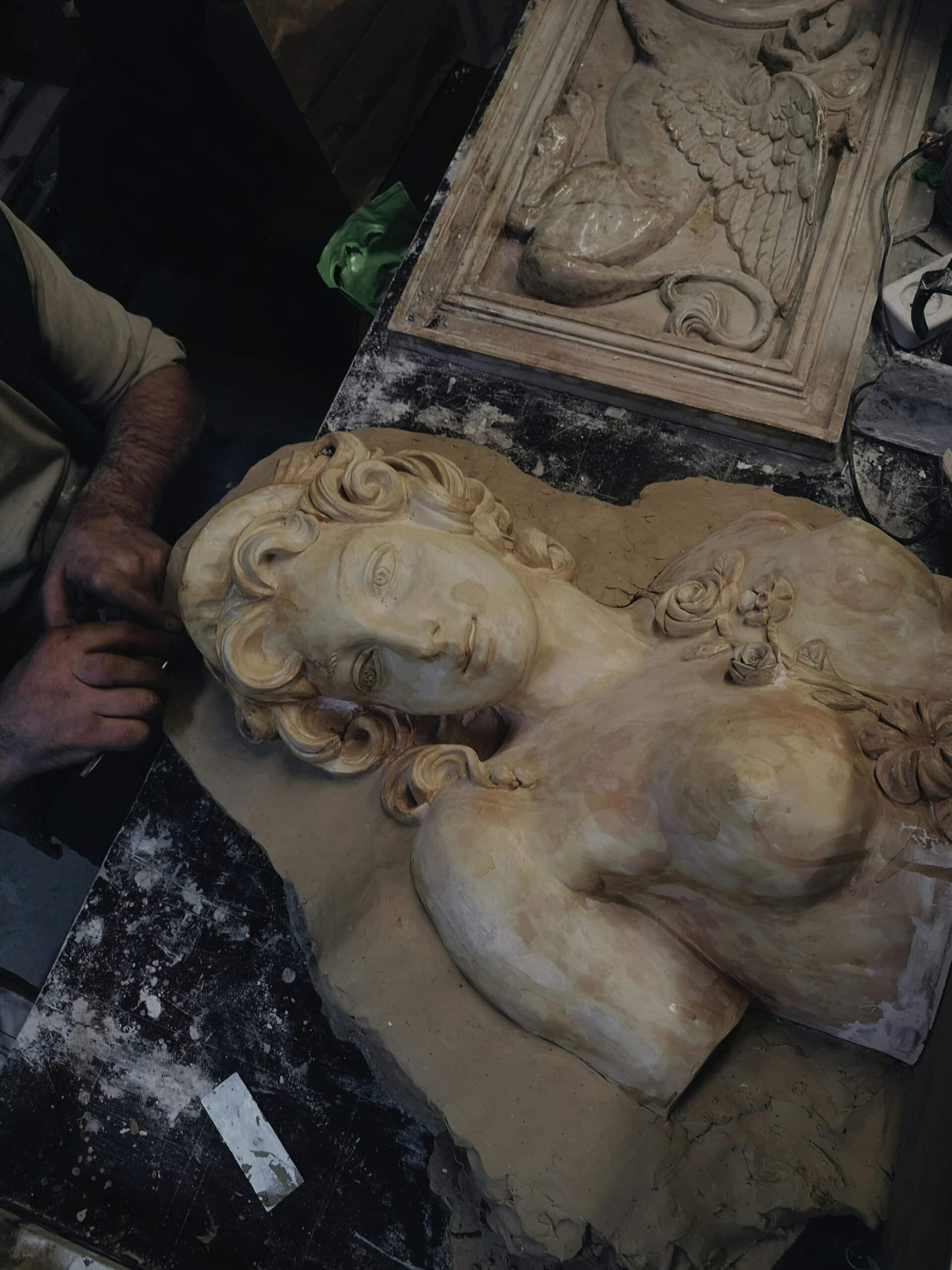
Florentine ateliers operated as structured environments of learning, where drawing was the foundation of artistic intelligence. Apprentices studied proportion, anatomy, light, and gesture long before touching paint.
Many visitors overlook that drawing was considered the highest form of thinking. It was not just preparation for painting but a way of understanding structure and emotion.
Institutions such as the Uffizi Gallery preserve many of these studies today, revealing how artists refined ideas through repetition and correction rather than instant execution.
How Materials Shaped Artistic Meaning
In Renaissance Florence, materials were not neutral. Paper quality, ink density, and chalk type all influenced how an artwork was read.
Local workshops experimented with ways to modify surface tone and texture so drawings could feel aged, intentional, or emotionally softened. These effects were not decorative. They communicated time, memory, and authorship.
What most travelers never realize is that even slight variations in pressure or pigment concentration could alter how a drawing was interpreted centuries later.
Why These Techniques Still Matter Today
Modern viewers often focus on finished masterpieces, but Renaissance thinking valued process as much as outcome.
The deeper story lies in how artists trained their eyes. They learned to observe subtle shifts in form and light that most people miss entirely. This way of seeing still shapes how we understand Western art history.
Collections in places like the Accademia Gallery show how preparatory studies carried as much intellectual weight as completed works.
A Local Perspective on “Authenticity”
Florentine conservators and art historians often note that what feels “authentic” in historical drawings is rarely perfection. It is variation.
Uneven ink flow, softened edges, and layered corrections all contribute to the sense of lived time on paper. These qualities were not flaws but part of the visual language of Renaissance creativity.
Local experts often point out that these subtle imperfections are what allow drawings to feel alive centuries later.
Practical Insight for Understanding Renaissance Art
To understand Renaissance drawings today, it helps to slow down the viewing process. Many details only become visible when you notice layering rather than image alone.
Look for:
-
Shifts in pressure within a single line
-
Areas of correction or reworking
-
Transitions between chalk and ink
-
Subtle surface aging effects
These elements reveal how ideas evolved on paper rather than appearing fully formed.
Seasonal Context in Florence
Florence’s light changes how drawings are perceived. In winter, softer illumination highlights tonal variation and paper texture. In summer, stronger light reveals sharper contrasts and deeper ink absorption.
These shifts influence how both historical and contemporary works are experienced in the city’s museums and archives.
Frequently Asked Questions : Understanding Renaissance Drawing in Florence
Why was drawing so important in Renaissance Florence?
Because it was the foundation of all artistic training and a primary tool for thinking through form and composition.
What materials did Renaissance artists use?
Common materials included ink, red and black chalk, and prepared handmade paper treated for texture and durability.
Why do old drawings look aged in specific ways?
Natural aging processes and material choices create variations in tone, surface wear, and softness over time.
Where can these drawings be seen today?
Many examples are preserved in major Florentine collections such as the Uffizi and Accademia galleries.
Reading the Language of the Line
Renaissance drawing in Florence is best understood as a language rather than a technique. Every mark reflects thought, correction, and intention shaped by material constraints and artistic discipline.
For those interested in Florence’s artistic heritage, the real depth often lies not in finished masterpieces, but in the study of how they were built. Understanding this process changes how the city’s art is seen, from museum walls to archival sketches.
Artviva offers carefully curated cultural experiences in Florence designed to bring this depth to life through expert interpretation and access to specialists who work closely with the city’s artistic legacy.
Florence rewards those who look more closely, and even more those who understand what they are seeing.
Why Expertise Matters in Florence
Florence’s artistic heritage is often visually immediate, but historically complex. Much of what defines Renaissance art lies in process rather than surface appearance—materials, workshop systems, and teaching traditions that are not always visible without explanation.
This is where depth of expertise becomes essential. Interpreting drawing techniques, studio practices, and material choices requires more than general art knowledge. It depends on long-standing relationships with Florentine scholars, conservators, and working artists who understand how these traditions evolved.
Artviva is well placed in this context, having spent over 25 years collaborating with established art historians, academic specialists, and practitioners across Florence. This experience allows for access to perspectives shaped by direct engagement with the city’s artistic heritage, not just its finished works.
The result is a level of cultural interpretation that connects visitors not only to what they are seeing, but to how and why it was created in the first place.
Discover the artistic foundations of the Renaissance with Artviva’s Florentine Masters: Become a Master Forger – Private Art Class and learn how the Old Masters developed their skills through observation, technique, and the language of line.