
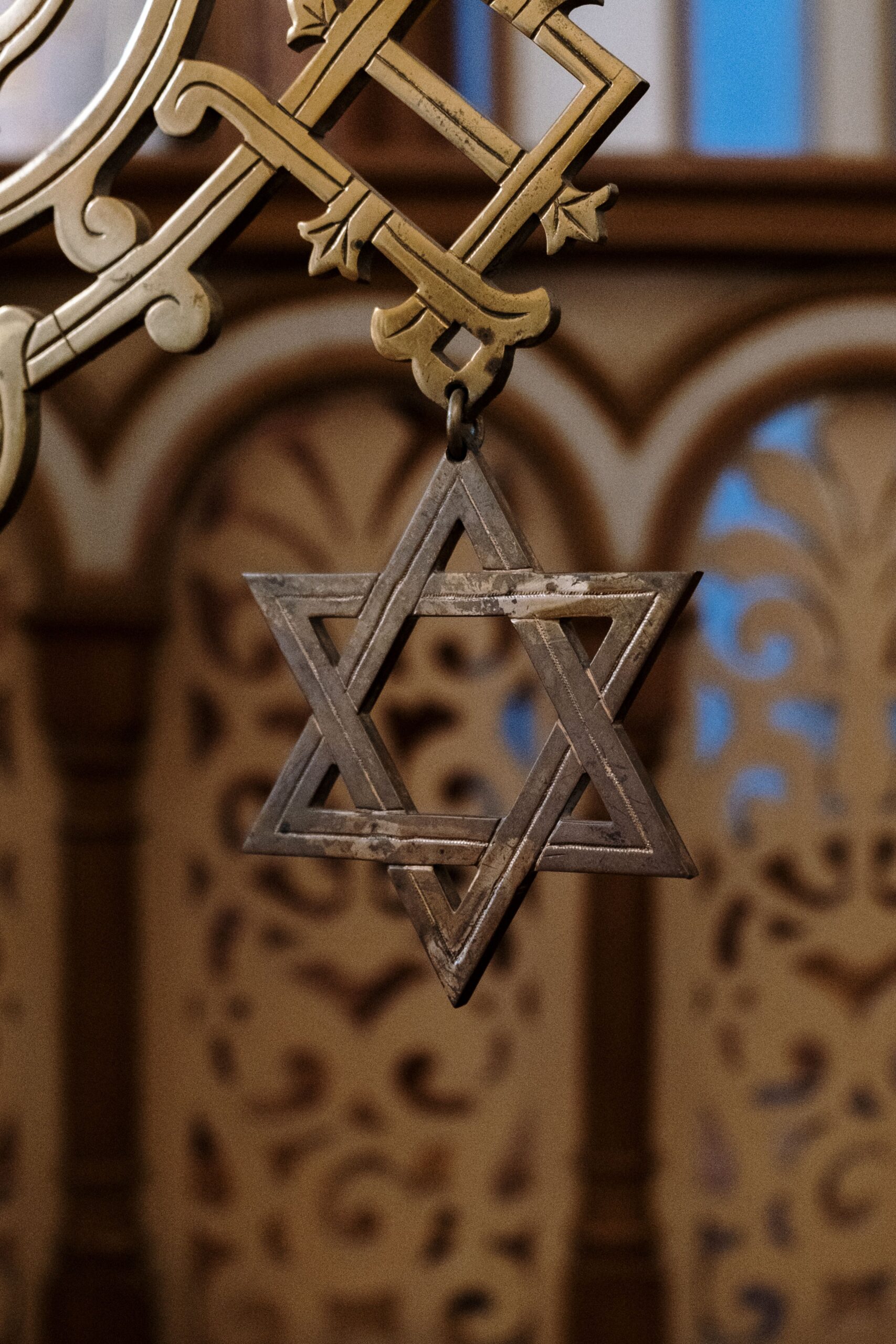
Florence Synagogue and Jewish Museum: A Remarkable Window into Florence’s Jewish Heritage
Florence is often celebrated for Renaissance masterpieces, grand palaces, and world-famous churches. Yet one of the city’s most moving cultural landmarks sits quietly beyond the busiest tourist routes. The Florence Synagogue and Jewish Museum offers visitors a deeper understanding of the city’s rich history, revealing stories of resilience, faith, art, and community that span centuries.
For travelers seeking meaningful experiences beyond the standard Florence itinerary, the synagogue provides an unforgettable perspective on the city’s cultural fabric. Its striking architecture, beautiful gardens, and fascinating museum collections create one of the most rewarding visits in Florence.
Whether you are interested in Jewish history, architecture, religion, or Florence’s multicultural past, this guide will help you make the most of your visit.
What Is the Florence Synagogue and Jewish Museum?
The Florence Synagogue and Jewish Museum is one of Europe’s most important Jewish landmarks. Built in the late 19th century, the synagogue features a distinctive copper-green dome that stands out on Florence’s skyline.
Inside, visitors can admire richly decorated interiors while the museum explores centuries of Jewish life in Florence through religious objects, historical documents, photographs, and personal stories.
The site remains an active place of worship and a cultural center for Florence’s Jewish community.
Why Visit the Florence Synagogue?
Many visitors arrive expecting an architectural landmark. They leave with a much richer understanding of Florence itself.
The synagogue tells a story often overlooked in traditional Florence sightseeing. It reveals how Jewish families contributed to the city’s intellectual, commercial, and cultural development while facing periods of exclusion, discrimination, and renewal.
The experience offers a different lens through which to understand Florence’s history.
Highlights include:
- The magnificent Moorish Revival architecture
- Elaborately decorated prayer halls
- Rare ceremonial objects
- Historical exhibits covering centuries of Jewish life
- Peaceful gardens in the heart of the city
- Insight into modern Jewish culture in Florence
History & Cultural Context
Jewish life in Florence dates back to the medieval period.
By the 15th century, Jewish communities played an important role in the city’s economic life. During the Renaissance, Jewish residents contributed to commerce, scholarship, medicine, and intellectual exchange.
Life was not always easy. In the 16th century, members of Florence’s Jewish community were required to live within a designated ghetto near today’s Piazza della Repubblica.
Significant changes arrived during the 19th century. Following Italian unification and expanded civil rights, Florence’s Jewish community gained greater freedom and visibility.
The synagogue was completed in 1882 as a powerful symbol of this new era. Designed by architects Marco Treves, Mariano Falcini, and Vincenzo Micheli, the building combined Moorish, Byzantine, and Italian influences to create one of the most distinctive religious structures in the city.
The synagogue survived World War II despite severe damage during the German occupation. Restoration efforts helped preserve this important cultural treasure for future generations.
Today, it stands as both a place of worship and a testament to the enduring presence of Jewish culture in Florence.
The Architecture: One of Florence’s Most Unexpected Masterpieces
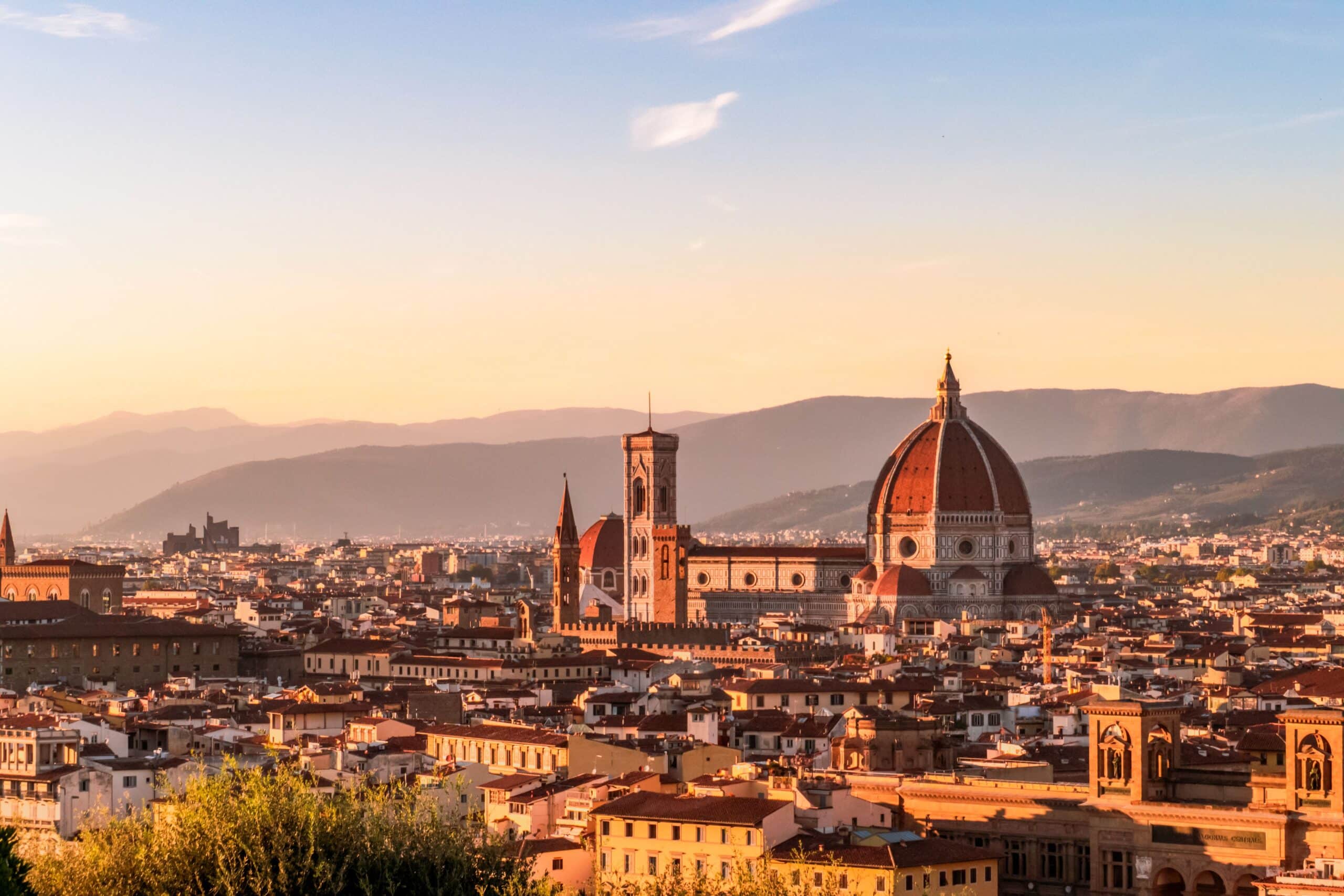
Visitors often spot the synagogue’s green dome from elevated viewpoints such as Piazzale Michelangelo or the terrace of the Cathedral.
Unlike Florence’s medieval churches and Renaissance palaces, the synagogue introduces an entirely different visual language.
Its design draws inspiration from Moorish architecture found throughout Spain and North Africa. The result feels both exotic and harmonious within Florence’s urban landscape.
Inside, intricate geometric patterns, richly colored decorative elements, and soaring spaces create an atmosphere of quiet grandeur.
Natural light filters through stained glass windows, illuminating details that many visitors find surprisingly intimate despite the scale of the building.
Architecture enthusiasts often rank the synagogue among Florence’s most underrated monuments.
What You’ll See Inside the Jewish Museum
The museum occupies several sections of the synagogue complex and offers a thoughtful introduction to Jewish traditions and local history.
Visitors encounter collections that bring centuries of daily life into focus.
Exhibits include:
Religious Artifacts
Beautiful Torah ornaments, ceremonial silverwork, embroidered textiles, and ritual objects illustrate the artistic traditions of Florence’s Jewish community.
Historical Documents
Letters, records, photographs, and archival materials help tell the story of Jewish life through changing political and social periods.
Family Stories
Personal narratives add emotional depth to the exhibits, helping visitors connect historical events with individual lives.
Florence During World War II
Particularly moving sections explore the experiences of Florence’s Jewish population during fascism and the Holocaust.
These displays provide important context while honoring the resilience of local families.
Is the Florence Synagogue Worth Visiting?
Yes.
For travelers interested in culture and history, the Florence Synagogue and Jewish Museum offers one of the city’s most rewarding experiences.
Unlike many major attractions, visits often feel calm and reflective. Crowds tend to be smaller, allowing visitors to spend time absorbing the details and stories presented throughout the complex.
Many guests describe the synagogue as one of the most memorable cultural visits of their stay in Florence.
Practical Visitor Information
Where Is the Florence Synagogue?
The synagogue sits in the Sant’Ambrogio district, east of Florence’s historic center.
The neighborhood offers a more local atmosphere than the areas surrounding the Duomo and Ponte Vecchio.
How Long Should You Visit?
Most visitors spend between 60 and 90 minutes exploring the synagogue and museum.
History enthusiasts may wish to allow additional time.
Do You Need Tickets?
Yes. Entry requires a ticket.
Security procedures are in place, and visitors should carry identification when visiting.
What Should You Wear?
As an active religious site, respectful attire is recommended.
Shoulders and knees should generally be covered.
Can You Visit Year-Round?
Yes.
The synagogue remains an excellent cultural experience during every season.
Winter visits can feel especially peaceful, while spring and autumn provide pleasant conditions for exploring the surrounding neighborhood.
Local Expert Tip
Combine your synagogue visit with time in Sant’Ambrogio, one of Florence’s most authentic districts.
After your visit, explore the nearby market, artisan workshops, and independent cafés that locals frequent throughout the week.
Many travelers spend their entire Florence stay between the Duomo and Ponte Vecchio. A few hours in Sant’Ambrogio reveals a side of the city that feels more personal and connected to everyday Florentine life.
For food lovers, the area also offers excellent opportunities to discover traditional Tuscan cuisine away from heavily touristed streets.
A Meaningful Addition to a Florence Cultural Itinerary
The synagogue pairs particularly well with several other Florence experiences.
Visitors interested in religious history often combine it with visits to:
- The Duomo
- Santa Croce
- Santa Maria Novella
Those interested in Renaissance Florence gain valuable context by understanding the city’s diverse communities and cultural influences.
The synagogue adds an important chapter to Florence’s story, enriching visits to museums, churches, and historic sites throughout the city.
When Is the Best Time to Visit?
Spring and autumn offer ideal weather and comfortable sightseeing conditions.
Morning visits tend to be quieter and allow for a more reflective experience.
If you visit during summer, arriving early helps avoid peak afternoon temperatures.
Winter visitors often enjoy fewer crowds throughout Florence, making this an excellent season for travelers who prefer a more relaxed pace.
Frequently Asked Questions
What is the Florence Synagogue famous for?
The Florence Synagogue is famous for its striking green copper dome, Moorish Revival architecture, and its role as one of Europe’s most significant Jewish landmarks.
Can anyone visit the Florence Synagogue?
Yes. Visitors of all backgrounds are welcome, although security procedures apply and respectful behavior is expected.
How long does it take to visit the Jewish Museum in Florence?
Most visitors spend between one and one and a half hours exploring both the synagogue and museum.
Is the Florence Synagogue still active?
Yes. It remains an active place of worship for Florence’s Jewish community while also welcoming visitors.
Is the synagogue near Florence’s main attractions?
Yes. It is located within walking distance of many major landmarks, though it sits in a quieter area of the historic center.
Why Understanding Florence’s Jewish Heritage Matters
Great cities are shaped by many voices.
Florence’s Jewish community contributed to the city’s intellectual, economic, artistic, and cultural development for centuries. The synagogue and museum preserve those stories while creating opportunities for meaningful dialogue and understanding.
For many visitors, this experience becomes one of the most memorable moments of their time in Florence because it offers something increasingly rare in modern travel: genuine connection to the people and histories that shaped a destination.
Experience Florence with Artviva
The Florence Synagogue and Jewish Museum reveals a side of Florence many visitors never discover on their own.
At Artviva, we believe the most rewarding travel experiences come from understanding the people, traditions, and stories behind the monuments. Since 1996, our expert local guides have helped travelers experience Florence with greater depth, context, and insight.
If you want to move beyond surface-level sightseeing and uncover the city’s lesser-known narratives alongside its iconic landmarks, our Florence experiences offer an engaging way to connect with the history, culture, and communities that continue to shape this extraordinary city.
Join ArtViva’s Florence Synagogue and Jewish Museum Tour and uncover the stories, history, and heritage that reveal one of the city’s most meaningful cultural landmarks.