
The Art of Fresco Making in Renaissance Florence
Fresco painting is one of the most enduring artistic languages of Florence. It does not sit on a surface. It becomes part of the wall itself.
In the Renaissance, this technique shaped the visual identity of churches, palaces, and civic spaces across the city. Artists worked quickly and precisely, applying pigment to fresh lime plaster before it set. The result was not only artistic expression, but chemical transformation.
The Florentine Masters: Fresco Making in the Renaissance experience reflects this tradition of making. It is rooted in a process where timing, material, and observation mattered as much as imagination. Many visitors admire finished frescoes without realizing how much skill lies in the moment before the paint dries.
The deeper story lies in that moment of change.
History & Cultural Context: When Walls Became Living Surfaces
During the Renaissance, Florence was a city defined by construction and decoration happening at the same time. Buildings were not only designed to be functional. They were designed to communicate ideas.
Fresco painting became one of the most important artistic tools of this communication.
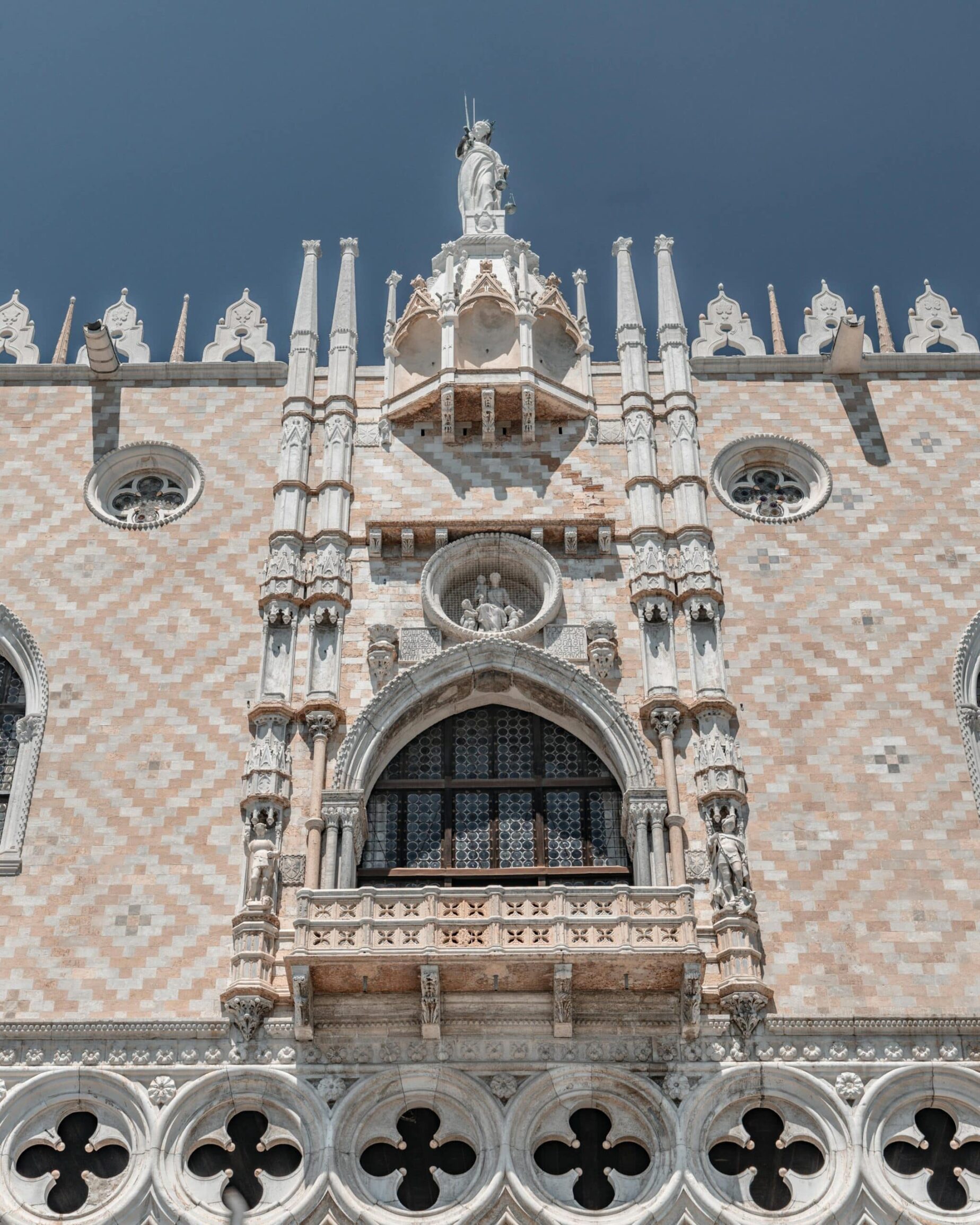
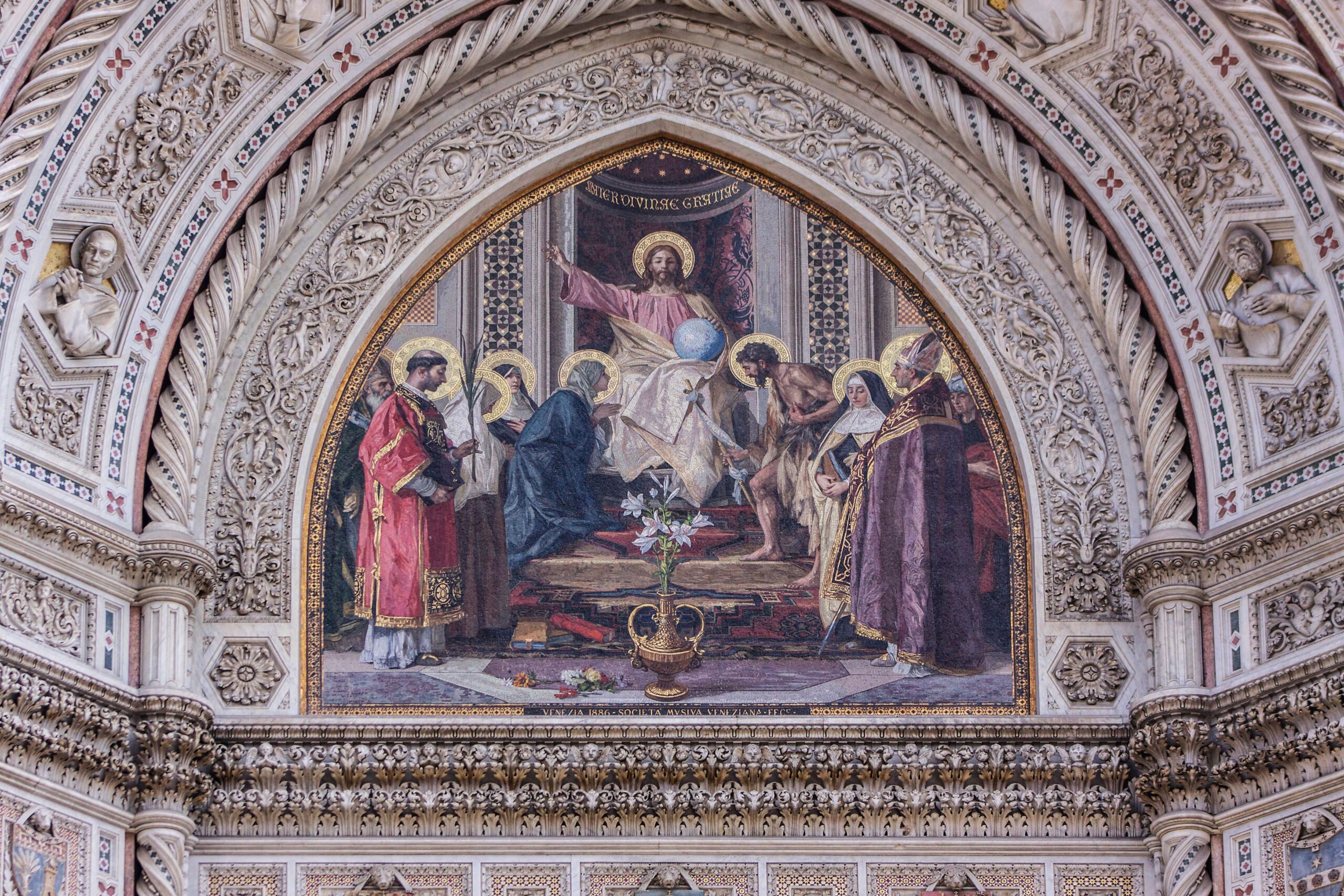
Instead of portable paintings, artists created images that lived permanently within architecture. Churches told stories through walls. Civic buildings expressed identity through imagery that could not be moved or removed.
What most travelers never realize is how physically demanding fresco work was. Artists had to prepare only as much plaster as they could paint before it set. Every section required careful planning and execution.
Early masters such as Giotto helped define this method, introducing a sense of volume and emotional clarity that changed Western art. Later, artists like Masaccio refined it further, using perspective and light to create a stronger sense of realism.
Local experts often point out that fresco painting was as much about coordination as creativity. Entire workshop teams worked in sequence, each stage dependent on the next.
The wall itself became part of the artistic process.
Why Fresco Painting Still Matters Today
In modern Florence, frescoes remain visible reminders of how art once functioned as part of daily life. They are not isolated objects. They are embedded in architecture, history, and public space.
The experience takes on new meaning when viewed through the lens of process rather than preservation.
Fresco painting is fragile in its creation but permanent in its result. That contradiction is what makes it so compelling. Once pigment meets wet plaster, there is no correction. The moment is fixed forever.
Many visitors only scratch the surface when they see frescoes in churches or palaces. The technique behind them is often overlooked, even though it defines their entire character.
Understanding this process changes how Florence is seen. Walls stop feeling like boundaries and start feeling like historical records.
The Process Behind Fresco Making in the Renaissance
Fresco painting begins long before color appears.
First comes the preparation of lime plaster. This material must be mixed and applied in a controlled way so it remains workable for a limited time. The surface is then smoothed to create a receptive layer.
Pigments are prepared separately using natural minerals and earth-based materials. These colors behave differently from modern paints. They interact with moisture, light, and drying time in unpredictable ways.
Artists then transfer drawings onto the wet surface. Every mark must be deliberate. Adjustments are limited once painting begins.
What most travelers never realize is that fresco painting demands a different way of thinking. It requires planning in time, not just space.
This is why Renaissance workshops placed such emphasis on discipline and repetition. Skill developed through constant practice under real conditions.
Why Fresco Making Matters to Modern Travelers
Today, fresco painting continues to attract travelers not only because of its beauty, but because of its rhythm.
Modern life often separates creation from material. Fresco does the opposite. It forces connection between action and result in real time.
Florence is one of the few places where this tradition is still actively taught through expert guidance. The city becomes a living classroom where historical methods are not only preserved but experienced in practice.
The experience takes on new meaning when viewed through participation rather than observation.
For families, it becomes a shared creative memory. For couples, it offers a slower, more tactile way to engage with Florence. For curious travelers, it reveals a side of Renaissance art that museums alone cannot fully explain.
Local Expert Tip: Watch the Wall, Not Just the Image
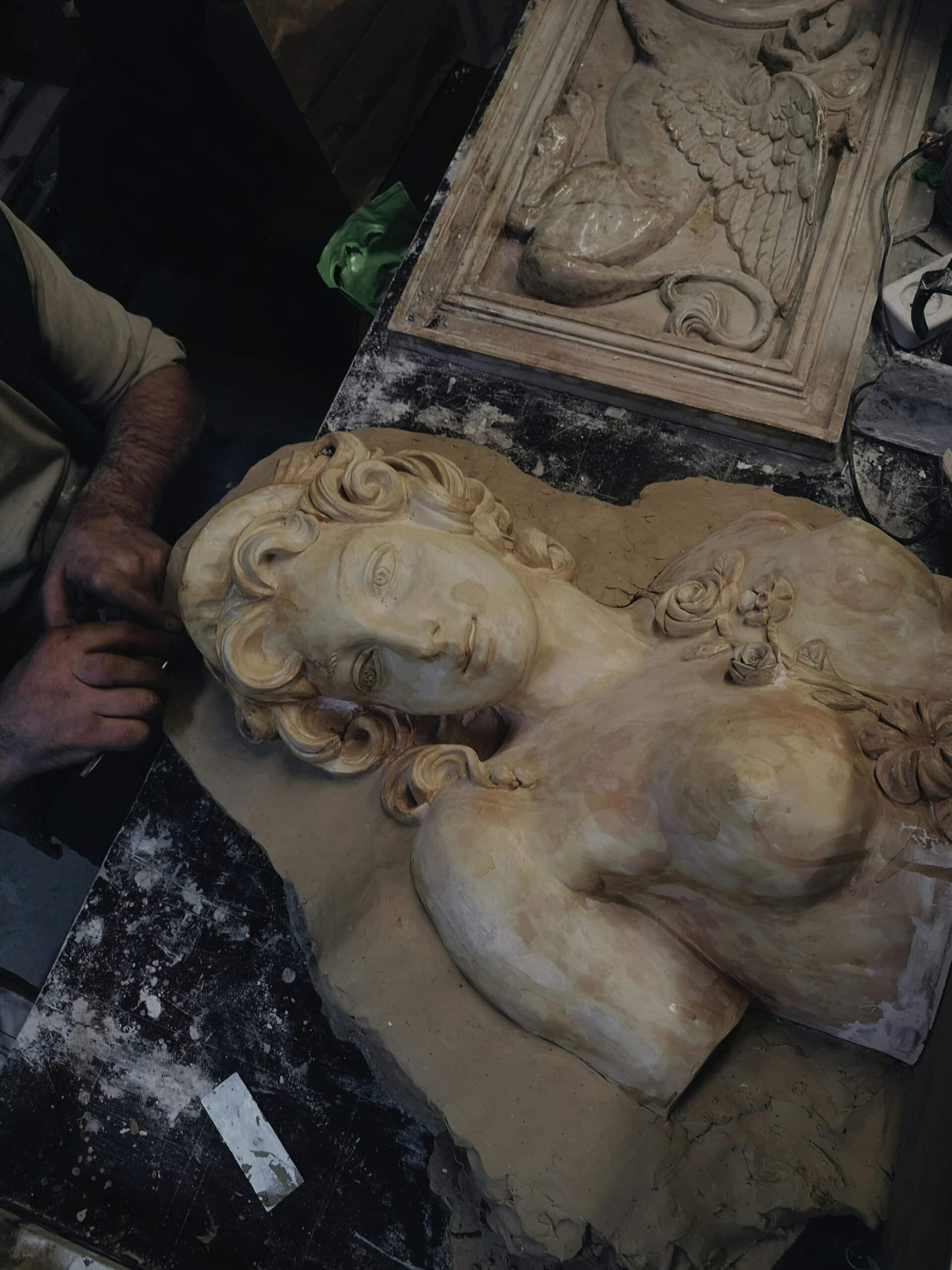
Professional fresco painters often begin by observing how plaster changes during drying rather than focusing immediately on color.
Local experts often point out that understanding fresco requires attention to time as much as technique. The wall behaves differently depending on humidity, temperature, and absorption.
Visitors who take time to notice these subtle changes begin to understand why fresco painting was considered one of the most challenging artistic disciplines of its era.
Florence rewards this kind of attention. The city reveals its complexity gradually.
Practical Travel Advice for Florence Visitors
Florence’s artistic heritage is best experienced when visits are paced rather than compressed.
Fresco-related experiences often require quiet focus, so it helps to avoid over-scheduling the same day with multiple high-intensity cultural visits.
Comfortable clothing is recommended, as working with pigments and plaster can be tactile and hands-on.
Advance planning is also important during peak travel seasons, when demand for specialized cultural experiences increases significantly.
The city is compact, but its artistic density means each experience benefits from time and attention.
Seasonal Considerations
Spring and autumn offer the most balanced conditions for artistic experiences in Florence. Light is softer, and the city moves at a more reflective pace.
Summer brings intensity, both in temperature and visitor flow, which makes indoor creative experiences particularly appealing.
Winter offers quiet conditions that allow for deeper concentration and a more intimate atmosphere inside workshops and studios.
Each season changes how Florence feels, but the language of fresco remains constant.
Frequently Asked Questions about Fresco Making
What is fresco painting?
Fresco painting is a technique where pigments are applied to wet lime plaster, allowing the color to become part of the wall as it dries.
Why was fresco important in the Renaissance?
It allowed artists to integrate storytelling directly into architecture, creating lasting visual narratives within public and sacred spaces.
Is fresco painting difficult to learn?
Yes. It requires timing, precision, and an understanding of materials that behave differently from modern paints.
Where can fresco techniques be experienced today?
Florence remains one of the primary places where traditional fresco methods are still taught and practiced under expert guidance.
Understanding Florence Through Fresco
Fresco painting represents one of Florence’s most distinctive artistic achievements. It is a technique built on timing, material knowledge, and an understanding that art can become part of architecture itself.
Seeing frescoes in Florence offers one level of appreciation. Understanding how they are made adds another. Engaging with fresco techniques offers a deeper perspective on Renaissance creativity and the discipline behind it.
Florence becomes more meaningful when its art is understood as a process rather than only a product.
For those planning a meaningful cultural visit, Artviva offers carefully guided access to fresco-making experiences in Florence, designed for travelers who want to understand not just what Renaissance art looks like, but how it was made.
Why Artviva Is the Trusted Choice for Cultural Experiences in Florence
Artviva has been based in Florence since 1996, working at the intersection of scholarship, craftsmanship, and lived cultural knowledge. Our approach is built on long-standing relationships with master artisans, restorers, and historians who actively preserve Florence’s artistic traditions.
What most travelers never realize is that access to authentic workshops and practicing artisans in Florence is highly limited. These are working studios, not staged environments. Artviva’s role is to bridge that world with thoughtful, respectful cultural engagement.
Each experience is shaped with attention to historical accuracy, material authenticity, and the way knowledge is transmitted in Italy. Rather than presenting art as something to simply observe, we focus on how it is understood through practice and context.
For travelers seeking depth, clarity, and a more meaningful connection to Florence’s artistic heritage, this level of access changes the entire experience of the city.
Step into the world of Renaissance artists with Artviva and discover the centuries-old techniques of Florentine Masters: Fresco Making in the Renaissance – Private Art Class.