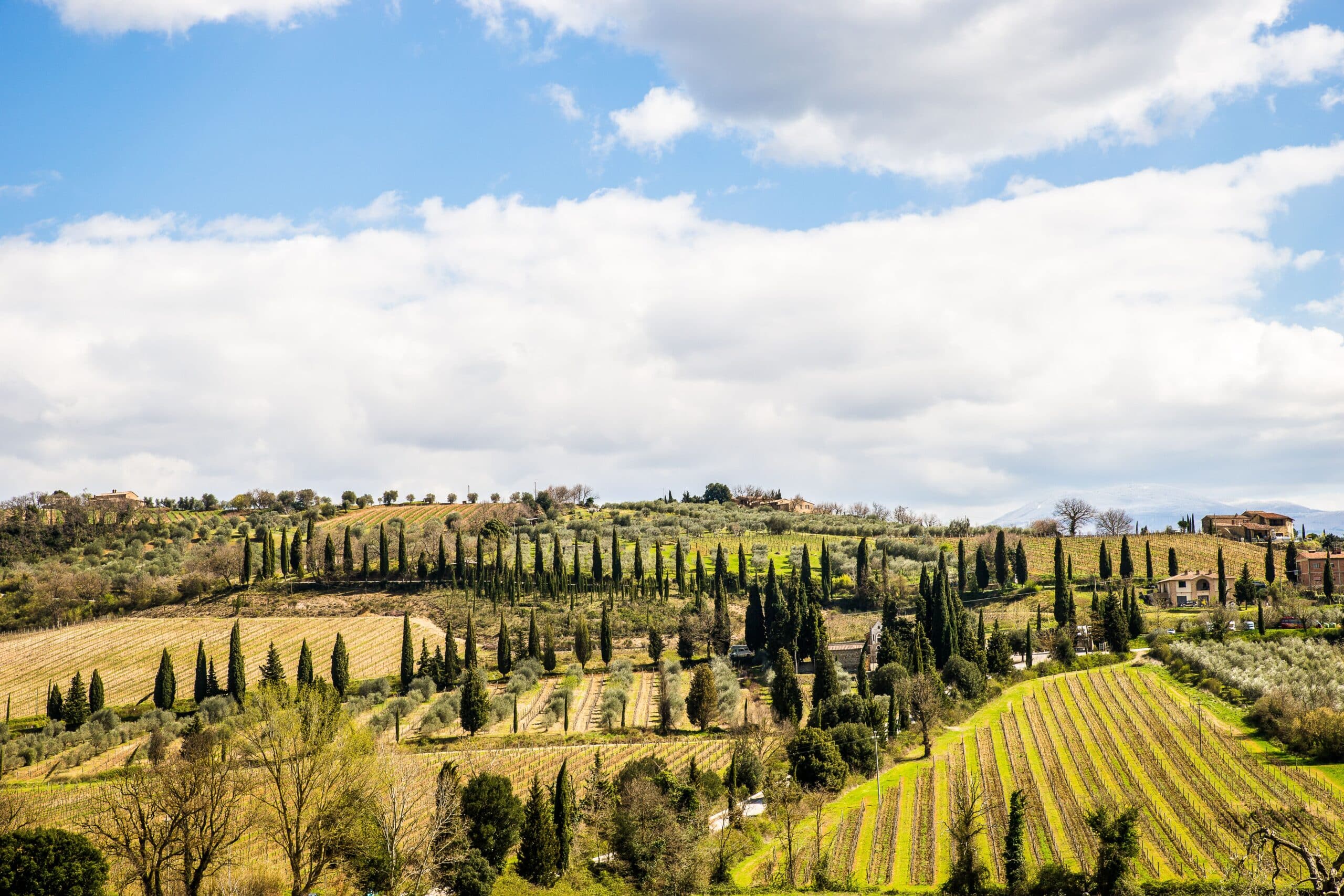
Gourmet Safari in Chianti: Wine, Olive Oil & Tuscan Culinary Heritage
Chianti is not simply a landscape of vineyards. It is a living agricultural language shaped over centuries, where soil, climate, and human craft continue to define some of Italy’s most expressive wines and culinary traditions.
Rolling hills between Florence and Siena have long supported a culture built around seasonal rhythms, small producers, and deeply rooted food knowledge. Here, wine is not treated as a product in isolation, but as part of a wider ecosystem that includes olive groves, rural kitchens, and family-run farms.
What makes Chianti particularly fascinating is not just its global reputation, but the way everyday life still reflects older patterns of production. Many visitors overlook how closely wine, olive oil, and regional cuisine are intertwined here — each one shaping the identity of the other.
Understanding this region means looking beyond tasting notes and labels. The deeper story lies in how generations of producers have preserved techniques while adapting to modern expectations of quality and authenticity.
Chianti becomes far more meaningful when seen through this lens — not as a destination for consumption, but as a cultural landscape built on taste, patience, and memory.
What Defines the Gourmet Culture of Chianti
The culinary identity of Chianti is built on restraint, precision, and respect for ingredients. Unlike more industrial food regions, production here is still fragmented across family-run estates and small workshops where knowledge is passed down rather than standardized.
Wine remains the region’s most recognized expression, particularly Sangiovese-based Chianti Classico. Yet local experts often point out that wine alone does not define the region. Olive oil, seasonal vegetables, cured meats, and rustic breads all play equally important roles in shaping the regional palate.
What makes Chianti distinctive is its consistency of philosophy rather than flavor profiles alone. Producers tend to prioritize structure, balance, and expression of place over intensity or manipulation.
This approach creates a culinary identity that feels grounded rather than performative — one that rewards attention and patience rather than speed.
The Cultural History Behind Chianti’s Flavors
Chianti’s culinary reputation did not emerge overnight. Its development is tied to centuries of agricultural stewardship and the historical importance of Florence as a political and economic center.
Wine production in the region was once closely regulated by city-state interests, shaping early definitions of quality and origin. Over time, this system evolved into one of the most recognizable wine identities in Europe.
Olive oil production follows a similarly long trajectory. Families cultivated groves not for export alone, but for local sustenance and trade between neighboring estates. This created a strong culture of self-sufficiency that still influences production today.
What most travelers never realize is how much of Chianti’s modern identity is built on these layered histories. Each vineyard and farm reflects not only geography, but centuries of adaptation to political change, climate shifts, and evolving tastes.
Why Chianti’s Food and Wine Culture Matters Today
In a global food landscape often driven by speed and standardization, Chianti stands apart for its resistance to simplification. The region continues to value craft-based production models where human judgment remains central.
This matters for travelers because it changes how taste is experienced. A glass of wine or a tasting of olive oil is not just sensory — it becomes interpretive. You begin to recognize patterns: acidity shaped by altitude, bitterness linked to harvest timing, texture influenced by pressing methods.
The experience takes on new meaning when viewed through this level of awareness. Rather than consuming isolated products, visitors engage with a system of relationships between land, climate, and human decision-making.
Chianti therefore becomes a place where understanding deepens with attention, not volume.
Local Expert Insight: What Visitors Often Miss
Local producers often point out that most visitors focus heavily on wine labels while overlooking the subtleties of olive oil and seasonal pairings.
In reality, olive oil in Chianti functions almost like a parallel language to wine. Its structure, freshness, and bitterness reflect similar agricultural choices and reveal just as much about a producer’s philosophy.
Another detail frequently missed is the role of time. Many estates operate on rhythms that do not align with typical visitor expectations. Harvests, pressing, and blending follow seasonal logic rather than fixed schedules, which means each visit represents a snapshot rather than a static experience.
This is why guided interpretation matters so much in this region. Without context, much of what defines Chianti remains invisible.
Practical Travel Perspective: Experiencing Chianti Thoughtfully
Chianti is best approached with time rather than urgency. Distances may appear short on a map, but the value of the region lies in observation, not movement.
Travelers benefit from allowing space between experiences — time to notice shifts in landscape, architecture, and agricultural patterns. Even small changes in elevation can influence both flavor and atmosphere.
It is also worth considering how meals are structured. In this region, dining is not simply about tasting multiple dishes, but about understanding sequence, balance, and seasonal coherence.
For those seeking deeper engagement, the most meaningful experiences are those that connect multiple elements of the region — wine, olive oil, and cuisine — within a single interpretive framework.
Seasonal Considerations in Chianti
Each season reveals a different version of Chianti’s identity.
Spring brings clarity to the landscape, with vineyards beginning their cycle of renewal. Summer emphasizes brightness and structure, particularly in wines and fresh produce. Autumn is defined by harvest activity, where olive pressing and grape picking shape the sensory atmosphere of the region. Winter, quieter and more reflective, highlights preservation traditions and slower culinary rhythms.
What most travelers do not realize is how strongly seasonality affects interpretation. The same vineyard or producer can feel entirely different depending on timing, not because the place changes, but because its agricultural expression does.
Frequently Asked Questions About Chianti Food and Wine Culture
What makes Chianti wines different from other Tuscan wines?
Chianti wines are primarily defined by Sangiovese grapes grown in structured agricultural landscapes that emphasize balance, acidity, and regional identity.
Is olive oil as important as wine in Chianti?
Yes. Olive oil is a foundational element of local cuisine and reflects similar principles of craftsmanship and terroir.
When is the best time to experience Chianti’s food culture?
Autumn is particularly active due to harvest season, but each season offers a distinct culinary perspective.
Do you need expertise to enjoy Chianti’s wine culture?
No, but deeper understanding significantly enhances appreciation, especially when interpreting flavor structure and regional context.
Understanding Chianti Through Its Flavors
Chianti is ultimately not defined by a single product, but by the relationships between land, tradition, and taste. Wine, olive oil, and cuisine form an interconnected system that reflects centuries of agricultural intelligence.
For many visitors, the region leaves an impression through its beauty alone. Yet the deeper experience emerges when those landscapes are understood as working environments shaped by human hands and seasonal cycles.
Those who wish to explore Chianti beyond its surface often find that guidance adds clarity to what initially feels simple. Context reveals patterns that are easy to miss when traveling independently.
For travelers seeking a more informed understanding of Tuscany’s culinary identity, Artviva offers access to expert-led experiences designed to illuminate these connections with depth and precision.
Why Expertise Matters in Understanding Chianti’s Food and Wine Culture
Chianti is a region where much of the meaning sits beneath the surface. Details such as vineyard orientation, soil variation, harvest timing, and production choices all shape flavor in ways that are easy to miss without informed context.
Local experts often point out that what seems simple in Chianti is actually the result of layered decisions passed down through generations of producers. Understanding these subtleties changes how wine and olive oil are perceived, turning tasting into interpretation rather than observation.
Artviva’s work is built on long-standing relationships with certified wine educators, culinary specialists, and respected Tuscan producers developed over more than 25 years in Italy. This network allows travelers to engage with the region through context, not just consumption, and to recognize the deeper logic behind what they are experiencing.
In a place defined by nuance, this level of guidance is what brings clarity to the landscape and lasting meaning to what is tasted and seen.