

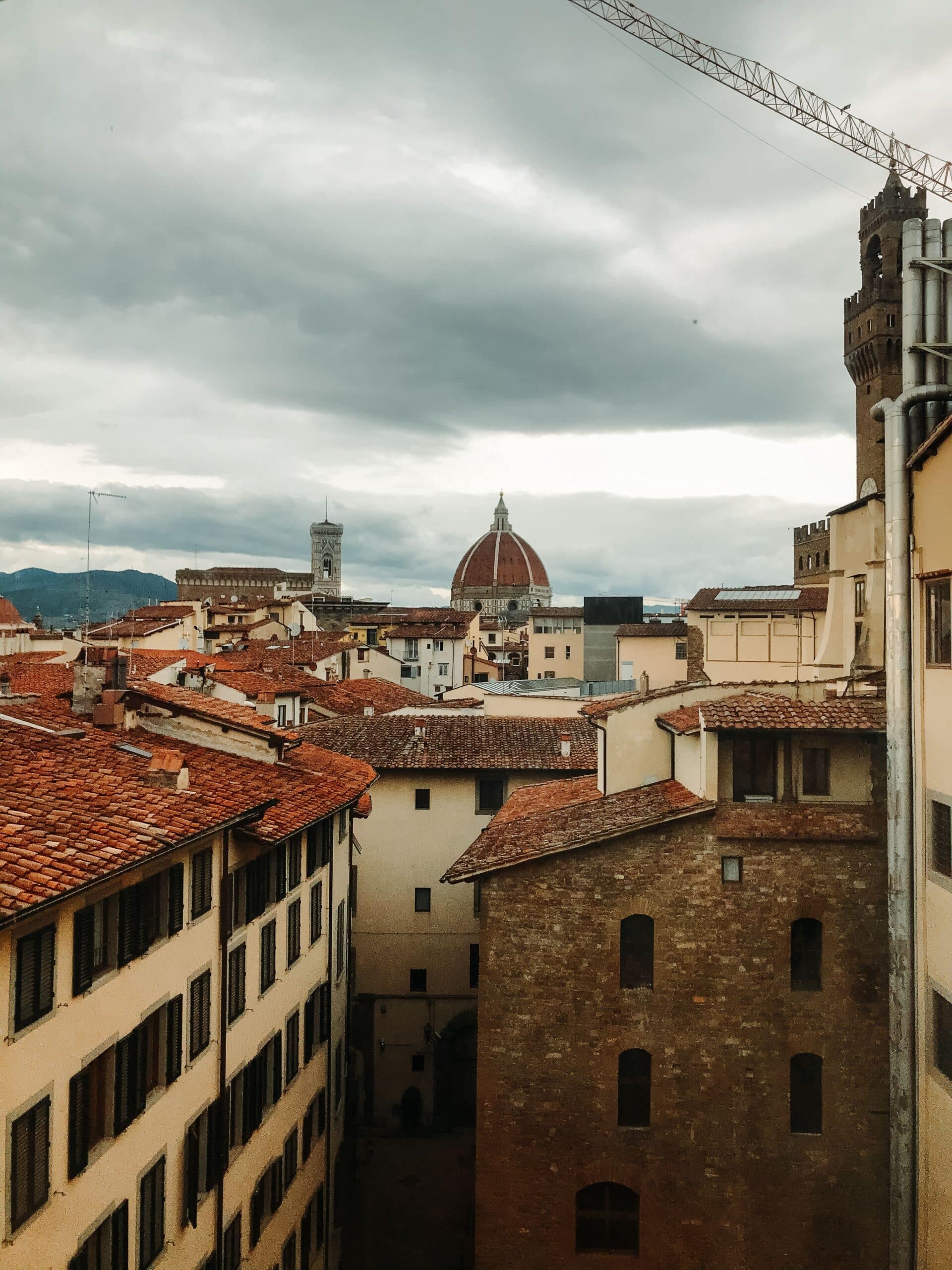
Sex, Power, and Scandal in Renaissance Florence
Florence is often described as the birthplace of the Renaissance, a city where artistic genius flourished and some of history’s greatest masterpieces were created. Visitors come to admire Michelangelo’s sculptures, Botticelli’s paintings, Brunelleschi’s revolutionary dome, and elegant palaces that seem untouched by time.
Yet the Florence that produced these achievements was anything but predictable.
Behind the beauty was a city driven by ambition, political rivalry, personal relationships, shifting loyalties, and fierce competition. Wealthy banking families shaped public life, artists balanced creativity with the demands of influential patrons, and reputation could determine a person’s future as much as talent or intelligence.
Many visitors see Florence as an open-air museum. The deeper story lies in recognizing that every church, palace, and piazza reflects real people whose lives were often far more complicated than the polished image history remembers.
Understanding these hidden stories reveals a Florence that feels remarkably human, where power, creativity, desire, and ambition existed side by side and helped shape one of the most influential periods in European history.
Quick Answer: What Is the Hidden History of Renaissance Florence?
Renaissance Florence was more than a center of extraordinary art. It was a city shaped by political rivalries, influential families, social expectations, artistic innovation, and personal ambition. Many of its greatest masterpieces contain layers of historical and cultural meaning that become far richer when viewed within the context of the society that created them.
History & Cultural Context
The Renaissance transformed Florence into one of Europe’s most influential cities, but its success was built upon far more than artistic talent alone.
By the fifteenth century, Florence had become an international center of banking, commerce, diplomacy, and learning. Prosperity attracted merchants, scholars, architects, philosophers, and artists whose ideas reshaped European culture. Wealth created opportunities for extraordinary artistic commissions, while competition among powerful families encouraged increasingly ambitious public projects.
Among these families, none left a greater mark than the Medici.
Their patronage supported artists whose work continues to define the Renaissance today. Yet commissioning magnificent buildings and paintings was never simply an act of generosity. Art communicated influence, reinforced political alliances, demonstrated religious devotion, and helped shape how future generations would remember both the city and its leaders.
Artists themselves lived within this complex environment.
Michelangelo, Leonardo da Vinci, Botticelli, and countless others relied upon influential patrons while navigating changing political climates and evolving social expectations. Their work reflected extraordinary technical ability, but it also revealed subtle responses to the world around them.
Many visitors admire Renaissance masterpieces for their beauty alone.
What most travelers never realize is that these works often carried multiple meanings. Religious subjects could also express political ideals. Classical mythology reflected contemporary intellectual movements. Architectural projects symbolized civic pride as much as engineering achievement.
Florence rewarded those who understood these layers of meaning.
Centuries later, they continue to reward curious travelers willing to look beyond first impressions.
Beyond the Masterpieces: The Human Side of Renaissance Florence
History often remembers the Renaissance through extraordinary achievements, yet daily life in Florence was shaped by the same emotions that influence people today.
Families competed for influence.
Political alliances shifted unexpectedly.
Public reputation mattered enormously.
Artists sought recognition while balancing creative independence with financial necessity.
Marriage strengthened business relationships, social expectations governed personal behavior, and public image often carried greater importance than private reality.
These contradictions did not weaken Florence.
They helped shape it.
The city’s remarkable artistic achievements emerged alongside complex human experiences that continue to fascinate historians centuries later.
Walking through Florence today, it is easy to admire elegant façades without considering the negotiations, rivalries, celebrations, disappointments, and ambitions that unfolded behind them.
The experience becomes richer when viewed through this broader historical perspective.
Why It Matters Today
Florence continues to inspire millions of travelers because its history feels remarkably relevant.
The city reminds us that creativity rarely develops in isolation. Innovation grows through collaboration, competition, curiosity, and the exchange of ideas between individuals from different backgrounds.
The Renaissance transformed not only Florence but also the way people understood art, science, architecture, education, and human potential. Those ideas continue to influence the modern world.
For visitors, understanding the people behind the masterpieces creates a far more meaningful experience.
A sculpture becomes more than technical perfection.
A palace becomes more than impressive architecture.
A painting becomes more than a beautiful image.
Each represents a moment in history shaped by ambition, relationships, cultural change, and the remarkable individuals who helped define one of Europe’s greatest artistic movements.
Many visitors only scratch the surface of Florence’s story.
The deeper story lies in discovering how these masterpieces reflect the lives, choices, and aspirations of the people who created them.
Local Expert Tip
Many first-time visitors focus on Florence’s most recognizable landmarks, but local experts often encourage paying equal attention to the details that surround them. A family coat of arms carved into a palace wall, an unexpected symbol in a sculpture, or the location of a historic square can reveal connections between art, politics, and everyday life that many travelers never notice.
Taking time to ask why something was created, who commissioned it, and what message it was meant to communicate often changes the way Florence is experienced. The city rewards curiosity just as much as sightseeing.
Experience It Firsthand
The remarkable stories of Renaissance Florence become far more compelling when explored through the perspective of knowledgeable local guides who understand the city’s many layers.
Many visitors admire Florence’s famous landmarks without realizing how closely they are connected to political ambition, family rivalries, artistic innovation, and the social customs of the Renaissance. Historical context transforms familiar places into windows onto a city where every commission, public square, and masterpiece reflected the ambitions and contradictions of its time.
Artviva’s Sex, Drugs & Renaissance Private Experience offers a thoughtful exploration of these lesser-known stories, helping visitors understand how power, reputation, creativity, and human nature shaped Florence beyond the traditional historical narrative. Rather than focusing only on famous monuments, the experience reveals the cultural context that gives those places their lasting significance.
Learn more here:
Sex, Drugs & Renaissance Private – A Scandalous Florence Tour
Practical Travel Advice
Florence is one of Europe’s most walkable cities, and many of its most important historic sites are located within a relatively compact center. Comfortable footwear is recommended, as centuries-old stone streets remain an important part of the city’s character.
Rather than filling every hour of your itinerary, allow time to pause in Florence’s piazzas, churches, and quieter streets. Some of the city’s most rewarding moments come from observing how history continues to shape everyday life.
If Renaissance history is one of your primary interests, consider scheduling museum visits and historical experiences on separate days whenever possible. This allows time to absorb the stories behind the artworks instead of rushing from one landmark to the next.
Seasonal Considerations
Spring
Spring brings comfortable temperatures and longer daylight hours, making it an ideal season to explore Florence’s historic center on foot. Outdoor spaces become lively without feeling overwhelmingly crowded early in the season.
Summer
Summer offers extended evenings and a vibrant atmosphere throughout the city. Beginning your explorations earlier in the day often provides a more comfortable experience before afternoon temperatures rise.
Autumn
Many experienced travelers consider autumn one of Florence’s finest seasons. Pleasant weather and warm afternoon light create an ideal setting for appreciating the city’s architecture and historic streets.
Winter
Winter reveals a quieter side of Florence. With fewer visitors in many historic areas, the city feels more intimate, offering additional opportunities to appreciate its history at a relaxed pace.
Frequently Asked Questions
Was Renaissance Florence really full of political intrigue?
Yes. Florence’s leading families competed for influence through banking, diplomacy, patronage, and public image. Politics shaped many aspects of daily life, including art, architecture, and civic projects.
Why is the Medici family so important to Florence?
The Medici helped transform Florence into one of Europe’s leading cultural centers by supporting artists, architects, scholars, and scientific thinkers. Their influence extended well beyond banking and politics, leaving a lasting impact on Renaissance culture.
Did Renaissance artists hide meanings in their work?
Many historians believe Renaissance artists frequently incorporated symbolism, classical references, and visual details that reflected religious ideas, political messages, or intellectual movements of their time. Understanding this context often changes how familiar masterpieces are interpreted.
Is there more to Florence than museums?
Absolutely. Florence’s streets, squares, churches, and historic buildings each contribute to the city’s story. Understanding the relationships between these places creates a richer appreciation of Florence’s cultural history.
Why do guided historical experiences offer a different perspective?
Knowledgeable local guides provide historical context, cultural interpretation, and connections that many visitors would otherwise overlook. Rather than simply viewing monuments, travelers gain a deeper understanding of the people and events that shaped them.
Florence’s Greatest Stories Are Often the Ones You Don’t Expect
Florence’s beauty is immediate, but its most fascinating stories reveal themselves gradually.
Behind magnificent churches, celebrated sculptures, and elegant palaces lies a city shaped by ambition, creativity, political rivalry, and remarkable individuals whose lives were every bit as compelling as the masterpieces they left behind.
Looking beyond the familiar narrative allows visitors to experience Florence as a living city rather than a collection of monuments. Art becomes part of a larger conversation about society, power, belief, and human nature that continues to resonate centuries later.
For travelers who want to explore these overlooked layers of Renaissance history, Artviva’s Sex, Drugs & Renaissance Private Experience offers an engaging opportunity to discover the stories that many visitors never hear.
Learn more here:
Sex, Drugs & Renaissance Private – A Scandalous Florence Tour
Why Travel with Artviva
Since 1996, Artviva has helped travelers discover Italy through experiences grounded in local expertise, historical insight, and meaningful storytelling. Each experience is designed to encourage curiosity while revealing the people, ideas, and traditions that shaped Italy’s remarkable cultural heritage.
By connecting famous landmarks with the lives and events behind them, Artviva helps visitors leave Florence with something far more lasting than photographs: a deeper understanding of one of history’s most influential cities.