
Italian Coffee Culture in Florence – Espresso, Ritual, and the Craft of the Barista
In Florence, coffee is not a habit. It is a language.
To understand Italian coffee culture is to step into a system built on precision, rhythm, and restraint. The espresso bar is not a café in the modern sense. It is a working environment where timing matters more than conversation, and where a cup of coffee is judged in seconds rather than minutes.
Many visitors arrive in Italy expecting slow afternoons in cafés. What they often discover instead is something more structured, more disciplined, and far more technical than it first appears.
The Origins of Italian Coffee Culture
Coffee arrived in Italy through Venetian trade routes in the 16th and 17th centuries, quickly spreading through cities like Florence, Rome, and Venice. At first, it was a luxury associated with intellectual circles and early coffee houses where writers, thinkers, and merchants gathered.
Over time, coffee became democratized. But unlike other parts of Europe, Italy did not transform coffee into a leisurely beverage. Instead, it became structured around efficiency and control.
The espresso machine, developed in the early 20th century, reshaped everything. Speed became part of quality. Consistency became cultural expectation.
In Florence today, that legacy remains intact.
Why Italian Espresso Is Different
Italian espresso is often misunderstood by travelers who compare it to longer, diluted coffee styles.
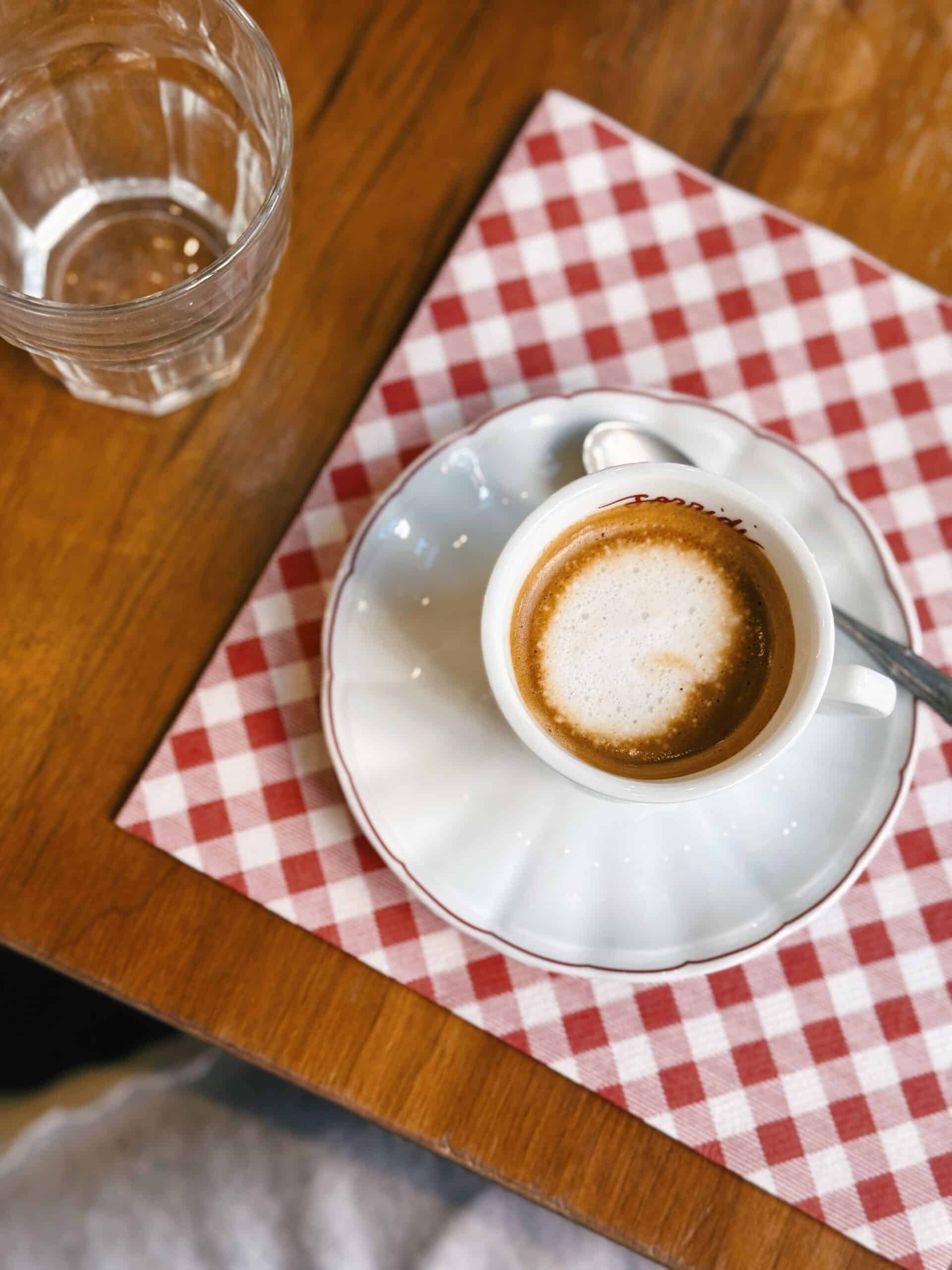
At its core, espresso is a concentration of pressure, timing, and extraction balance. A properly made espresso has three layers: aroma, body, and crema. Each depends on variables that change throughout the day.
What most travelers never realize is that Italian baristas are constantly adjusting for these changes. Humidity, temperature, and bean freshness all influence grind size and extraction speed.
This is why espresso in Florence can taste slightly different from morning to afternoon, even in the same café.
Local experts often point out that this adaptability is part of the craft itself.
The Role of the Barista in Italy
In many countries, a barista is viewed as a service role. In Italy, it is closer to a technical craft.
A barista controls multiple variables simultaneously: grind calibration, dose weight, water temperature, pressure consistency, and milk texture. Each decision affects the final cup in measurable ways.
But beyond technique, there is rhythm. Italian baristas work at speed without losing accuracy. Orders are often prepared within seconds, yet the quality expectation remains high.
In Florence, the barista is not only preparing coffee. They are maintaining a cultural standard that has remained surprisingly stable for decades.
Espresso as a Daily Ritual in Florence
Coffee in Florence is deeply embedded in daily life, but not in the way many visitors assume.
It is rarely a long, seated experience. Instead, it is a pause between activities. A quick espresso at the counter in the morning. A cappuccino before midday. A macchiato in the afternoon.
This rhythm is not accidental. It reflects a cultural structure where coffee supports the day rather than defines it.
What most travelers overlook is how social this structure is. Regulars are known by name. Orders are remembered. The café becomes a micro-community built on repetition and familiarity.
Milk, Texture, and the Science Behind Cappuccino
Milk-based drinks such as cappuccino require a different layer of precision than espresso alone.
The goal is not simply heated milk, but microfoam — a structured texture created by introducing air in controlled amounts. When done correctly, the milk becomes glossy and stable, allowing it to integrate with espresso without separation.
Temperature is critical. Too hot and the milk breaks down. Too cold and the texture fails to develop.
In Florence, cappuccino is not just a drink. It is a morning ritual tied to balance and timing, often consumed before 11 a.m., after which espresso becomes the standard choice.
Latte Art and the Visual Language of Coffee
Latte art is often the most visible expression of barista skill, but it is also the most misunderstood.
Patterns like hearts, rosettas, and tulips are not decoration alone. They are indicators of correct milk texture and pouring control. Without proper espresso extraction and microfoam structure, latte art collapses immediately.
In professional settings, consistency matters more than creativity. The same pattern must be reproducible across dozens or hundreds of cups per day.
This discipline reflects a broader Italian approach to craft: refinement through repetition.
Coffee Bean Selection and Roast Philosophy
Italian coffee roasting tends to favor balance over extremes.
Beans are often blended rather than single-origin, creating stability in flavor rather than variability. Roast profiles are typically medium to medium-dark, designed to support espresso extraction rather than highlight acidity.
Many visitors are surprised by the uniformity of flavor across cafés. This is intentional. Italian coffee culture prioritizes predictability and harmony over experimentation.
Local roasters often describe this approach as “designing for the bar,” not for novelty.
What Most Travelers Miss About Italian Coffee
What most travelers never realize is that Italian coffee culture is not built around individual drinks. It is built around systems.
Everything from grinder calibration to serving order is part of a larger structure designed for efficiency and consistency.
Even the speed of service has meaning. It reflects a cultural preference for clarity and flow rather than interruption.
Understanding this system changes how coffee is experienced in Florence. It becomes less about taste alone and more about context.
Practical Insights for Coffee Travelers in Florence
Visitors interested in coffee culture in Florence often benefit from observing cafés at different times of day.
Morning hours reflect traditional routines. Midday shows faster transitions. Later hours sometimes introduce more modern variations influenced by international travel and tourism.
Pay attention to how espresso is ordered and consumed. Standing at the bar often reveals more about Italian coffee culture than sitting at a table.
Common Questions About Italian Coffee Culture
Why is espresso so important in Italy?
Espresso represents balance, speed, and consistency, making it the foundation of Italian coffee culture.
What makes Florence coffee culture unique?
Florence combines historic café traditions with highly skilled baristas who maintain strict preparation standards.
Why do Italians drink coffee quickly?
Coffee is integrated into daily routines rather than treated as a long social activity.
Is cappuccino only a morning drink in Italy?
Traditionally, yes. Milk-based drinks are most common in the morning due to cultural and digestive preferences.
Can you learn barista skills in Florence?
Yes. Florence has a strong tradition of hands-on coffee training focused on espresso and milk techniques.
Why Expertise Matters in Understanding Italian Coffee
Italian coffee culture is often simplified in global discussions, but the reality is far more technical and structured. Without guidance, many of its nuances remain invisible.
Local professionals emphasize that understanding espresso requires observing repetition, correction, and calibration over time.
This is where expert interpretation becomes essential.
About Artviva and Cultural Expertise in Florence
Artviva has operated in Florence since 1996, working closely with local artisans, culinary professionals, and cultural experts across Italy.
Our role is not to reinterpret Italian culture, but to connect travelers with those who live and preserve it daily. In coffee culture, this means access to professionals who understand both the technical craft of espresso and its cultural significance within Italian life.
This long-standing network allows for experiences and learning environments rooted in authenticity, precision, and real-world expertise rather than demonstration alone.
Understanding Coffee as a Cultural System
Italian coffee in Florence is not defined by a single drink, but by a structure of behavior, skill, and expectation that has developed over generations.
To understand it fully is to see beyond the cup itself and recognize the systems that shape it — from the grinder to the counter, from the morning ritual to the pace of service.
Coffee becomes a small but revealing entry point into how Italians think about craft, time, and daily life. For travelers seeking a deeper cultural understanding of Italian coffee, book Artviva’s Italian Coffee Culture in Florence experience.