The Last Supper & San Maurizio Church: Discovering Milan’s Renaissance Masterpieces
Some of Milan’s greatest artistic treasures sit just minutes apart.
One is among the most famous works of art ever created. The other remains one of Italy’s most astonishing church interiors, yet many travelers have never heard of it before arriving in Milan.
The Last Supper Guided Tour Plus San Maurizio Church combines these two remarkable sites into a private experience that reveals a richer side of Renaissance Milan. From Leonardo da Vinci’s masterpiece at Santa Maria delle Grazie to the extraordinary frescoes of San Maurizio al Monastero Maggiore, this walk offers an intimate look at the artists, patrons, and ideas that transformed Milan into a center of creativity.
For travelers seeking more than a quick museum visit, this experience provides context, beauty, and a deeper understanding of one of Italy’s most fascinating cities.
What Is the Last Supper Guided Tour Plus San Maurizio Church?
This private guided experience includes:
- Pre-reserved access to Leonardo da Vinci’s The Last Supper
- Expert commentary on Leonardo’s techniques and symbolism
- Guided visit to San Maurizio al Monastero Maggiore
- Insights into Renaissance Milan
- A short walking route connecting both sites
The tour combines two of Milan’s most important artistic landmarks while offering a deeper understanding of Renaissance culture and patronage.
Why The Last Supper Continues to Captivate Visitors
Few works of art inspire as much anticipation as Leonardo’s The Last Supper.
Located inside the refectory of Santa Maria delle Grazie, the mural depicts the dramatic moment when Christ reveals that one of his disciples will betray him. Every figure reacts differently. Shock, anger, confusion, disbelief, and sorrow unfold across the composition.
What makes the experience so powerful is seeing it in person.
Photographs cannot fully capture Leonardo’s use of perspective, the scale of the mural, or the atmosphere of the room itself. Visitors quickly understand why access remains limited and why securing tickets can be challenging throughout the year.
With the guidance of an expert, details often missed by independent visitors come into focus, revealing the genius behind one of the most influential artworks ever created.
Beyond Leonardo: Discovering San Maurizio Church
After visiting The Last Supper, many travelers assume they have already experienced Milan’s artistic highlights.
Then they walk into San Maurizio al Monastero Maggiore.
The reaction is often immediate.
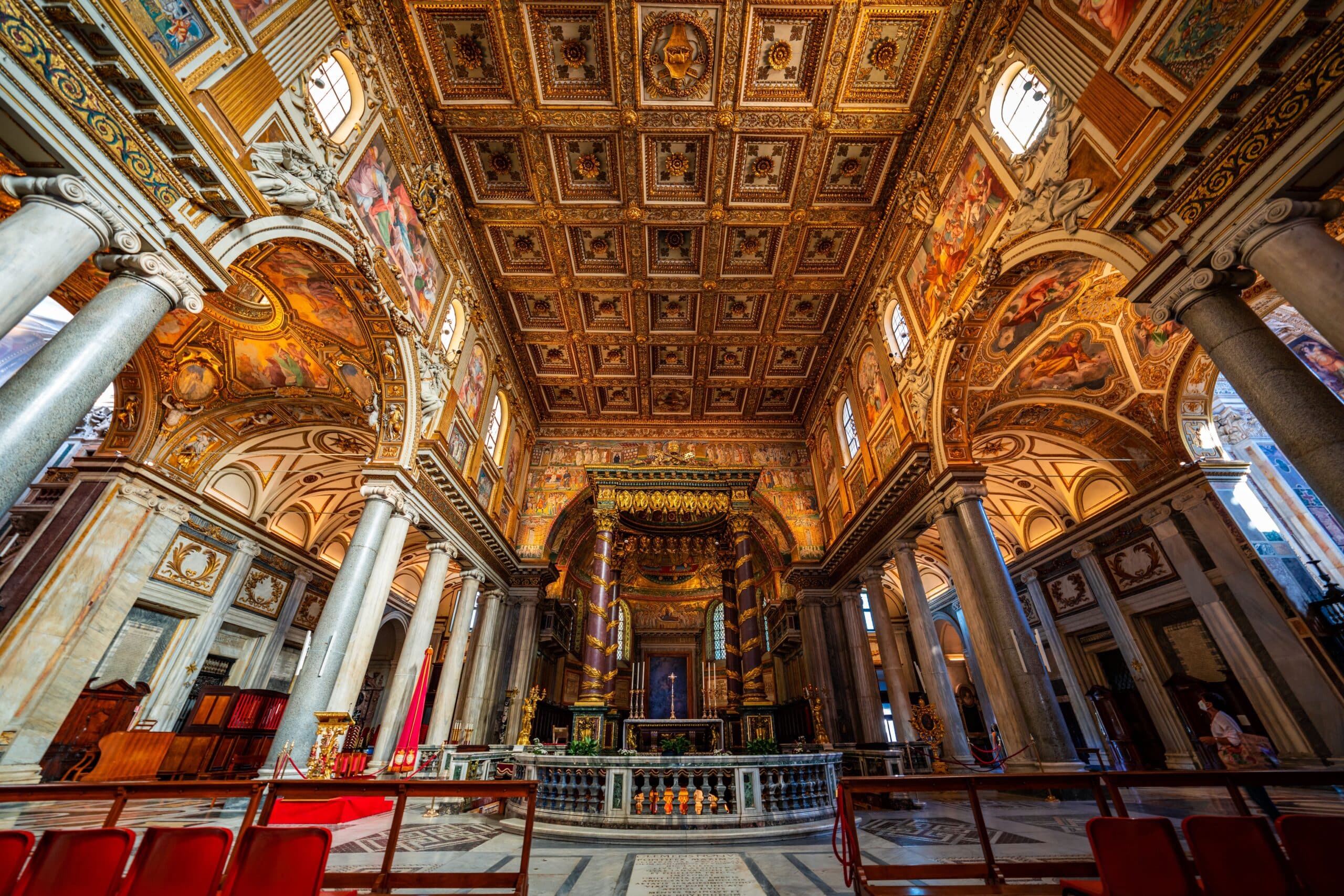
Nearly every surface is covered with brilliantly preserved frescoes. Rich colors, intricate details, and elegant storytelling scenes surround visitors from floor to ceiling. The church’s beauty has earned it a nickname many art lovers know well: the Sistine Chapel of Milan.
Despite its extraordinary interior, San Maurizio remains one of Milan’s most overlooked artistic treasures.
Its quieter atmosphere allows visitors to appreciate Renaissance painting in a setting that feels remarkably personal.
Bernardino Luini and Leonardo’s Legacy
One reason San Maurizio is so fascinating lies in its connection to Leonardo himself.
Many of the frescoes were created by Bernardino Luini and his workshop. Luini worked during the same period as Leonardo and absorbed many aspects of his artistic style.
As your guide explains the fresco cycles, you’ll begin noticing similarities in facial expressions, composition, and emotional storytelling.
The result is a fascinating dialogue between two artistic traditions. Visitors experience Leonardo’s revolutionary vision in The Last Supper and then see how his influence shaped the next generation of Milanese artists.
A Walk Through Renaissance Milan
The route connecting Santa Maria delle Grazie and San Maurizio is short, but it tells an important story.
Along the way, your guide introduces the political, religious, and cultural forces that transformed Milan during the Renaissance. Wealthy patrons invested heavily in churches, monasteries, and public works, helping attract some of Italy’s most talented artists and thinkers.
Unlike larger cities where major attractions feel disconnected, Milan’s historic center allows visitors to experience this cultural landscape as a cohesive whole.
The walk itself becomes part of the story.
History & Cultural Context
During the fifteenth and sixteenth centuries, Milan emerged as one of Italy’s most influential cities.
Powerful families such as the Sforzas supported artists, architects, and scholars who contributed to the city’s cultural growth. Leonardo da Vinci arrived in Milan in the 1480s and spent nearly two decades working under their patronage.
While The Last Supper became the city’s most celebrated artistic achievement, churches like San Maurizio reveal how Renaissance art also shaped everyday religious life.
Together, these sites showcase two different sides of Milan’s creative identity: grand artistic innovation and intimate spiritual expression.
Local Expert Tip
Many visitors rush from attraction to attraction without realizing how close these masterpieces are to one another.
Plan time after your tour to explore the surrounding neighborhood. The streets around Santa Maria delle Grazie and San Maurizio contain elegant architecture, local cafés, and a quieter atmosphere than the city’s busiest commercial districts.
It’s one of the most rewarding areas of Milan for a leisurely afternoon walk.
Best Time to Visit
Spring (March-May)
Comfortable temperatures and manageable crowds make spring one of the best seasons for exploring Milan on foot.
Summer (June-August)
Reservations become especially important during summer due to increased demand for Last Supper tickets.
Autumn (September-November)
Mild weather and excellent sightseeing conditions make autumn a favorite among experienced travelers.
Winter (December-February)
Fewer visitors create a more intimate atmosphere at many of Milan’s cultural sites.
Frequently Asked Questions
How long does the tour last?
The experience typically lasts approximately two hours.
Is entry to The Last Supper included?
Yes. Pre-reserved admission is included as part of the tour.
Why is San Maurizio called the Sistine Chapel of Milan?
Its interior is covered almost entirely with exceptional Renaissance frescoes, creating one of the most visually stunning church interiors in Italy.
Is the walk difficult?
No. The distance between the two sites is short and suitable for most visitors.
What should I wear?
Comfortable shoes are recommended. Shoulders should be covered when entering churches.
Why Travelers Choose Artviva
Since 1996, Artviva has introduced travelers to Italy through carefully crafted cultural experiences led by knowledgeable local experts.
Our guides combine historical expertise with engaging storytelling, helping visitors connect more deeply with the places they explore. Every itinerary is thoughtfully designed to balance world-famous landmarks with meaningful cultural context.
Experience Two Masterpieces in One Remarkable Walk
Many travelers visit Milan to see Leonardo’s Last Supper.
The most memorable visits go a step further.
Pairing Leonardo’s masterpiece with the extraordinary beauty of San Maurizio creates a richer and more complete understanding of Renaissance Milan. Together, these sites reveal the artistic brilliance, spiritual life, and creative ambition that shaped one of Italy’s great cultural capitals.
Reserve your preferred date with Artviva and discover two of Milan’s most extraordinary artistic treasures on the Last Supper Plus San Maurizio Church Guided Tour.
About Artviva
Artviva has been creating exceptional cultural experiences throughout Italy since 1996. Our tours are led by licensed professional guides and local experts with extensive knowledge of Italian art, architecture, history, and culture. Artviva operates in accordance with Italian tourism regulations and maintains all required licenses, reservations, and professional standards for guided experiences.