
Learn Italian in Florence: Experience the City One Conversation at a Time
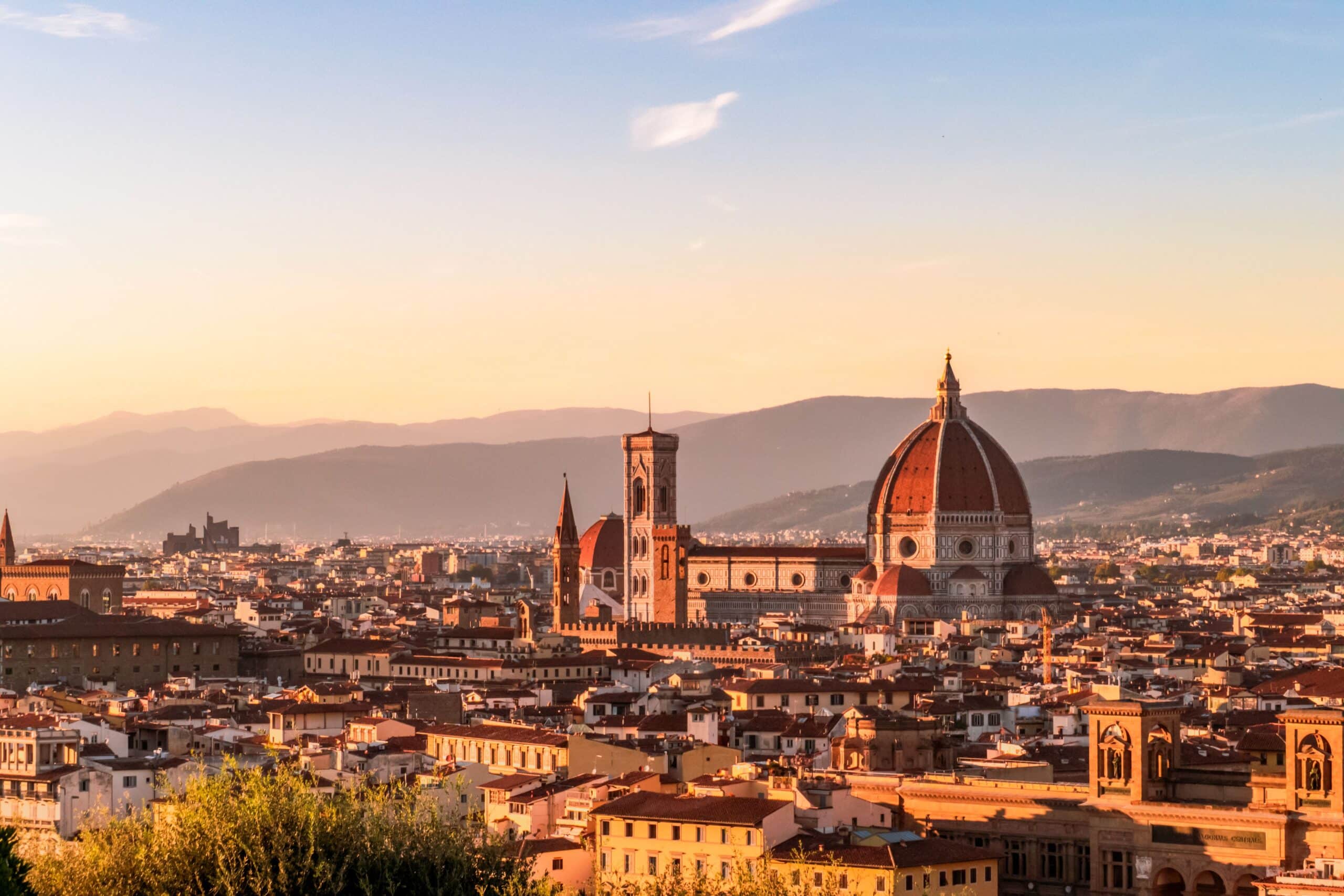
Every destination has its own language, but in Florence, language is woven into the city’s identity. The words spoken in its cafés, markets, and piazzas helped shape modern Italian centuries ago, making Florence one of the most meaningful places in the country to learn the language.
While many travelers memorize a handful of phrases before arriving, speaking Italian while strolling through Florence offers an entirely different experience. Ordering a coffee, greeting a shopkeeper, or asking a local for advice transforms simple interactions into memorable moments. Even a few words can open doors to conversations and experiences that many visitors never have.
Learning Italian in Florence is not about becoming fluent overnight. It is about understanding the rhythm of everyday life and discovering the confidence to connect with the people who make the city feel alive.
Quick Answer
A walking Italian language experience in Florence combines practical language instruction with cultural exploration. Guided by a certified Italian teacher, participants practice useful vocabulary and everyday conversations while discovering Florence’s historic streets, local traditions, and authentic atmosphere. The experience is suitable for beginners as well as travelers looking to improve their conversational skills.
Why Florence Is the Best Place to Learn Italian
Florence occupies a unique place in the history of the Italian language. During the Middle Ages, the Tuscan dialect spoken throughout the city gradually became the foundation of modern standard Italian, thanks in large part to writers such as Dante Alighieri, Francesco Petrarch, and Giovanni Boccaccio.
Their literary works spread the Florentine form of Italian throughout the peninsula, shaping the language spoken across Italy today.
What most travelers never realize is that by learning Italian in Florence, they are learning the language where much of its modern history began. The city itself becomes part of the lesson, connecting words and phrases to places that have inspired generations of writers, artists, and thinkers.
Learning Through Everyday Life
Language is best learned through experience rather than memorization. Hearing conversations in busy cafés, greeting local shopkeepers, and asking simple questions in Italian helps vocabulary become practical instead of abstract.
Many visitors are surprised by how quickly confidence grows through small successes. Ordering breakfast, buying fresh produce at a market, or thanking an artisan after visiting a workshop becomes far more rewarding when done in Italian.
Local experts often point out that communication in Italy extends beyond words. Tone of voice, facial expressions, gestures, and cultural etiquette all play an important role in everyday conversations.
Learning these subtleties helps visitors feel more comfortable throughout their journey.
Florence as Your Classroom
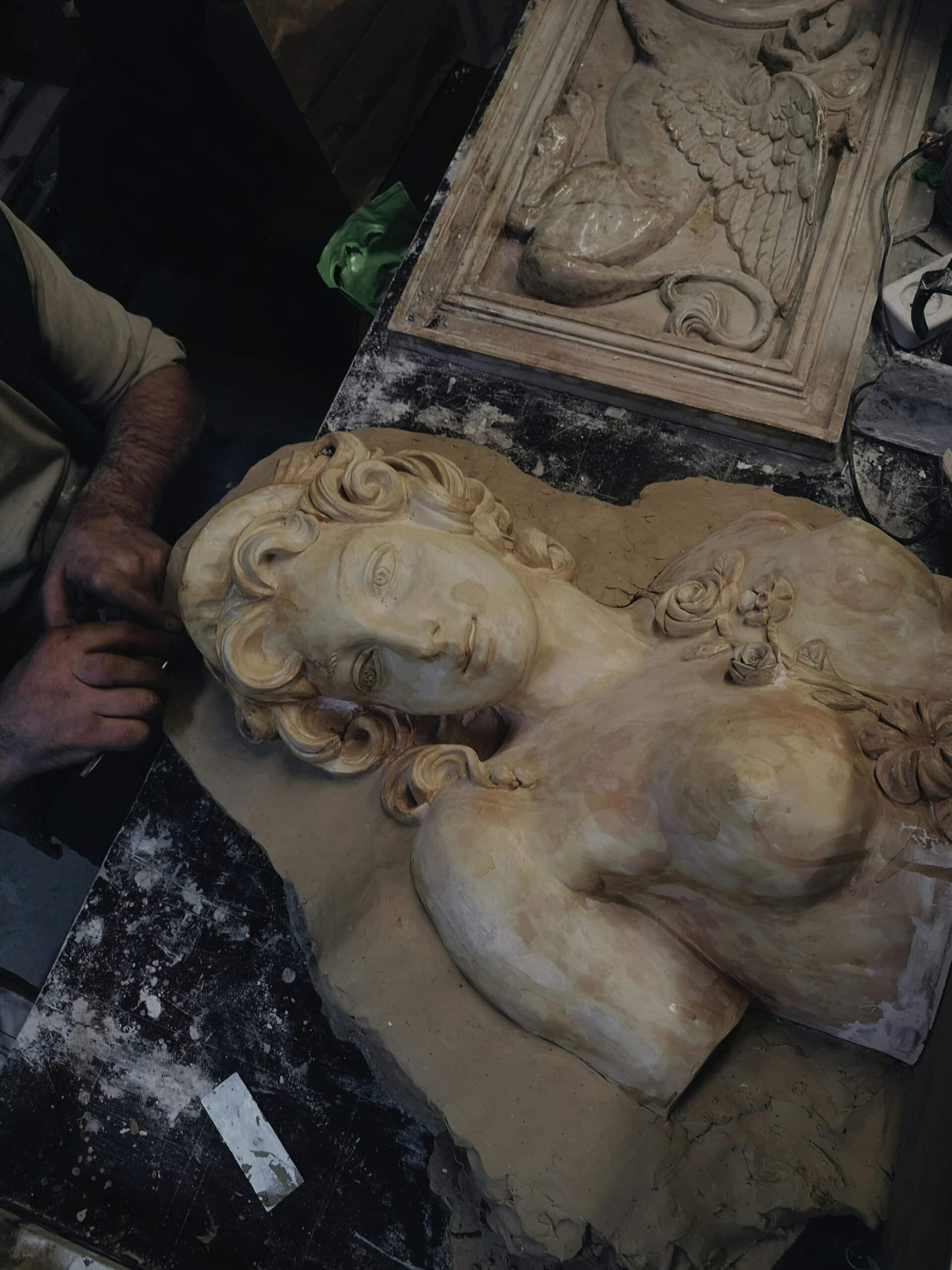
Unlike a traditional classroom, Florence offers constant opportunities to practice what you learn. Historic squares become places for conversation. Local cafés become opportunities to understand customs surrounding coffee culture. Artisan workshops introduce new vocabulary while revealing traditions that continue to shape the city’s identity.
Many visitors overlook how much culture can be understood through language. A simple greeting, an expression commonly used by Florentines, or even the way locals order coffee reflects customs that have developed over centuries.
By experiencing the city through conversation, travelers begin to notice Florence from a different perspective.
Why Language and Culture Cannot Be Separated
Understanding Italian means understanding the culture that shaped it.
Many expressions have no direct English translation because they reflect uniquely Italian ways of thinking about family, food, hospitality, and everyday life. Even something as simple as choosing between formal and informal language reveals how relationships and respect are expressed in Italian society.
Learning these customs alongside the language creates a richer travel experience. Conversations become more natural, interactions feel more genuine, and visitors gain insight into traditions that guidebooks rarely explain.
The deeper story lies not simply in speaking Italian, but in understanding why Italians communicate the way they do.
Experience It Firsthand
Reading a phrasebook or using a translation app can help with basic communication, but practicing Italian while exploring Florence creates a far more meaningful experience.
Artviva’s Learn to Speak Italian Experience combines language instruction with cultural discovery, allowing travelers to build confidence through real conversations in authentic Florentine settings. Guided by a certified Italian teacher, participants learn useful vocabulary while gaining a deeper appreciation for the customs, traditions, and everyday life that define the city.
Learn more about the experience here:
Learn to Speak Italian Tour – A Fun Florence Walking Italian Class
Rather than focusing on grammar alone, the experience encourages meaningful interaction, helping visitors develop practical language skills while seeing Florence through the eyes of those who call it home.
A Local Expert Tip
One of the fastest ways to improve your Italian is simply to keep speaking it.
Many Florentines speak English and will often switch languages to help visitors. If you’re comfortable, continue speaking Italian instead. Most locals appreciate the effort, and even short conversations provide valuable practice.
Don’t worry about making mistakes. Confidence grows through participation, and every interaction becomes another opportunity to improve.
Practical Travel Advice
Walking language experiences can be enjoyed throughout the year. Spring and autumn provide comfortable temperatures for exploring Florence on foot, while winter offers a quieter atmosphere that often encourages more relaxed conversations.
Comfortable shoes are recommended, as much of Florence’s historic center is best explored on foot. No previous knowledge of Italian is necessary, and lessons can be adapted for different ages and experience levels.
If possible, schedule the experience early in your stay. The vocabulary and confidence you gain can enhance every interaction for the rest of your visit.
Frequently Asked Questions
Do I need to know Italian before participating?
No. The experience welcomes complete beginners and can also be adapted for travelers with previous knowledge of Italian.
Why learn Italian while visiting Florence?
Practicing the language in everyday situations helps travelers remember vocabulary more easily while creating meaningful interactions with local people.
Is the experience suitable for families?
Yes. Families, couples, solo travelers, and small groups can all enjoy learning Italian through conversation and cultural exploration.
How long does the experience last?
Most experiences last approximately two and a half hours, providing plenty of time for conversation while exploring the city at a relaxed pace.
Will I become fluent?
No single lesson creates fluency, but participants leave with practical phrases, increased confidence, and a better understanding of how Italian is used in everyday life.
Discover Florence Through Its Language
Some travelers remember Florence for its museums and famous landmarks. Others remember the conversations they shared with local residents, the confidence they gained ordering coffee in Italian, or the simple satisfaction of understanding a phrase that once seemed unfamiliar.
Language has a remarkable way of transforming travel. It encourages curiosity, builds connections, and reveals everyday moments that might otherwise pass unnoticed.
For travelers who want to experience Florence through conversation rather than observation alone, Artviva’s Learn to Speak Italian Experience offers an engaging introduction to both the Italian language and the culture that shaped it.
Learn more or reserve your experience here:
Learn to Speak Italian Tour – A Fun Florence Walking Italian Class