
Learn Pizza and Gelato in Florence: A Taste of Italian Tradition
Florence is celebrated for its Renaissance masterpieces, historic streets, and remarkable architecture, but many travelers discover that some of their most memorable moments happen around the table. Learning to make pizza and gelato in Florence offers a different way to experience the city, one rooted in everyday life rather than museum walls. It invites visitors to slow down, work with simple ingredients, and understand why Italian food has become one of the country’s greatest cultural traditions.
Many visitors enjoy pizza and gelato throughout their trip without ever considering the craftsmanship behind them. Flour, tomatoes, fresh milk, seasonal fruit, and careful technique come together through methods that have been refined over generations. Preparing these classics alongside local chefs provides a deeper appreciation for the care that defines Italian cooking.
Quick Answer
A pizza and gelato making experience in Florence allows travelers to learn authentic Italian cooking techniques while exploring the traditions that shape everyday life in Tuscany. Guided by local experts, participants gain hands-on experience, discover the importance of quality ingredients, and leave with a richer understanding of two of Italy’s most iconic foods.
Why Pizza and Gelato Hold Such an Important Place in Italian Culture
Food has always been central to Italian identity. Recipes are often passed through families, shaped by regional traditions, and adapted to the changing seasons rather than written measurements. While pizza first gained international recognition in Naples, every region has embraced its own approach using local ingredients and culinary customs.
Florence offers a unique setting for exploring these traditions because Tuscany places exceptional value on simplicity. Local cooking highlights ingredients at their peak instead of overwhelming them with unnecessary additions. This philosophy appears throughout Tuscan cuisine, from rustic breads and olive oils to carefully prepared pizzas and handcrafted desserts.
Gelato follows a similarly rich tradition. Although frozen desserts existed centuries earlier, Renaissance Florence played an important role in refining techniques that eventually evolved into modern gelato. The Medici court helped popularize elaborate frozen treats, encouraging artisans to experiment with recipes that emphasized natural flavor and smooth texture. Over time, those techniques spread throughout Italy and became part of daily life.
Many visitors overlook just how closely these foods are connected to Italian history. They represent regional pride, family traditions, and a commitment to craftsmanship that continues today.
Why These Traditions Still Matter Today
Italy’s food culture remains deeply connected to local communities. Neighborhood bakeries prepare fresh dough each morning. Gelaterias often rely on seasonal produce instead of artificial flavorings. Markets continue to influence daily menus, reminding both residents and visitors that great cooking begins with thoughtful ingredients.
Travelers increasingly seek experiences that allow them to participate rather than simply observe. Learning how pizza dough develops or why authentic gelato achieves its signature texture creates lasting memories because it offers insight into Italian life itself.
What most travelers never realize is that the techniques are only part of the experience. The conversations around the table, the stories shared by local chefs, and the traditions surrounding each recipe often become just as memorable as the food itself.
Understanding the Craft Behind Pizza
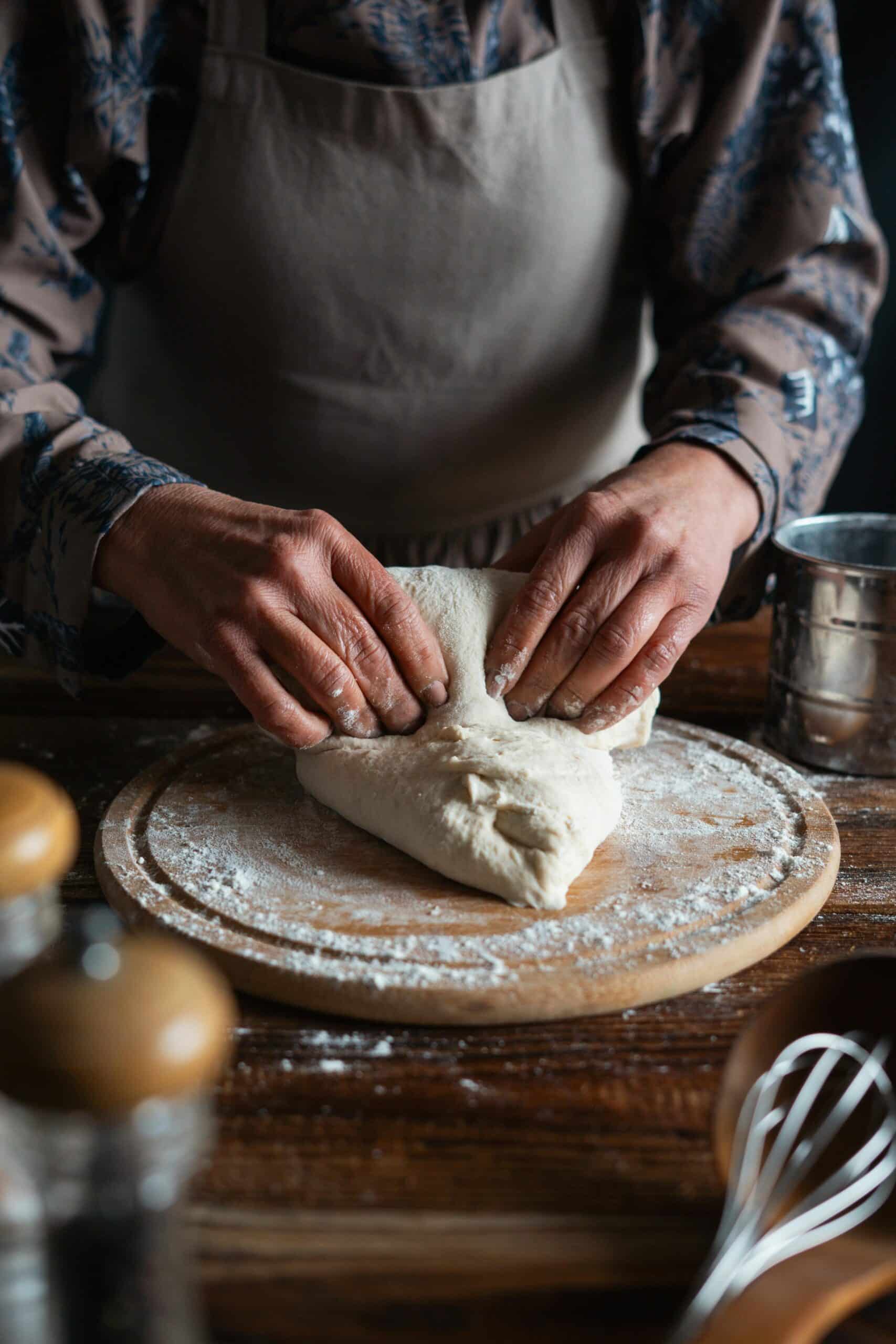
Making authentic Italian pizza begins long before the oven is heated. Dough requires patience, balance, and careful attention to detail. Small adjustments in hydration, fermentation, and handling can dramatically influence the final result.
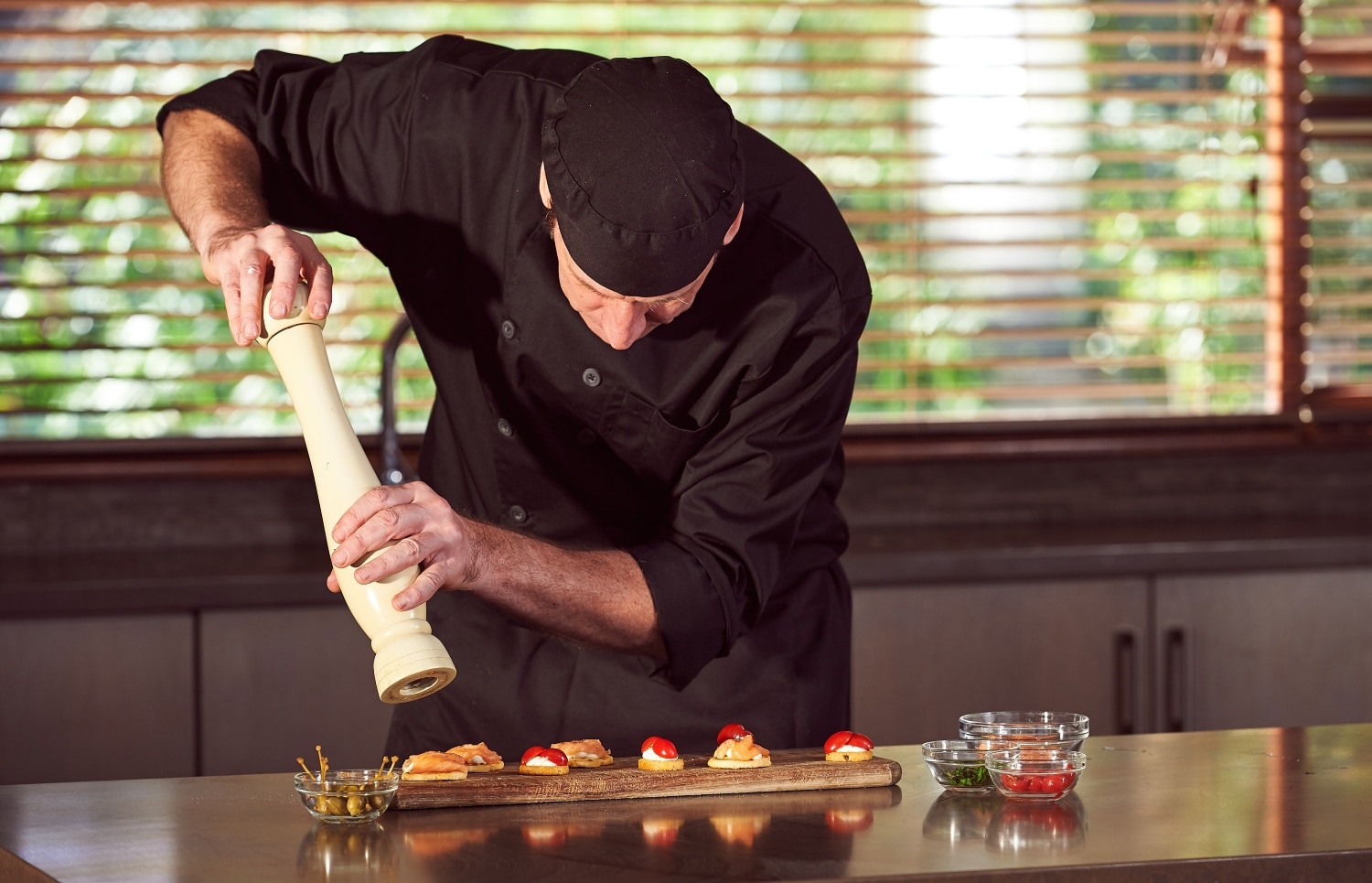
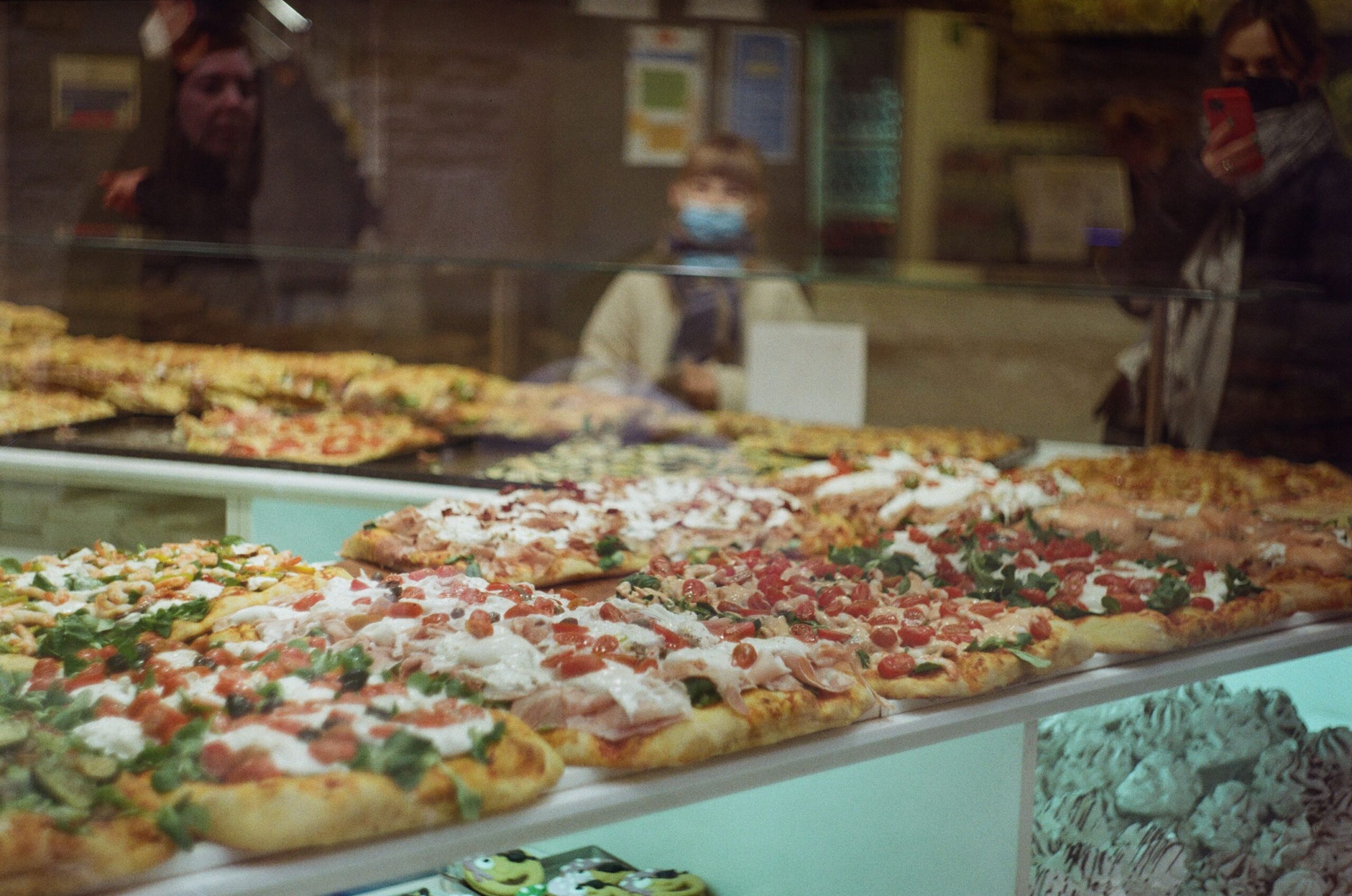
Rather than relying on excessive toppings, Italian pizza celebrates restraint. Fresh mozzarella, ripe tomatoes, fragrant basil, quality olive oil, and seasonal vegetables work together without competing for attention.
Many visitors are surprised to learn that simplicity is often considered the greatest expression of skill. Local experts often point out that choosing fewer ingredients allows each flavor to shine while respecting the traditions that have shaped Italian cooking for centuries.
The Story Behind Authentic Gelato
Although gelato and ice cream may appear similar, they are prepared differently. Authentic gelato typically contains less air, making it denser and allowing natural flavors to stand out more clearly. It is also served at a slightly warmer temperature, creating the smooth texture that has become synonymous with Italian gelato.
Seasonality plays an important role as well. Spring brings strawberries and fresh herbs. Summer introduces peaches, apricots, and berries. Autumn highlights hazelnuts, pistachios, and chestnuts, while winter welcomes rich chocolate and citrus varieties.
Many visitors focus only on choosing flavors, but the deeper story lies in the careful balance between ingredients, temperature, and technique that artisans refine over years of practice.
Experience It Firsthand
Reading about Italian food can only reveal part of the story. Understanding why these traditions continue to thrive becomes much more meaningful when experienced alongside local chefs who have grown up with these recipes and techniques.
Artviva’s Perfect Pizza & Gelato Making Class introduces travelers to the cultural traditions behind two of Italy’s most beloved foods through a welcoming, hands-on experience. Rather than simply following instructions, participants discover how Italian cooking reflects patience, regional identity, and respect for quality ingredients.
Learn more about the experience here:
Perfect Pizza & Gelato Making Class
Many visitors arrive expecting to prepare a meal. They leave with a greater appreciation for the values that define Italian cuisine and the traditions that continue to shape daily life throughout Florence.
A Local Expert Tip
Florentines rarely judge a pizza by the number of toppings. Instead, they notice the balance between the crust, sauce, cheese, and fresh ingredients. The same philosophy applies to gelato, where one carefully prepared flavor often tells a richer story than several combined together.
If you have the opportunity to try seasonal ingredients during your visit, embrace them. Italian chefs build their menus around what nature provides, and each season brings something different to the table.
Practical Travel Advice
Cooking experiences can be enjoyed throughout the year, although each season offers its own atmosphere. Spring and autumn provide comfortable temperatures for exploring Florence before or after your class. Summer brings lively markets filled with fresh produce, while winter offers a quieter setting that many travelers appreciate.
Comfortable clothing is recommended, and it is always helpful to mention dietary preferences when booking so accommodations can be made whenever possible.
Because Florence is highly walkable, allowing extra time to reach your experience lets you settle into the slower pace that defines the city.
Frequently Asked Questions
Is a pizza and gelato making experience suitable for beginners?
Yes. No previous cooking experience is required. Local chefs guide participants through each stage while explaining the traditions behind the techniques.
Is this experience appropriate for families?
Absolutely. Pizza and gelato making appeals to travelers of all ages and offers an engaging way for families to share an authentic Italian cultural experience.
When is the best time of year to take a cooking class in Florence?
Cooking experiences are enjoyable year-round. Spring and autumn offer mild weather, while winter often provides a more intimate atmosphere with smaller groups.
Why learn to make pizza and gelato in Florence?
Learning alongside local chefs provides cultural context that goes far beyond recipes. Visitors gain insight into Italian traditions, regional ingredients, and the values that have shaped generations of home cooking.
How far in advance should I book?
Advance reservations are recommended, especially between April and October, when Florence welcomes the highest number of international visitors.
A Lasting Taste of Florence
Some memories of Florence come from standing before Michelangelo’s David or watching the sunset over the Arno. Others are created around a wooden table, hands dusted with flour, sharing stories while waiting for pizza to emerge from the oven or tasting freshly made gelato for the first time.
These moments offer a deeper connection to the city because they reflect how Florence has always celebrated food as part of everyday life. Recipes, techniques, and traditions continue to pass from one generation to the next, preserving a way of living that values quality, patience, and community.
For travelers who want to experience these traditions with knowledgeable local chefs, Artviva’s Perfect Pizza & Gelato Making Class offers an engaging introduction to one of Italy’s most cherished culinary traditions.
Learn more or reserve your experience here:
Perfect Pizza & Gelato Making Class