Discover Leonardo da Vinci’s Birthplace in Tuscany
Few places in Italy offer such a profound connection between landscape and genius as the rolling hills surrounding Vinci. Long before Leonardo da Vinci transformed art, science, engineering, and anatomy, he was a curious child exploring olive groves, streams, vineyards, and wooded paths in the Tuscan countryside. Visiting Leonardo da Vinci’s birthplace in Tuscany offers more than a glimpse into his early years. It reveals the environment that inspired one of history’s greatest minds.
Nestled between Florence and the Tuscan countryside, the villages of Vinci and Anchiano remain remarkably peaceful. Here, travelers discover that Leonardo’s greatest classroom was nature itself. Every hillside, flowing stream, and changing season encouraged observation, experimentation, and imagination.
For visitors interested in Renaissance history, art, or simply experiencing a quieter side of Tuscany, this journey offers a meaningful perspective on the life of a man whose influence still shapes the modern world.
Why Leonardo da Vinci’s Birthplace in Tuscany Is Worth Visiting
Many travelers admire Leonardo’s paintings in Florence, Milan, or Paris. Yet understanding Leonardo begins not inside a museum but among the landscapes where he grew up.
The Tuscan countryside taught Leonardo to observe carefully. He watched birds in flight, studied the movement of water, examined plants, and questioned how the natural world worked.
Those childhood observations later became the foundation for his inventions, anatomical studies, engineering sketches, and extraordinary artwork.
Walking through Vinci today offers an opportunity to see the same gentle hills that encouraged endless curiosity centuries ago.
Vinci: The Medieval Town That Shaped a Genius
The hilltop town of Vinci remains wonderfully authentic.
Its narrow streets, stone buildings, and panoramic countryside create an atmosphere that feels remarkably unchanged from Leonardo’s childhood.
Visitors quickly understand why Leonardo maintained such a close relationship with nature throughout his life. The surrounding landscape stretches across vineyards, olive groves, forests, and gentle valleys that seem designed for quiet reflection.
The town also celebrates its most famous resident through museums, monuments, and historical displays that help visitors understand both the artist and the scientist.
Rather than overwhelming travelers with artifacts, Vinci invites visitors to appreciate the setting that first inspired Leonardo’s remarkable imagination.
Anchiano: Standing Where Leonardo’s Story Began
Just outside Vinci sits Anchiano, the small hamlet where Leonardo was born in 1452.
His birthplace is modest, especially compared to the grand palaces associated with Renaissance Italy. That simplicity makes the visit particularly moving.
The farmhouse reflects the rural world that surrounded Leonardo during his earliest years. Looking across the surrounding hills, visitors can easily imagine the young boy observing changing light, studying insects, listening to birds, and asking questions that would later shape his life’s work.
Many travelers describe Anchiano as one of Tuscany’s most peaceful destinations.
Its quiet beauty allows Leonardo’s story to feel surprisingly personal.
History & Cultural Context: How Tuscany Shaped Leonardo’s Mind
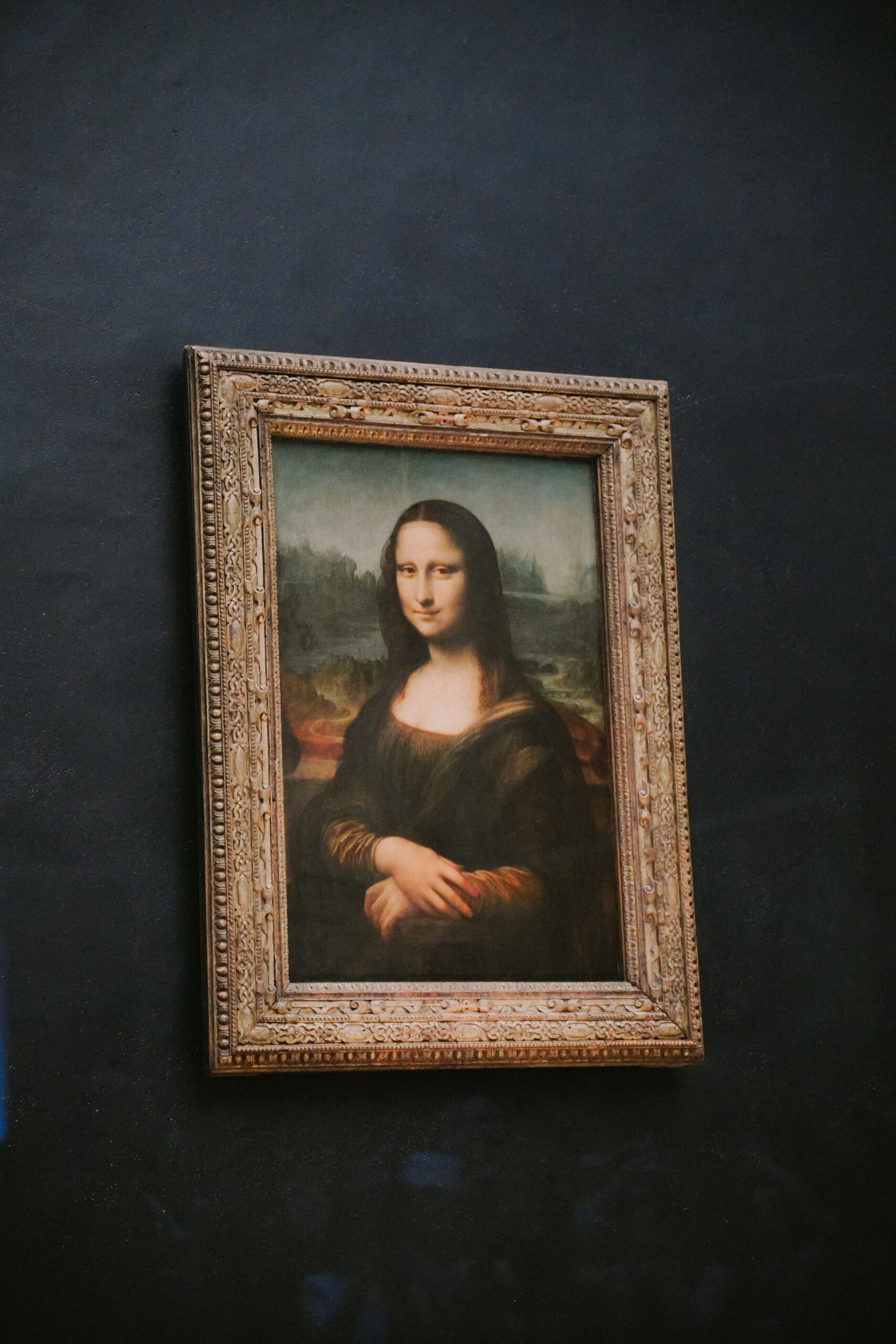
Leonardo da Vinci is often remembered for masterpieces like the Mona Lisa and The Last Supper. Yet his greatest strength was curiosity.
Growing up outside Florence during the Renaissance placed Leonardo at the center of extraordinary intellectual change.
The Renaissance encouraged observation, scientific thinking, artistic innovation, and human creativity.
Leonardo embraced these ideas completely.
He filled notebooks with studies of birds, rivers, plants, machines, anatomy, and architecture because he believed every part of nature had something to teach.
The Tuscan countryside became his first laboratory.
Even centuries later, visitors can recognize many of the landscapes that inspired his endless questions.
Walking Through Leonardo’s Landscape
One of the most rewarding ways to appreciate Leonardo’s early life is by following portions of the historic Green Route connecting Vinci and Anchiano.
This gentle countryside walk passes olive groves, vineyards, stone farmhouses, and quiet woodland.
Unlike many famous Renaissance destinations, these paths remain peaceful.
Walking here encourages the same slow observation that defined Leonardo’s approach to learning.
Notice the changing colors of the hills, the texture of ancient olive trees, and the movement of light across the landscape.
These details help explain why Leonardo remained fascinated by nature throughout his career.
A Taste of Tuscany Along the Way
No visit to Vinci feels complete without enjoying the flavors of the surrounding countryside.
Traditional trattorias focus on seasonal ingredients, handmade pasta, local olive oil, and wines produced on nearby hillsides.
The food reflects the same values found throughout Tuscany: simplicity, quality, and respect for local traditions.
Sharing lunch surrounded by vineyards offers a natural pause before returning to Florence.
Local Expert Tip: Visit During Spring or Early Autumn
Spring fills the countryside with wildflowers and fresh green vineyards.
Autumn brings golden light, grape harvests, olive picking, and comfortable temperatures.
These seasons provide ideal conditions for walking between Vinci and Anchiano while enjoying panoramic views across Tuscany.
Wear comfortable walking shoes, bring water during warmer months, and allow yourself time to simply enjoy the scenery.
The landscape itself is one of the day’s greatest attractions.
Frequently Asked Questions About Leonardo da Vinci’s Birthplace
Where was Leonardo da Vinci born?
Leonardo da Vinci was born in Anchiano, a small hamlet near Vinci in Tuscany, Italy, on April 15, 1452.
Can you visit Leonardo da Vinci’s birthplace?
Yes. Visitors can explore Leonardo’s birthplace in Anchiano as well as the nearby town of Vinci, which celebrates his life through museums and historical sites.
How far is Vinci from Florence?
Vinci is approximately one hour west of Florence by car, making it an excellent half-day or full-day destination.
Is Vinci worth visiting?
Absolutely. Vinci combines Renaissance history, beautiful Tuscan scenery, and a peaceful atmosphere that offers a different perspective from Florence’s busy museums.
Why is Tuscany important to Leonardo da Vinci?
Leonardo’s childhood in Tuscany shaped his lifelong fascination with nature, engineering, anatomy, and artistic observation.
Why Travelers Trust Artviva
Since 1996, Artviva has introduced travelers to Italy through authentic local knowledge, meaningful storytelling, and carefully crafted cultural journeys.
Based in Florence, our team knows Tuscany beyond its famous landmarks. We believe understanding Leonardo means walking the same countryside he explored, hearing the stories behind his discoveries, and experiencing the landscapes that inspired his extraordinary curiosity.
Our licensed local guides combine historical expertise with a genuine passion for sharing Italy’s cultural heritage, creating memorable days that balance learning, relaxation, and authentic Tuscan hospitality.
Discover Leonardo’s Tuscany with Artviva
Leonardo once wrote that wisdom begins with observation.
Few places allow travelers to observe the world as he did quite like the quiet hills surrounding Vinci and Anchiano.
If you want to discover the landscapes that inspired one of history’s greatest minds, explore Artviva’s The Genius of Leonardo Da Vinci Tour – Tuscan Birthplace, where local experts bring his remarkable story to life through history, nature, and the timeless beauty of Tuscany.