Following Leonardo da Vinci Through Tuscany: The Landscapes That Inspired a Genius
Few people in history have captured the imagination quite like Leonardo da Vinci. Painter, inventor, engineer, scientist, and visionary, Leonardo represented the limitless curiosity of the Renaissance — a time when art and science were deeply connected, and creativity had no boundaries.
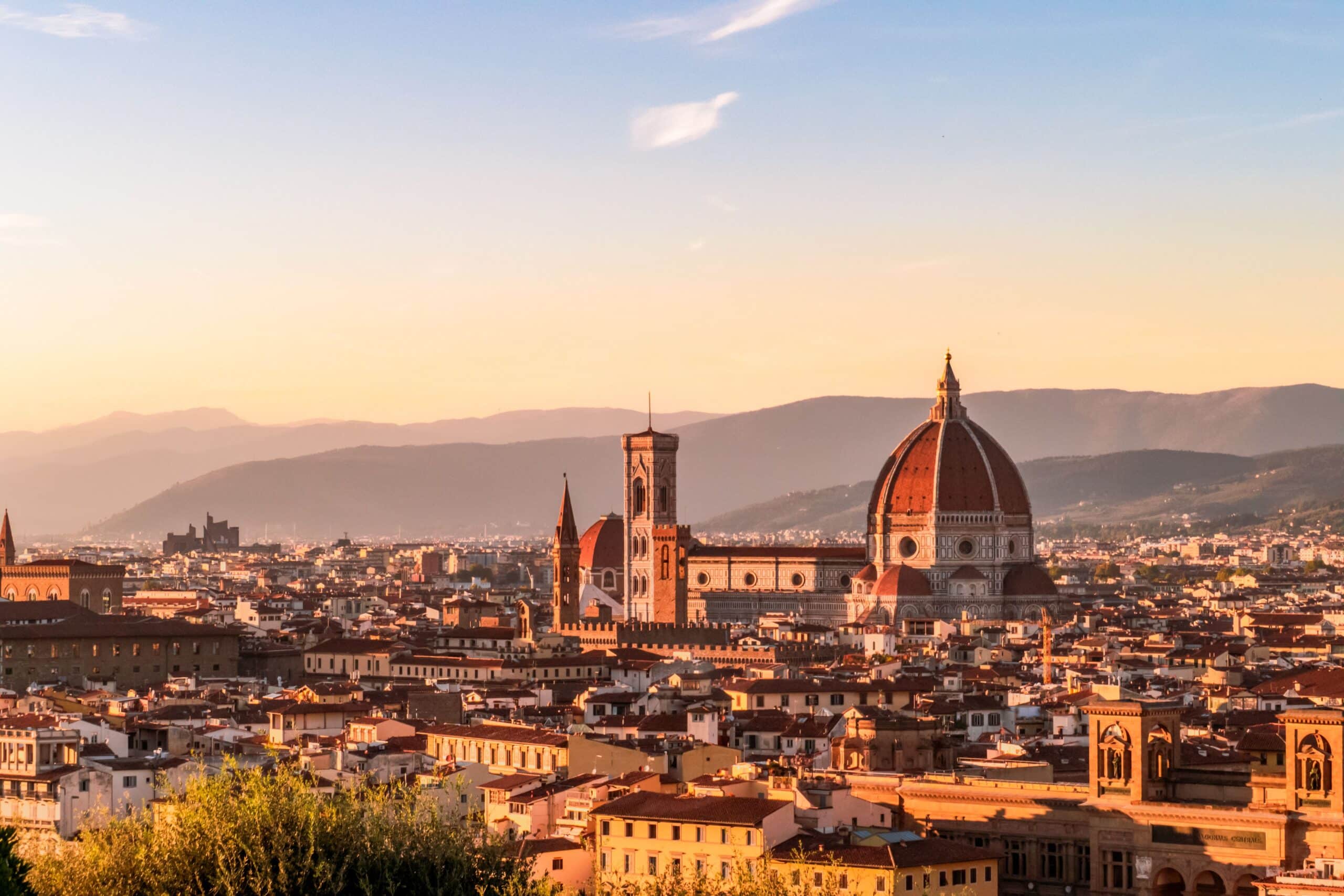
While millions of travelers visit Florence to admire Renaissance masterpieces, fewer venture into the Tuscan landscapes that shaped Leonardo’s earliest years. Beyond the famous museums and historic city centers lies a quieter side of Tuscany, where rolling hills, medieval villages, and rural traditions reveal the environment that influenced one of history’s greatest minds.
From Leonardo’s birthplace in Vinci to the architectural wonders of Pisa and the timeless streets of Lucca, these destinations offer a deeper look into Tuscany’s relationship with innovation, creativity, and cultural heritage.
Vinci: Discovering the Birthplace of Leonardo da Vinci
Hidden among the hills of Tuscany, the small town of Vinci offers a glimpse into the world that surrounded Leonardo during his childhood. Unlike the larger Renaissance cities nearby, Vinci remains peaceful and closely connected to the countryside.
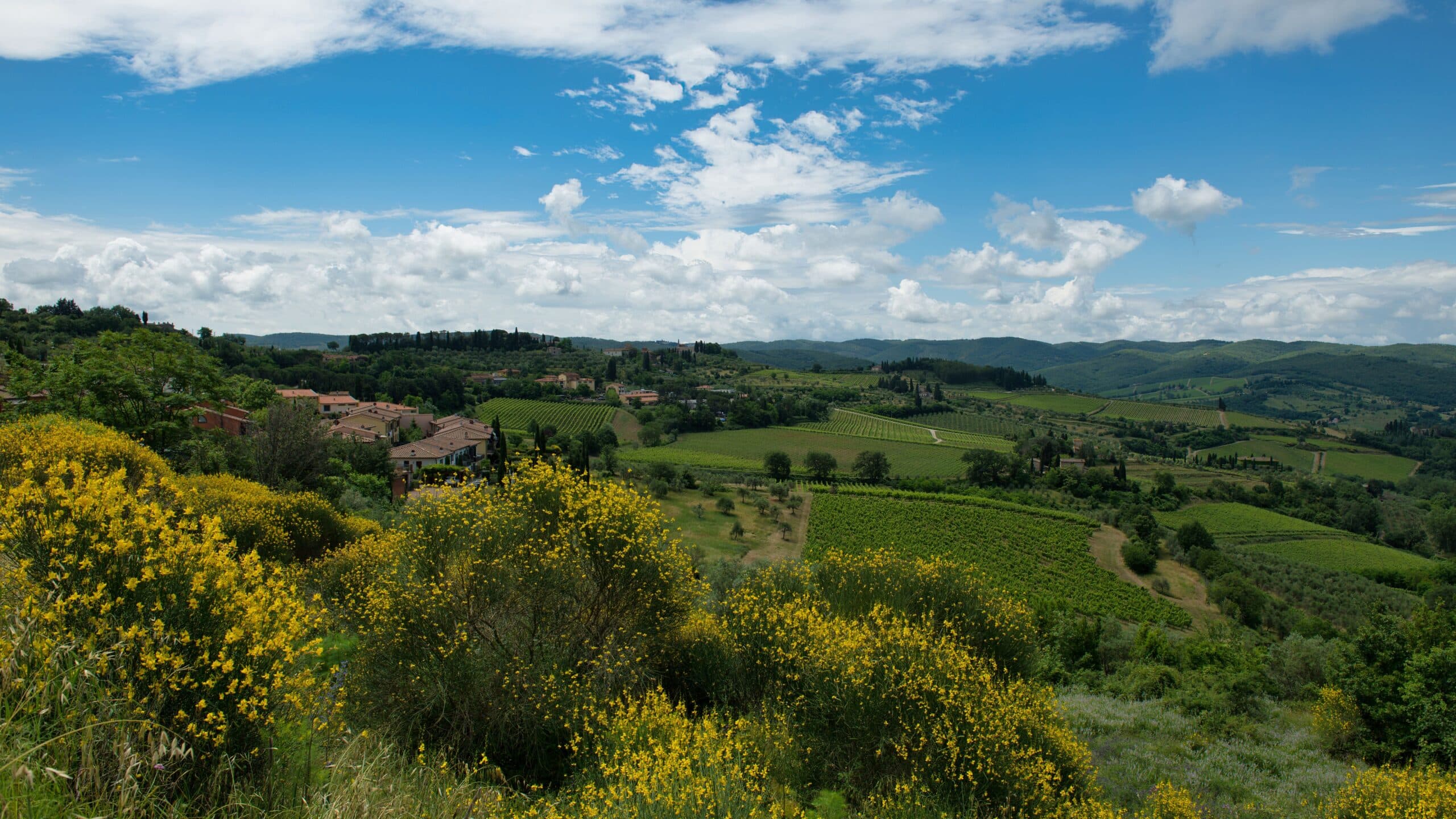
The landscape here feels remarkably similar to what Leonardo would have known in the fifteenth century. Olive groves stretch across the hillsides, streams wind through valleys, and the natural world remains an important part of everyday life.
For Leonardo, this environment became a lifelong source of inspiration.
His curiosity began with observation. He studied the movement of water, the flight of birds, the structure of plants, and the mechanics of the natural world around him. The countryside was not simply where he lived — it was his first laboratory.
The Legacy of Leonardo’s Curiosity
Leonardo da Vinci’s genius came not only from his artistic talent but from his ability to connect different areas of knowledge.
His notebooks reveal thousands of sketches and ideas exploring topics that ranged from anatomy and architecture to engineering and flight.
He studied:
- How birds moved through the air while imagining flying machines
- How water flowed while designing hydraulic systems
- How the human body functioned while creating more realistic artwork
- How machines could improve daily life through engineering
What makes Leonardo extraordinary is the way he approached the world. He did not separate science from art. Instead, he viewed everything as connected.
Visiting Vinci provides a unique perspective on how the Tuscan landscape encouraged this way of thinking — through observation, experimentation, and endless curiosity.
Exploring Leonardo’s World in Vinci
The heart of Leonardo’s story in Vinci can be discovered through the town’s museums and historic sites.
The Museo Leonardiano brings many of his ideas to life through models based on his original drawings and notes. Visitors can explore reconstructions of his mechanical inventions, engineering concepts, and studies of movement.
Beyond the museum itself, the town offers something equally meaningful: a sense of place.
Walking through Vinci allows visitors to experience the quiet countryside, stone buildings, and landscapes that surrounded Leonardo during his formative years.
It is a reminder that great ideas often begin in simple places.
Pisa: A City of Architecture, Science, and Discovery
Many travelers associate Pisa only with its famous Leaning Tower, but the city’s story is much larger.
During the Middle Ages, Pisa was one of Italy’s most powerful maritime republics. Its wealth and influence helped create some of the most impressive architectural achievements in Tuscany.
The Piazza dei Miracoli remains the city’s greatest symbol. The collection of monuments here represents centuries of artistic ambition and engineering skill.
Visitors can admire:
- The Leaning Tower of Pisa
- The Cathedral of Santa Maria Assunta
- The Baptistery of St. John
- The Monumental Cemetery
Together, these buildings demonstrate the same spirit of creativity and innovation that defined Renaissance Italy.
Although Pisa attracts visitors from around the world, taking time to understand its history reveals a city far richer than a single landmark.
Lucca: Tuscany’s Hidden Gem of History and Everyday Life
While Florence and Pisa often dominate Tuscany itineraries, Lucca offers a quieter and more intimate experience.
Surrounded by beautifully preserved Renaissance walls, Lucca feels like a city where history and modern life exist side by side. Locals still gather in neighborhood cafés, bicycles move through narrow streets, and centuries-old buildings remain part of daily routines.
One of the city’s greatest treasures is its Renaissance wall system, which has been transformed into a peaceful walking path overlooking the historic center.
Inside the walls, visitors discover:
- Piazza dell’Anfiteatro
- Medieval towers
- Historic churches
- Artisan shops
- Traditional cafés and wine bars
Lucca’s charm comes from its authenticity. It does not feel like a city preserved only for visitors — it feels alive.
Why These Tuscan Landscapes Matter
The connection between Vinci, Pisa, and Lucca reveals something important about Tuscany: its beauty has always been connected to creativity.
Leonardo’s story began in the countryside, but the ideas he developed reflected a much larger cultural movement that shaped Europe.
Architecture, art, engineering, and nature were never separate here. They existed together.
Traveling through these destinations allows visitors to experience Tuscany not just as a collection of famous sights, but as a place where curiosity and craftsmanship have shaped generations.
Best Time to Explore Leonardo’s Tuscany
Each season offers a different perspective on these landscapes.
Spring brings green hills, blooming flowers, and comfortable temperatures ideal for exploring villages and countryside roads.
Summer offers long days and vibrant energy, though visiting earlier in the morning or later in the afternoon can help avoid the busiest periods.
Autumn is one of the most beautiful seasons in Tuscany, with golden landscapes, harvest traditions, and softer light.
Winter provides a quieter atmosphere, allowing travelers to experience historic towns with fewer crowds and a slower pace.
Experience Leonardo’s Tuscany with Artviva
Understanding Tuscany’s history becomes even more meaningful when experienced through the perspective of those who know the region best. Artviva’s private journeys connect travelers with the landscapes, stories, and cultural traditions that shaped destinations like Vinci, Pisa, and Lucca.
With local guides, thoughtful planning, and a deeper understanding of Tuscany’s heritage, visitors can experience these places beyond the surface and discover the connections between creativity, history, and the land itself.
Why Artviva Is Trusted
For over 25 years, Artviva has helped travelers discover Italy through authentic, locally connected experiences. Founded in Florence in 1996, Artviva combines deep regional knowledge with trusted relationships throughout Tuscany.
Rather than focusing only on famous landmarks, Artviva creates meaningful journeys built around storytelling, culture, and personal connection. Their local expertise allows travelers to uncover the hidden details, historical context, and authentic moments that make Italy truly unforgettable.
Discover the Tuscany That Inspired Leonardo da Vinci
Follow in Leonardo’s footsteps and explore the landscapes, villages, and cultural treasures that reveal the creativity and curiosity at the heart of Tuscany. Discover Artviva’s Leonardo Da Vinci, Pisa & Lucca Tour for a journey through the places that continue to inspire travelers centuries later.