
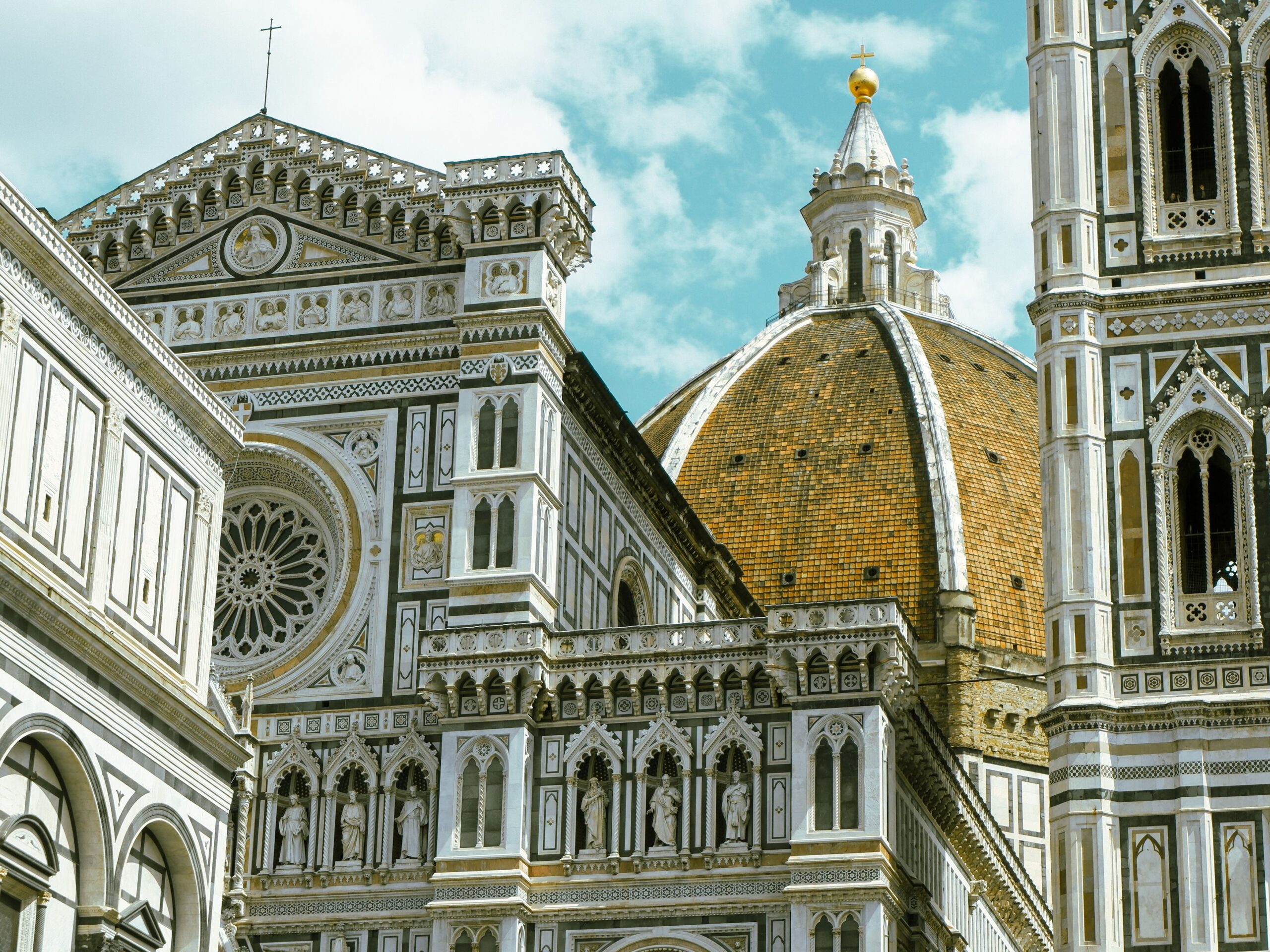
Life in Medieval and Renaissance Florence
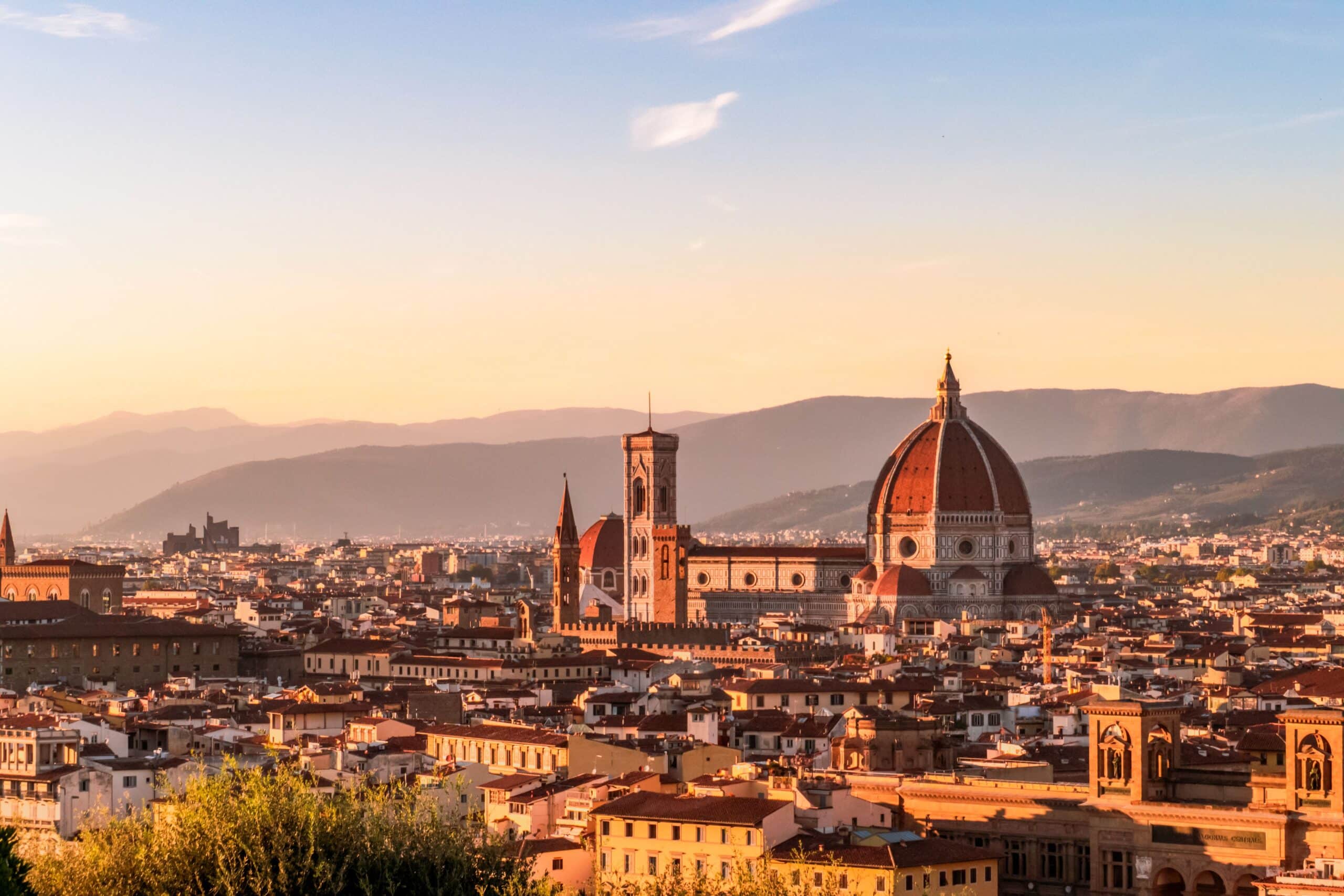
Medieval and Renaissance Florence is often remembered for its art and architecture, yet the deeper story lies in how people actually lived. Behind the marble façades and frescoed chapels, Florentines moved through a city shaped by guilds, faith, trade, and survival.
Daily life unfolded through tightly woven systems of work and belonging. Merchants measured risk and opportunity in crowded piazzas, families maintained households built on reputation and alliances, and religious life structured the rhythm of time itself. Markets, bells, and public rituals formed the background of an existence that was both highly organized and constantly uncertain.
What most visitors overlook is this human layer beneath the monuments. Florence was not only a center of artistic achievement, but a living social ecosystem where identity, labor, and belief were inseparable.
Medieval and Renaissance Florence Daily Life Cultural Foundations
Florence grew into one of Europe’s most dynamic cities through commerce and craft. Guilds regulated nearly every profession, from wool merchants to bakers, ensuring both quality and social order. These organizations were not just economic bodies. They shaped identity, civic pride, and even religious expression.
Life unfolded in dense neighborhoods where workshops sat below living quarters. Families worked together, and reputation mattered as much as wealth. Marriage alliances, contracts, and apprenticeship systems formed the backbone of stability.
Religion shaped daily time. Church bells marked hours, festivals structured the year, and charitable institutions helped define social responsibility. The city’s rhythm was not abstract. It was audible, visible, and constant.
How Florence’s Past Still Shapes Its Present Identity
Understanding daily life in Florence changes how the city is experienced today. The palaces and churches become more than monuments. They become records of human behavior, ambition, and adaptation.
What most travelers never realize is that Florence functioned as a prototype for modern urban life. Banking systems, professional networks, and cultural sponsorship all developed here in ways that still influence Europe today.
When viewed through this lens, Florence is not frozen in history. It is a working model of how societies organize power, creativity, and survival.
Local Expert Perspective on Medieval and Renaissance Florence Daily Life
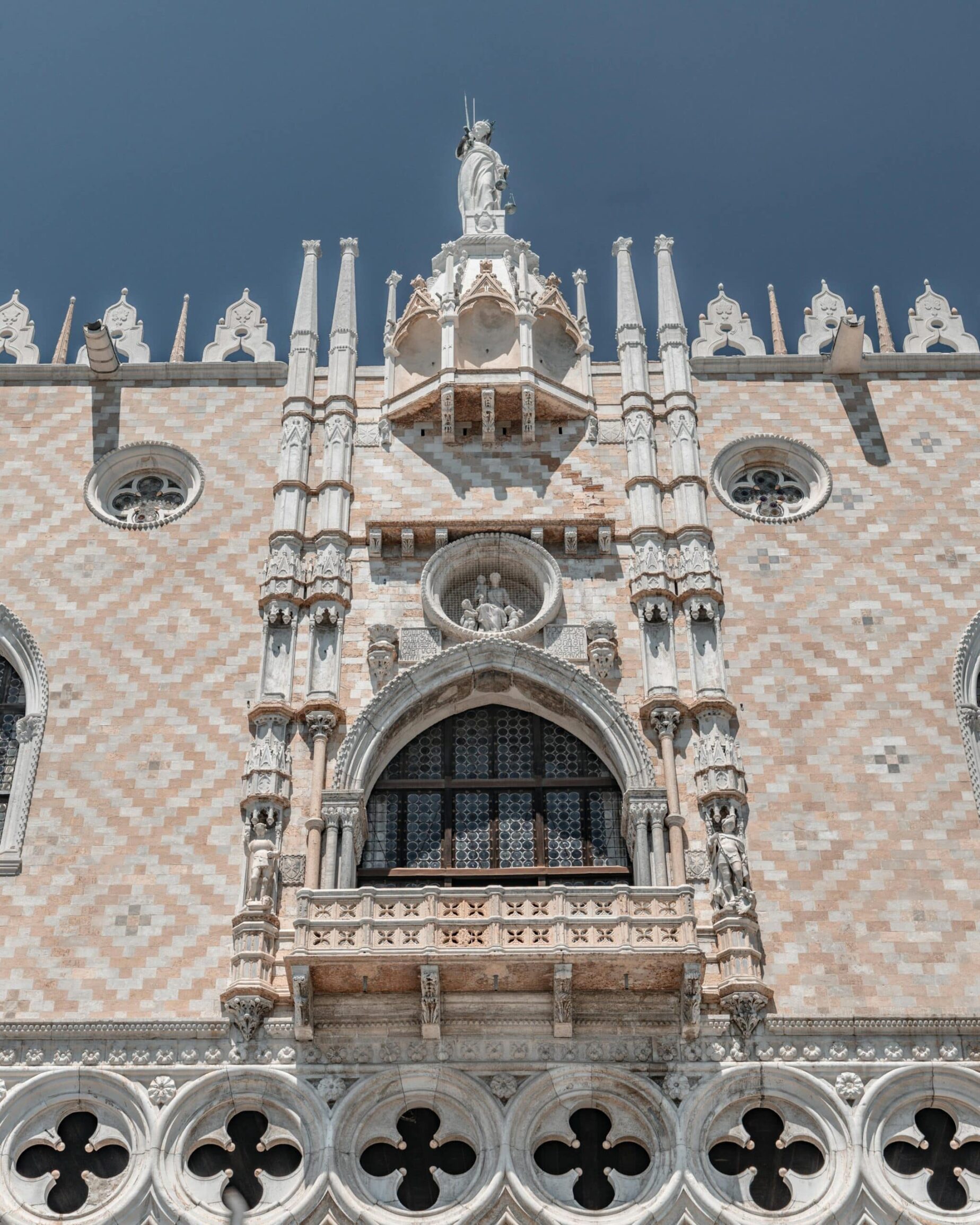
Local experts often point out that the most revealing details are not the grand artworks but the small architectural choices. A widened doorway, a carved family crest, or a hidden courtyard often says more about status and daily life than a famous fresco.
The deeper story lies in how ordinary Florentines experienced uncertainty. The Black Plague reshaped behavior, inheritance patterns, and even literature. Boccaccio’s world was not theoretical. It was lived experience, reflected in fear, adaptation, and storytelling that still resonates today.
Practical Travel Advice for Understanding Historic Florence
To truly understand Florence, slow observation matters more than coverage. The historic center rewards attention to detail, especially in areas where guild symbols still appear on stone façades.
Visitors often rush between major landmarks, yet the social history of the city reveals itself in quieter streets and less dramatic spaces. Reading plaques, noticing architectural layers, and understanding how buildings evolved over time creates a clearer picture of daily life.
Comfortable walking shoes are essential, as much of historic Florence is best understood on foot, at a measured pace.
Seasonal Considerations
Florence changes its character with the seasons in ways that reflect historical rhythms.
Spring and early summer highlight outdoor civic life, echoing medieval markets and public gatherings. Autumn brings a slower atmosphere that mirrors harvest cycles that once defined economic survival. Winter, with fewer crowds, allows for a more reflective experience of enclosed spaces and interior histories, where family and faith dominated daily routines.
Frequently Asked Questions
What was daily life like in medieval Florence?
Daily life was structured around guild work, family responsibilities, and religious practice. Most citizens lived and worked in the same buildings, creating tightly connected communities.
How did the Black Plague affect Florence?
The Black Plague reshaped population structures, economic systems, and cultural expression. It influenced literature, social mobility, and long-term urban development.
Why were guilds important in Florence?
Guilds regulated trade, protected professional standards, and influenced political power. They were central to both economic life and civic identity.
Can you still see evidence of medieval Florence today?
Yes, much of Florence still reflects its medieval and Renaissance structure through architecture, symbols, and street layouts that preserve historical patterns of life.
Understanding Florence Beyond Its Monuments
Florence becomes more meaningful when viewed through the lens of daily life. The city’s true identity emerges not only in its art, but in the routines, pressures, and ambitions of the people who built it.
What most visitors never realize is that every stone in the historic center carries traces of lived experience. The deeper story lies in how ordinary lives shaped extraordinary cultural change.
For travelers who want to move beyond surface impressions, Florence rewards curiosity with depth at every turn. Those who choose to explore it with knowledgeable local experts often leave with a completely different understanding of the city.
To experience Florence in this way and uncover the human stories behind its history, Artviva offers thoughtfully guided cultural experiences designed to bring the city’s past into focus with clarity and insight.
Learn more about Artviva’s Life in Medieval and Renaissance Florence Tour and reserve your spot.
Why Artviva Is Trusted for Deep Cultural Interpretation
Understanding Florence at this level requires more than historical knowledge. It demands long-standing local relationships, scholarly interpretation, and the ability to connect architecture, archives, and lived experience into a coherent story.
Artviva has been based in Florence since 1996, working with historians, researchers, and specialists who bring academic rigor together with accessible storytelling. Over decades, this network has developed access to spaces, narratives, and perspectives that are rarely available through general travel channels.
The focus is not simply on visiting places, but on interpreting them in context. This approach allows visitors to understand not just what they are seeing, but why it mattered, how it functioned, and how it shaped the city over time.