
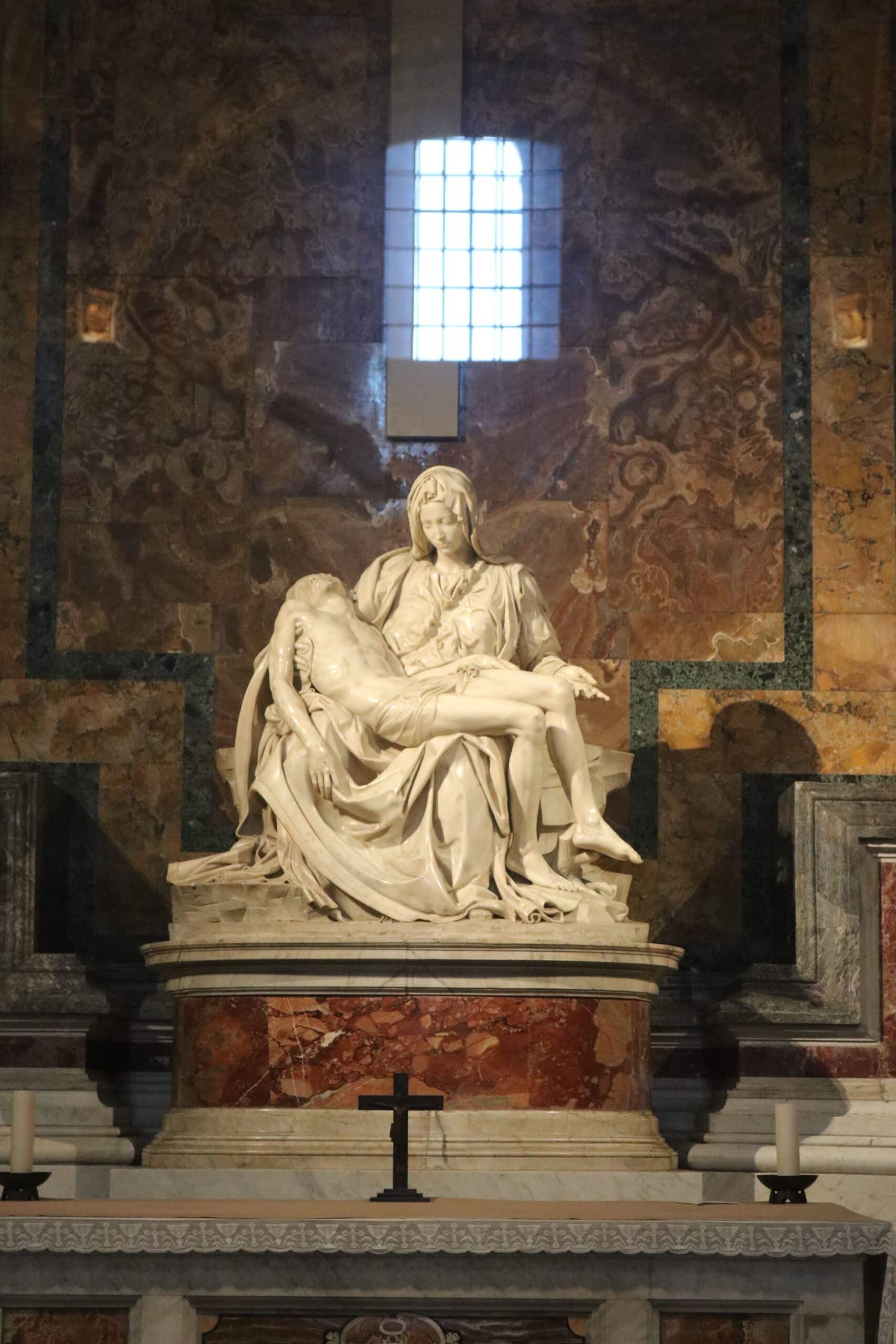
Michelangelo is often remembered as a solitary genius, carving marble into figures that still astonish visitors centuries later. Yet even the greatest artists rarely worked alone. Behind many of the Renaissance’s most celebrated masterpieces stood powerful families whose support, expectations, and ambitions shaped the course of artistic history.

Nowhere was that relationship more influential than in Florence, where the Medici family transformed the city into a center of creativity, learning, and political power. Their patronage helped launch Michelangelo’s career, introduced him to some of the greatest thinkers of the Renaissance, and provided opportunities that changed both his life and the future of Western art.

Many visitors admire Michelangelo’s sculptures without realizing how deeply his story is intertwined with the Medici. The marble tells only part of the story. The people who commissioned the works, opened doors for young artists, and used art to strengthen their influence reveal another side of Renaissance Florence that is often overlooked.

Understanding that relationship allows travelers to see familiar monuments in a new light. Buildings become places where political decisions shaped artistic careers. Sculptures become expressions of both personal genius and powerful patronage. Florence itself becomes more than an open-air museum. It becomes the stage on which one of history’s most important artistic partnerships unfolded.

Quick Answer

Michelangelo’s relationship with the Medici family helped shape his education, artistic development, and some of his greatest commissions. Their patronage introduced him to classical art, influential scholars, and the cultural environment that defined Renaissance Florence. Exploring this relationship offers a deeper understanding of both Michelangelo’s masterpieces and the city that inspired them.

History & Cultural Context

The Renaissance flourished because artists, architects, philosophers, and scientists worked within a society that valued learning and innovation. Florence became the movement’s heart largely because of one family.

The Medici were bankers, politicians, and patrons whose influence reached far beyond Tuscany. They invested in churches, libraries, universities, architecture, and the arts, believing that culture strengthened both the city and their own legacy. Their support attracted extraordinary talent and helped turn Florence into one of Europe’s leading intellectual centers.

Among the young artists who benefited from this environment was Michelangelo Buonarroti.

As a teenager, Michelangelo entered the Medici household, where he studied classical sculpture and was surrounded by philosophers, poets, and humanist scholars. Rather than learning only technical skills, he became immersed in ideas about beauty, history, and the human experience that would influence his work for the rest of his life.

What many travelers never realize is that Michelangelo’s education extended far beyond the workshop. Living within the Medici circle exposed him to conversations that shaped the Renaissance itself. Ancient sculpture, classical literature, and philosophical debate all became part of his artistic language.

This period laid the foundation for masterpieces that continue to define Florence today.

A Relationship That Was Never Simple

Although the Medici provided remarkable opportunities, Michelangelo’s relationship with the family was far from straightforward.

Political upheaval repeatedly changed Florence’s balance of power. Governments rose and fell. Alliances shifted. Artists often found themselves caught between loyalty, personal ambition, and changing political realities.

Michelangelo experienced these tensions throughout his career. At different moments he worked closely with the Medici, distanced himself from them, and later accepted important commissions once again. These changing circumstances influenced not only where he worked but also the subjects he created and the legacy he left behind.

Rather than viewing Michelangelo as an isolated genius, understanding these relationships reveals him as an artist navigating a rapidly changing world where creativity and politics were inseparable.

The Medici Vision for Florence

The Medici did not simply collect works of art.

They believed that supporting painters, sculptors, architects, and scholars strengthened Florence’s reputation across Europe. Public buildings reflected civic pride. Churches demonstrated devotion and prestige. Sculpture celebrated both religious ideals and political influence.

This vision transformed Florence into a city where artistic excellence became part of everyday life.

Many of the landmarks visitors admire today exist because generations of patrons invested in culture as carefully as they invested in commerce. Their legacy survives not only in museums but also in the streets, churches, and palaces that continue to define the city’s identity.

Local experts often point out that understanding Florence means looking beyond individual masterpieces. The deeper story lies in the people who created the conditions for those masterpieces to exist.

Why It Matters Today

Centuries after the Renaissance, the relationship between Michelangelo and the Medici continues to shape how people experience Florence.

Visitors naturally seek out iconic sculptures and famous churches, yet those works become even more meaningful when viewed within the broader story of artistic patronage. Knowing why a commission was created, who supported it, and what it represented reveals layers of meaning that are easy to miss at first glance.

This perspective also reminds travelers that the Renaissance was never only about extraordinary artists. It was built through collaboration between creators, patrons, scholars, and political leaders whose shared ambition transformed an entire city.

Florence remains one of the few places where those connections can still be experienced in the very spaces where history unfolded.
Local Expert Tip

Many travelers visit Florence hoping to see Michelangelo’s most famous works, but local historians often encourage visitors to look beyond the finished sculptures. The real story includes the patrons, scholars, and political figures who influenced the artist throughout his career. Understanding these relationships adds another layer of meaning to places that might otherwise seem like beautiful landmarks. What many visitors overlook is that Florence’s greatest masterpieces were often the result of collaboration between artistic talent and visionary patronage.

Experience It Firsthand

Reading about Michelangelo and the Medici offers valuable historical context, but walking through the places connected to their relationship reveals details that are difficult to appreciate from books alone. Architecture, sculpture, and the city’s streets begin to tell a richer story when viewed through the lens of Renaissance politics, artistic ambition, and family influence.

Artviva’s Michelangelo in Florence: Medici Family Patronage Experience explores these connections through the guidance of an expert historian, helping visitors understand how Florence became the birthplace of one of history’s greatest artistic partnerships. Rather than simply admiring monuments, guests gain a deeper appreciation for the ideas, people, and historical events that shaped Michelangelo’s career while preserving the sense of discovery that makes the experience so rewarding.

Learn more about the experience here:

Michelangelo in Florence Tour – Medici Family Patronage

As with many of Florence’s greatest stories, the deeper significance often lies beneath the surface. Exploring these places alongside knowledgeable local experts helps connect individual works of art to the broader history of the Renaissance in ways that many independent visitors never have the opportunity to experience.

Practical Travel Advice

Michelangelo’s legacy can be explored throughout Florence, making it worthwhile to spread visits across several days rather than trying to see everything at once. Giving yourself time between museums, churches, and historic sites allows the stories behind each place to develop naturally instead of blending together.

Comfortable walking shoes are essential, as many historic streets remain paved with centuries-old stone. Booking museum tickets in advance is also recommended during spring, summer, and major holiday periods when Florence welcomes its largest number of visitors.

Many travelers focus only on famous masterpieces, but allowing time to explore the historical context behind them often creates a far more memorable experience. Understanding the connections between artists, patrons, and politics offers a richer appreciation of the city than simply checking landmarks off an itinerary.

Seasonal Considerations

Spring

Spring brings comfortable temperatures and longer daylight hours, making it one of the best seasons to experience Florence’s museums, churches, and historic neighborhoods while enjoying the city on foot.

Summer

Summer is Florence’s busiest travel season. Visiting cultural sites earlier in the day can provide a more relaxed experience before afternoon crowds build. Museums also offer a welcome escape from the summer heat.

Autumn

Autumn combines pleasant weather with slightly smaller crowds, creating excellent conditions for travelers interested in Renaissance history and architecture. The city’s slower pace often allows more time to appreciate the stories behind its landmarks.

Winter

Winter offers a quieter atmosphere that many cultural travelers enjoy. Museums and historic churches are generally less crowded, making it easier to spend time studying Michelangelo’s work and Florence’s remarkable artistic heritage.

Frequently Asked Questions

What was Michelangelo’s relationship with the Medici?

Michelangelo spent part of his youth under Medici patronage, where he studied classical sculpture and interacted with leading Renaissance scholars. Their support played an important role in his artistic development and later commissions.

Why were the Medici important to Renaissance art?

The Medici invested heavily in artists, architects, writers, philosophers, and scientists. Their patronage helped transform Florence into one of Europe’s greatest cultural centers and supported many of the Renaissance’s most influential figures.

Which Michelangelo works are connected to the Medici?

Among the most significant are the sculptures in the New Sacristy at San Lorenzo, created for the Medici family. These works remain some of Michelangelo’s greatest artistic achievements.

Is learning about Medici patronage important for understanding Florence?

Yes. Understanding the relationship between artists and patrons provides valuable context for many of Florence’s churches, palaces, sculptures, and public spaces, revealing how politics, wealth, and creativity shaped the Renaissance.

Why explore this history with an expert guide?

Many visitors admire Florence’s monuments without fully understanding the stories behind them. Expert interpretation helps connect people, places, and events, revealing details that are often overlooked when exploring independently.

Conclusion

Florence became one of history’s greatest artistic cities because extraordinary talent met extraordinary opportunity. Michelangelo’s genius undoubtedly shaped the Renaissance, but his story cannot be separated from the patrons who recognized his ability, challenged his ambitions, and helped create an environment where remarkable art could flourish.

Centuries later, that relationship continues to define the city. Churches, palaces, sculptures, and public spaces still reflect the partnership between artistic vision and Medici influence. For travelers, understanding these connections transforms Florence from a collection of beautiful monuments into a living story of creativity, ambition, and cultural change.

Those who wish to explore this remarkable history in greater depth can discover it through Artviva’s Michelangelo in Florence: Medici Family Patronage Experience, where expert historical interpretation brings the relationship between Michelangelo and the Medici vividly to life while preserving the sense of curiosity and discovery that makes Florence unforgettable.

Learn more here:

Michelangelo in Florence Tour – Medici Family Patronage


So, Are You Ready?

Keep Exploring