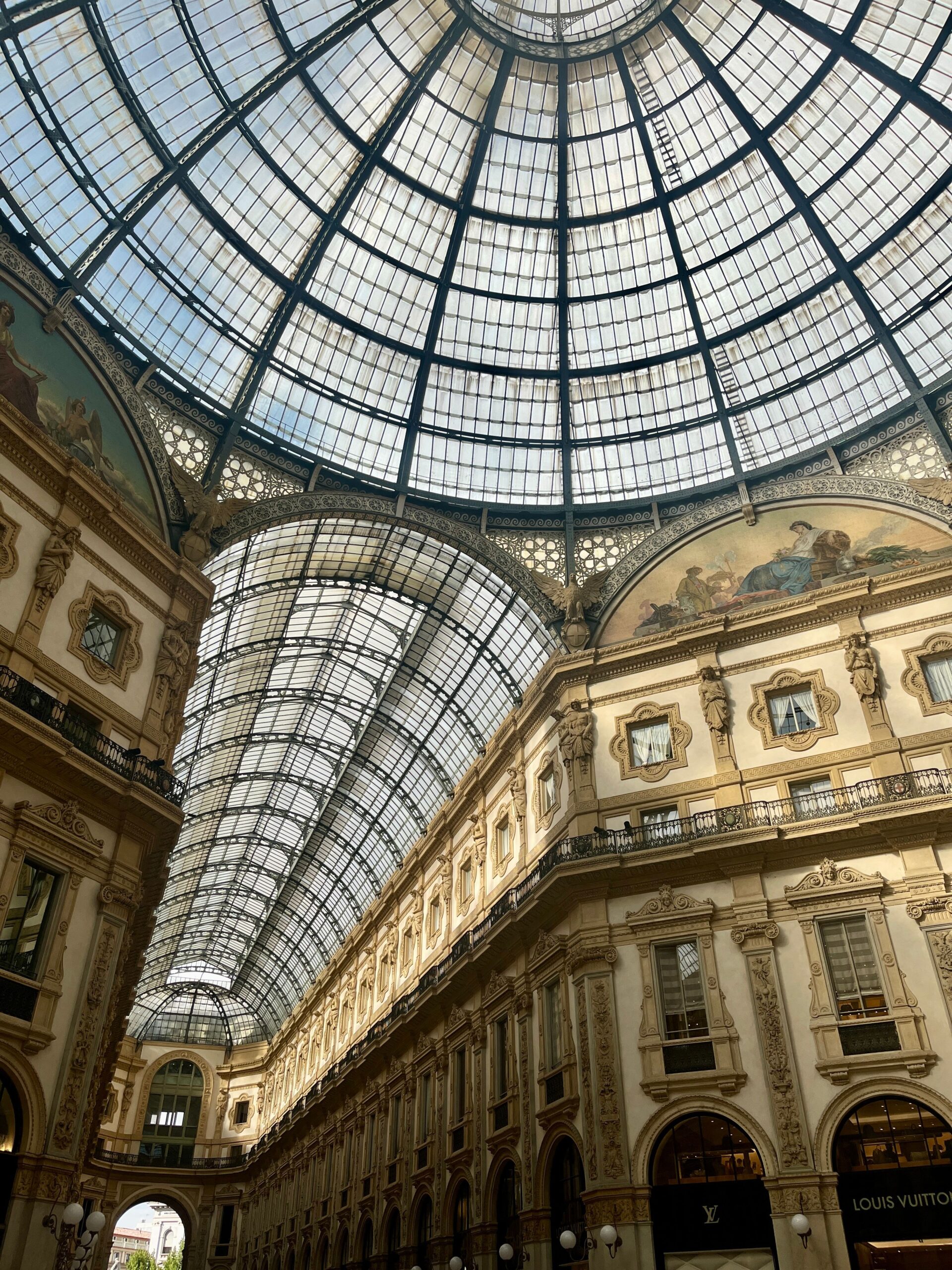
Where Milan’s Design Thinking Comes to Life
In Milan, design is not treated as a category of culture. It is the structure beneath it. The city’s identity is built through objects, spaces, materials, and ideas that constantly evolve in real time.
Behind the polished storefronts and internationally recognized brands, there is another Milan that most visitors never see. It is a city of working studios, where designers test proportions, challenge materials, and refine concepts long before anything reaches the public eye.
This is where Italian design culture becomes something lived rather than observed.
Milan as a Living Laboratory of Design
Milan functions less like a traditional capital and more like a creative ecosystem. Fashion houses, furniture makers, industrial designers, and independent studios all operate within the same cultural rhythm, often influencing one another in subtle but powerful ways.
Many visitors overlook how interconnected these disciplines are. A textile innovation can shift interior design trends. A furniture concept can influence fashion silhouettes. Ideas move fluidly across industries, creating a constant state of creative exchange.
Unlike cities defined by historic monuments, Milan is defined by process. Sketching, testing, prototyping, and refining are part of the visible culture of the city, not hidden behind it.
The Philosophy Behind Italian Design Thinking
Italian design is often misunderstood as purely aesthetic, but its foundation is deeply intellectual. It is shaped by a balance of function, proportion, and emotional clarity. Every object is considered not only for how it looks, but for how it behaves in daily life.
Local experts often point out that Milanese designers rarely begin with a finished vision. Instead, they begin with intent: how should something feel in the hand, how should it occupy space, how should it age over time.
This approach creates objects that feel simple at first glance but reveal complexity through use. The refinement is rarely obvious, but it is always intentional.
Inside the Creative Process of Milan’s Studios
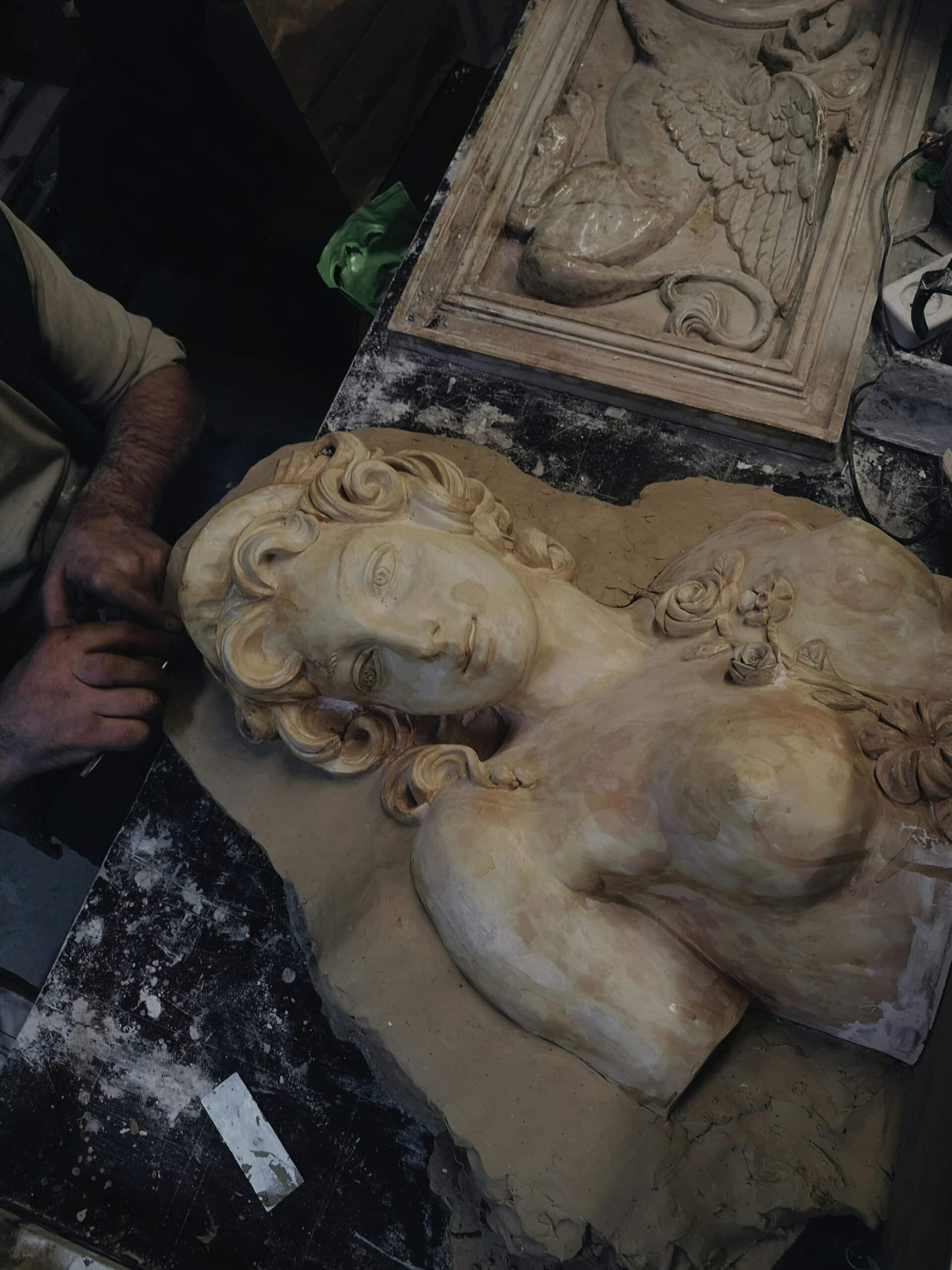
Within Milan’s working studios, design is not a solitary act. It is a dialogue. Ideas are discussed, challenged, and reshaped continuously as materials are introduced and tested.
What most travelers never realize is how iterative the process is. A concept may pass through multiple versions before settling into its final form. Materials influence decisions as much as sketches do. Even small adjustments in weight, texture, or balance can change the direction of an entire piece.
There is also a strong acceptance of experimentation. Nothing is considered final too early, and the process itself is treated as a form of learning rather than a linear path to completion.
Why Milan Still Defines Global Creative Culture
Milan remains one of the world’s most influential design cities because it does not separate tradition from innovation. Historic craftsmanship continues to inform contemporary production, while new technologies expand what is possible within the same creative language.
The city’s strength lies in this tension. A deep respect for material heritage exists alongside a constant push toward reinvention.
The experience of Milan becomes clearer when viewed through this perspective. It is not simply a place where style is produced, but where style is continuously questioned and redefined.
What Most Visitors Miss About Milan’s Creative Identity
For many travelers, Milan is experienced through its finished surfaces: fashion districts, galleries, showrooms, and curated displays. These represent only the final layer of a much larger creative system.
The deeper story lies in the working spaces behind those surfaces. Small studios, often unmarked or discreet, are where experimentation actually happens. Here, designers are less concerned with presentation and more focused on problem-solving, material behavior, and conceptual development.
Understanding this hidden structure changes how the entire city is perceived. Even a simple storefront begins to feel like the end result of a long creative conversation.
When Milan’s Creative Energy Feels Most Alive
Milan’s design culture does not remain static throughout the year. At certain times, the city becomes more outward-looking and experimental, with increased dialogue between disciplines and a stronger sense of creative momentum.
At other moments, the rhythm slows, allowing for more focused development within studios. Both states reveal different aspects of the city’s identity — one expressive, the other reflective.
For visitors interested in design thinking itself, both rhythms offer valuable insight into how ideas evolve over time rather than appearing fully formed.
Frequently Asked Questions
What makes Milan a global design capital?
Its unique combination of industrial production, artisanal knowledge, and continuous creative experimentation across multiple disciplines.
Is Milan’s design scene only about fashion?
No. It spans furniture design, product innovation, interiors, architecture, and contemporary craft practices.
Why is Italian design so influential internationally?
Because it consistently balances usability with emotional and aesthetic intelligence, creating objects that are both functional and culturally expressive.
What can you learn from Milan’s design culture?
That design is a process of thinking, testing, and refining rather than a single moment of inspiration.
The Essence of Milan’s Creative Identity
Milan reveals itself most clearly not through its finished products, but through the thinking behind them. This experience offers a rare opportunity to step into that process and understand how ideas become design in one of the world’s most influential creative cities.
For travelers who want to go beyond observation and engage directly with Italian creativity, this is where that conversation begins.
To learn more or shape your own Milan design experience, you can connect with Artviva for tailored guidance and private arrangements across Italy’s creative world.
About Artviva – Expertise & Authority
With over 25 years based in Florence and operating across Italy, Artviva is recognized for its deep connections to local makers, artists, and cultural institutions.
Our experiences are built on long-standing relationships with working professionals rather than staged demonstrations. This allows access to real studios, real creative environments, and real practitioners of Italian design culture.
Each experience is carefully curated by specialists who understand both the artistic and practical sides of Italian craftsmanship. From Milan to Florence and beyond, Artviva focuses on meaningful cultural access rather than surface-level tourism.
For discerning travelers, this means guided encounters shaped by trust, expertise, and long-established local presence.
Discover Be a Designer for a Day in Milan – Private Experience and step beyond the finished designs to explore the creative process, innovative studios, and visionary minds shaping Italy’s global design legacy.