
Hidden Milan: Gothic Crypts, Secret Churches, and Stories Beneath the Streets
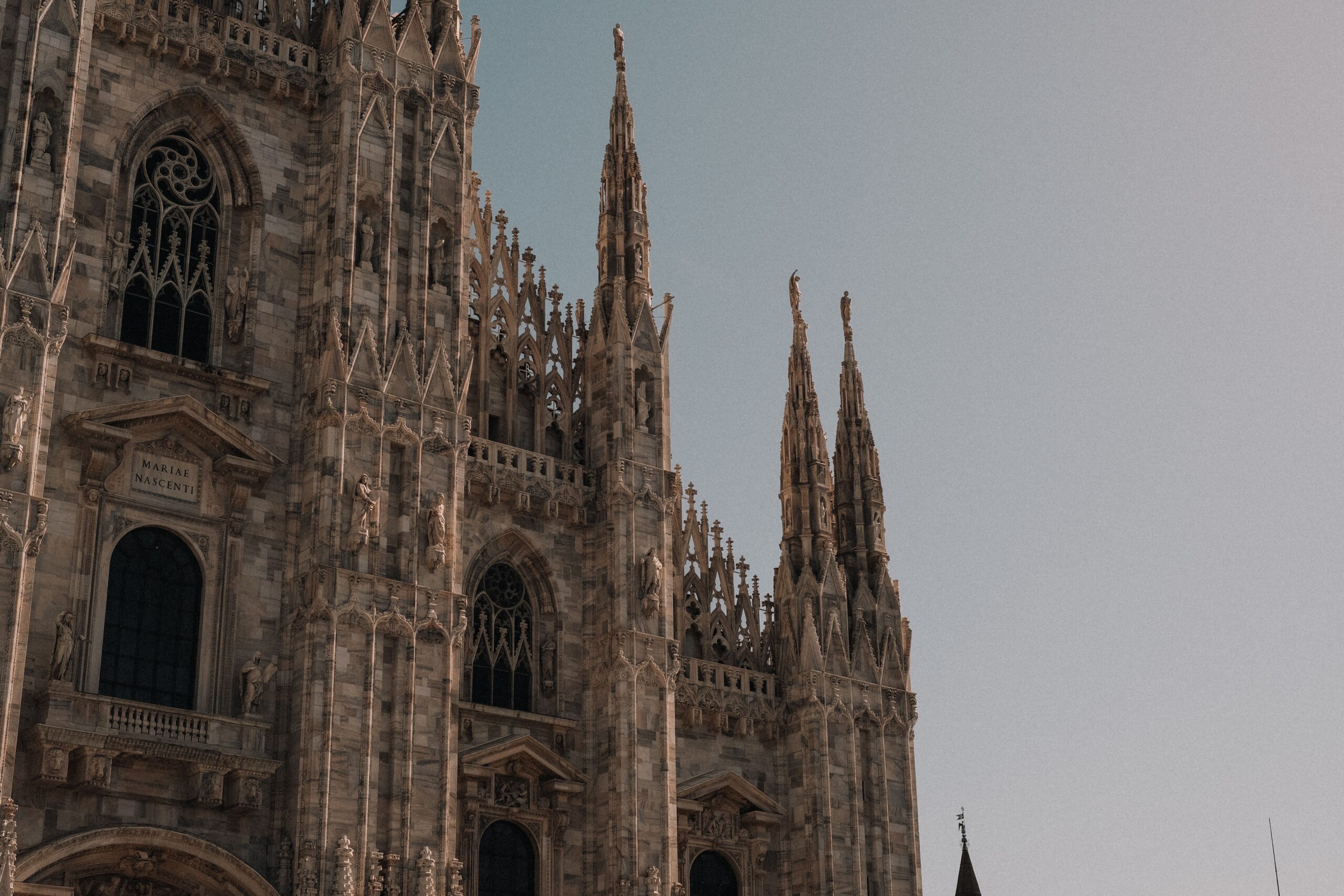
A Milan underground tour reveals a side of the city most visitors never reach. Above ground, Milan is polished, stylish, and fast-moving. Beneath its streets and behind its church doors, the city becomes quieter, stranger, and far more layered.
This private Artviva experience begins near the Duomo, then moves into chapels, ossuaries, crypts, and sacred spaces where Milan’s past still feels close. It is ideal for travelers who want more than the usual highlights and prefer stories with atmosphere, history, and depth.
Milan underground tour quick answer
The best Milan underground tour takes you beyond the fashion streets and into the city’s darker historic layers, including San Bernardino alle Ossa, the remains of San Giovanni in Conca, and Santa Maria presso San Satiro. With Artviva, the experience is private, carefully paced, and led by an expert guide who connects Milan’s gothic, medieval, and Renaissance stories in a way that feels personal rather than scripted.
Why Milan has an underground history
Milan has always been a city of layers. Roman Milan, medieval Milan, Renaissance Milan, and modern Milan all sit on top of one another. Some of the most powerful traces of the city survive not in grand piazzas, but in crypts, foundations, and quiet chapels.
This is what makes the underground side of Milan so fascinating. It does not feel staged. It feels like the city is letting you see something it usually keeps to itself.
On this tour, you move from the Duomo area into spaces connected to death, faith, charity, architecture, and illusion. The mood shifts from dramatic to reflective to surprisingly beautiful. It is not just a dark tour. It is a way to understand Milan through the places that survived under the surface.
San Bernardino alle Ossa Milan
One of the most memorable stops is San Bernardino alle Ossa, a church known for its ossuary chapel. The bones are arranged across the walls in patterns that feel both unsettling and strangely elegant.
The ossuary began after a nearby cemetery ran out of space. A chamber was created to hold the bones, and over time, it became one of Milan’s most unusual sacred spaces. The bones are believed to come from people connected to the old hospital nearby, along with religious figures and others buried in the area.
Inside, the space asks visitors to slow down. It is not meant to shock for no reason. It reflects older Catholic ideas about mortality, memory, and the soul. With the right guide, the chapel becomes less about fear and more about how Milan once understood death, charity, and remembrance.
San Giovanni in Conca crypt Milan
The Crypt of San Giovanni in Conca offers another kind of underground experience. In Piazza Missori, only part of the original church remains, but that fragment tells a much larger story.
The crypt belonged to a church rebuilt in Romanesque forms between the 11th and 13th centuries over an important early Christian site. Today, the surviving remains feel almost unexpected in the middle of modern Milan.
This is one of those places where a guide makes all the difference. Without context, it can look like a small ruin. With the right explanation, it becomes a rare surviving piece of medieval Milan, connected to early worship, noble families, and the city’s changing urban plan.
Santa Maria presso San Satiro Milan
The tour also includes Santa Maria presso San Satiro, one of Milan’s most brilliant architectural surprises. From the front, the church appears to have a deep apse behind the altar. In reality, the space is extremely shallow.
Bramante solved the problem through perspective. He created a painted and sculpted illusion that makes the eye believe there is more depth than the building actually has. This trompe l’oeil effect remains one of Milan’s most impressive Renaissance tricks.
It is a perfect example of Milan’s intelligence as a city. Florence often gets the spotlight for Renaissance art, but Milan has its own genius, especially when it comes to design, structure, and visual problem-solving.
History and cultural context
Milan’s underground sites reveal how the city handled faith, space, and survival.
In medieval Milan, burial space was limited, hospitals served both medical and spiritual needs, and churches often grew from earlier sacred foundations. Ossuaries were not created as tourist curiosities. They served practical and religious purposes.
San Bernardino alle Ossa reflects the relationship between the living and the dead. San Giovanni in Conca shows how early Christian and medieval Milan still exists below the modern city. Santa Maria presso San Satiro shows the Renaissance fascination with perspective and human perception.
Together, these places show a Milan that is much older and more mysterious than its modern image suggests.
Local expert tip
Visit this side of Milan with a private guide rather than trying to piece it together alone. Some of these spaces are small, quiet, and easy to misunderstand without context.
The best time to go is during a weekday morning or late afternoon, when the city feels less rushed. Wear comfortable shoes, bring a light layer for cooler interiors, and dress respectfully for churches. Shoulders and knees should be covered in sacred spaces, especially in warmer months.
Who should book this Milan underground tour
This tour is best for travelers who enjoy architecture, history, unusual churches, and stories that go beyond the obvious.
It works especially well for couples, small groups, families with older teens, and travelers who have already seen Milan’s main sights. It is also a strong choice for visitors who want a private Milan experience with more atmosphere than a standard city walk.
If you are drawn to gothic spaces, sacred art, old legends, and places with a little tension, this tour will stay with you.
Best season for an underground Milan experience
This tour works year-round, which makes it a smart choice in every season.
In spring and autumn, the walking portions feel especially pleasant. In summer, the church interiors offer a welcome break from the heat. In winter, the darker atmosphere actually adds to the experience, especially when Milan feels quieter and more local.
Because some sites may adjust access due to services or conservation work, booking with Artviva helps make the experience smoother. Your guide can adapt the route while keeping the story rich and cohesive.
Practical Milan travel advice
Plan around two and a half to three hours for this private walking tour. The pace is moderate, with some uneven floors, cobblestones, and steps in historic areas.
Photography rules may vary inside churches and ossuaries, so it is best to ask your guide before taking pictures. Since the tour includes sacred spaces, respectful clothing is recommended.
Private transfers can be arranged if you want a more seamless day, especially if you are pairing the tour with dinner, a museum visit, or another Milan experience.
Milan beyond the obvious
Many travelers come to Milan for fashion, the Duomo, and Leonardo’s Last Supper. Those are all worth seeing, but they do not tell the whole story.
This tour gives Milan more texture. It shows the city as spiritual, strange, inventive, and deeply historical. You see how architecture responded to limited space, how communities cared for the dead, and how artists used illusion to change what people believed they were seeing.
That is what makes this experience feel different. It does not compete with Milan’s famous landmarks. It deepens them.
People also ask
Is a Milan underground tour worth it?
Yes. A Milan underground tour is worth it if you want to see a more unusual and atmospheric side of the city. It is especially rewarding for travelers interested in history, architecture, sacred spaces, and stories beyond the typical tourist route.
What do you see on Artviva’s Milan underground tour?
You may visit sites connected to the Duomo area, San Bernardino alle Ossa, Ca’ Granda, the Crypt of San Giovanni in Conca, and Santa Maria presso San Satiro. The exact route can vary depending on opening hours, church services, and site access.
Is San Bernardino alle Ossa scary?
It can feel eerie because the chapel is decorated with human bones, but the experience is not meant to be frightening. With historical context, it becomes a thoughtful space about mortality, faith, and remembrance.
Is the tour good for children?
It is best for mature children and teens. The ossuary and crypts are presented respectfully, but younger children may find the bone chapel intense.
What should I wear?
Wear comfortable shoes and respectful clothing for churches. In summer, covered shoulders and knees are recommended.
Can the Milan underground tour be private?
Yes. Artviva offers this as a private experience with a dedicated guide, which allows for a more flexible pace and deeper storytelling.
Book a private Milan underground tour with Artviva
Milan’s most memorable stories are not always in plain sight. Some wait behind chapel doors, beneath street level, or inside spaces most visitors pass without noticing.
With Artviva, the Milan underground tour becomes more than a walk through unusual places. It becomes a carefully guided look at the city’s hidden memory, shaped by faith, art, architecture, and mystery.
For travelers who want Milan to feel personal, surprising, and deeply alive, Artviva’s Milan Underground Tour is the experience to reserve.