Modena Supercar Valley and Culinary Culture: Where Speed Meets Slow Craft
In Modena, two worlds sit side by side in a way that feels almost improbable at first glance. One is defined by speed, precision, and the roar of engines that have shaped global automotive history. The other moves slowly, shaped by patience, climate, and techniques refined over centuries in quiet farmhouses and aging cellars.
The idea of a Modena Supercar Valley and culinary culture experience is not simply about contrast. It is about how excellence takes different forms in the same landscape, often only a short drive apart. Many visitors pass through the region without realizing how deeply connected its engineering brilliance and food traditions truly are.
This is a place where craftsmanship is a shared language.
Modena History & Cultural Context
Modena’s identity did not develop around a single industry. Instead, it evolved through parallel traditions of precision and patience.
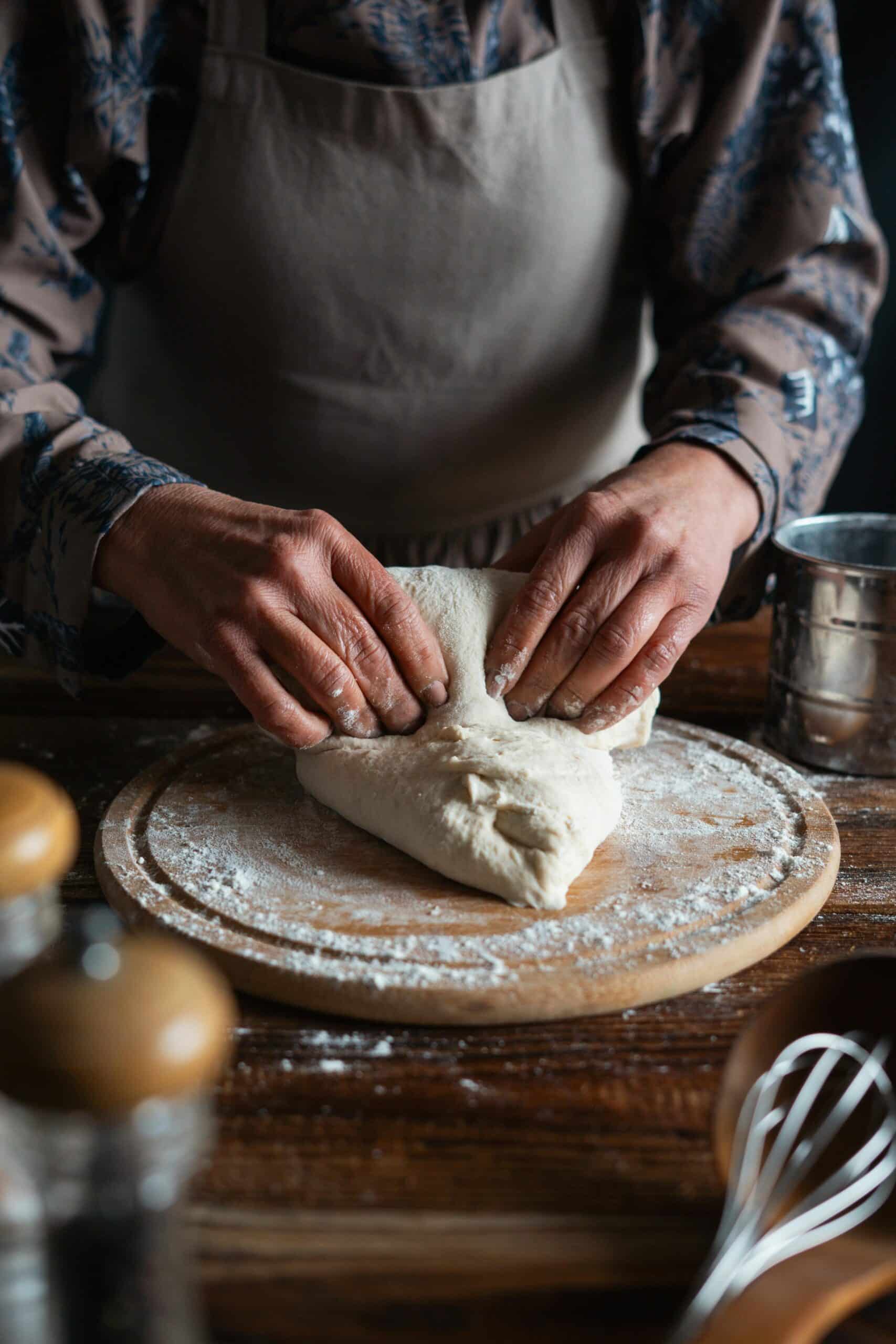
On one side, the fertile plains supported agriculture that required careful timing and environmental awareness. Dairy production, cured meats, and grape cultivation depended on seasonal rhythms that could not be rushed. Over generations, families refined these processes into what we now recognize as protected culinary heritage.
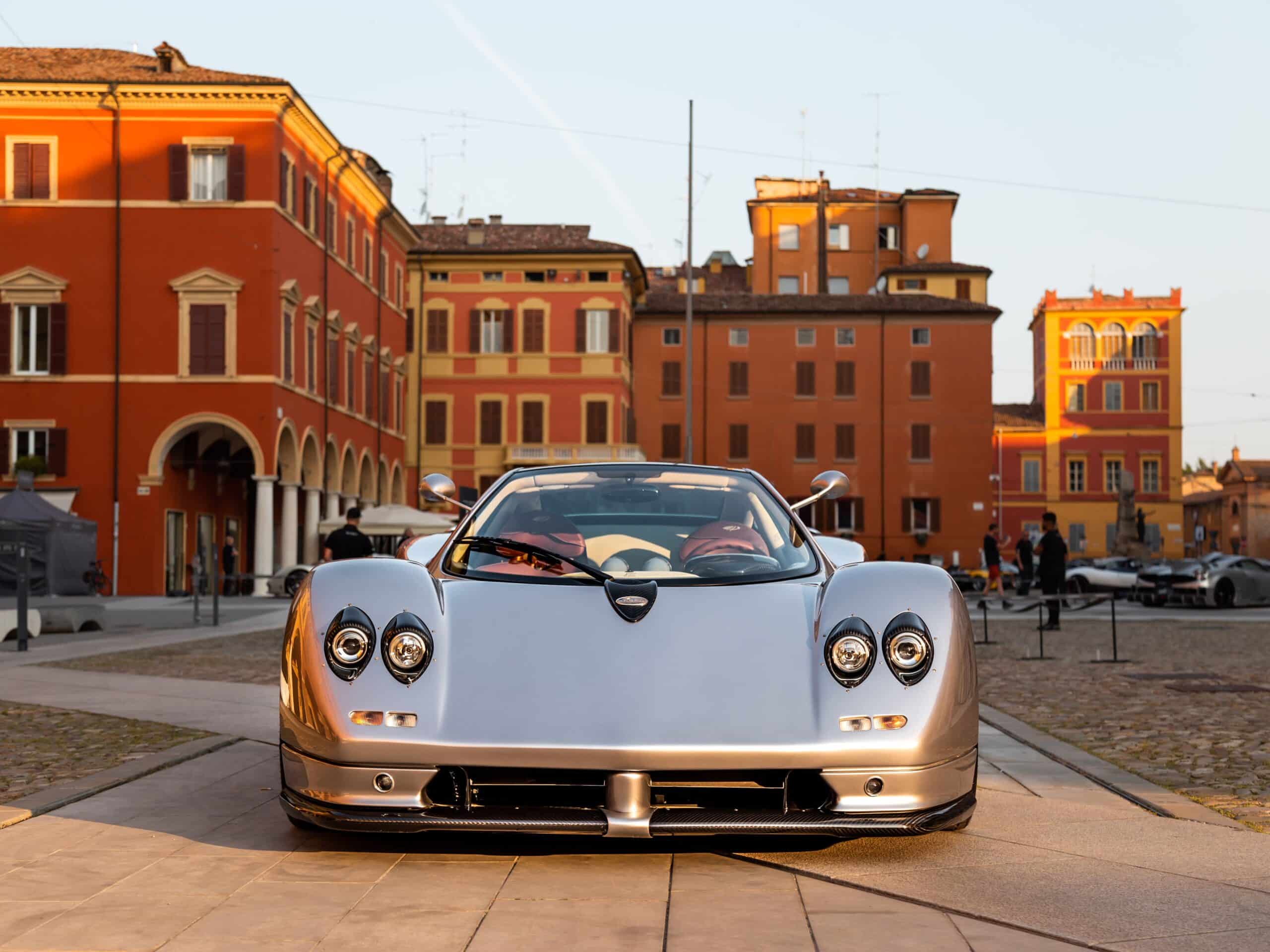
On the other side, Emilia-Romagna became one of Italy’s most important centers for mechanical innovation. Engineering workshops grew into global names, fueled by a culture that values exactness, iteration, and mechanical beauty.
What most travelers never realize is that these two identities are not separate. The same regional mindset that values controlled fermentation and aging also values aerodynamic design and technical precision. In both cases, time is not an obstacle but a tool.
Local experts often point out that Modena’s strength lies in this duality. One discipline produces flavor through waiting. The other produces performance through refinement. Both require discipline, observation, and respect for process.
Why Modena Supercar Valley and Culinary Culture Matters Today
Modern travelers often separate food and industry into different categories of experience. Modena challenges that division.
Here, a visit can move from a museum dedicated to automotive design to a rural dairy where Parmigiano Reggiano is formed in copper vats at dawn. It can continue into aging rooms where wheels of cheese rest for years before reaching their final texture, and then shift again to spaces where balsamic vinegar matures quietly in wooden barrels for decades.
The deeper story lies in how both industries depend on precision over time. Nothing in this region is rushed. Whether it is a race engine or a wheel of cheese, excellence emerges through repetition, adjustment, and patience.
For travelers, this creates a rare perspective. You begin to see food not just as cuisine, but as engineering of taste. You begin to see engineering not just as machinery, but as a form of cultural expression.
Modena- Local Expert Tip
Many visitors overlook how much of Modena’s identity is shaped outside the cities themselves. The most meaningful context often sits in small production environments where families have worked for generations.
Local experts often point out that the real understanding comes from observing process rather than just tasting or viewing finished products. A wheel of cheese, a barrel of vinegar, or a finished engine tells only part of the story. The deeper meaning sits in how each one is made, step by step, under conditions that cannot easily be replicated elsewhere.
Practical Travel Advice For Modena
When exploring Modena’s cultural landscape, pacing matters. The region is best understood through contrast rather than speed.
Allow time between experiences so that what you see in one setting can settle before moving to the next. A fast-paced visit risks turning meaningful craftsmanship into a checklist.
Weather can also shape the experience. Cooler months often bring clearer conditions for observing production environments, while warmer seasons highlight vineyard landscapes and outdoor settings.
For those interested in both automotive heritage and food culture, it is worth approaching the day with curiosity rather than expectation. The connections between these worlds are not always immediately visible, but they become clearer as the day unfolds.
Seasonal Considerations For Modena
Each season in Modena adds a different layer of interpretation.
In cooler months, food production environments feel especially atmospheric. Aging rooms carry stronger aromas, and traditional methods become more visually striking against the quiet countryside.
Spring and early summer bring vibrancy to the landscape. Vineyards and agricultural fields frame the region’s culinary identity in a more visible way, while production continues at a steady, unhurried pace.
Autumn often highlights harvest cycles and richer flavors, especially in local cuisine and aged products. It is a season where both culinary and cultural traditions feel particularly interconnected.
Frequently Asked Questions About Modena
What is Modena Supercar Valley known for?
Modena Supercar Valley is known for its concentration of iconic automotive brands alongside traditional food production, including Parmigiano Reggiano and balsamic vinegar.
Why are Ferrari and Lamborghini located in this region?
The region developed a strong engineering culture supported by skilled labor, technical education, and a long-standing tradition of precision manufacturing.
What foods is Modena famous for?
Modena is known for Parmigiano Reggiano, traditional balsamic vinegar, and cured meats such as local specialties aged in specific environmental conditions.
Can you experience both food and automotive culture in one visit?
Yes, but the experience is most meaningful when approached as a cultural landscape rather than separate attractions.
What makes Modena’s balsamic vinegar unique?
It is aged slowly in wooden barrels under specific environmental conditions, often for many years, resulting in complex flavor profiles that reflect time and place.
Where Craft and Time Meet
Modena Supercar Valley and its surrounding culinary culture reveal a region where time is treated as an essential ingredient rather than a limitation. Whether in the quiet aging of balsamic vinegar or the engineering of high-performance machines, the same principles of patience, precision, and respect for process define the outcome.
The deeper story lies in how these traditions continue side by side, shaping a landscape where craftsmanship is both seen and tasted.
For travelers who want to move beyond surface impressions and understand how these worlds connect, Artviva offers access to experiences that reveal the cultural threads linking Modena’s most iconic expressions.
Why Artviva
Experiencing Modena with Artviva means understanding the region as a single cultural landscape where engineering precision and culinary craftsmanship develop from the same values of time, discipline, and refinement. With carefully designed access to both automotive heritage sites and traditional food producers, the focus is on connection rather than contrast.
Instead of treating supercars and culinary traditions as separate worlds, Artviva highlights the shared mindset behind them—where innovation, patience, and attention to detail define everything from engines to aged balsamic vinegar.
Learn more about Artviva’s Private Modena Gourmet and Supercar Valley Tour and book your experience.