
The Stories of Sicily: How Palermo’s Food Reveals Its History
Palermo Cooking Class: Discovering Sicily Through Food, Family, and Heritage
Sicily has always been a place where food tells the story of the people who shaped it. Every ingredient carries a memory. Every recipe reflects a chapter of history. From sun-drenched citrus groves to bustling Palermo markets, Sicilian cuisine reveals centuries of cultural exchange, resilience, and creativity.
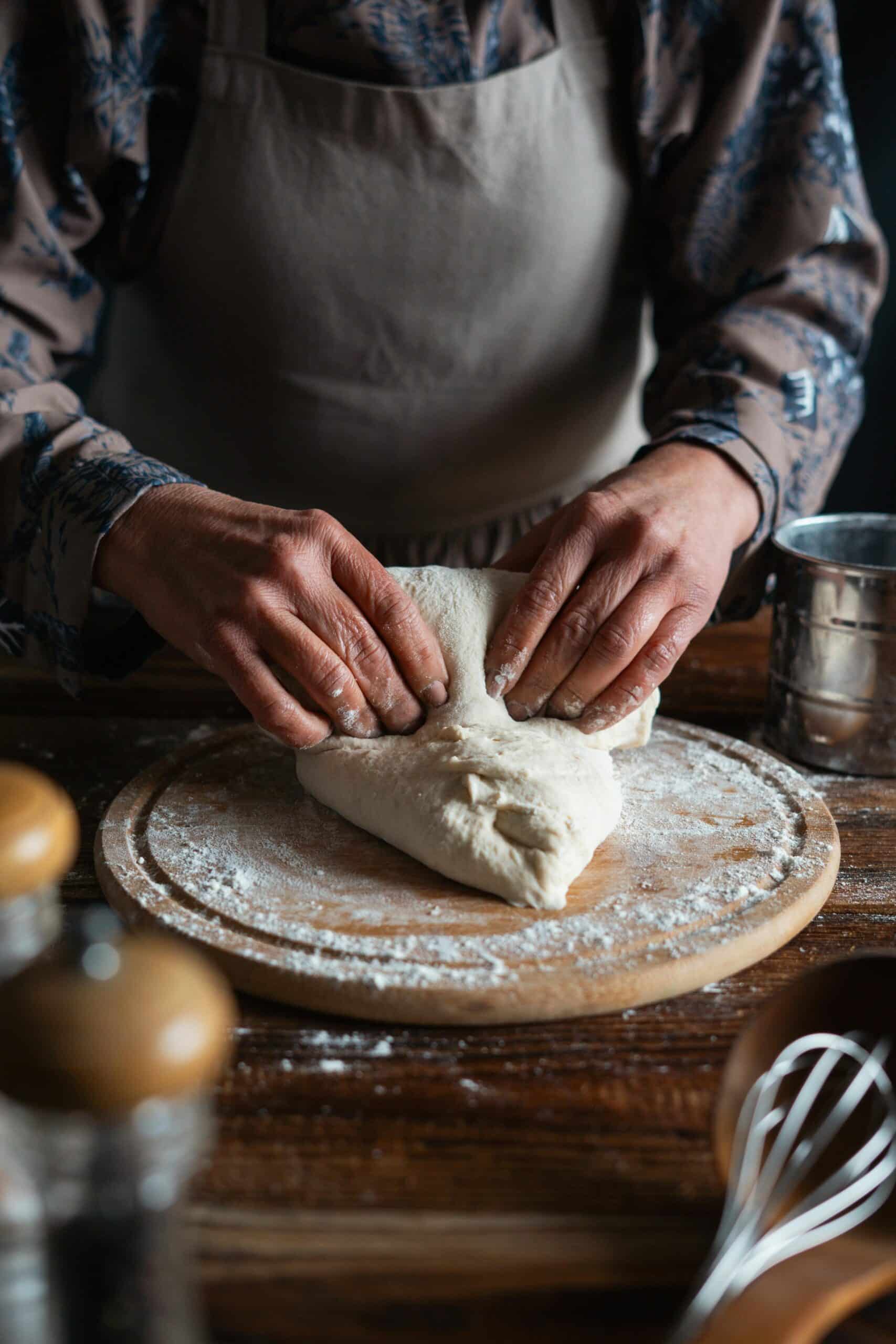
A Palermo cooking class offers travelers a rare opportunity to experience this heritage beyond the dining table. Instead of simply tasting traditional dishes, guests discover the stories, techniques, and traditions that transformed Sicily into one of Italy’s most fascinating culinary destinations.
Palermo’s food culture reflects the island itself: vibrant, layered, and deeply connected to its surroundings. Arab spices, Greek agricultural traditions, Norman influences, Spanish flavors, and local Mediterranean ingredients all meet in a cuisine that feels both ancient and surprisingly modern.
For travelers seeking authentic cultural experiences in Italy, learning to cook in Palermo provides a meaningful connection to the island’s history and hospitality.
The most memorable meals in Sicily are rarely about the recipe alone. They are about who prepares them, where they are shared, and the stories that accompany every bite.
Quick Answer: What Makes a Palermo Cooking Class Special?
A Palermo cooking class allows travelers to experience Sicilian cuisine through hands-on preparation, local ingredients, and traditional culinary techniques. The best experiences combine market visits, regional history, and personal connections with local hosts, offering insight into how Sicily’s diverse cultural influences shaped its food traditions.
History & Cultural Context: How Sicily Became a Culinary Crossroads
Sicilian cuisine is often described as a blend of Mediterranean flavors, but that description only begins to explain its complexity.
For thousands of years, Sicily has occupied a unique position between Europe, North Africa, and the Middle East. Its location made it a crossroads of civilizations, with each culture leaving traces in the island’s architecture, language, traditions, and food.
The ancient Greeks introduced agricultural practices and ingredients that remain central to Sicilian cooking. Later, Arab influences transformed the island’s culinary landscape through ingredients such as citrus, almonds, sugar, rice, and aromatic spices.
Norman and Spanish rulers added further layers, introducing new techniques and shaping the social traditions surrounding food and hospitality.
This history explains why Sicilian cuisine feels so distinctive. A simple dish can contain influences from multiple civilizations, creating combinations found nowhere else in Italy.
The deeper story lies in understanding that Sicilian food is not simply regional cooking. It is a record of centuries of cultural exchange.
Palermo’s Markets: Where Sicily’s Culinary Identity Begins
To understand Palermo’s cuisine, begin where many Sicilian cooks begin: the market.
Historic markets are not only places to purchase ingredients. They are social spaces where traditions continue through conversation, seasonal rhythms, and relationships between vendors and customers.
The atmosphere itself tells a story.
The voices of merchants, the colors of fresh produce, the scent of herbs and seafood, and the movement of daily life reveal a Palermo that has remained connected to its culinary roots.
Many visitors overlook that markets are among the best places to understand local culture. They show what ingredients matter, what changes with the seasons, and how food remains connected to everyday life.
A knowledgeable local host can explain why certain ingredients appear together, how families use them, and how recipes evolve while maintaining their identity.
The Ingredients That Define Sicilian Cuisine
Sicily’s landscape has always influenced its cooking.
The island’s fertile volcanic soil, Mediterranean climate, and surrounding seas provide an extraordinary range of ingredients.
Citrus: Sicily’s Golden Flavor
Sicilian lemons and oranges are among the island’s most recognizable products. Their bright acidity balances rich flavors and appears in both savory dishes and desserts.
Seafood: A Reflection of Island Life
With a coastline shaped by the Mediterranean, Sicily has a deep connection to the sea. Fish and shellfish have long played an essential role in coastal cooking.
Almonds and Pistachios: Sweet Traditions
Nuts brought through centuries of cultural exchange became essential ingredients in Sicilian pastries and desserts.
Olive Oil and Seasonal Produce
Simple ingredients often define Sicilian cooking. Excellent olive oil, fresh vegetables, herbs, and locally grown produce allow traditional dishes to express the character of the land.
What makes Sicilian food remarkable is not complexity for its own sake. It is the ability to create extraordinary flavors from ingredients that reflect the island’s environment.
The Art of Sicilian Hospitality
Food in Sicily has always been about connection.
Meals are opportunities for storytelling, celebration, and family gatherings. Hospitality is not treated as a performance. It is part of daily life.
This tradition extends into the island’s historic homes, where recipes are often preserved through generations.
A private culinary experience inside an elegant Palermo residence reveals another side of Sicily: one where food connects with architecture, family history, and cultural memory.
The setting matters because Sicilian cooking has always existed within a broader lifestyle. Recipes were shaped not only by ingredients but also by the homes, celebrations, and communities where they were prepared.
Why a Palermo Cooking Class Offers More Than a Meal
Travelers increasingly seek experiences that create genuine connections with destinations.
A cooking experience provides something a restaurant visit cannot: participation.
Preparing food alongside local experts allows visitors to understand the techniques behind traditional dishes and appreciate the knowledge passed between generations.
The experience takes on new meaning when viewed through the people who preserve these traditions.
A recipe becomes a family story. An ingredient becomes a reflection of Sicily’s landscape. A meal becomes a conversation between history and the present.
This is why culinary travel has become such an important part of discovering Italy.
Experience It Firsthand: A Sicilian Culinary Journey in Palermo
Reading about Sicilian cuisine provides context, but preparing traditional dishes creates a much deeper connection.
Artviva’s A Luxurious Introduction to Sicilian Cooking in Palermo introduces travelers to the island’s culinary heritage through a hands-on experience combining local ingredients, traditional techniques, and the warmth of Sicilian hospitality.
Take a further look here:
Amazing Palermo Cooking Class & Market Experience
Guests explore the relationship between Palermo’s markets, regional flavors, and historic cooking traditions before creating a meal inspired by Sicily’s diverse cultural influences. Guided by a knowledgeable local host in an elegant setting, travelers discover how simple ingredients become dishes filled with history and character.
For those who want to understand Sicily beyond its landscapes and monuments, this culinary experience offers a personal introduction to the island’s identity through its most meaningful tradition: sharing food. Travelers who wish to explore Sicily through its food traditions can discover this culinary experience with Artviva here: