
The Art of Ligurian Cooking: Pesto, Focaccia & Coastal Traditions in Cinque Terre
The scent arrives before the first bite.
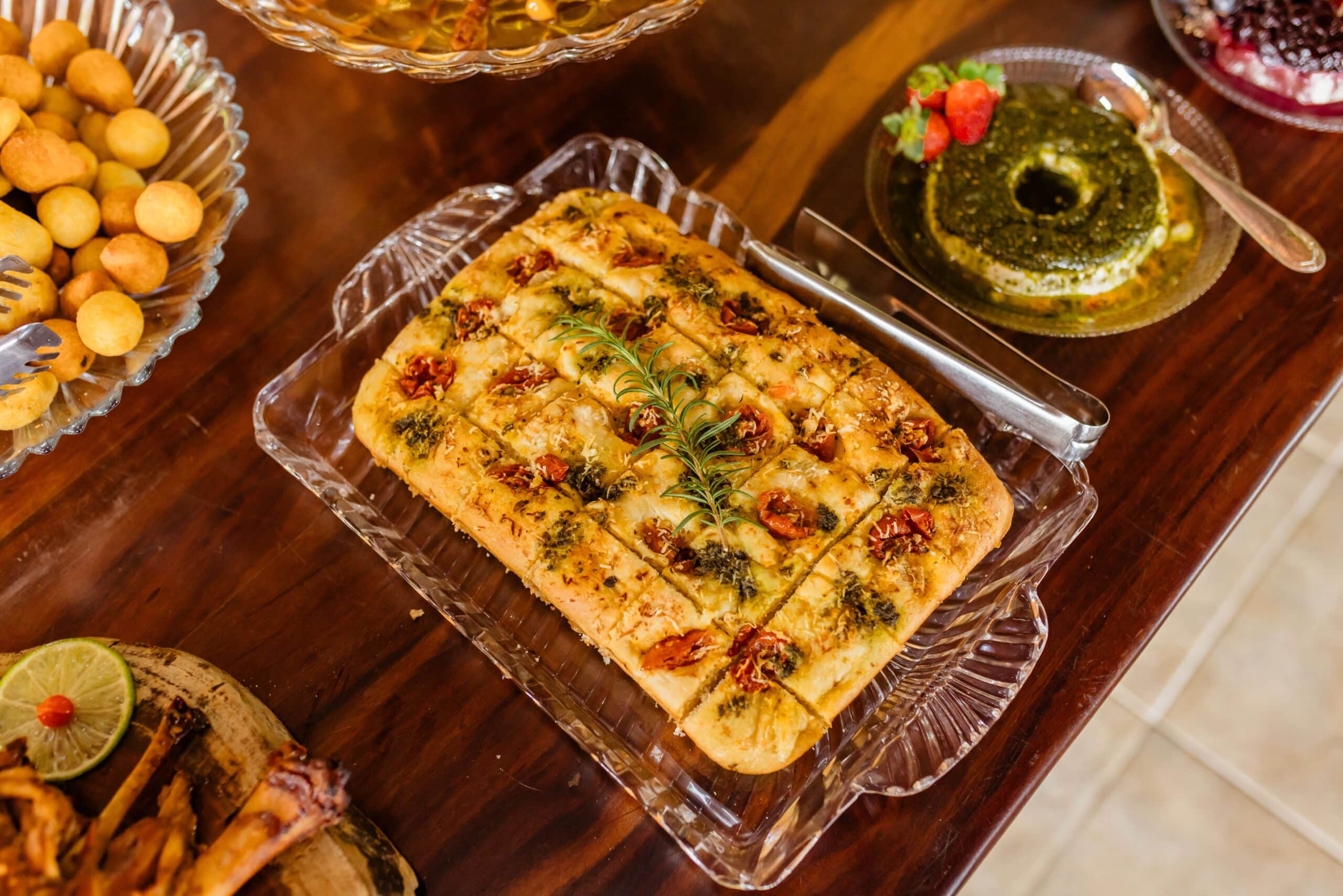
Fresh basil crushed slowly in a marble mortar. Warm focaccia emerging from the oven. Sea air drifting through an open window overlooking the Mediterranean.
A true Pesto and Focaccia Cooking Class in Cinque Terre offers far more than a recipe lesson. It introduces travelers to the rhythm of Ligurian life through two of Italy’s most beloved foods.
In the colorful villages of Cinque Terre, cooking remains deeply connected to place. Basil grows on steep terraces above the sea. Olive trees cling to rocky hillsides. Families continue traditions that have shaped local cuisine for generations.
For travelers seeking authentic food experiences in Italy, few activities capture the spirit of the region so completely.
What Is a Pesto and Focaccia Cooking Class in Cinque Terre?
A Pesto and Focaccia Cooking Class in Cinque Terre is a hands-on culinary experience where guests learn traditional Ligurian cooking techniques from local chefs.
Most classes include:
- Authentic pesto preparation using a marble mortar
- Traditional Ligurian focaccia making
- Local culinary storytelling
- Fresh regional ingredients
- A meal featuring your creations
- Ligurian wine tasting
- Stunning Mediterranean views
The experience combines cooking, culture, history, and local hospitality in one memorable activity.
Why Cinque Terre Is the Perfect Place to Learn Ligurian Cooking
Many visitors arrive in Cinque Terre for the views.
The colorful villages, dramatic cliffs, and sparkling coastline are undeniably spectacular.
Yet the region’s cuisine tells an equally fascinating story.
Life here has never been easy. For centuries, local families carved terraces into steep hillsides to grow grapes, olives, and basil. Every ingredient had to thrive in challenging conditions.
The result is a cuisine built on simplicity, freshness, and respect for the land.
Unlike elaborate regional cooking traditions found elsewhere in Italy, Ligurian dishes often rely on just a handful of ingredients prepared exceptionally well.
That philosophy shines through in both pesto and focaccia.
What Makes Ligurian Pesto Different?
Many travelers believe they have already tasted pesto.
Then they try it in Liguria.
The difference is immediate.
Authentic pesto alla Genovese uses:
- Fresh Ligurian basil
- Pine nuts
- Parmigiano Reggiano
- Pecorino cheese
- Garlic
- Extra virgin olive oil
- A pinch of salt
Traditional preparation matters just as much as the ingredients.
Rather than using a food processor, local chefs slowly crush the basil in a marble mortar using a wooden pestle.
This gentle technique preserves texture, aroma, and flavor.
The result feels lighter, brighter, and far more complex than most versions found elsewhere.
The Story Behind Ligurian Focaccia
Focaccia may seem simple.
Flour, water, yeast, olive oil, and salt.
Yet creating excellent focaccia requires skill, patience, and attention to detail.
In Liguria, focaccia plays a central role in daily life.
Locals enjoy it for breakfast, lunch, afternoon snacks, and even alongside an aperitivo.
The ideal focaccia achieves a delicate balance:
- Crisp exterior
- Soft interior
- Rich olive oil flavor
- Light texture
During the class, guests learn techniques that local bakers have refined over generations.
The process reveals how seemingly simple foods often require the greatest craftsmanship.
A Pesto and Focaccia Cooking Class in Cinque Terre Step by Step
One reason travelers love this experience is its relaxed pace.
The class feels welcoming rather than formal.
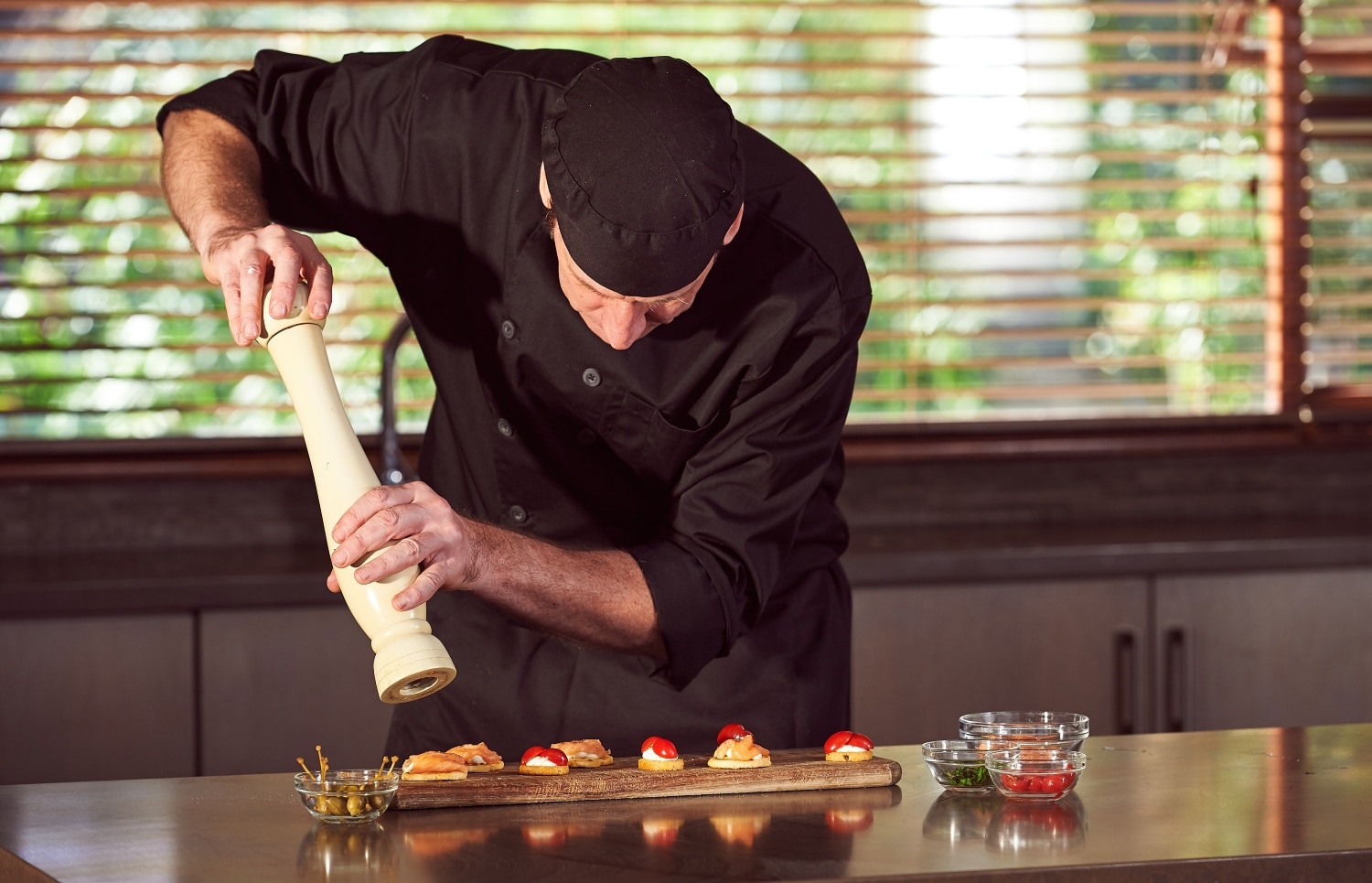
Meeting Your Local Chef
The experience begins with introductions and a glimpse into local culinary culture.
Your chef shares stories about the region, explaining how geography shaped the food traditions of Cinque Terre.
Guests quickly discover that cooking and storytelling are inseparable in Liguria.
Every recipe carries generations of history.
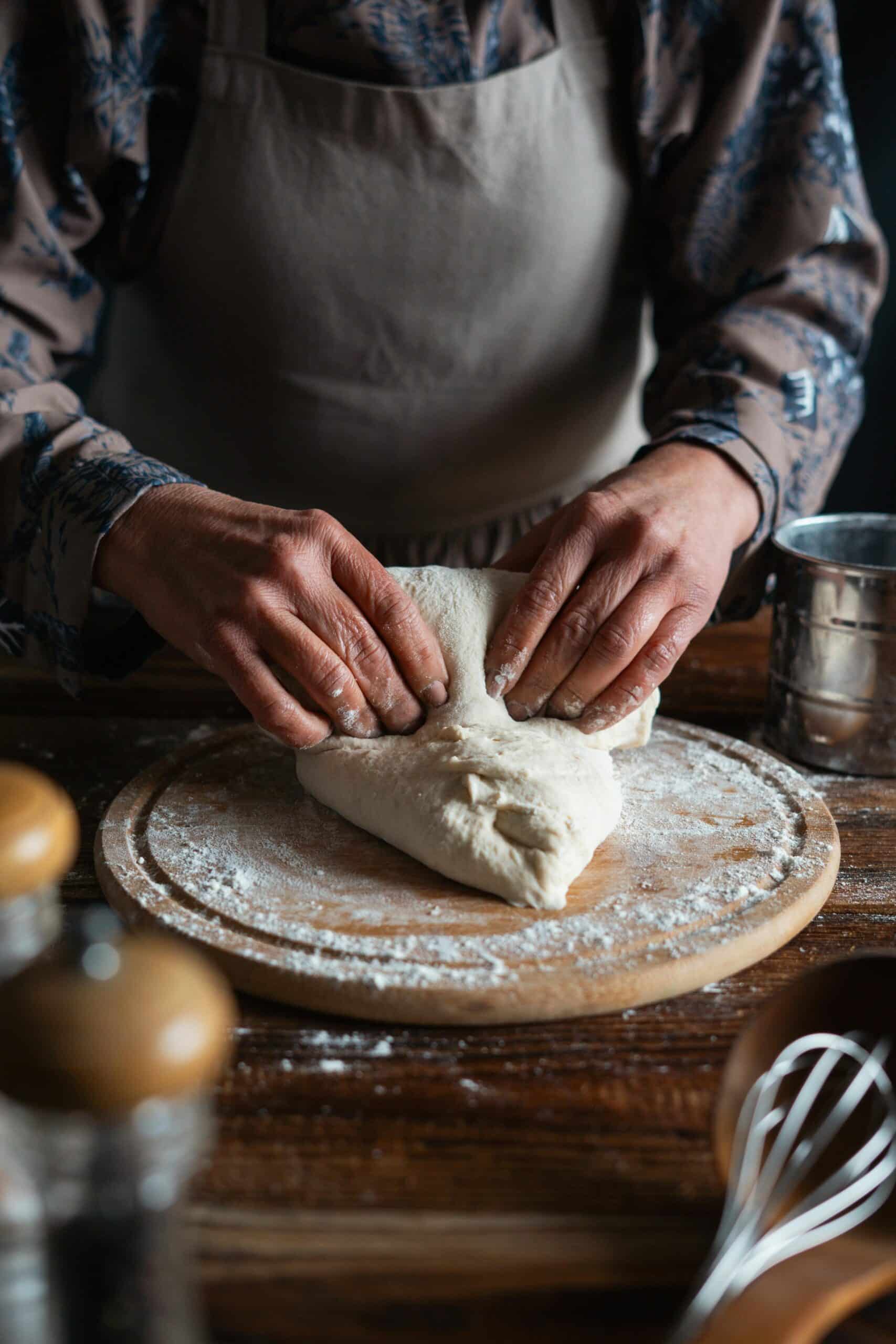
Learning to Make Authentic Focaccia
The first hands-on activity focuses on focaccia.
Guests learn how to:
- Mix the dough
- Develop the proper texture
- Shape and stretch it correctly
- Use olive oil effectively
- Achieve the perfect bake
The process appears straightforward, but subtle details make a remarkable difference.
Local chefs explain the techniques that transform simple ingredients into one of Italy’s most iconic breads.
Preparing Pesto the Traditional Way
Next comes the highlight for many visitors.
Using a marble mortar and wooden pestle, guests prepare pesto exactly as generations of Ligurian families have done.
The pace slows.
The basil releases its fragrance.
The ingredients gradually combine into a vibrant green sauce that captures the essence of the region.
Many guests describe this moment as surprisingly meditative.
The repetitive motion, fresh aromas, and sea views create a memorable connection to local traditions.
The Importance of Place in Ligurian Cuisine
One reason pesto tastes different in Cinque Terre is the environment itself.
The coastal climate creates ideal growing conditions for basil.
Warm sunshine, sea breezes, and mineral-rich soils influence flavor in subtle but important ways.
Local olive oils also contribute unique characteristics.
Together, these ingredients reflect a specific landscape.
Understanding this connection helps travelers appreciate why Italian regional cuisine remains so distinctive.
Food here is inseparable from place.
Local Expert Tip
Most visitors explore Cinque Terre through hiking trails, boat rides, and scenic viewpoints.
Add a cooking class to your itinerary early in your visit.
After learning how pesto and focaccia are made, you’ll notice these foods everywhere. Local bakeries, family restaurants, and seaside cafés suddenly feel more meaningful because you understand the traditions behind them.
It’s one of the best ways to deepen your connection to the region.
Beyond the Recipe: What Travelers Remember Most
The recipes matter.
The food certainly matters.
Yet many guests leave talking about something else entirely.
The conversations.
The stories.
The feeling of spending time with someone who genuinely loves sharing their culture.
Travel experiences become memorable when they create human connections.
A cooking class naturally encourages those moments.
Questions lead to stories. Stories lead to insights. Insights transform a destination from a place you visit into a place you understand.
History & Cultural Context: Why Pesto and Focaccia Define Liguria
Pesto and focaccia are not simply regional specialties.
They reflect centuries of adaptation to a unique environment.
Liguria’s steep terrain limited large-scale agriculture. Farmers learned to maximize every available terrace and cultivate crops suited to the climate.
Basil flourished.
Olive trees thrived.
Bread became an essential staple.
Over time, local families refined recipes that celebrated these ingredients.
Pesto emerged as a practical way to preserve and enhance basil. Focaccia provided nourishment using readily available ingredients.
Today, both dishes remain symbols of Ligurian identity.
Visitors who learn these recipes gain insight into the resilience and creativity that shaped life along this rugged coastline.
Why Food Lovers Seek Out Cooking Classes in Italy
Travelers increasingly want experiences rather than observations.
A cooking class transforms visitors into participants.
You don’t simply taste the food.
You create it.
You learn techniques.
You hear family stories.
You understand the ingredients.
That deeper engagement often becomes one of the most meaningful parts of a trip.
For many travelers, the ability to recreate a dish at home extends the experience long after the journey ends.
When Is the Best Time for a Cooking Class in Cinque Terre?
The experience works beautifully throughout the year.
Spring
Wildflowers cover the hillsides, temperatures remain comfortable, and the villages feel lively but relaxed.
Summer
Long days and vibrant coastal energy create a wonderful atmosphere, though reservations are essential.
Autumn
Many travelers consider autumn ideal. The weather remains pleasant while visitor numbers begin to decrease.
Winter
The villages become quieter and more intimate, offering a different perspective on local life.
Each season reveals a unique side of Cinque Terre.
Practical Tips for Your Cooking Experience
To make the most of your class:
Wear comfortable clothing.
Bring a camera or smartphone.
Arrive hungry.
Allow extra time to explore the village afterward.
Consider pairing the class with a full day in Cinque Terre rather than rushing back immediately.
The relaxed pace of the region rewards travelers who linger.
Why Travelers Choose Artviva
Since 1996, Artviva has connected travelers with exceptional local experts throughout Italy.
The focus remains on authenticity, personal connection, and meaningful experiences.
Artviva works closely with chefs, artisans, guides, and families who share genuine knowledge of their regions.
Rather than simply teaching recipes, these experts reveal the stories, traditions, and culture behind the food.
That difference transforms a cooking class into a lasting memory.
People Also Ask
Do I need cooking experience to join a pesto and focaccia cooking class?
No. Classes welcome beginners and experienced cooks alike.
How long does the class last?
Most experiences last approximately three hours, including preparation, instruction, storytelling, and the meal.
Is wine included?
Yes. Guests typically enjoy local Ligurian wine alongside their meal.
Will I learn traditional pesto techniques?
Absolutely. The class focuses on authentic preparation using a marble mortar and wooden pestle.
Can dietary restrictions be accommodated?
Most classes can adapt recipes with advance notice.
Is the class suitable for couples?
Yes. It is one of the most popular experiences for couples visiting Cinque Terre.
Can private classes be arranged?
Yes. Artviva can organize private experiences and customized culinary events.
Why This Experience Stays With You
Years after visiting Cinque Terre, travelers often remember small moments.
The scent of crushed basil.
The warmth of fresh focaccia.
The view of the Mediterranean beyond the kitchen window.
The local chef sharing family stories while pouring a glass of wine.
These memories endure because they engage all the senses.
They create a connection to a place through its people, traditions, and flavors.
For travelers who want to experience Cinque Terre beyond the postcard views, a Pesto and Focaccia Cooking Class offers one of the most rewarding ways to discover the region.
Availability remains limited to preserve the intimate nature of the experience. Contact Artviva today to reserve your place at the table and discover the true flavors of Liguria through the hands of those who know them best.
Learn more about Artviva’s Pesto and Focaccia Cooking Class in Cinque Terre and book your experience now.